
Camping in Victoria, Australia offers a special kind of adventure. From the wild coastlines to tall mountain forests, the region is filled with national camping sites. But finding the best spots can be tricky if you don’t know where to look or what to expect. Whether you are a new camper or someone planning your next big trip, learning how to find the right campsite can make all the difference. This guide walks you through the process, giving clear advice, real examples, and practical tips that will help you enjoy Victoria’s outdoors safely and comfortably.
Why Camping In Victoria Is Unique
Victoria is famous for its diverse landscapes. You can visit sandy beaches, tall mountains, deep forests, and wide-open plains—all within a few hours’ drive. The state has over 100 national parks and reserves, many offering camping sites. The weather is mostly mild, but it changes quickly in some regions, so planning is important.
Camping here isn’t just about sleeping outdoors. It’s about wildlife encounters, hiking trails, fishing spots, and even historic landmarks. Sites range from basic bush camps to well-equipped parks with toilets, showers, and BBQs. This variety means you need to think carefully before choosing your destination.
Key Factors To Consider When Choosing A Camping Site
Finding the best campsite is not just about picking a pretty place. You need to consider:
- Location – How far is the site from your home? Is it in the mountains, by a lake, or near the sea?
- Facilities – Some sites have toilets, showers, BBQs, and even playgrounds. Others offer only nature.
- Accessibility – Can you drive right to the site, or do you need to hike? Is the road suitable for your car?
- Activities – Are there walking trails, fishing spots, swimming areas, or places for cycling?
- Safety – Check for risks like bushfires, flooding, or dangerous wildlife. Always read site warnings.
- Booking and Fees – Some campsites are free, others need booking and payment. Fees range from $0 to $50/night.
Many beginners forget to check if the site is pet-friendly or has mobile signal coverage. These details can be important, especially for families or people who want to stay connected.
How To Research Camping Sites In Victoria
The best way to find quality camping sites is to use reliable resources. Here’s how:
Government Websites
The official Parks Victoria site lists all national parks and their campgrounds. It gives details like site maps, facilities, fees, and booking links. Many campers don’t realize that these sites are updated often with safety alerts and weather warnings.
Camping Apps And Forums
Apps like WikiCamps Australia and community forums offer reviews and photos from real campers. These platforms highlight hidden gems and share honest opinions about cleanliness, noise, and crowd levels.
Local Tourism Offices
Tourism offices in towns near popular parks often provide brochures and advice. Staff know about recent changes, site closures, or special events. If you are visiting a remote area, calling ahead can save you trouble.
Social Media Groups
Facebook groups and Instagram pages focused on Victorian camping can inspire you with photos and trip stories. You’ll see what the sites really look like and get tips on the best times to visit.
Top 7 National Camping Sites In Victoria
Victoria has hundreds of campsites, but some stand out for their beauty, facilities, and unique experiences. Here are seven of the best:
- Wilson’s Promontory National Park
- Known as “The Prom”, this site offers beachside camping, mountain hikes, and wildlife. Tidal River Campground is the most popular, with toilets, showers, and BBQs.
- Great Otway National Park
- Famous for waterfalls, rainforests, and coastal cliffs. Blanket Bay and Aire River campgrounds have basic facilities and direct access to walking trails.
- Grampians National Park
- Offers dramatic mountain views, rock climbing, and Aboriginal rock art. Halls Gap and Borough Huts campgrounds have good facilities and are family-friendly.
- Lake Eildon National Park
- Perfect for boating, fishing, and swimming. Several campgrounds offer toilets, boat ramps, and picnic tables.
- Mount Buffalo National Park
- High-altitude scenery, wildflowers, and adventure sports. Lake Catani Campground is popular and has showers, toilets, and BBQs.
- Croajingolong National Park
- Remote, unspoiled, and rich in biodiversity. Thurra River and Wingan Inlet are favorite spots, but facilities are basic.
- Cape Conran Coastal Park
- Coastal camping with direct beach access. East Cape campground has toilets, water, and BBQs.
Here’s a comparison of three popular sites:
| Site Name | Facilities | Activities | Accessibility |
|---|---|---|---|
| Wilson’s Promontory | Showers, toilets, BBQs | Hiking, swimming, wildlife | Easy drive, paved roads |
| Great Otway | Basic toilets, water | Hiking, waterfalls, biking | Mostly accessible, some rough roads |
| Grampians | Toilets, playground, BBQs | Climbing, hiking, art sites | Easy drive, family-friendly |
Booking And Fees: What You Need To Know
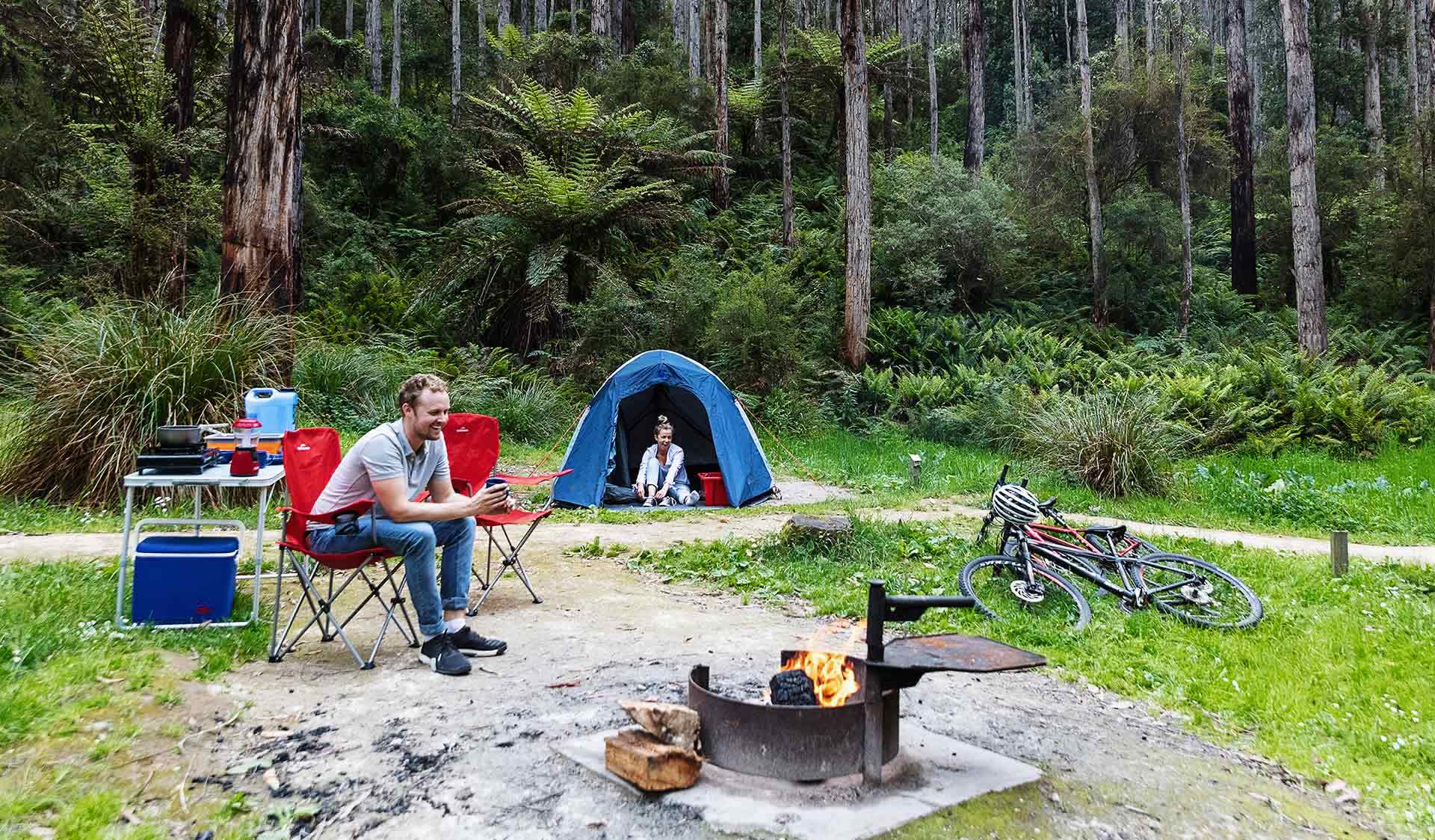
Most national park campsites in Victoria require advance booking, especially during school holidays and weekends. Fees vary, but are usually between $10 and $50 per night. Some sites offer discounts for longer stays or off-peak seasons.
Booking is done online through official platforms like Parks Victoria. You can pay by card, and you’ll get a confirmation email with your site number and arrival details.
Free camping sites do exist, but they are often more basic and can get crowded. Always check if you need a permit or must register your stay, even for free spots.
Here’s a quick look at fee differences:
| Site Type | Average Fee (per night) | Booking Required |
|---|---|---|
| Basic bush camp | $0–$15 | Often not required |
| National park camp | $20–$50 | Usually required |
| Private caravan park | $30–$70 | Always required |
What To Pack For Camping In Victoria
Packing well is key to a comfortable camping trip. The basics include:
- Tent and sleeping bag (rated for local weather)
- Cooking gear and food
- Water containers and purification tablets
- First aid kit
- Torch or headlamp
- Map and compass/GPS
- Warm clothes and rain gear
- Sunscreen and insect repellent
Many new campers forget extra batteries, rubbish bags, and spare tent pegs. These small items can save you trouble, especially in remote sites.
Tips For Beginners: Avoiding Common Mistakes
- Check weather forecasts before you leave. Victorian weather can change fast, especially in the mountains.
- Arrive early to set up your tent in daylight. It’s easier and safer.
- Respect fire rules. Some parks ban campfires during summer. Always check local restrictions.
- Leave no trace. Take all your rubbish home and avoid damaging plants or wildlife.
- Keep food secure. Possums and other animals often raid campsites.
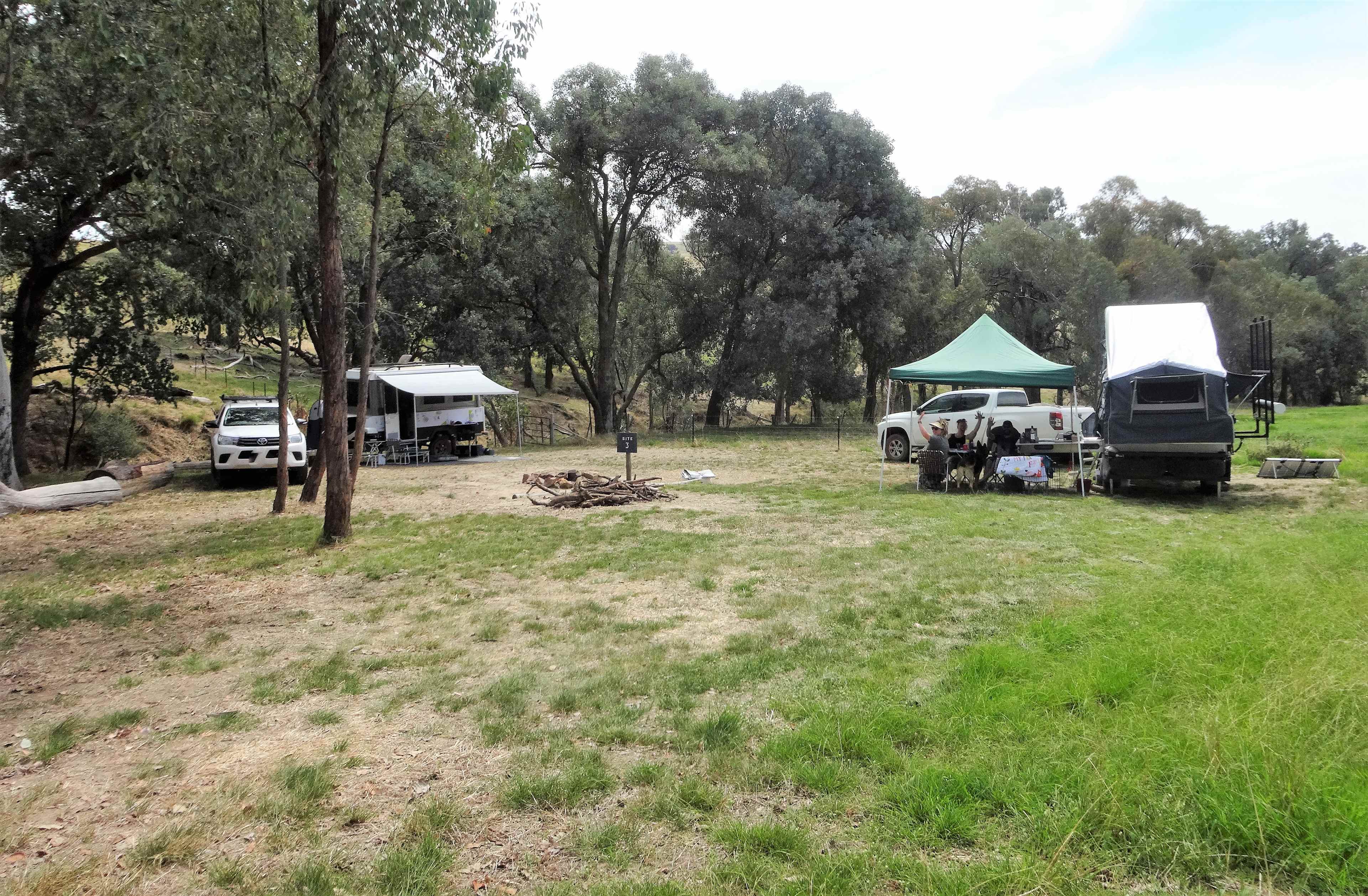
A non-obvious tip: Always write down your campsite’s GPS coordinates or take a photo of the site number. It helps if you get lost or need to guide friends.
Safety And Emergency Advice
Victoria’s national parks are generally safe, but accidents can happen. Always let someone know where you are going and when you expect to return. Carry a basic first aid kit and learn how to use it.
Some parks have bushfire risks in summer. Check alerts at Parks Victoria before you leave. If you see smoke or hear sirens, follow instructions and leave the area quickly.
Mobile coverage can be limited, especially in remote parks. Consider renting a satellite phone or carrying a personal locator beacon for emergencies.
Hidden Gems: Less-known Camping Sites
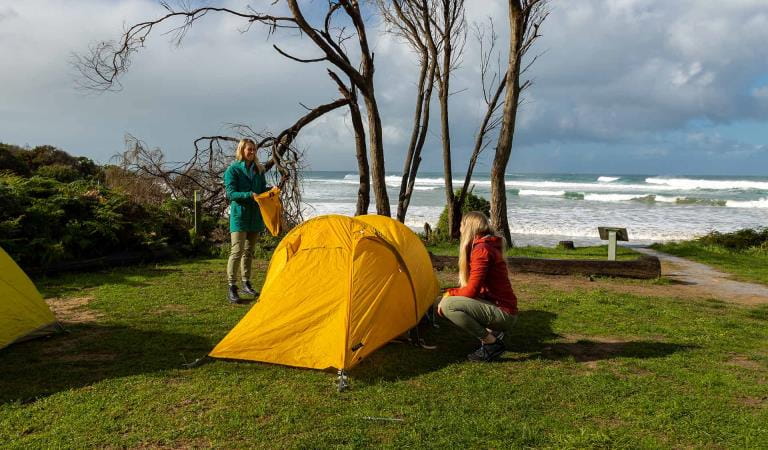
While the big parks are popular, Victoria has many smaller or less-visited sites. These are quieter and often more scenic:
- Buchan Caves Reserve – Camp near famous limestone caves and enjoy guided tours.
- Mount Arapiles – A favorite for rock climbers, with basic bush camping and amazing sunsets.
- Little Desert National Park – Unique sandy landscapes, wildflowers, and birdwatching.
Many beginners miss these spots because they don’t appear in big travel guides. Ask locals or search community forums for recent reviews.
Comparing National And Private Campsites
National park campsites focus on nature and simple facilities. Private caravan parks offer more comfort, like cabins, electricity, and playgrounds. But they are often more expensive and busy.
Here’s a direct comparison:
| Feature | National Campsite | Private Campsite |
|---|---|---|
| Price | Lower ($0–$50) | Higher ($30–$70) |
| Facilities | Basic (toilets, water) | Full (showers, cabins) |
| Nature | Wild, scenic | Less natural, landscaped |
| Booking | Online, some walk-in | Online, always required |
If you want a real nature experience, national sites are best. But families or people needing extra comfort may prefer private parks.
Practical Steps To Find Your Ideal Camping Site
- Decide what kind of experience you want: Wild nature, family comfort, adventure sports, or relaxation.
- Check the official Parks Victoria website for site details and alerts.
- Use apps and forums for real camper reviews and photos.
- Compare facilities, fees, and accessibility.
- Book early, especially for popular sites or holiday periods.
- Prepare your packing list and check weather updates.
- Plan your route and have a backup plan in case the site is full or closed.
A smart move: Keep a list of three possible sites. If your first choice is too crowded or closed, you’ll have options ready.
Frequently Asked Questions
How Far In Advance Should I Book A Campsite In Victoria?
It’s best to book at least 4–6 weeks ahead for popular sites, especially during holidays. Some remote or basic sites can be booked a few days before, but don’t risk it during peak season.
Are There Free Camping Sites In Victoria?
Yes, Victoria has many free camping spots in state forests and some national parks. These sites often have few facilities, so bring everything you need, including water and rubbish bags.
Can I Bring My Dog To National Camping Sites?
Some sites are pet-friendly, but many national parks ban dogs to protect wildlife. Always check the park’s rules before you go. Private campsites are more likely to allow pets.
What Do I Do If There’s An Emergency At The Campsite?
If you have phone signal, call 000 for police, fire, or ambulance. If you’re out of range, use a personal locator beacon or go to the nearest ranger station. Always carry a basic first aid kit and know your campsite’s location.
What Is The Best Time Of Year To Camp In Victoria?
Spring and autumn offer mild weather and fewer crowds. Summer is warm but can bring bushfires and insects. Winter camping is possible, but some sites close and nights get cold, especially in the mountains.
Camping in Victoria is one of the best ways to explore Australia’s natural beauty. With careful planning, smart research, and a sense of adventure, you’ll find a site that suits your needs—whether you want wild landscapes or family comforts. Remember to respect nature, follow safety rules, and enjoy every moment under the stars.
