
If you love camping in wild places, you may wonder what to do if you suddenly see a wolf near your tent or trail. Wolves are beautiful and intelligent animals, but meeting one can be surprising or even scary. Understanding wolf behavior, safety steps, and what not to do can keep you and the wolf safe.
This guide gives you clear advice, practical examples, and tips that many campers overlook. You will learn how to avoid dangerous mistakes and enjoy your camping trip with more confidence.
Understanding Wolf Behavior
Wolves are often misunderstood. In North America, healthy wild wolves rarely attack people. Most wolves avoid humans and try to escape if they notice someone nearby. Still, wolves are curious creatures, and in rare cases, they might approach a camp—especially if food is left out or if they are used to humans.
Sometimes, you might see a wolf because you’re near their territory or a den with pups. Wolves are protective parents and might act differently if they feel threatened. Knowing these basics helps you react the right way.
How Wolves Act Around Humans
- Timid and cautious: Most wolves keep their distance.
- Curious: Wolves may watch you for a while, especially young wolves.
- Protective: If you’re near a den or pups, wolves may bark, growl, or try to scare you away.
Wolf Senses
- Smell: Wolves have a strong sense of smell, so food attracts them.
- Sight: Good at spotting movement from far away.
- Hearing: Excellent at detecting sounds, even quiet ones.
Knowing this, you can see why food safety and calm behavior matter in wolf country.
How To Prevent Wolf Encounters While Camping
It’s easier to avoid problems than to fix them after they start. Here’s how to make your campsite less attractive to wolves.
Food Storage And Scents
- Store food properly: Use bear canisters or hang food at least 10 feet above the ground and 4 feet from tree trunks.
- No food in tent: Never keep snacks, toothpaste, or scented items where you sleep.
- Clean up: Wash dishes right away and pack out trash.
- No scraps in fire: Burning food scraps can attract wolves and other animals.
Camp Location
- Avoid animal trails: Wolves use game trails and stream crossings.
- Stay away from carcasses: If you smell or see animal remains, move your camp.
- Camp in open areas: Avoid thick brush where wolves might rest.
Group Behavior
- Camp in groups: Wolves are less likely to approach larger groups.
- Keep children close: Don’t let kids wander off, especially at dusk or dawn.
Tip: Many campers forget that wolves have an excellent sense of smell. Even tiny crumbs or wrappers can attract them from miles away.
What To Do If You See A Wolf
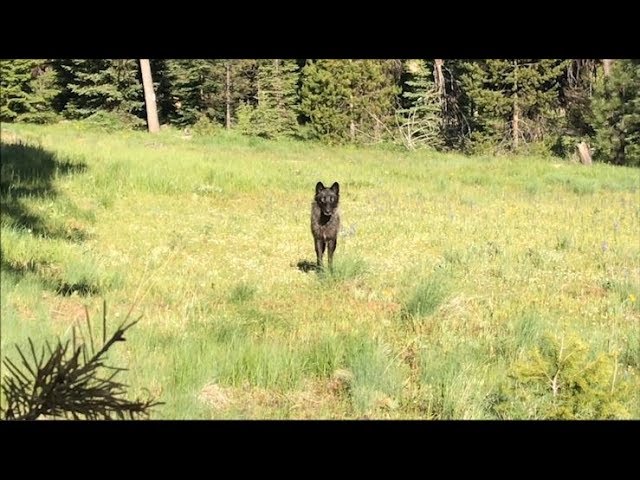
Spotting a wolf is exciting, but it’s important to stay calm and act wisely. Here’s what you should do step by step.
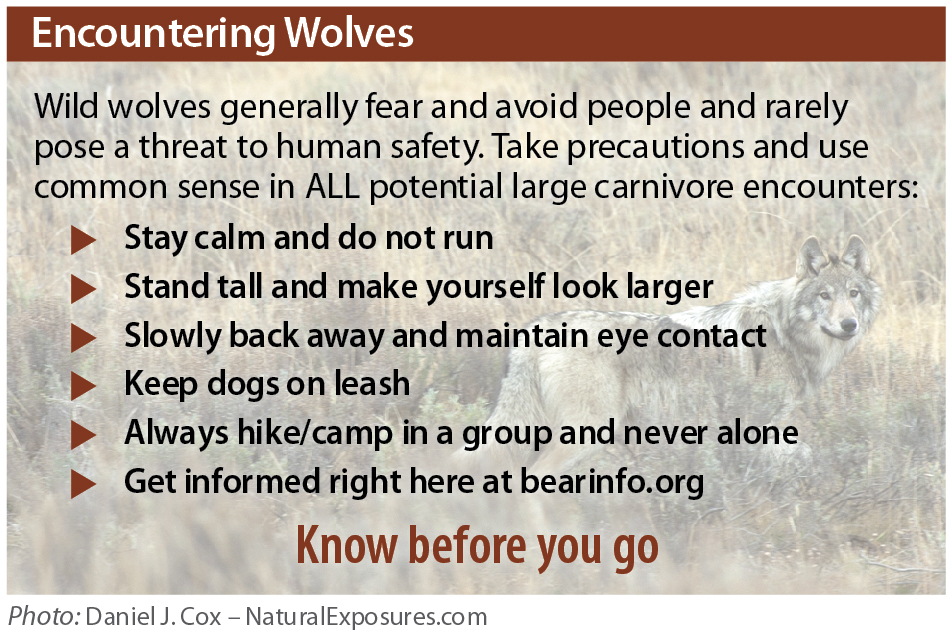
- Stay calm: Don’t panic or run.
- Stand tall: Make yourself look bigger by standing up straight.
- Hold your ground: Do not approach or corner the wolf.
- Keep eye contact: This shows confidence (unlike bears, where you avoid eye contact).
- Make noise: Clap your hands, shout, or use a whistle to scare the wolf away.
- Back away slowly: Move backwards, facing the wolf until you are at a safe distance.
- Keep pets leashed: Small dogs can attract wolves if they run or bark.
Let’s compare wolf and bear behavior if you see them while camping:
| Action | Wolf | Bear |
|---|---|---|
| Eye contact | Maintain eye contact | Avoid direct eye contact |
| Noise | Make noise to scare away | Speak calmly, do not startle |
| Backing away | Back away slowly | Back away slowly |
| Running | Never run | Never run |
What If The Wolf Doesn’t Leave?
Most wolves will leave if you make noise and appear confident. If the wolf stays or comes closer:
- Be louder and more assertive: Yell, wave your arms, throw small stones (not to injure, but to scare).
- Do not turn your back: Always face the wolf.
- Use deterrents: If you have bear spray, prepare to use it if the wolf approaches within 20–30 feet.
Insight: Wolves rarely show aggression unless they are sick, injured, or protecting pups. If you see a wolf acting strangely—staggering, drooling, or not reacting to noise—it could be sick (possibly with rabies). Leave the area quickly and report the sighting to park authorities.
What Not To Do Around Wolves
Avoid these common mistakes that can make the situation worse:
- Don’t run: Wolves are fast and may chase.
- Don’t feed the wolf: Feeding encourages bold behavior and is illegal in most parks.
- Don’t approach: Never try to get closer for a better photo.
- Don’t play dead: This works for some bears, not wolves.
- Don’t leave pets unattended: Unleashed dogs can lead wolves back to your camp.
Practical Example: A camper in Yellowstone left snacks in their tent and returned to find a wolf sniffing around. The wolf left after the camper made noise, but the food scent could bring the wolf back. Always remove food smells completely.
How To Protect Your Campsite
If you know you are in wolf country, take extra steps to protect your campsite.
Set Up A Safe Camp
- Keep your camp clean: No food scraps, wrappers, or dirty dishes left out.
- Use odor-proof bags: These are better than regular plastic bags.
- Set up a cooking area away from tents: At least 100 feet (30 meters) from where you sleep.
- Hang clothes that smell like food: Don’t wear them to bed.
Use Light And Sound
- Motion lights: Portable lights that turn on with movement can scare wolves away at night.
- Noise devices: Air horns or whistles work well if you hear animals nearby.
Compare Attractants For Wolves Vs. Bears
| Item | Attracts Wolves | Attracts Bears |
|---|---|---|
| Meat/food scraps | Yes | Yes |
| Pet food | Yes | Yes |
| Toothpaste/soaps | Sometimes | Yes |
| Cooked fish | Yes | Yes |
Tip: Wolves are less interested in sweet foods (like candy) than bears, but any strong smell can attract them.
What To Do If A Wolf Approaches Aggressively
Though extremely rare, wolves may act aggressively. Signs include growling, baring teeth, or slow, direct approaches. Here’s what you should do:
- Stand your ground: Do not run or turn away.
- Make yourself look bigger: Raise your arms, hold your backpack above your head.
- Shout and throw objects: Aim for the ground in front of the wolf to scare, not harm.
- Prepare deterrents: Use bear spray if you have it.
- Back away slowly: Only when the wolf loses interest or retreats.
Non-Obvious Insight: Most aggressive wolf encounters happen when pups are nearby or people unintentionally get between a wolf and its escape path. Always be aware of your surroundings, especially in spring (pupping season).
What To Do If You Are Attacked
Wolf attacks are extremely rare—fewer than 10 documented cases in North America in the past 100 years. However, if a wolf does attack:
- Fight back: Use sticks, rocks, or anything at hand.
- Aim for the nose and face: These are sensitive areas.
- Do not play dead: This encourages wolves to continue.
After the attack, seek medical help immediately to check for bites and possible disease transmission.
After The Encounter: Reporting And Safety
If you see a wolf or have a close encounter, let park rangers or wildlife officials know. They use these reports to track animal behavior and keep both people and wolves safe.
Information To Provide
- Location: GPS coordinates or clear description.
- Time and date: When the encounter happened.
- Wolf behavior: What the wolf did and how you reacted.
- Other details: Presence of pups, food, or pets.
Practical Tip: Reporting helps future campers. It also protects wolves from being wrongly blamed for problems caused by human mistakes, like poor food storage.
Comparing Wolf Vs. Coyote Encounters
Sometimes, campers mistake coyotes for wolves. Here’s a quick comparison to help you identify what you saw:
| Feature | Wolf | Coyote |
|---|---|---|
| Size | 80–120 lbs, large, bulky | 20–50 lbs, slender |
| Tail | Thick, bushy, straight down | Thin, bushy, often down or between legs |
| Face | Broad snout, large head | Narrow snout, smaller head |
| Howl | Deep, long howl | High-pitched yips, short howls |
| Behavior | Shy, avoids people | Bolder, more urban |
If you’re unsure, take a photo from a safe distance and ask a ranger.
Frequently Asked Questions
What Should I Do If A Wolf Circles My Campsite At Night?
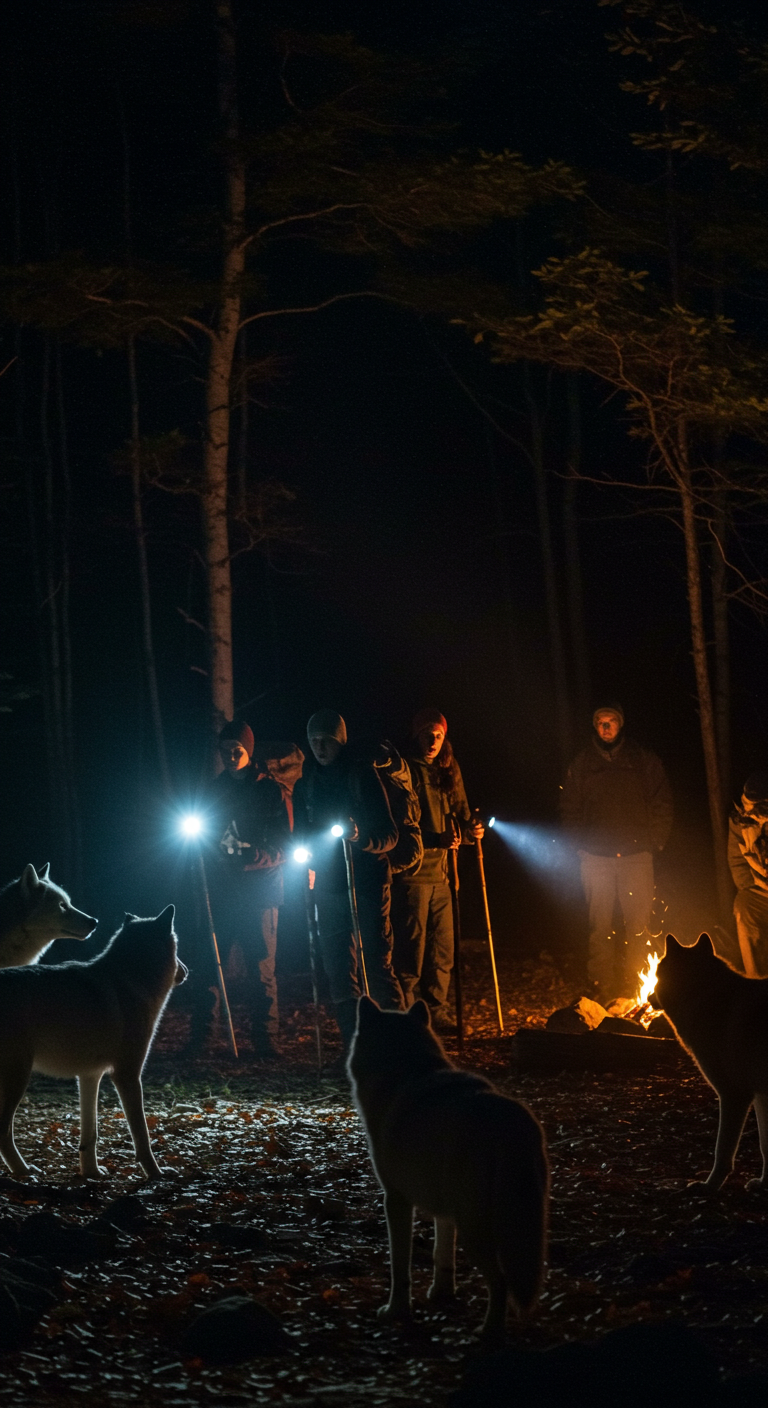
Stay calm and inside your tent. Make noise by clapping or using a whistle. Shine your flashlight toward the wolf to scare it away. Don’t go outside unless necessary, and avoid leaving food or garbage around your tent.
Is It Safe To Camp With Dogs In Wolf Country?
It’s possible, but keep dogs on a leash at all times. Never let them roam, especially at dawn or dusk when wolves are most active. Feed pets away from your tent and clean up all pet food. Remember, unleashed dogs can attract wolves and cause problems.
How Can I Tell If A Wolf Is Sick Or Dangerous?
A healthy wolf avoids people. A wolf that acts unafraid, aggressive, or confused could be sick (possibly with rabies). Signs include stumbling, drooling, or not responding to loud noises. If you see this, leave the area and report it to park authorities.
Are Wolves More Dangerous Than Bears While Camping?
Statistically, bears cause more injuries to campers than wolves. Wolves are shy and rarely attack people. Following basic safety rules protects you from both animals. For more on wildlife safety, check the National Park Service’s wildlife safety tips.
What Should I Do If I Find A Wolf Den Near My Campsite?
Leave immediately and move your camp at least half a mile away. Wolves are most aggressive near dens with pups and may try to scare you off. Never try to look at or photograph wolf pups.
Camping in wolf country is a unique adventure. By learning how to avoid attracting wolves and knowing what to do if you see one, you can stay safe and enjoy the wild. Most wolf encounters end with the animal leaving quietly.
Respect their space, keep your camp clean, and you’ll help protect both yourself and these amazing animals for years to come.
