
Camping on the side of a mountain is not just for elite climbers. With the right knowledge, gear, and planning, regular outdoor lovers can experience the thrill of sleeping on a steep slope or cliff. This kind of camping, often called “vertical camping” or “portaledge camping,” brings unique challenges and unforgettable views.
If you’re curious how people manage to eat, sleep, and stay safe while suspended hundreds or even thousands of feet above the ground, keep reading. This guide will explain the essentials, offer tips, and share insights you won’t find in basic articles.
What Is Mountain Side Camping?
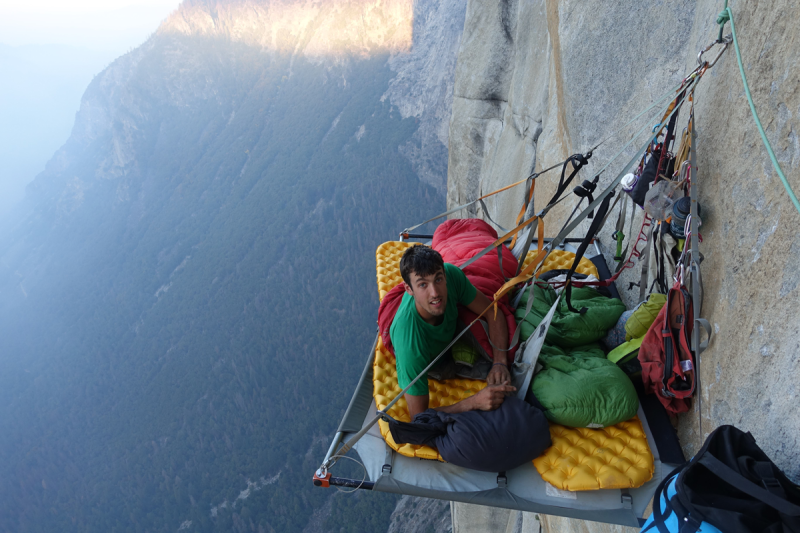
Mountain side camping means sleeping on a steep incline, rock face, or cliff during a climb. It’s common in big wall climbing, where routes take several days. Campers often use special platforms called portaledges—portable ledges that hang from anchors in the rock. In some cases, climbers find small natural ledges or carve out spots in snow or ice.
This style of camping is different from camping on flat ground. Gravity, exposure to weather, and limited space are big factors. Mistakes can be dangerous, so climbers use specialized skills and equipment to stay safe.
Essential Gear For Mountain Side Camping
You can’t just bring a regular tent and sleeping bag. Vertical camping needs purpose-built gear designed for safety and comfort in extreme conditions.
| Gear | Purpose | Key Features |
|---|---|---|
| Portaledge | Sleeping platform | Lightweight, strong frame, fabric bed, secure attachment points |
| Climbing harness | Personal safety | Padded, adjustable, gear loops |
| Anchors & ropes | Securing portaledge and people | Dynamic/static ropes, cams, nuts, bolts |
| Sleeping bag & pad | Warmth and comfort | Compact, insulated, fits portaledge size |
| Bivy sack or fly | Weather protection | Waterproof, windproof, easy to set up |
| Personal items | Daily needs | Headlamp, food, water, waste bags, small stove |
Two beginner mistakes: Forgetting a weatherproof fly for the portaledge and bringing a sleeping bag that’s too bulky for the limited space.
Setting Up Camp On A Mountain Side
The process of setting up your camp on a steep face is careful and methodical. You can’t rush, especially if the weather is unpredictable or daylight is limited.
Steps For Setting Up
- Choose a safe location: Look for a section with solid rock for strong anchor placement, away from loose rocks or water runoff.
- Install anchors: Use cams, nuts, or bolts to create multiple points of security. Always check the integrity of your placements.
- Hang the portaledge: Attach the portaledge to your main anchor. Double-check all connections before loading your weight onto it.
- Add the fly or bivy: If rain or wind is possible, install the weather protection before unpacking sleeping gear.
- Organize your space: Clip gear bags, water, and food to reachable spots. Keep essentials within arm’s reach to avoid risky moves at night.
Example: Yosemite’s El Capitan
Many climbers on El Capitan in Yosemite National Park spend two to five nights on the wall. They set up portaledges 1,000 feet or more above the ground, using well-practiced routines to stay safe and efficient.
Sleeping And Eating On A Vertical Face
Sleeping on a mountain side is very different from a night in a forest tent. The portaledge feels secure but may move with the wind or your movements. Most people keep their harness on, sometimes clipped to the anchor, for extra safety.
Sleep Tips
- Use a sleeping pad for comfort and insulation.
- Wear a beanie or hat for warmth—cold air moves fast at altitude.
- Keep small essentials like a headlamp and snacks in a chest pocket.
Eating
Cooking is simple and cautious. Most climbers use a small hanging stove or eat ready-to-eat meals. Dropping food or gear can be a big problem—everything should be attached with slings or cords.
Non-obvious insight: Many experienced climbers pre-cut food into bite-size pieces before the climb. This makes eating easier when you’re wearing gloves or have limited mobility.
Dealing With Bathroom Needs
One of the most common questions: how do people go to the bathroom on a cliff? The answer is with waste bags or portable toilet systems, often called “wag bags.” These seal tightly and are carried out with the climber to avoid polluting the environment.
Hygiene Strategies
- Use waste bags for both solid and liquid waste.
- Pack wet wipes for cleaning hands and surfaces.
- Store used bags in a separate, sealed compartment.
In some locations, there are strict regulations about human waste. In national parks, leaving waste behind can mean heavy fines and damage to fragile ecosystems.
Safety Considerations
Vertical camping is safe when the right steps are followed, but the risks are real. Rockfall, weather changes, and anchor failure are the biggest dangers.
Risk Management
- Always use redundant anchors (more than one point).
- Double-check knots and connections before moving around.
- Monitor the weather—storms can be much more dangerous on a wall.
- Communicate with your climbing partner before making any changes.
Key data: According to a study from the American Alpine Club, most climbing accidents happen due to human error—rushing, skipping safety checks, or miscommunication.

Weather And Environmental Challenges
High walls and exposed faces can create extreme weather conditions. Sun, wind, and rain all feel stronger when you’re not protected by trees or valleys.
| Weather Challenge | Effect on Campers | Best Solution |
|---|---|---|
| Strong wind | Shakes portaledge, increases cold | Secure fly, wear windproof layers |
| Rain/snow | Soaks gear, reduces safety | Use waterproof fly and dry bags |
| Sun exposure | Dehydration, sunburn | Wear sunscreen, drink extra water |
| Sudden storms | Lightning, hypothermia risk | Check forecast, retreat if needed |
Climbers often plan their ascent and camps around weather windows. It’s common to wait at the base for days until conditions are safe for both climbing and camping.
Training And Preparation
You can’t just learn to camp on a mountain side by reading an article. Hands-on training is vital. Most climbers practice anchor building, portaledge setup, and emergency skills on the ground before trying a real wall.
Preparation Checklist
- Take a multi-day climbing course with experienced guides.
- Practice setting up and sleeping in a portaledge at a low height.
- Learn rescue techniques, such as self-rescue and partner rescue.
- Pack light but don’t skip critical safety gear.
Pro tip: Simulate the experience in your backyard or at a climbing gym. Spend a night in your harness and portaledge to find gear issues before you’re far from help.
Environmental Ethics
Vertical camping can have a big impact on mountain environments. Popular routes show signs of human use—litter, broken plants, and waste buildup.
Leave No Trace Principles
- Carry out all waste, including human waste and trash.
- Avoid damaging rock or vegetation when placing anchors.
- Use existing anchor spots (bolts, holes) when possible.
- Minimize noise and lights to protect wildlife and other climbers.
Some climbing areas now require permits and track overnight stays to reduce damage. For more on responsible camping, visit the National Park Service’s Leave No Trace page.
Famous Places For Vertical Camping
Certain locations around the world are known for their big walls and vertical camping culture. Here are three of the most famous:
| Location | Country | Height | Notes |
|---|---|---|---|
| El Capitan | USA | 3,000 feet | Yosemite’s iconic big wall |
| Torre Central | Chile | 4,000 feet | Paine massif, Patagonia |
| Trango Towers | Pakistan | Over 4,000 feet | Steep, technical climbs in Karakoram |
Climbers from around the world travel to these cliffs to test their skills and experience a night “in the sky. ”

Common Mistakes And How To Avoid Them
Many first-time vertical campers make errors that can turn a dream trip into a disaster. Here are the most common, and how to avoid them:
- Improper anchor setup: Not using enough anchors or placing them in weak rock. Solution: Always use at least two strong anchors and test each placement.
- Overpacking: Bringing too much gear makes climbing harder. Solution: Only pack multi-use items and plan food carefully.
- Ignoring weather forecasts: Sudden storms catch many people unprepared. Solution: Check forecasts for the whole climb, and have a retreat plan.
- Not securing loose items: Dropping gear is both dangerous and expensive. Solution: Attach everything with slings or carabiners.
- Skipping training: Trying a big wall without practice is risky. Solution: Train with experts before your first vertical camp.
Non-obvious insight: Use small elastic cords or “keeper cords” to tether every small item—even a dropped spoon can be a big problem when you’re 1,000 feet up.
Is Mountain Side Camping For Everyone?
Vertical camping is not for the faint of heart. It requires a good level of fitness, mental strength, and a willingness to accept risk. However, with the right training and preparation, it’s possible for many people—not just elite athletes.
Begin with easier climbs and short overnight trips, then build up to bigger walls. If you’re unsure, hire a guide or join a course to learn in a safe environment.
The reward? Waking up to the sunrise from a cliff face, with no one else around, is a memory you’ll never forget.
Frequently Asked Questions
How Do You Stay Safe While Camping On A Mountain Side?
You stay safe by using redundant anchors, checking all knots and gear connections, keeping your harness on while sleeping, and watching the weather. Training and careful planning are also key.
What Is A Portaledge And How Does It Work?
A portaledge is a portable, collapsible platform that hangs from the rock face using anchors and climbing ropes. It gives climbers a flat surface to sleep on while suspended above the ground.
Can You Cook While Camping On A Cliff?
Yes, but with great care. Most climbers use a small hanging stove or eat cold, ready-to-eat meals. All cooking gear must be attached to prevent drops, and open flames are used with caution.
What Do You Do If The Weather Gets Bad?
If bad weather hits, climbers use their weatherproof fly, secure all gear, and may wait out the storm. In some cases, they retreat to a safer spot if possible. Checking forecasts before the climb helps avoid surprises.
Is It Possible For Beginners To Try Vertical Camping?
With training and guidance, beginners can try vertical camping on shorter, less exposed walls. It’s important to practice setup and safety skills on the ground before sleeping on a real cliff.
Camping on the side of a mountain is an adventure that combines challenge, risk, and beauty. With knowledge, preparation, and respect for nature, it’s an experience that leaves a lasting mark on anyone brave enough to try it.
