Planning a camping trip to New Zealand? One of the first questions on your mind is probably, “How much will it cost?” Whether you’re dreaming of pitching a tent by a crystal-clear lake or parking your campervan under starry skies, knowing the costs ahead can help you budget better and avoid surprises.
You’ll discover the real expenses of camping in New Zealand—from campsite fees to gear rentals—and learn tips to save money without missing out on the adventure. Keep reading to make your New Zealand camping trip both amazing and affordable.
Camping Types In New Zealand
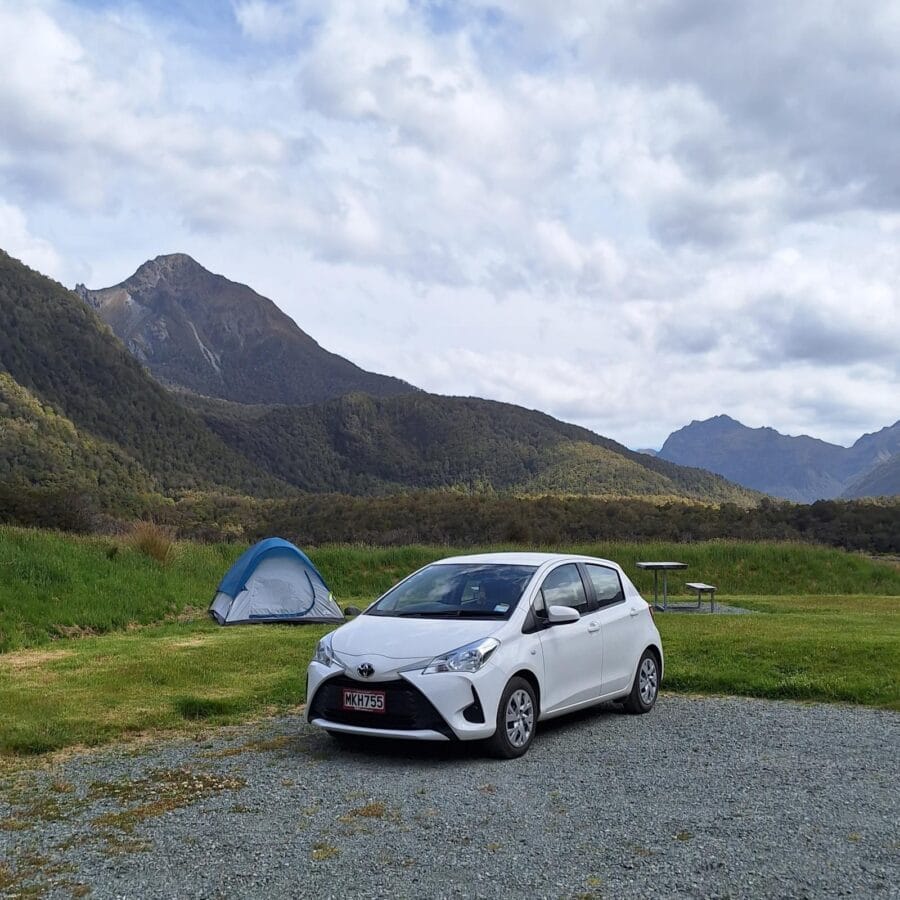
Camping in New Zealand offers many options for travelers. Each type suits different budgets and preferences. Understanding the camping types helps plan your trip better. You can choose from government-run sites, holiday parks, freedom camping, and private campsites. Each offers unique experiences and costs.
Department Of Conservation Sites
Department of Conservation (DOC) sites are popular for nature lovers. These sites are often in scenic locations like national parks. They offer basic facilities such as toilets and water. DOC campsites are affordable, with fees usually under $10 per night. Some sites require a booking, while others work on a first-come, first-served basis. Staying here means close contact with New Zealand’s wilderness.
Holiday Parks And Campgrounds
Holiday parks provide more comfort and services. They have powered sites for caravans and tents. Facilities include showers, kitchens, and laundry. Prices range from $15 to $50 per night, depending on the location and amenities. These parks are great for families or travelers wanting more convenience. Many parks offer free Wi-Fi and playgrounds for children.
Freedom Camping Spots
Freedom camping means camping outside designated areas. It is usually free or very cheap. Many spots are near beaches, lakes, or forests. Rules vary by region, and some places require a permit. Always check local signs and regulations before camping. Responsible campers leave no trace and respect the environment. Freedom camping suits those who want adventure on a tight budget.
Private Campsites And Farmstays
Private campsites and farmstays offer unique experiences on farms or private land. These sites often provide extra activities like farm tours or horseback riding. Prices vary widely, from $20 to $60 per night. These places give a taste of rural New Zealand life. They often include basic facilities and sometimes meals. Perfect for travelers seeking quiet and local culture.
)
Average Costs For Campsites
Campsite prices in New Zealand vary depending on the type of site and facilities. Travelers can find options that fit many budgets. Knowing the average costs helps plan a camping trip without surprises.
Budget Campsites
Budget campsites often cost between $10 and $20 per night. These sites usually offer basic facilities like toilets and water taps. Some are run by the Department of Conservation and are very affordable. Perfect for travelers who want to save money and stay close to nature.
Mid-range Options
Mid-range campsites typically charge $25 to $50 per night. These sites have more amenities such as powered sites, showers, and cooking areas. Many holiday parks fall into this category. They provide a good balance between comfort and cost.
Luxury Camping Experiences
Luxury camping or glamping sites cost $80 or more per night. These spots offer high-end facilities like private bathrooms, kitchens, and sometimes even spa services. Ideal for campers who want comfort with a touch of nature. These sites usually have beautiful views and exclusive locations.
Gear And Equipment Expenses
Camping gear and equipment form a big part of your budget for a New Zealand trip. The right gear keeps you safe, warm, and comfortable outdoors. Costs vary a lot depending on what you need and how long you stay.
Planning your gear expenses helps avoid surprises. You can spend less by choosing wisely and knowing what is essential.
Essential Camping Gear
Basic camping gear includes a tent, sleeping bag, and sleeping mat. These keep you dry and comfortable at night. A portable stove and cooking utensils let you prepare meals easily. Clothes for changing weather are a must. Flashlights or headlamps help you see after dark. All these items add up but are important for a good camping experience.
Buying Vs Renting Equipment
Buying gear can be expensive at first. But it pays off if you camp often or stay long. Renting gear lowers upfront costs and saves space in your luggage. Rental shops in New Zealand offer tents, stoves, and more. Choose renting for short trips or to test gear before buying. Weigh the cost and convenience before deciding.
Costs Of Specialized Gear
Specialized gear includes items like GPS devices, hiking poles, or high-tech sleeping bags. These cost more but improve safety and comfort in tough conditions. Think about your trip type and weather before buying. Sometimes basic gear works well enough. Specialized gear suits those doing serious hiking or camping in remote areas.
Transport And Travel Costs
Travel and transport costs play a big role in your camping budget in New Zealand. The country is large, and campsites can be far apart. Knowing transport expenses helps plan your trip better. It also prevents surprises with your spending.
Getting To Campsites
Reaching campsites often means driving. Many places are far from cities. Public transport is limited in remote areas. Renting a car or campervan is common. Some campsites require a 4WD vehicle. Walking or biking is an option but only for short distances.
Vehicle And Campervan Rentals
Rental prices vary by vehicle type and season. Small cars cost less than campervans. Campervans include sleeping and cooking gear. They save money on accommodation. Booking early can lower rental costs. Some companies charge extra for young drivers. Insurance is an added cost to consider.
Fuel And Maintenance Expenses
Fuel prices in New Zealand are higher than in many countries. Long distances mean more fuel use. Diesel vehicles may be more fuel-efficient. Regular maintenance keeps your vehicle safe. Unexpected repairs can increase costs. Plan a fuel budget based on your route. Carrying spare tires and tools is wise for long trips.
Food And Cooking Budget
Planning your food and cooking budget is key for camping in New Zealand. Food costs can vary depending on your choices. Preparing meals yourself often saves money. Knowing where to buy groceries and what to cook helps keep costs low. This section breaks down food expenses for campers.
Groceries And Supplies
Supermarkets in New Zealand are well stocked. You can find fresh produce, meat, and pantry staples easily. Popular chains include Countdown, New World, and Pak’nSave. Prices vary but Pak’nSave is usually cheaper. Buying in bulk can save money for longer trips. Don’t forget basics like cooking oil, spices, and snacks. Camping gear stores also sell portable stoves and utensils if needed.
Eating Out Vs Cooking
Eating out is convenient but costs more. A meal at a cafe or restaurant can cost $15 to $30 or more. Fast food is cheaper but still adds up. Cooking your own meals reduces daily expenses. Many campgrounds have kitchen facilities or BBQ areas. Cooking also lets you control your diet and try local ingredients. Balancing eating out and cooking keeps the budget flexible.
Affordable Meal Ideas
Simple meals work best for camping. Pasta with tomato sauce and vegetables is easy and filling. Rice and beans provide protein and energy. Sandwiches with fresh veggies and cheese make quick lunches. Instant oatmeal or cereal are good breakfast options. Snacks like fruit, nuts, and crackers are budget-friendly. Planning meals ahead avoids waste and extra costs.

Permits And Fees
Camping in New Zealand often requires permits and fees. These help protect the natural environment and keep the parks clean. Understanding these costs can help plan your camping trip better. Some spots need special permission before you camp. Other areas ask for entry fees or extra charges.
Camping Permits
Many popular camping sites need a permit. You must get these permits before setting up camp. Some places allow online booking, which is quick and easy. Permits limit the number of campers to protect nature. Prices vary, but most are affordable. Always check the rules for each site.
Park Entry Fees
Some parks charge an entry fee to visitors. This fee helps maintain trails and facilities. Not all parks have this fee. National parks often ask for a small daily or annual pass. You can pay at the park entrance or online. Keep your ticket with you during the visit.
Additional Charges
Extra fees may apply for certain activities or services. For example, hot showers or powered sites may cost more. Some remote areas charge a fee for waste disposal. Guided tours or equipment rental also add to costs. Plan your budget to include these extras.
Money-saving Tips
Camping in New Zealand can fit many budgets. Saving money helps you enjoy more time outdoors. Small changes make a big difference in costs. Below are practical tips to keep your trip affordable.
Booking Strategies
Book campsites early to get lower prices. Many popular spots fill fast in peak season. Try mid-week stays for cheaper rates. Avoid last-minute bookings that often cost more. Use websites that compare campground prices easily.
Using Discounts And Passes
Look for discount cards for campers. Some regional passes offer lower fees at multiple sites. Senior citizens and students often get special rates. Join camping clubs to access exclusive deals. Always ask campsite staff about possible discounts.
Free And Low-cost Activities
Explore public parks and trails for free fun. Many beaches and forests have no entry fees. Visit local markets and festivals without spending much. Fishing and swimming often cost nothing. Bring your own gear to avoid rental charges.
Frequently Asked Questions
How Much Does Camping In New Zealand Usually Cost?
Camping costs in New Zealand vary from free to $20 per night. Department of Conservation (DOC) sites are affordable and well-maintained. Holiday parks or private campgrounds can cost between $15 and $50, depending on facilities and location.
Are There Free Camping Options In New Zealand?
Yes, New Zealand offers many free camping spots, especially on public land. Freedom camping is allowed with restrictions. Always check local rules and respect the environment to avoid fines.
What Are The Average Costs For Camping Gear Rentals?
Camping gear rental in New Zealand typically costs $30 to $70 per day. Prices depend on the equipment type and quality. Renting gear is convenient for travelers without their own equipment.
Is Camping Cheaper Than Staying In Hotels In New Zealand?
Camping is generally cheaper than hotels, especially for long stays. It offers budget-friendly options for travelers and access to nature. Hotels cost significantly more, especially in tourist hotspots.
Conclusion
Camping in New Zealand can fit many budgets. You can choose free sites or paid campgrounds. Costs depend on location, facilities, and season. Planning ahead helps save money and time. Simple gear and local spots lower expenses. Enjoy nature without spending too much.
Adventure and comfort can go hand in hand. Camping offers a great way to explore New Zealand affordably. Pack smart, plan well, and have fun outdoors!
