
Are you curious about the real difference between camping and glamping? Maybe you’ve heard these words tossed around but aren’t quite sure what sets them apart.
Whether you’re planning a weekend getaway or just exploring your options, understanding these two styles of outdoor living can help you pick the perfect experience for your next trip. Keep reading to discover how camping and glamping each offer unique ways to connect with nature—and which one might be just right for you.
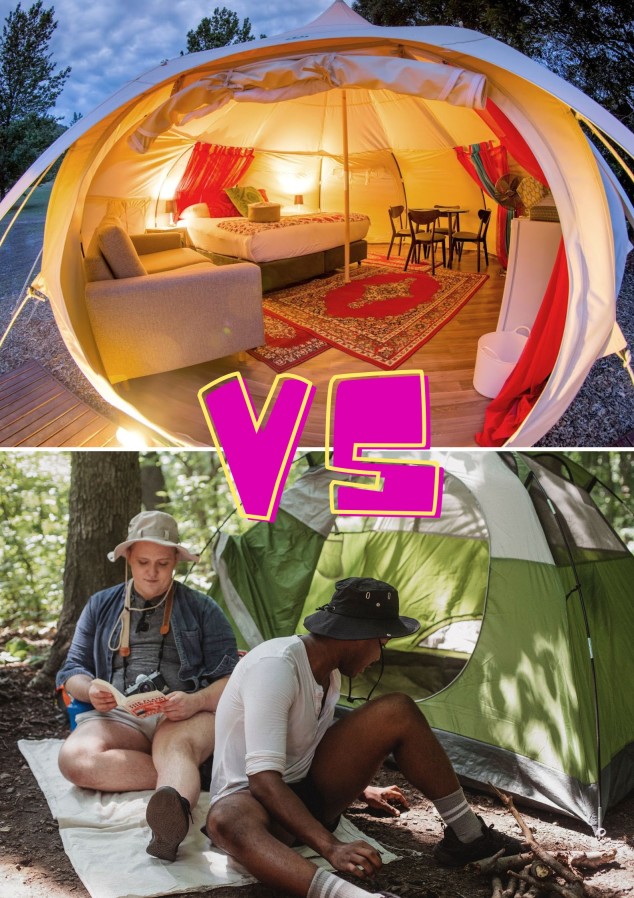
Camping Basics
Camping basics help you understand the core experience of spending time outdoors. It means living close to nature with simple equipment and a lot of fresh air. You learn to enjoy the outdoors without many comforts of home.
Camping brings people closer to nature. It teaches survival skills and builds a sense of adventure. The experience is raw and often involves teamwork and planning.
Traditional Camping Setup
Traditional camping means setting up a tent in a natural area. You find a flat spot, clear the ground, and pitch your tent. Campers use sleeping bags and mats to stay warm and comfortable. A campfire often becomes the heart of the campsite, used for cooking and warmth.
Common Camping Activities
Camping includes activities like hiking, fishing, and exploring. People enjoy telling stories around the campfire. Wildlife watching and stargazing are popular pastimes. These activities make the outdoor experience rich and fun.
Essential Camping Gear
You need basic gear to camp safely. A sturdy tent, sleeping bag, and camping stove are key items. A flashlight, first aid kit, and water container are also important. Proper clothing helps protect from weather changes. Good gear makes camping easier and safer.

Glamping Essentials
Glamping blends outdoor adventure with comfort and style. It offers a unique way to enjoy nature without giving up modern luxuries. Understanding glamping essentials helps explain why it feels different from regular camping.
Glamping focuses on comfort, style, and ease. The experience includes more than just a tent and sleeping bag. It brings special features and unique stays that make outdoor living enjoyable and easy.
Luxury Accommodations
Glamping accommodations go beyond simple tents. They include yurts, cabins, treehouses, and safari tents. These options come with beds, furniture, and sometimes heating or air conditioning. They create a cozy and inviting space in nature.
Unique Glamping Experiences
Each glamping site offers something special. Some locations have stunning views or unusual settings. Others include private hot tubs, fire pits, or outdoor kitchens. These touches make the stay feel personal and memorable.
Convenience And Comfort Features
Glamping provides easy access to comforts. Many sites offer electricity, running water, and Wi-Fi. Bathrooms may be private or shared but are clean and well-maintained. These features reduce hassle and increase relaxation.
Comparing Camping And Glamping
Camping and glamping both offer ways to enjoy nature. Each has unique features. Understanding their differences helps pick the right choice. Below are key points that compare camping and glamping.
Cost Differences
Camping usually costs less. You need basic gear like a tent and sleeping bag. Campsites are often cheap or free.
Glamping costs more. It includes luxury tents or cabins with beds and electricity. Prices cover comfort and extra services.
Accessibility And Location
Camping sites may be remote and harder to reach. You might need to hike or drive on rough roads.
Glamping spots are often near popular areas. They offer easier access and better facilities for all ages.
Environmental Impact
Camping can have a low impact if done carefully. It encourages simple living and nature respect.
Glamping uses more resources like power and water. Some sites work to reduce waste and use green energy.

Choosing Between Camping And Glamping
Choosing between camping and glamping depends on your style and needs. Each option offers a unique way to enjoy nature. Understanding your preferences helps you pick the best experience. Consider what suits your comfort level and adventure goals.
Personal Preferences
Think about how much comfort you want. Camping involves tents and basic gear. Glamping means staying in more luxurious setups. Some enjoy roughing it outdoors. Others prefer a cozy, ready-made space. Your choice reflects how you like to relax.
Weather And Season Considerations
Weather can change your plans. Camping needs more preparation for rain or cold. Glamping usually offers better shelter and heating. Choose camping in mild weather for a true outdoor feel. Pick glamping if you want protection from harsh conditions.
Group Size And Activities
The number of people affects your choice. Camping suits small groups who like teamwork. Glamping works well for larger groups or families. Activities also matter. Camping fits hiking and cooking over fire. Glamping often includes extras like hot tubs or guided tours.
Tips For First-time Campers And Glampers
Trying camping or glamping for the first time can be exciting and a bit overwhelming. Both offer a chance to enjoy nature but in very different ways. Knowing some tips helps make the experience smooth and fun. This section shares useful advice for first-time campers and glampers.
Packing Essentials
Pack simple and light. Campers need a tent, sleeping bag, and flashlight. Bring warm clothes and rain gear. Glampers may pack fewer outdoor tools but should bring comfortable shoes and personal items. Always include sunscreen, insect repellent, and a first aid kit.
Safety Measures
Stay aware of your surroundings. Campers must know how to set up tents safely and handle fire carefully. Keep food sealed to avoid animals. Glampers should check the site rules and emergency contacts. Both should keep a phone charged and share their plans with someone at home.
Maximizing Enjoyment
Plan simple activities like hiking or stargazing. Campers can try cooking over a campfire. Glampers can enjoy guided tours or spa services if available. Take time to relax and listen to nature. Avoid rushing and enjoy every moment outdoors.
Frequently Asked Questions
What Distinguishes Camping From Glamping?
Camping involves traditional outdoor living with basic gear. Glamping offers luxury accommodations and amenities, blending nature with comfort. Camping focuses on simplicity and self-sufficiency, while glamping emphasizes convenience and style in natural settings.
Is Glamping More Expensive Than Camping?
Yes, glamping is generally more expensive due to added comforts like beds and electricity. Camping costs are lower since it involves basic equipment and self-preparation. Prices vary based on location and amenities offered.
Can Beginners Try Glamping Instead Of Camping?
Glamping is ideal for beginners seeking outdoor experience without rough conditions. It requires less skill and gear than camping. Beginners enjoy comfort and safety while still connecting with nature.
Do Both Camping And Glamping Involve Outdoor Activities?
Yes, both encourage outdoor activities like hiking, fishing, and exploring. Camping offers a raw, immersive experience. Glamping combines adventure with leisure, allowing relaxation in comfortable surroundings.
Conclusion
Camping and glamping both offer unique outdoor experiences. Camping is simple and close to nature. Glamping adds comfort and style to the outdoors. Each suits different tastes and needs. Choose what fits your adventure mood. Enjoy the fresh air and peaceful surroundings.
Both ways create lasting memories. Try both to see what you like best. Nature welcomes everyone, in many ways.
