
Camping brings people closer to nature, offering peace, fun, and adventure. But the outdoors can also surprise us with emergencies. Far from hospitals and doctors, a simple accident can quickly turn serious. In these critical moments, cardiopulmonary resuscitation (CPR) becomes more than a skill—it can be the difference between life and death. Many campers do not realize how fast a medical situation can escalate in the wild. Knowing CPR is not just useful; it’s essential for anyone who loves the outdoors.
The Unique Risks Of Camping
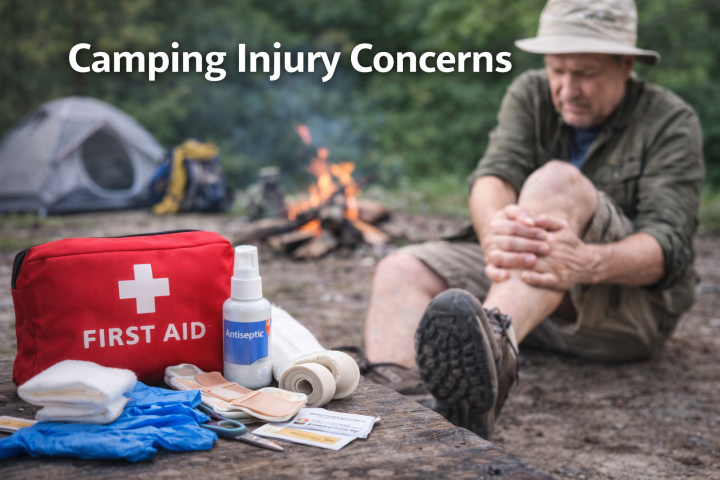
Camping means leaving behind the safety net of city life. Remote locations, unpredictable weather, and wild animals all add risk. Even simple activities like hiking, swimming, or cooking over a fire can lead to unexpected injuries.
- Slips and falls: Wet rocks, uneven paths, or climbing trees can cause serious injuries.
- Drowning: Lakes and rivers are common at campsites. A fall into water can quickly become dangerous if someone cannot swim or hits their head.
- Fires and burns: Campfires are fun, but burns from hot coals or cooking accidents happen more often than people think.
- Allergic reactions and animal bites: Bee stings, snake bites, or allergic reactions can cause the throat to close, stopping normal breathing.
In each of these cases, someone may stop breathing or their heart may stop. That’s when CPR is needed.
What Is Cpr And How Does It Work?
CPR is a simple medical procedure. It involves pressing on the chest and giving breaths to someone whose heart or breathing has stopped. The goal is to keep blood and oxygen moving until professional help arrives.
How CPR works:
- Chest compressions push blood to the brain and heart, delaying brain damage.
- Rescue breaths give oxygen to the lungs if the person cannot breathe on their own.
When performed quickly and correctly, CPR can double or triple the chance of survival for someone in cardiac arrest.
Why Cpr Is Critical In Camping Emergencies
Outdoors, waiting for help can take a long time. In remote campsites, it’s common for emergency services to be hours away. Here’s why CPR is so important:
Delayed Emergency Response
In cities, ambulances usually arrive in 8-12 minutes. In the wild, it could be 30 minutes, an hour, or more. The brain begins to die after 4-6 minutes without oxygen. CPR is the only way to keep someone alive until professionals arrive.
No Immediate Medical Equipment
At home or in public places, Automated External Defibrillators (AEDs) are sometimes available. In the woods, you must rely on your own hands. CPR is simple, requires no tools, and can be done anywhere.
Group Responsibility
Campers are often in small groups. If one person is hurt, the rest must act. Knowing CPR turns a group of friends into a team capable of saving a life.
Common Camping Accidents That Need Cpr
Let’s look at real-life examples where CPR is needed in the outdoors:
- Near drowning: A swimmer goes under and does not come up. After rescue, they are not breathing.
- Falling accidents: Someone falls from a height, loses consciousness, and their heart stops.
- Severe allergic reaction: A camper is stung by bees and has trouble breathing, then collapses.
- Heart attack: Even young, healthy people can have sudden heart problems, especially during strenuous hikes.
In all these cases, CPR is the first line of defense.
Data: Survival Rates With And Without Cpr
Understanding the impact of CPR is easier with real numbers. The following table compares survival rates for cardiac arrest in the wilderness, with and without CPR:
| Situation | Chance of Survival (No CPR) | Chance of Survival (With CPR) |
|---|---|---|
| Cardiac Arrest (Wilderness) | Less than 5% | 15-30% |
| Near Drowning | 8% | Up to 25% |
As these numbers show, immediate CPR gives a much better chance of survival.
Practical Steps: How To Give Cpr In The Outdoors
Knowing CPR is one thing; doing it outdoors is another. Here are step-by-step instructions for performing CPR when camping:
- Check safety: Make sure it’s safe for you to help (no fire, falling rocks, or wild animals).
- Check for response: Tap the person and shout. If there’s no response, move to the next step.
- Call for help: If someone is with you, send them to call 911 using a cell phone or go for help.
- Open the airway: Tilt the head back gently and lift the chin.
- Check for breathing: Look, listen, and feel for breath for 10 seconds.
- Start chest compressions: Place your hands, one on top of the other, in the center of the chest. Push hard and fast—about 100-120 times per minute.
- Give rescue breaths (if trained): Pinch the nose, make a seal over the mouth, and give 2 breaths after every 30 compressions.
- Continue CPR: Do not stop until the person wakes up, help arrives, or you are too tired to continue.
Tips For Outdoor Cpr
- Use a firm surface like a flat rock, picnic table, or the ground.
- If alone, focus on hands-only CPR (chest compressions only) until help arrives.
- Protect yourself from the elements—try to move the person out of rain or direct sun if possible.
Non-obvious Insights For Campers
Many campers believe accidents are rare or that someone else will know what to do. Here are two key points often missed:
- Panic is common: In emergencies, even trained people can freeze. Practicing CPR ahead of time makes it easier to act under stress.
- Partial CPR is better than none: Even imperfect chest compressions help. If you forget rescue breaths or are too nervous, keep pushing the chest. Doing something is always better than doing nothing.
Why Every Camper Should Learn Cpr
The benefits of knowing CPR go far beyond safety. Here’s how it changes your camping experience:
- Peace of mind: You feel more confident exploring remote places.
- Leadership: Friends and family trust you to handle emergencies.
- Faster response: You don’t waste precious minutes waiting for help or looking up instructions.
Many outdoor organizations now require CPR training for trip leaders. Some even offer discounts on camping insurance for people with first aid and CPR certificates.
Comparing Cpr Training Courses For Campers
Choosing the right course matters. The following table compares popular CPR training options for campers:
| Provider | Course Length | Outdoor Focus | Certification Validity |
|---|---|---|---|
| American Red Cross | 4 hours | Some courses | 2 years |
| Wilderness Medical Institute | 8-16 hours | High | 2 years |
| American Heart Association | 3-4 hours | Basic | 2 years |
For serious campers, a wilderness-specific course gives extra skills, like dealing with snake bites or moving injured people safely.
The Role Of First Aid Kits And Cpr
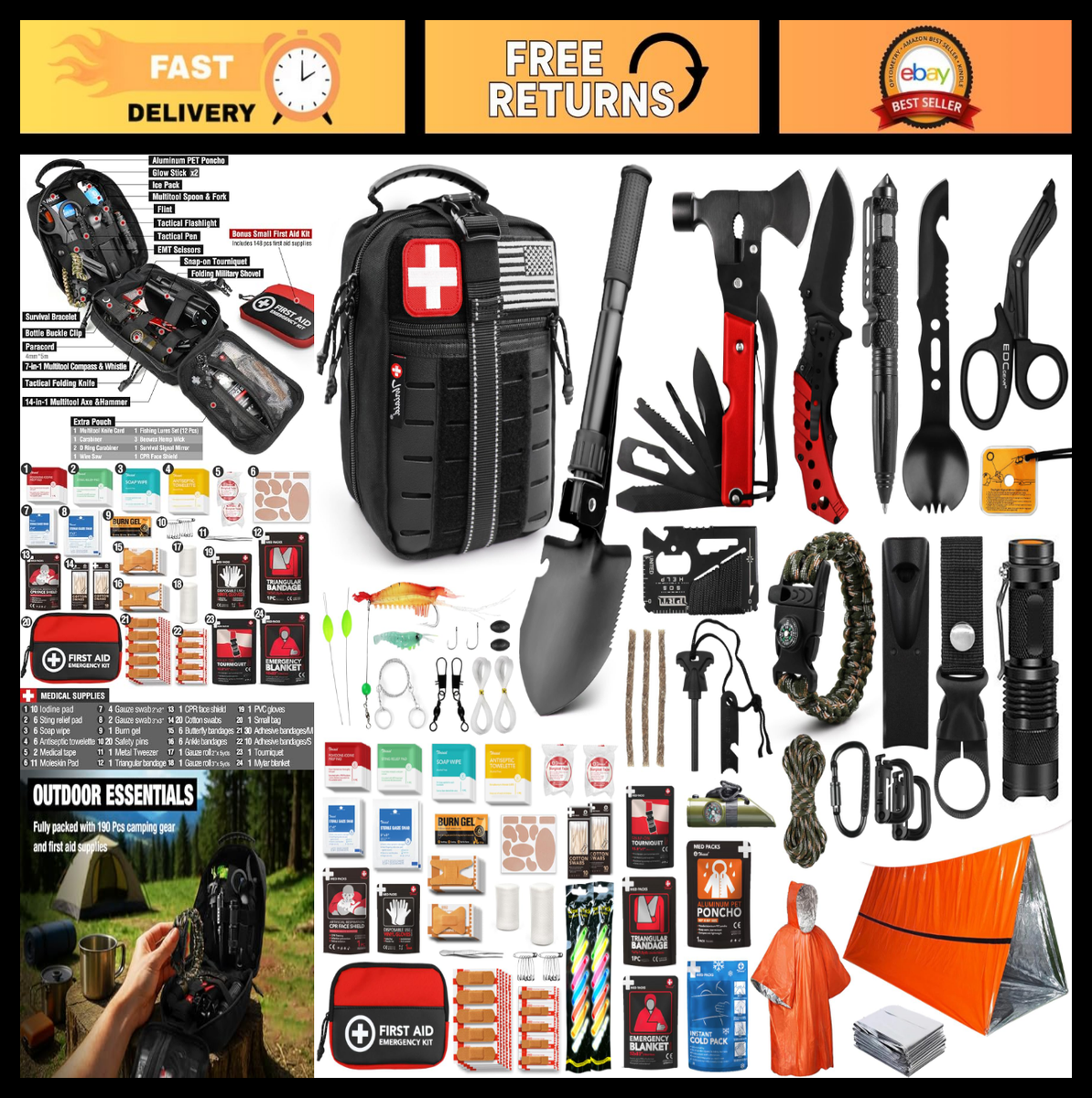
A good first aid kit is a must for every camping trip. But even the best kit cannot restart a heart. Still, some modern kits now include CPR masks or barrier devices to make rescue breaths safer and easier.
Essential Items For Cpr In Your Camping First Aid Kit
- CPR face shield or mask
- Nitrile gloves (for safety)
- Emergency blanket (to prevent shock)
- Waterproof instructions for CPR
Packing these items shows you’re ready for anything.
Myths And Misunderstandings About Cpr In Camping
Let’s clear up some common myths:
- “CPR is only for old people.” False. Cardiac arrest can happen at any age, especially after a fall, drowning, or allergic reaction.
- “I might hurt the person.” In an emergency, doing nothing is far riskier. Broken ribs can heal, but without CPR, brain damage starts quickly.
- “Someone else will do it.” In small groups, you may be the only one who knows what to do.
Understanding these truths helps campers act with confidence.

How To Practice Cpr Before Your Next Trip
Practicing CPR doesn’t mean you need a fancy dummy. Here are practical ways to prepare:
- Take a class with friends or family before your trip.
- Watch certified training videos from groups like the American Heart Association.
- Practice hand placement and chest pushes on a firm cushion at home.
- Review CPR steps regularly, especially before a long or remote camping trip.
Getting comfortable with the motions can help you act faster in a real emergency.
Real-life Examples: Cpr Saving Lives In The Wild
Stories from other campers highlight the power of CPR:
- A group in the Rockies saved a hiker struck by lightning by starting CPR immediately, keeping him alive until help arrived 40 minutes later.
- On a family camping trip, a child was pulled from a river and was not breathing. The quick action of a CPR-trained parent saved the child’s life.
- During a summer camp, a staff member collapsed from a sudden heart problem. Another counselor performed CPR, and the person survived with no brain damage.
These examples show that ordinary people with basic CPR skills can make a huge difference.
Extra Steps: Staying Prepared
Preparation does not end with learning CPR. Campers should also:
- Share plans and emergency contacts with someone at home.
- Carry a charged phone or a satellite messenger in case of emergency.
- Know the location of the nearest hospital or ranger station.
Being ready is about the whole group, not just one person.
Frequently Asked Questions
What Is The Most Common Reason For Cpr During Camping?
The most common reasons are drowning incidents, severe falls, or heart attacks caused by overexertion. Allergic reactions and choking are also frequent causes.
How Long Should I Perform Cpr If Help Is Far Away?
Continue CPR until the person wakes up, trained help arrives, or you are physically unable to go on. In remote areas, this may mean performing CPR for a long time—every minute counts.
Can I Do Cpr Alone Without Rescue Breaths?
Yes. If you are not comfortable or trained in giving rescue breaths, hands-only CPR (chest compressions) is still very effective and much better than doing nothing.
Do I Need Special Certification To Perform Cpr In The Wild?
No, anyone can perform CPR. However, taking a wilderness first aid course is strongly recommended for frequent campers or outdoor guides.
Where Can I Learn More About Cpr And Outdoor Emergencies?
You can find more information and local training courses at the American Red Cross website.
Being ready for the unexpected is part of the adventure. Learning CPR is the best way to protect yourself, your friends, and your family while enjoying the outdoors. With a little training and preparation, you can turn a camping trip into a safer, more confident experience—one where you’re prepared for anything nature brings.
