Every year, millions of people visit campgrounds across the country, seeking adventure, relaxation, or a break from city life. Whether you’re a first-time camper or a regular, you’ve probably wandered into a camp store—that small, sometimes charming shop at the heart of almost every campground. But have you ever wondered how often these camp stores change? Some seem to stay the same for years, while others look completely different each season. This question is more important than it seems, affecting not just campers but also camp owners, local suppliers, and even park management. Understanding how often camp stores change helps you plan better, avoid surprises, and maybe even get the best deals.
In this article, we’ll dive deep into the world of camp stores: how often they change, what drives these changes, and how it all impacts your camping experience. You’ll find real examples, expert insights, and some facts that most campers miss. Whether you love the nostalgia of a classic camp shop or prefer new products every season, this guide will help you see camp stores in a whole new way.
What Is A Camp Store?
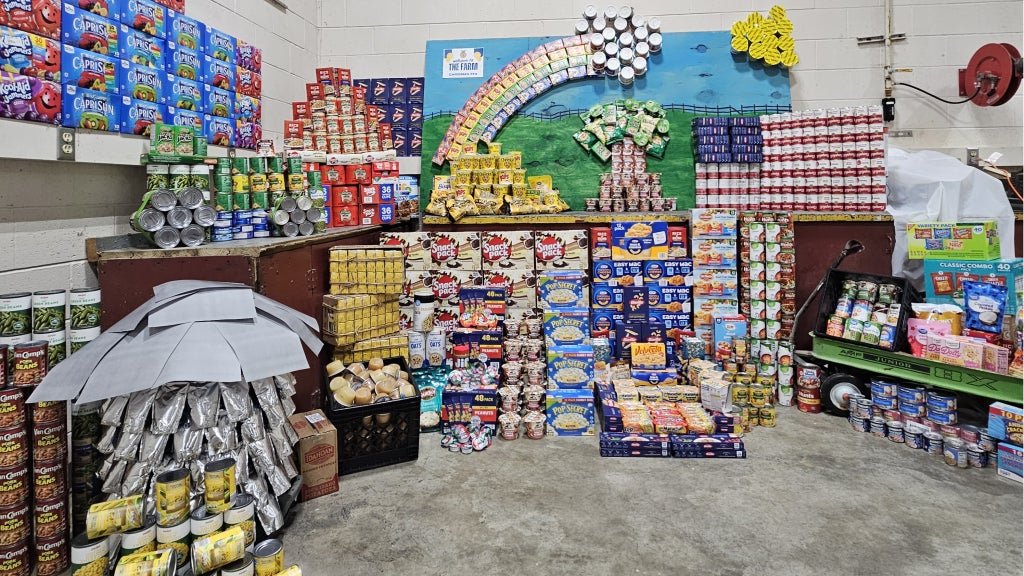
A camp store is a small retail shop located within or near a campground. These stores typically sell essentials like snacks, drinks, ice, firewood, camping gear, toiletries, and sometimes souvenirs. Some larger camp stores may offer fishing supplies, RV parts, or fresh food. Their main purpose is to serve campers who need items they forgot or run out of, or who want to buy local products or gifts.
Camp stores come in all shapes and sizes. Some are run by large chains, while others are family-owned and reflect the character of the local area. You’ll find them in national parks, state parks, private campgrounds, and even some RV parks.
Why Do Camp Stores Change?
Camp stores change for several reasons, and not all changes are obvious to visitors. Let’s look at the main factors:
1. Ownership Changes
When a campground is sold or a new manager takes over, the camp store often changes too. New owners may want to rebrand, improve profits, or meet the needs of a different type of camper. Sometimes, small private stores are replaced by bigger chains, and vice versa.
2. Seasonal Updates
Most campgrounds, especially in the US and Canada, operate seasonally. Stores might close for winter, then reopen in spring with new products, updated displays, or different staff. Seasonal changes also drive inventory updates—think bug spray in summer, hand warmers in fall.
3. Supplier And Product Changes
Camp stores depend on suppliers. If suppliers change brands, raise prices, or stop delivering, camp stores must find new products. Trends like plant-based foods, eco-friendly gear, or local crafts can also influence what’s on the shelves.
4. Policy And Regulation
Some camp stores are in parks managed by government agencies. New rules about plastic reduction, local sourcing, or health standards can force stores to change products, packaging, or even store layouts.
5. Customer Feedback And Demand
If enough campers ask for healthier snacks, gluten-free products, or better souvenirs, a smart camp store will adjust its offerings. Some changes are driven by surveys, online reviews, or direct feedback.
6. Renovations And Upgrades
Old camp stores sometimes get a facelift: new paint, better lighting, or a complete rebuild. These changes might come after years of the same look, or as part of a bigger campground upgrade.

How Often Do Camp Stores Change? (the Short Answer)
The frequency of change depends on the type of campground, who owns the store, location, and local demand. But here’s a general breakdown:
- Seasonal Inventory: Most camp stores change their inventory at least once per year, often before the main camping season starts.
- Ownership or Management: Major changes (ownership, rebranding, or full renovation) usually happen every 5–10 years for private campgrounds, but can be more frequent in competitive areas.
- Product Trends and Supplier Shifts: Small changes (snacks, drinks, new gear) can happen several times a year, depending on supply chains and camper feedback.
- Regulatory Updates: Changes due to new park or government rules happen less predictably, often every 2–5 years.
Most campers will notice at least small changes every year, with bigger changes every few years.
Camp Store Change Patterns By Campground Type
Not all camp stores are the same. Here’s how often they tend to change, depending on the location and ownership.
| Campground Type | Typical Store Change Frequency | Common Change Types |
|---|---|---|
| National Park Campgrounds | Every 3–5 years (major), seasonal (minor) | Contractor changes, new rules, product updates |
| State Park Campgrounds | Every 2–4 years (major), yearly (minor) | Local supplier shifts, seasonal stock, policy updates |
| Private Campgrounds (Franchise) | Every 1–3 years (major), seasonal (minor) | Brand updates, new management, market trends |
| Private Campgrounds (Independent) | Every 5–10 years (major), yearly (minor) | Owner-driven changes, renovations, local products |
| RV Parks | Every 3–7 years (major), yearly (minor) | RV supply updates, service upgrades, layout changes |
What Triggers Store Changes? Key Drivers Explained
Let’s take a closer look at what really triggers these changes. Sometimes, it’s obvious—like a new owner or a big renovation. Other times, the reasons are hidden.
Market Trends And Camper Preferences
Campers today are different from 10 years ago. Many want healthier snacks, organic products, or eco-friendly gear. Some expect Wi-Fi cards or phone charging stations. When a new trend grows, camp stores may update fast to keep up.
Example: In 2022, sales of plant-based foods in US convenience stores (including camp stores) grew by over 20%. If campers ask for these products, stores often add them within the next season.
Weather And Natural Events
A wildfire, flood, or storm can force a camp store to rebuild or restock. In some cases, stores are closed for months, then reopen looking completely different.
Supply Chain Issues
During the COVID-19 pandemic, many camp stores struggled to get basics like propane, toilet paper, or disinfectant wipes. This forced rapid changes to product lists and suppliers.
Regulatory And Environmental Policies
Some parks now ban single-use plastics or require local sourcing. In 2023, California State Parks introduced rules to reduce plastic packaging in stores. This caused many camp stores to switch to paper bags, glass bottles, and bulk dispensers.
Economic Pressures
Rising costs or falling visitor numbers can force a store to cut hours, reduce staff, or focus on higher-profit items. If a campground loses money, the store may close or be replaced by vending machines.
How Changes Impact The Camper Experience
You might wonder why it matters how often camp stores change. In reality, these changes can directly affect your camping trip.
Pros Of Frequent Changes
- Better product selection: New snacks, gear, and local items.
- Improved cleanliness or layout: Renovations often bring brighter, cleaner stores.
- More modern payment options: Upgrades may add credit card readers or mobile pay.
Cons Of Frequent Changes
- Loss of tradition: Some campers love the old-fashioned feel of classic stores.
- Confusing layouts: Frequent changes can make it hard to find familiar items.
- Higher prices: Newer stores or rare products can cost more.
Real Example
In 2019, a popular camp store in Colorado switched owners. The new team added organic foods and local crafts but removed some classic candy and fishing gear. Older campers missed the nostalgia, but younger families appreciated the new options.
How Camp Stores Decide What To Change
Behind every change is a mix of data, feedback, and sometimes just a hunch. Here’s how most camp stores decide:
- Sales Data: If a product sells well, it stays. If not, it’s replaced next season.
- Camper Surveys: Some parks ask for feedback at checkout or by email.
- Staff Observations: Store staff notice what people ask for but can’t find.
- Supplier Offers: Sometimes suppliers offer deals on new products, driving change.
- Local Community Input: Stores in small towns may respond to local requests or trends.
How Often Do Camp Stores Change Staff?
Staff turnover is another kind of change that can impact your experience.
- Seasonal Staff: Many camp stores hire local teens or students for the summer. Staff may change every year.
- Full-Time Managers: In bigger stores, managers may stay for years, but change if owners sell or retire.
- Training and Attitude: Staff changes can affect friendliness, knowledge, and service quality.
Renovations And Physical Changes: How Often?
Stores may update their look, shelving, or even location. Here’s a comparison of how often this happens:
| Type of Physical Change | Average Frequency | Example |
|---|---|---|
| Full Renovation | Every 7–10 years | New floors, lighting, expanded space |
| Minor Upgrades | Every 2–3 years | New shelves, paint, signage |
| Rebuild after Disaster | Unpredictable | Rebuilding after fire or flood |
How Camp Stores Compare To Other Small Retailers
Camp stores are unique, but they share some patterns with other small shops. Here’s a quick look:
| Store Type | Inventory Change Frequency | Major Overhaul Frequency |
|---|---|---|
| Camp Store | Seasonal (1–3 times/year) | Every 5–10 years |
| Gas Station Convenience Store | Monthly or quarterly | Every 10–15 years |
| Local Grocery | Weekly or monthly | Every 7–12 years |
| Tourist Gift Shop | Seasonal or yearly | Every 5–10 years |
Camp stores usually change less often than city convenience stores but more often than rural groceries. Their main inventory changes are tied to camping seasons.
Non-obvious Insights Most Campers Miss
Even experienced campers often don’t realize:
- Camp store changes can be strategic: Some stores test products with limited runs before making big changes. If a new snack sells out, it might become a permanent feature.
- Local events drive change: A nearby festival or fishing derby can lead to a temporary change in products, hours, or even store layout.
- Weather impacts: After a hot summer, stores may stock more cool drinks and fewer hot items the next year, adjusting based on sales data.
- Some stores rotate managers each season: In state and national parks, different concessionaires may win the contract every few years, leading to big changes in product mix or store branding.
- Online reviews matter: Increasingly, camp stores track ratings on Google, Yelp, or TripAdvisor, and will change unpopular products or improve service based on these reviews.
How To Prepare For Camp Store Changes
You can never be 100% sure what you’ll find in a camp store, but you can plan ahead:
- Call ahead: Ask the campground if the store has changed, especially if you need specific items (like gluten-free snacks or fishing bait).
- Check online: Look at recent reviews or the campground’s website for updates or photos.
- Pack essentials: Always bring the basics you need, in case the store is out of stock or closed.
- Bring cash and cards: Some stores update payment systems, but others may still be cash-only.
- Be flexible: If you find something new or local, try it—you may discover a new favorite.
The Future Of Camp Store Changes
Camp stores are changing faster than ever. Technology, new camping trends, and environmental rules all play a role.
- Tech upgrades: More stores are adding self-checkout, contactless payment, or digital inventory systems.
- Sustainability: Expect more bulk bins, refill stations, and local products as campers demand greener choices.
- Pop-up stores and mobile shops: Some parks are testing mobile stores that move between campgrounds or special events.
- Online pre-order: A few campgrounds now let you order online and pick up at the store, making inventory planning more accurate.
Expert Tips For Campers And Campground Owners
For campers:
- Always have a backup plan for essentials.
- Support stores that offer unique or local products.
- Share feedback (politely!) To help stores improve.
For owners:
- Track sales and listen to campers.
- Balance tradition with new trends.
- Update your store regularly but don’t change everything at once.
Real-world Example: Yosemite National Park
Yosemite’s camp stores change products each spring and fall. In 2021, new rules banned single-use plastics, so stores replaced plastic bottles with aluminum and glass. They also added more local snacks and souvenirs. Feedback from campers led to healthier food options and more outdoor gear.
This approach keeps the stores fresh while respecting the park’s traditions.
For more on how national parks manage their camp stores, visit the National Park Service website.
Frequently Asked Questions
How Often Do Camp Stores Change Their Inventory?
Most camp stores update their inventory at least once per year, usually before the main camping season. Some add or remove products more often based on sales data, supply issues, or camper feedback.
Can I Rely On Camp Stores For All My Camping Needs?
While camp stores cover the basics, you shouldn’t rely on them for every item. Stock can be limited, and hours may change. Always pack essentials like medications, special food items, and emergency gear.
Do Camp Stores Accept Credit Cards?
Many camp stores now accept credit cards, but not all. Some are still cash-only, especially in remote areas or smaller campgrounds. It’s best to bring both cash and cards.
Why Do Some Camp Stores Look Completely Different Each Year?
Major changes like ownership transfer, renovations, or new park contracts can lead to a total makeover. Also, new trends or rules (like plastic bans) can force big updates.
How Can I Find Out If A Camp Store Has Changed Recently?
Check the campground’s website, recent online reviews, or call ahead. Staff can tell you about new products, store hours, or changes to payment options.
Camp stores may not always be the main reason you visit the outdoors, but they can shape your camping experience in big and small ways. By understanding how often they change and why, you can plan better, avoid surprises, and maybe even enjoy discovering something new on your next trip.