
Backpacking Food Ideas Beginners
Backpacking is an adventure that tests both your body and mind. For beginners, planning the right food is a challenge. You need meals that are lightweight, nutritious, and easy to prepare. At the same time, you want food that tastes good and keeps you energized for long hikes. Many first-time backpackers make mistakes with food: packing too much, picking heavy cans, or choosing meals that spoil fast. The truth is, smart food choices can make your trip much more enjoyable and safe.
This article is your complete guide to backpacking food ideas for beginners. You’ll learn how to pick the best meals, how to pack them, and which foods to avoid. We’ll cover everything from breakfast to snacks, and even give you real examples and practical tips.
Whether your trip is two days or a week, you’ll find ideas that work. By the end, you’ll feel confident about what to bring, how much you need, and how to keep your meals simple but satisfying.
Why Food Matters When Backpacking
Food is more than just calories on the trail. It affects your energy, your mood, and even your safety. Eating well helps you recover from tough hikes and keeps you from feeling tired or sick.
Energy Needs
Backpacking burns a lot of calories. On average, hikers need 3,000–4,500 calories per day. This is much higher than at home. You need food that is calorie-dense but not too bulky.
Light Weight And Portability
Every ounce matters. Beginners often pack canned food or bottles, which add weight fast. The best foods are dehydrated, freeze-dried, or packaged in lightweight materials.
Shelf Life
Fresh foods spoil quickly, especially in warm weather. Choose foods that stay safe for at least a few days, like dried fruits, nuts, or instant noodles.
Cooking Simplicity
After a long day, you don’t want complex recipes. Choose foods that need only boiling water, or even better, can be eaten cold.
Backpacking Food Types: What Works Best
The smartest backpackers use a mix of freeze-dried meals, instant foods, and fresh snacks. Here’s a look at the main types and how they fit your trip.
| Food Type | Weight | Prep Time | Shelf Life | Beginner Friendly? |
|---|---|---|---|---|
| Freeze-dried meals | Very light | 5–10 min | 1–2 years | Yes |
| Instant noodles/rice | Light | 5–8 min | 6–12 months | Yes |
| Dried fruit/nuts | Light | None | 6–12 months | Yes |
| Canned food | Heavy | 5–10 min | 1–2 years | No |
| Fresh produce | Heavy | None | 1–3 days | Partly |
Freeze-dried meals are the easiest for beginners: just add hot water and wait. Instant noodles and rice give you quick carbs. Dried fruit and nuts are great for snacks and don’t need cooking. Avoid canned food—it adds too much weight. Fresh produce can work for the first day, but it spoils fast.
Planning Your Backpacking Menu
Before you pack, decide how many meals and snacks you’ll need each day. Most beginners make these mistakes:
- Packing too much food (heavy bag)
- Not enough calories (feeling weak)
- Too little variety (getting bored)
- Forgetting snacks (low energy)
Let’s break down a sample menu for a three-day trip.
Sample Three-day Backpacking Menu
Day 1:
- Breakfast: Instant oatmeal + dried cranberries
- Snack: Trail mix (nuts, raisins, chocolate chips)
- Lunch: Tortilla with peanut butter
- Snack: Granola bar
- Dinner: Freeze-dried beef stew
Day 2:
- Breakfast: Protein bar + instant coffee
- Snack: Apple chips
- Lunch: Instant ramen + dehydrated veggies
- Snack: Cheese stick
- Dinner: Freeze-dried chicken curry
Day 3:
- Breakfast: Instant grits + honey
- Snack: Mixed nuts
- Lunch: Tuna packet + crackers
- Snack: Fruit leather
- Dinner: Couscous with powdered soup mix
You can adjust portions based on your needs. This menu uses foods that are light, easy to carry, and require little or no cooking.
Breakfast Ideas For Backpacking Beginners
Breakfast is important. It gives you energy for the day’s hike. Here are simple, reliable options.
Instant Oatmeal
Instant oatmeal is a backpacker’s classic. It’s light, packs well, and cooks in just a few minutes. Just add hot water.
Tip: Add dried fruit or nuts for taste and extra calories.
Granola And Cereal Bars
Granola bars are ready to eat and don’t need cooking. Choose bars with protein and fiber for longer energy.
Powdered Milk And Cereal
Powdered milk lets you enjoy cereal on the trail. Mix with cold water and add your favorite cereal.
Breakfast Tips
- Use single-serve packets for easy portion control.
- Bring a small plastic spoon for eating.
- Avoid foods that need frying or baking.
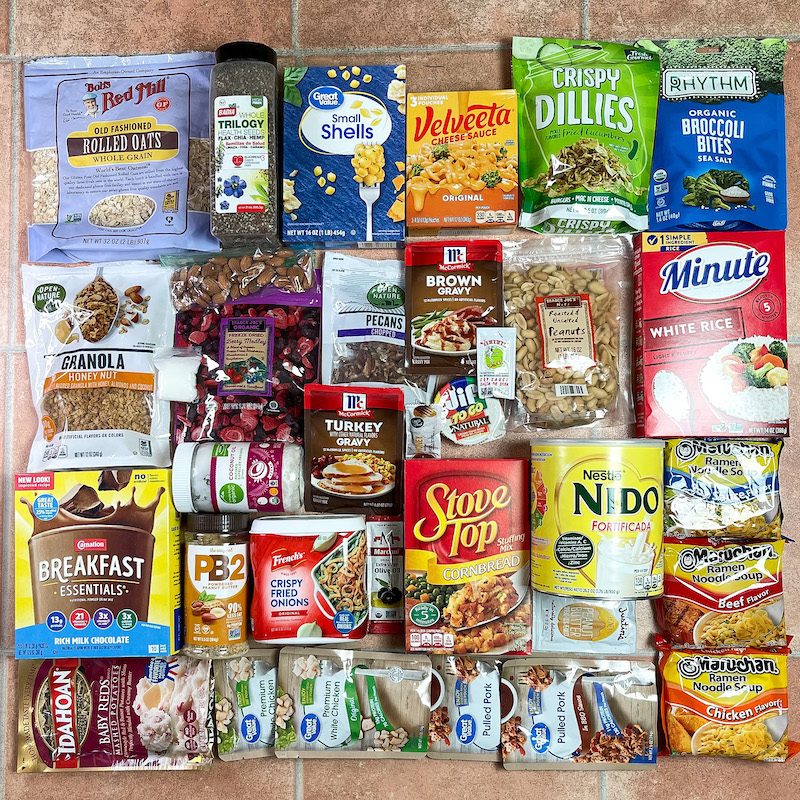
Credit: www.the-hungry-hiker.com
Lunch Ideas: Easy And Portable
Lunch should be quick and simple. Most backpackers eat lunch on the trail, so pick foods that don’t need cooking.
Tortilla Wraps
Tortillas are easier to pack than bread. Fill with peanut butter, tuna packets, cheese, or hummus.
Tuna And Chicken Packets
Small tuna or chicken packets are high-protein and don’t need refrigeration.
Cheese And Crackers
Hard cheeses like cheddar last a few days without refrigeration. Pair with crackers for a balanced meal.
Nut Butter Packets
Single-serve nut butter packets are convenient. Spread on crackers or fruit.
Lunch Tips
- Avoid mayonnaise or other foods that spoil quickly.
- Use resealable bags for easy clean-up.
- Plan for lunches that can be eaten cold.
Dinner Ideas: Warm And Filling Meals
Dinner is when you can relax and enjoy a hot meal. For beginners, the best dinner options are freeze-dried meals or instant foods.
Freeze-dried Meals
Brands like Mountain House and Backpacker’s Pantry offer meals like chili, curry, or pasta. Just add boiling water.
Instant Noodles And Pasta
Instant ramen or pasta is cheap and easy. Add dehydrated vegetables or a protein packet for a better meal.
Couscous And Rice
Couscous cooks in minutes and is lighter than rice. Mix with powdered soup or spices.
Soup Mixes
Powdered soup mixes are perfect for cold nights. Choose chicken, vegetable, or spicy options.
Dinner Tips
- Bring a lightweight stove or cook over a campfire.
- Use a spork for both eating and stirring.
- Pack a small container of olive oil for extra calories.
Snack Ideas: Keeping Your Energy Up
Snacks are vital. They keep you going between meals and help prevent fatigue. You’ll need snacks that are compact and nutritious.
Trail Mix
Mix nuts, dried fruit, and chocolate chips for a high-calorie snack.
Energy Bars
Choose bars with at least 200 calories each. Look for ones with protein and complex carbs.
Dried Fruit
Dried mango, banana chips, or apricots add variety and vitamins.
Jerky
Beef or turkey jerky gives you protein and stays fresh for days.
Cheese Sticks
Hard cheese sticks are great for quick energy.
Snack Tips
- Portion snacks in small bags for easy access.
- Avoid snacks that melt or crumble.
- Bring a few “fun” snacks for morale (like candy).
Food Storage And Packing Tips
Packing food for backpacking is about saving space and keeping food safe. Beginners often make mistakes like leaving food loose or forgetting about wildlife.
Use Resealable Bags
Zip-top bags are lighter than plastic containers and keep food dry.
Keep Food Organized
Group meals by day. Label each bag so you don’t waste time searching.
Food Protection From Animals
Store food in a bear canister or hang it from a tree. This protects both you and wildlife.
Minimize Trash
Remove extra packaging before your trip. Pack out all trash—never leave it behind.
Packing Tips
- Use a dry bag for all food.
- Place snacks at the top for easy access.
- Keep a small cleaning cloth in your food kit.
Hydration And Drink Options
Good hydration is as important as food. Dehydration is a common beginner problem.
Water
Carry at least 2–3 liters of water per day. Bring a filter or purification tablets if water sources are available.
Drink Mixes
Powdered electrolyte mixes help replace salts lost through sweat.
Hot Drinks
Instant coffee, tea bags, or hot chocolate can make mornings and evenings more enjoyable.
Hydration Tips
- Drink often—don’t wait until you’re thirsty.
- Avoid sugary drinks; they can cause energy crashes.
- Use insulated bottles for hot drinks.
Food Safety: Avoiding Common Mistakes
Food safety is often ignored by beginners. Spoiled food can ruin your trip.
Keep Food Dry
Moisture leads to spoilage. Store food in dry bags and resealable pouches.
Avoid Fresh Meat And Dairy
These spoil quickly unless you hike in cold weather. Stick to shelf-stable proteins.
Check Expiry Dates
Before your trip, check all expiration dates. Old food can make you sick.
Wash Hands
Carry a small bottle of hand sanitizer. Clean hands before eating or preparing food.
Food Safety Tips
- Don’t share utensils if someone is sick.
- Keep raw and cooked foods separate.
- Use boiling water to clean cooking gear.
Comparing Popular Backpacking Food Brands
Choosing backpacking food brands can be confusing. Here’s a comparison of three top brands.
| Brand | Meal Variety | Price Per Meal | Weight (avg.) | Beginner Friendly? |
|---|---|---|---|---|
| Mountain House | High | $8–$10 | 110g | Yes |
| Backpacker’s Pantry | Medium | $7–$9 | 120g | Yes |
| Good To-Go | Low | $10–$12 | 150g | Yes |
Mountain House is popular for its flavor and variety. Backpacker’s Pantry has good vegetarian options. Good To-Go focuses on healthy, natural ingredients but costs more.
Fresh Foods: What Works For Short Trips
You can bring some fresh food if your trip is short (1–2 days) or the weather is cool.
Apples And Carrots
Apples and carrots last longer than bananas or lettuce. They add crunch and vitamins.
Hard Cheese
Cheddar or Swiss cheese stays fresh for up to three days.
Salami And Summer Sausage
These meats don’t need refrigeration and are high in protein.
Practical Tips
- Eat fresh foods first, before they spoil.
- Pack fresh items in the middle of your bag for protection.
- Don’t bring foods that bruise or crush easily.

Credit: seatosummit.com
Vegetarian And Vegan Backpacking Food Ideas
Plant-based options are easy to pack and last longer. Here are ideas for vegetarian and vegan backpackers.
Instant Lentil Soup
Lentil soup mixes are high in protein and only need hot water.
Dehydrated Bean Meals
Dehydrated beans cook quickly and can be mixed with rice or couscous.
Nut Butters
Almond butter and peanut butter are vegan and calorie-rich.
Energy Bars
Check labels for vegan bars made with dates, nuts, and seeds.
Vegan Jerky
Made from soy, mushrooms, or coconut, vegan jerky is a growing trend.
Practical Tips
- Bring extra snacks—plant-based foods can be lower in calories.
- Use seasoning packets for flavor.
- Check for hidden animal products in packaged foods.
Gluten-free And Allergy-friendly Food Options
If you have allergies or need gluten-free foods, there are many safe options.
Gluten-free Instant Oatmeal
Choose certified gluten-free oatmeal packets.
Rice Cakes And Corn Chips
These are light and safe for most allergies.
Sunflower Seed Butter
A good alternative to peanut butter for nut allergies.
Dehydrated Meals
Many brands offer gluten-free and allergy-friendly meals.
Tips For Allergies
- Read labels carefully.
- Pack extra snacks in case of limited options.
- Bring allergy medicine just in case.
Packing For Different Trip Lengths
The length of your trip changes how you pack food. Here’s a guide for trips from two days to a week.
| Trip Length | Food Weight (avg.) | Fresh Food? | Recommended Meals |
|---|---|---|---|
| 2 Days | 2–3 lbs | Yes | Instant oatmeal, wraps, fresh fruit |
| 3–4 Days | 4–6 lbs | Limited | Freeze-dried meals, instant noodles |
| 5–7 Days | 8–12 lbs | No | Dehydrated meals, powdered drinks |
Longer trips require more planning. Bring foods with a long shelf life and avoid anything that needs refrigeration.
Essential Cooking Gear For Backpacking Beginners
You don’t need fancy cooking gear. Keep it simple and lightweight.
Portable Stove
A small gas stove is ideal for boiling water.
Lightweight Pot
Choose an aluminum or titanium pot for cooking and heating water.
Spork
A spork combines spoon and fork—one tool for eating.
Fuel
Bring the right fuel canister for your stove. Check local rules for open flames.
Cleaning Kit
A tiny scrubber and soap sheet keep your gear clean.
Practical Tips
- Test your stove at home before the trip.
- Bring waterproof matches or a lighter.
- Don’t carry extra pots—one is enough.
Buying Backpacking Food: Where To Shop
Backpacking food is available in many places. Here’s where beginners can find the best choices.
Outdoor Retail Stores
Stores like REI offer specialty meals and gear.
Supermarkets
Many instant foods, bars, and snacks are available at regular grocery stores.
Online Shops
Websites like Backcountry.com and Amazon have a wide range of backpacking foods.
Farmer’s Markets
For short trips, you can find fresh, local foods.
Practical Tips
- Compare prices—specialty meals can be expensive.
- Buy in bulk for longer trips.
- Look for sales or discounts before peak hiking seasons.
Non-obvious Insights Beginners Often Miss
Even experienced hikers sometimes miss these points:
- Salt and spices: Simple foods can get boring. Bring tiny packets of salt, pepper, or spice blends for flavor.
- Calorie density: Not all foods are equal. Foods like nuts, cheese, and olive oil pack more calories per ounce than crackers or rice.
- Meal timing: Eat a bigger breakfast and lighter dinner to avoid carrying extra weight overnight.
- Morale foods: Small treats (like chocolate or a favorite snack) can lift spirits after a tough hike.
- Weather impact: Cold weather increases calorie needs. Hot weather makes heavy meals less appealing.

Credit: keeprollingmtbblog.wordpress.com
Real-life Example: Beginner’s First Trip
Maria, a beginner, went on her first three-day backpacking trip. She packed canned beans, bread, and apples. By day two, the cans felt heavy, the bread was crushed, and the apples bruised. She realized she needed lighter foods. For her next trip, she packed instant oatmeal, tortillas, freeze-dried meals, and trail mix.
Her bag was lighter, meals tasted better, and she had more energy.
Useful External Resource
For a deeper look at backpacking nutrition and planning, check out the REI Backpacking Food Guide.
Frequently Asked Questions
What Is The Best Lightweight Backpacking Food For Beginners?
Freeze-dried meals are the best option for beginners. They are light, easy to prepare, and have a long shelf life. Instant oatmeal, energy bars, and trail mix are also good choices for quick meals and snacks.
How Much Food Should I Pack For A Backpacking Trip?
For most trips, plan for 2,500–4,500 calories per day. Pack one breakfast, one lunch, one dinner, and two to three snacks per day. Avoid packing too much—extra weight can slow you down.
Can I Bring Fresh Food On A Backpacking Trip?
Yes, but only for short trips (1–2 days) or cool weather. Choose apples, carrots, and hard cheese. Eat fresh food early in your trip before it spoils.
What Cooking Gear Do I Need For Backpacking?
You need a small stove, lightweight pot, spork, and fuel canister. For cold meals, you only need a spoon and resealable bags. Test your gear at home before your trip.
How Do I Keep Food Safe From Animals?
Store food in a bear canister or hang it from a tree at least 10 feet off the ground. Always pack out trash and clean up food scraps to avoid attracting animals.
Backpacking food doesn’t have to be complicated. With smart planning and the right choices, you’ll enjoy tasty, energizing meals while keeping your pack light. Whether you’re hiking for one day or a week, these ideas help you start your journey confidently and safely.
