
Camping is one of those experiences that stays with you. Whether you’re pitching a tent beside a mountain lake, gathering around a fire with friends, or waking to birdsong, it’s more than just sleeping outdoors. For many, camping is a way to reconnect with nature, break from routine, and discover a sense of freedom. But the benefits go much deeper than that. From boosting mental health to teaching practical skills, camping brings positive changes that impact daily life. In this article, you’ll discover the full range of benefits of camping, with clear examples, real-world data, and practical advice. If you’ve ever wondered why so many people head into the wild, or if you’re thinking about your own first trip, you’ll find answers and insights here.
Physical Health Improvements
Spending time outdoors changes your body in ways you might not expect. The simple act of walking, setting up camp, or hiking on a trail gives you exercise, often without feeling like a workout. The National Park Service reports that hiking burns 430–550 calories per hour, depending on terrain and speed. Even moderate activities like collecting firewood or carrying gear engage your muscles and boost endurance.
Fresh air also plays a role. Away from city pollution, your lungs get cleaner oxygen. Studies show that air quality in forested areas can be up to 50% cleaner than in urban zones. This translates to improved respiratory function and reduced risk of allergies.
Camping often encourages more movement. You walk to the restroom, gather water, or explore the surroundings. A weekend camping trip can easily add 10,000–20,000 steps to your activity tracker. For beginners, this is one of the easiest ways to get physically active without needing gym equipment.
Sleep Quality
One overlooked benefit is better sleep. Exposure to natural light helps reset your circadian rhythm, the body’s internal clock. A study by the University of Colorado Boulder found that campers who spent a week outdoors saw their sleep patterns shift to match sunset and sunrise, falling asleep faster and waking more refreshed. The reduction in artificial light and screens, along with the soothing sounds of nature, makes it easier to rest deeply.
Immune System Boost
Research suggests camping strengthens your immune system. Being exposed to trees and plants releases phytoncides—natural chemicals that stimulate white blood cell production. A Japanese study on “forest bathing” showed a 23% increase in immune activity after time spent in woodland areas.
Mental Health Benefits
Camping is a proven way to reduce stress and anxiety. Nature’s sights and sounds calm the mind. According to the American Psychological Association, spending just 20 minutes in nature lowers cortisol—the main stress hormone—by 15%. Many campers describe feeling more peaceful, less worried, and able to “switch off” from daily pressures.
Mood And Happiness
Outdoor activities trigger the release of endorphins and serotonin—chemicals linked to happiness. A survey by Kampgrounds of America (KOA) found that 90% of campers feel more relaxed and content during their trips. The act of unplugging from digital devices and connecting with the environment creates a sense of freedom.
Mindfulness And Focus
Camping encourages mindfulness. When you set up a tent or cook over a fire, you focus on the present moment. This helps break the cycle of overthinking. Many people notice improved concentration and creativity after returning from a camping trip.
Some even use camping as a way to practice meditation, finding the quiet setting perfect for reflection.
Social Benefits
Camping brings people together. Whether you’re with family, friends, or joining a group, the shared experience creates strong bonds. Cooking together, telling stories around the campfire, and working as a team to solve problems are all opportunities for connection.
Family Relationships
A study by the Family Camping Association showed that families who camp together report higher levels of trust and communication. Children learn cooperation and adults get to see their kids in a new light. The absence of screens and distractions allows for real conversations.
Making New Friends
Many campsites have communal areas, trails, or organized events. It’s common to meet other campers, exchange tips, or share experiences. This can help break social barriers and build confidence, especially for shy or introverted individuals.
Teamwork Skills
Camping often involves group tasks: pitching tents, planning meals, navigating trails. These activities improve teamwork, problem-solving, and leadership skills. In fact, outdoor education programs use camping to teach these abilities to students and employees.
Learning Practical Skills
Camping is not just about relaxation—it’s a chance to learn. You discover how to build a fire, cook outdoors, read a map, or identify plants and animals. These skills can be useful in daily life and emergencies.
Outdoor Cooking
Cooking outside requires creativity and adaptability. You learn to use simple tools, manage heat, and plan meals with limited ingredients. This improves confidence and teaches resourcefulness. Many campers become better cooks because they learn how to solve problems on the spot.
Navigation And Survival
Reading a compass or map is another practical skill. It’s easy to rely on GPS, but in remote areas, knowing basic navigation is essential. You’ll also learn how to find safe drinking water, set up shelter, and respond to unexpected weather.
Wildlife Awareness
Camping teaches respect for animals and plants. You learn how to keep food safe, avoid dangerous creatures, and observe wildlife without disturbing them. This knowledge builds a sense of responsibility and safety.

Credit: asheborojellystone.com
Environmental Awareness
Camping helps you appreciate nature’s value. Seeing clean rivers, old forests, or starry skies makes environmental issues more real. Many campers become more conscious of their impact and adopt sustainable habits.
Leave No Trace Principles
Most campers follow “Leave No Trace” rules: pack out trash, minimize campfire impact, and respect wildlife. These practices help protect ecosystems and teach responsible behavior. Over time, you become more aware of how small actions affect the planet.
Conservation Efforts
Camping often leads to involvement in conservation. You may join clean-up events, support park programs, or educate others about protecting nature. The experience motivates you to make positive changes at home.
Cost Benefits
Compared to many vacations, camping is affordable. Campsite fees range from $10–$40 per night, much less than hotels or resorts. You can bring your own food, gear, and entertainment, reducing expenses.
Budget Comparison
Here’s a quick comparison of typical costs for a weekend getaway:
| Type | Average Cost (2 nights) | Notes |
|---|---|---|
| Camping | $80–$150 | Includes site, food, gear rental |
| Hotel Stay | $350–$600 | Room, meals, entertainment |
| Resort Vacation | $600–$1100 | All-inclusive rates |
This shows camping is often less than a quarter of the price of traditional vacations.
Gear Investment
While there’s an upfront cost for tents, sleeping bags, and cooking equipment, these items last for years. Many families share or borrow gear to save money. Once you have basic supplies, your trips become even more affordable.
Hidden Savings
Camping reduces spending on restaurants, entertainment, and shopping. Many campers report spending less overall, even when including travel costs.

Credit: www.campwekeela.com
Personal Growth
Camping challenges you in positive ways. You adapt to new situations, face uncertainty, and solve problems. This builds resilience—a skill that helps in work, school, and life.
Confidence Building
Completing outdoor tasks, from building a fire to hiking difficult trails, boosts self-esteem. You realize you can handle more than you thought. This sense of achievement stays with you long after the trip.
Creativity
Nature inspires creativity. Without digital distractions, your mind wanders and ideas flow. Many writers, artists, and thinkers use camping to spark imagination. Even simple tasks, like organizing camp or preparing meals, encourage creative solutions.
Perspective
Living simply for a few days—no Wi-Fi, minimal possessions—helps you appreciate what you have. Many campers return home with a new outlook, valuing experiences over things.
Connection With Nature
Camping lets you experience nature directly. You notice details: the sound of wind, the shape of leaves, the movement of animals. This builds a deeper connection and respect for the environment.
Wildlife Encounters
Seeing birds, deer, or even insects up close changes your perspective. You understand their role in the ecosystem and learn to observe without interfering. Many campers describe feeling “part of the landscape,” not just visitors.
Stargazing
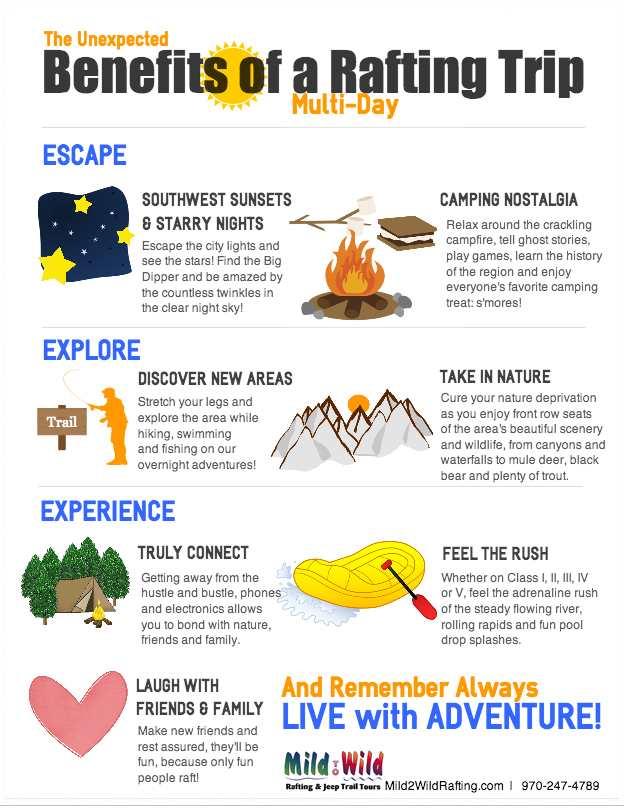
Away from city lights, the night sky is spectacular. You can see thousands of stars, planets, and even the Milky Way. Stargazing is not only beautiful—it helps you feel connected to the wider universe.
Weather Awareness
Camping teaches you to notice weather patterns: how clouds move, how temperature changes, how rain sounds on a tent. This awareness helps you prepare for outdoor activities and respect nature’s power.
Credit: mild2wildrafting.com
Adventure And Excitement
Camping is full of surprises. Each trip offers new challenges, discoveries, and stories. Whether it’s exploring a cave, climbing a mountain, or finding a hidden waterfall, the sense of adventure is real.
Trying New Activities
Camping often includes hiking, fishing, swimming, or kayaking. These activities build skills and confidence. You also learn to enjoy simple pleasures—like roasting marshmallows or watching the sunrise.
Facing The Unknown
Dealing with unexpected situations—bad weather, wildlife, or forgotten gear—teaches you to adapt and stay calm. These experiences make trips memorable and build problem-solving skills.
Building Memories
Each camping trip is unique. You remember the quiet mornings, funny mishaps, and shared moments. These memories strengthen relationships and add richness to life.
Comparing Camping With Other Outdoor Activities
While hiking, cycling, and boating offer their own rewards, camping combines many benefits. Here’s a quick comparison:
| Activity | Physical Health | Mental Health | Skill Learning | Nature Connection |
|---|---|---|---|---|
| Camping | High | High | High | Very High |
| Hiking | High | Moderate | Moderate | High |
| Cycling | Very High | Moderate | Low | Moderate |
| Boating | Moderate | Low | Moderate | Moderate |
Camping stands out because it combines exercise, relaxation, skill-building, and deep nature immersion.
Camping For Children And Youth
Camping is especially valuable for kids and teens. It teaches independence, teamwork, and respect for nature. The American Camp Association found that 74% of campers learned new skills, and 69% made lasting friendships during camp programs.
Educational Value
Outdoor learning is powerful. Children discover science by observing plants, weather, and animals. They practice math and geography by mapping trails or estimating distances. Camping encourages curiosity and critical thinking.
Confidence And Social Skills
Kids gain independence by helping with camp chores, making decisions, and solving problems. Group activities teach cooperation and communication. These skills help in school and later in life.
Reducing Screen Time
Camping replaces screens with real-world experiences. Kids spend more time moving, exploring, and interacting. This leads to better sleep, improved mood, and healthier habits.
Accessibility And Inclusivity
Camping is open to everyone. Many parks and campsites offer accessible facilities: flat trails, adapted bathrooms, and reserved spaces for people with disabilities. Some organizations provide gear and support for those who need it.
Inclusive Experiences
Group camping trips can be tailored to include all ages and abilities. Activities are adjusted so everyone can participate. This makes camping a welcoming option for families, seniors, and people with special needs.
Community Programs
Many cities and parks run community camping events. These programs provide guidance, equipment, and safe environments for beginners. If you’re unsure where to start, joining a group is a great first step.
Technology And Camping
Modern camping has changed. Many people use apps for navigation, weather forecasts, and finding campsites. Portable solar chargers keep devices running, while lightweight gear makes trips easier.
Finding Balance
Using technology can enhance safety and convenience, but it’s important to balance screen time with nature immersion. Some campers set “tech-free” rules or limit device use to emergencies. This helps focus on the outdoor experience.
Helpful Tools
- Navigation apps (like AllTrails)
- Weather updates
- Emergency communication devices
- Portable solar panels
While these tools make camping safer, the main benefit is still the break from everyday technology.
Common Camping Mistakes To Avoid
Even experienced campers make errors. Here are some common mistakes—and how to prevent them:
- Overpacking: Bringing too much gear makes setup difficult. Pack only what you need.
- Ignoring weather forecasts: Always check conditions before your trip. Prepare for rain, cold, or heat.
- Poor food planning: Plan simple, nutritious meals. Avoid heavy or perishable foods.
- Not learning campsite rules: Follow regulations about fires, wildlife, and waste.
- Inadequate safety gear: Always bring a first aid kit, map, and emergency supplies.
These tips help you enjoy your trip and avoid problems.
Planning Your First Camping Trip
If you’re new to camping, starting small helps. Choose a nearby site, borrow gear if possible, and invite a friend or family member. Make a checklist of essentials: tent, sleeping bag, food, water, clothing, and safety items.
Choosing The Right Campsite
Look for sites with amenities that suit your needs: bathrooms, water, or electricity. Research reviews and ask locals for advice. National and state parks are often well-maintained and safe for beginners.
Packing Essentials
- Tent and sleeping gear
- Cooking tools and food
- Water bottles or filter
- Weather-appropriate clothing
- First aid kit
- Flashlight or headlamp
- Map or navigation app
Avoid packing unnecessary items. Focus on comfort, safety, and convenience.
Safety Tips
- Tell someone your plans and expected return time.
- Learn basic first aid and emergency contacts.
- Watch for signs of dehydration or fatigue.
- Respect wildlife and keep food secure.
These steps help ensure a safe and enjoyable trip.
Long-term Benefits
Camping’s positive effects last beyond the trip. You gain new habits, perspectives, and relationships. Many campers report:
- Reduced stress in daily life
- Improved fitness
- Better sleep patterns
- Stronger friendships and family bonds
- Greater environmental awareness
The experience shapes how you approach challenges and appreciate simple joys.
Real-life Example
Consider a family who camps twice a year. Over time, they notice their children are more independent, creative, and confident. Parents feel less stressed and more connected. The family adopts eco-friendly habits, such as recycling and energy conservation, inspired by their trips.
Non-obvious Insights
- Camping helps develop patience. Waiting for food to cook, dealing with weather, or setting up camp teaches you to slow down and accept things you cannot control.
- You learn to value silence. The quiet of nature is rare in modern life. Camping makes you comfortable with stillness, which improves focus and mental clarity.
Frequently Asked Questions
What Is The Best Age To Start Camping?
Camping is suitable for all ages. Children as young as two can enjoy short trips with proper supervision. Older adults benefit from gentle outdoor activities. The key is to adjust activities and gear for comfort and safety.
How Do I Stay Safe While Camping?
Always plan ahead. Check weather forecasts, bring a first aid kit, and inform someone of your itinerary. Follow campsite rules, keep food secure from animals, and carry emergency supplies. For more tips, visit the National Park Service.
Can Camping Improve My Mental Health?
Yes. Studies show that camping reduces stress, improves mood, and boosts mindfulness. Being outdoors lowers cortisol and increases happiness hormones. Many people use camping as a way to “reset” mentally.
Is Camping Expensive?
Camping is usually more affordable than hotels or resorts. Campsite fees are low, and gear can be reused or borrowed. Planning simple meals and activities reduces costs. Investing in quality equipment saves money over time.
What Are Leave No Trace Principles?
Leave No Trace refers to guidelines that protect nature. They include packing out trash, minimizing campfire impact, respecting wildlife, and leaving plants untouched. Following these rules keeps ecosystems healthy for future campers.
Camping is more than a hobby—it’s a transformative experience. The benefits reach every part of life: health, relationships, skills, and perspective. Whether you’re looking for adventure, relaxation, or personal growth, camping offers something unique. Each trip is a chance to learn, connect, and build memories that last. If you haven’t tried camping yet, now is the perfect time. The world outside is waiting—discover its rewards for yourself.
