
Nunavut is not like anywhere else on earth. This vast Canadian territory, covering almost two million square kilometers, is filled with wild landscapes, ancient cultures, and remote communities. If you want to visit a place that feels untouched and authentic, Nunavut offers that in abundance.
Here, the Arctic sun can shine for days, wildlife roams freely, and Inuit traditions are alive. Travelers come for adventure, but they leave with memories of a world that feels timeless.
Getting to Nunavut is not simple, and the attractions are not typical. You will not find big cities or theme parks. Instead, Nunavut’s best tourist attractions are rooted in nature, history, and the people. From polar bears and glaciers to vibrant festivals and centuries-old artifacts, every experience is unique. This guide will help you discover the highlights of Nunavut: the must-see places, the hidden gems, and practical advice that will help you plan the trip of a lifetime.
The Magic Of Iqaluit: Nunavut’s Capital
Iqaluit is the gateway to Nunavut for most visitors. This small city sits on Baffin Island and is the heart of the territory. Iqaluit is not just an entry point; it is a destination worth exploring.
Nunatta Sunakkutaangit Museum
Located in a former Hudson’s Bay Company building, the Nunatta Sunakkutaangit Museum offers a glimpse into Inuit culture and Nunavut’s history. You can see traditional clothing, hunting tools, and art made by local craftsmen. The museum staff often share stories, making the exhibits come alive. For many visitors, the museum is their first real introduction to the people and heritage of Nunavut.
Legislative Assembly Of Nunavut
The Legislative Assembly is open to the public and is unlike any other government building in Canada. The architecture uses Inuit symbols and local materials. Guided tours explain how Nunavut’s government works, and you can see the unique chamber where decisions for the territory are made.
Sylvia Grinnell Territorial Park
Just outside Iqaluit, Sylvia Grinnell Territorial Park is a place to experience Arctic nature. The park features waterfalls, tundra landscapes, and the Sylvia Grinnell River. You can hike, fish, and spot wildlife like Arctic foxes and migratory birds. In summer, the midnight sun lets you explore late into the evening.
Baffin Island: Nature And Adventure
Baffin Island is the largest island in Nunavut and offers some of the territory’s most dramatic scenery. The island is famous for its fjords, glaciers, and towering cliffs.
Auyuittuq National Park
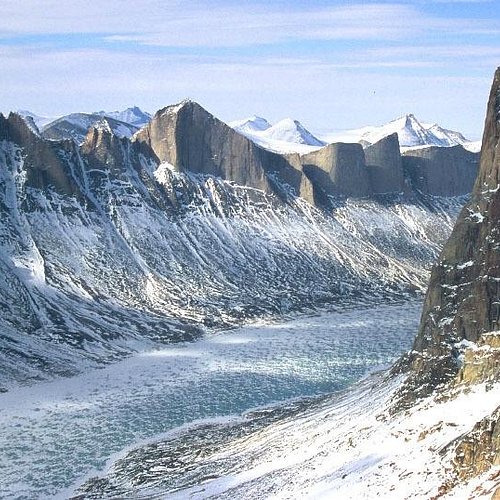
The name “Auyuittuq” means “the land that never melts,” and this park truly lives up to that. Visitors come to see the Pangnirtung Pass, the famous Mount Thor (with one of the world’s tallest vertical cliffs), and endless glaciers. Hiking and skiing are popular, but you need to be prepared for tough conditions.
| Feature | Auyuittuq National Park | Sylvia Grinnell Park |
|---|---|---|
| Location | Baffin Island | Iqaluit |
| Best Activities | Hiking, skiing, glacier viewing | Fishing, hiking, wildlife spotting |
| Accessibility | Difficult, requires guides | Easy, close to city |
| Unique Wildlife | Arctic hares, seals | Arctic foxes, migratory birds |
Pangnirtung
This small community is the gateway to Auyuittuq. Pangnirtung is known for its arts and crafts. You can visit studios where Inuit artists make prints, tapestries, and carvings. Buying directly from the artists is common, and many travelers take home a unique piece of Nunavut.
Mount Thor
Mount Thor’s cliff is 4,000 feet high (1,200 meters) — the highest vertical drop on earth. Climbers from around the world come here, but even casual visitors can enjoy the view from nearby trails. The landscape is stunning, and the feeling of standing near such a massive cliff is unforgettable.
Credit: travel.destinationcanada.com
Arctic Wildlife Encounters
Nunavut is famous for its wildlife. Animals here are wild and free, and spotting them is often a highlight of any trip.
Polar Bears
The territory is home to one of the largest polar bear populations in Canada. Tours from communities like Arviat and Rankin Inlet offer chances to see these animals safely. Guides are experienced and know how to avoid disturbing the bears.
Narwhals And Belugas
In summer, narwhals and belugas swim in the icy waters. The best place to see them is near Pond Inlet or Arctic Bay. Local guides use boats to get close to the whales, and sometimes you can hear their calls echoing across the water.
Caribou Migration
Caribou are essential to Inuit life. Every year, large herds migrate across Nunavut. The best viewing spots are near Baker Lake and Cambridge Bay. The sight of hundreds of caribou moving together is breathtaking.
| Wildlife | Best Viewing Location | Season |
|---|---|---|
| Polar bears | Arviat, Rankin Inlet | Summer, fall |
| Narwhals | Pond Inlet | June–August |
| Caribou | Baker Lake, Cambridge Bay | Spring, fall |
Remote Communities And Culture
Nunavut’s communities are small and scattered, but each has its own character and traditions. Visiting them gives you a chance to experience daily life in the Arctic.
Igloolik
Igloolik is famous for its traditional Inuit culture. The community still uses dog sleds, and people often speak Inuktitut. In summer, Igloolik hosts festivals with dancing, singing, and storytelling. Visitors are welcome, but it is important to respect local customs.
Baker Lake
Baker Lake is the only inland community in Nunavut. It is a hub for art and crafts, especially printmaking and sculpture. The Baker Lake Arts Center offers workshops and exhibitions. Many travelers find the art here more affordable than in coastal communities.
Cape Dorset (kinngait)
Cape Dorset, now called Kinngait, is world-famous for Inuit art. The Cape Dorset Print Shop produces beautiful prints and drawings. Artists here are recognized internationally, and many museums around the world feature their work.
Resolute
Resolute is one of the northernmost communities in Canada. It is a starting point for Arctic expeditions and research. The environment is harsh, but the scenery is unmatched. From here, you can join trips to see the midnight sun and polar wildlife.
Exploring Nunavut’s National Parks
Nunavut has several national parks, each offering something different. These parks are not easily accessible, but they reward those who make the journey.
Sirmilik National Park
Located on northern Baffin Island, Sirmilik National Park is known for its glaciers, icebergs, and rare birds. The park’s name means “place of glaciers.” Visitors can see Ivory gulls, seals, and sometimes narwhals. The landscapes are dramatic, with cliffs dropping into icy seas.
Ukkusiksalik National Park
This park surrounds Wager Bay, a huge tidal inlet. Ukkusiksalik is rich in wildlife: polar bears, caribou, wolves, and hundreds of bird species. Inuit historical sites are scattered throughout the park. Guided tours explain the meaning of the stone structures and artifacts.
Qausuittuq National Park
Qausuittuq, meaning “place with no dawn,” sits on Bathurst Island. It is one of the newest national parks in Canada. The park protects fragile Arctic ecosystems, including rare plants and animals. Most visitors come with research groups, but adventure travelers are welcome.
| National Park | Main Attractions | Best Time to Visit |
|---|---|---|
| Sirmilik | Glaciers, birds, narwhals | June–August |
| Ukkusiksalik | Polar bears, Inuit sites | July–September |
| Qausuittuq | Rare wildlife, Arctic tundra | Summer |
Unique Festivals And Events
Nunavut’s festivals are some of the most vibrant ways to experience local culture. These events bring communities together and welcome visitors to join.
Toonik Tyme Festival
Held every April in Iqaluit, the Toonik Tyme Festival celebrates spring and Inuit traditions. Events include dog sled races, seal hunting demonstrations, and traditional games. Everyone is invited to participate, and it is a great way to meet locals.
Alianait Arts Festival
The Alianait Arts Festival takes place in summer and focuses on music, dance, and art. Artists come from across the Arctic and Canada. Performances range from throat singing to modern music. The festival is family-friendly and includes workshops for children.
Return Of The Sun Festival
In communities north of the Arctic Circle, the sun disappears for weeks in winter. The Return of the Sun Festival marks the first sunrise after the dark period. People celebrate with feasts, games, and dancing. Visitors find the festival emotional and memorable.
Credit: www.tripadvisor.com
Historic Sites And Ancient Artifacts
Nunavut has a deep history, stretching back thousands of years. Some sites are open to visitors, while others require special permission.
Thule And Dorset Sites
Many communities have Thule (ancestors of modern Inuit) and Dorset archaeological sites. These places include ancient houses, tools, and artwork. Guides explain how people survived in the Arctic long ago. Sites near Cape Dorset and Igloolik are especially well-preserved.
Franklin Expedition Graves
On Beechey Island, you can visit the graves of sailors from the famous Franklin Expedition. This historic site tells the story of one of the world’s most mysterious Arctic explorations. The graves are simple but powerful, and the landscape feels haunting.
Qikiqtarjuaq Whale Bone Arch
In Qikiqtarjuaq, a massive whale bone arch stands at the town entrance. It was built from the bones of a bowhead whale. The arch is a symbol of the community’s connection to the sea and its hunting traditions.
Adventure Activities In Nunavut
Nunavut is perfect for travelers looking for adventure. The territory offers unique experiences that can’t be found elsewhere.
Dog Sledding
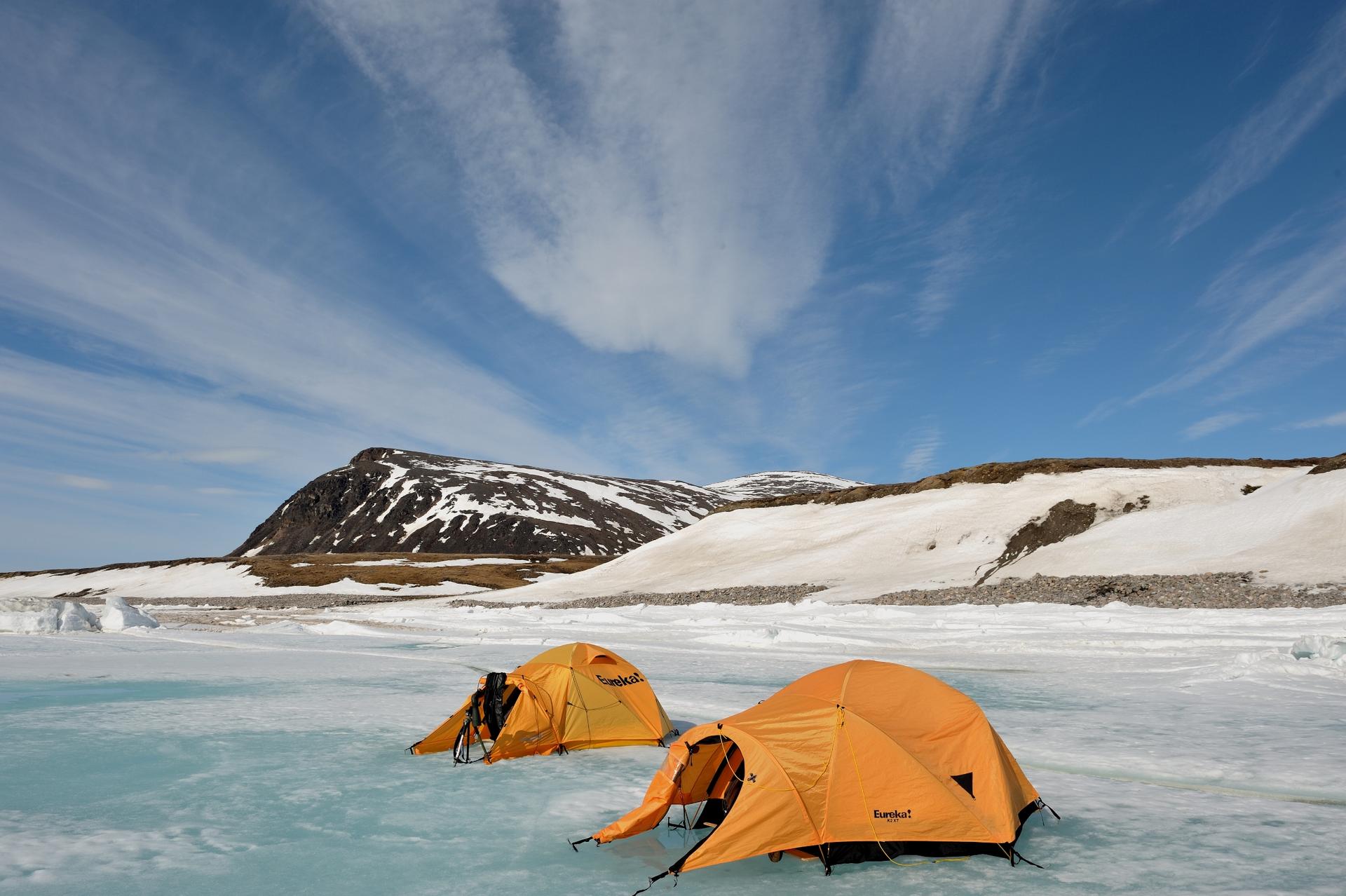
Dog sledding is part of daily life in many communities. Visitors can join guided sled trips across the tundra. The experience is both exciting and peaceful. Some tours include overnight stays in traditional tents, where you can learn about Inuit survival skills.
Kayaking And Canoeing
In summer, rivers and lakes open up for kayaking and canoeing. Guides lead trips through icebergs and fjords. You might see seals, whales, and rare birds. The water is cold, so safety gear is essential.
Ice Fishing
Ice fishing is a winter tradition in Nunavut. Locals drill holes in the ice and catch Arctic char and other fish. Visitors can join fishing trips and learn the techniques from experts. The fish are delicious and often cooked fresh on the spot.
Hiking And Camping
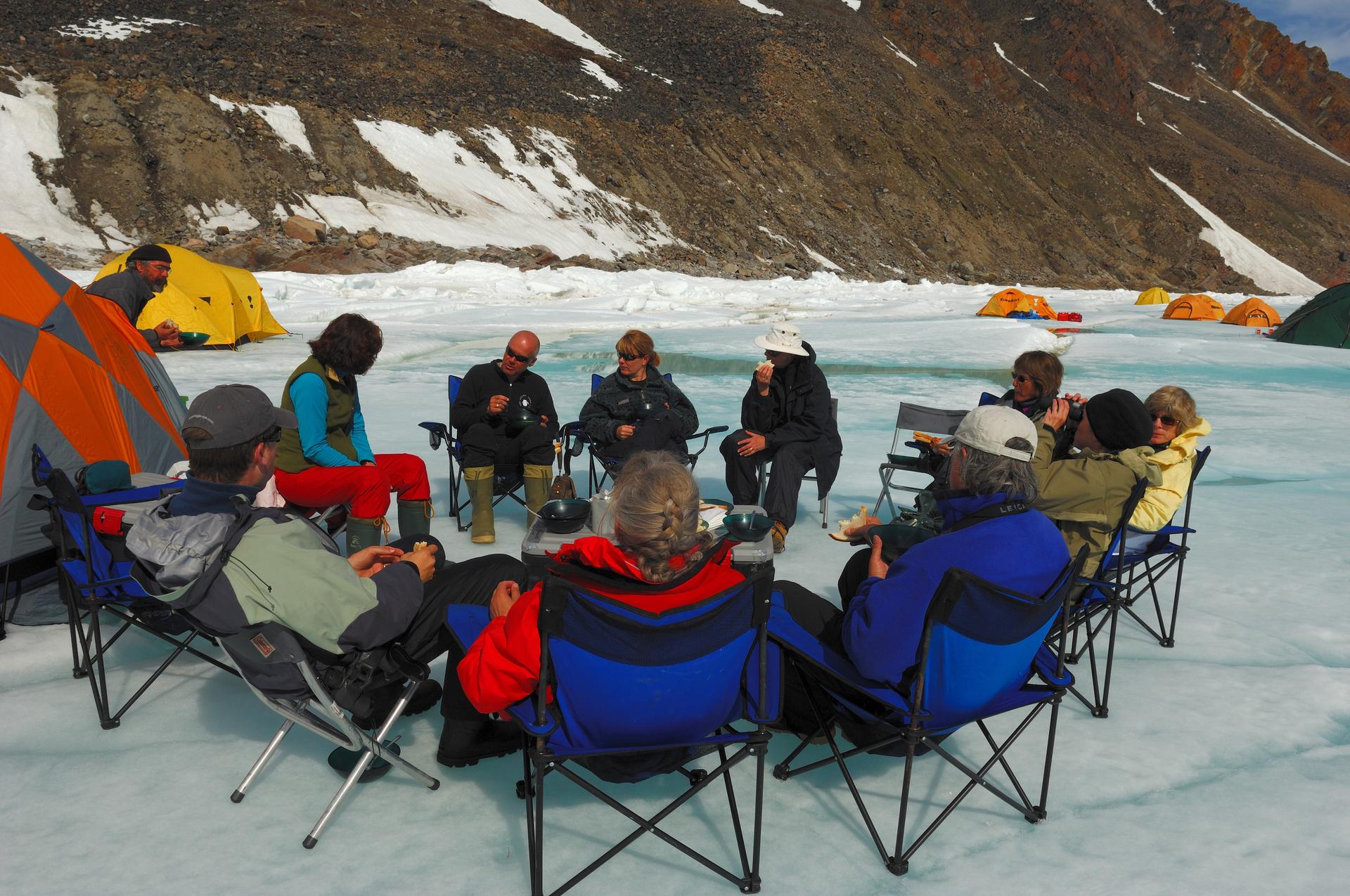
Hiking in Nunavut is different from anywhere else. Trails cross tundra, mountains, and coastlines. There are no forests, but the views are endless. Camping is allowed in many parks, but you must be prepared for cold weather and sudden changes.
Practical Tips For Traveling In Nunavut
Travel in Nunavut requires special planning. The territory is remote, and conditions can be challenging.
- Book flights early – Only a few airlines serve Nunavut, and seats fill up fast.
- Dress for the weather – Even in summer, temperatures can drop below freezing. Bring layers and waterproof clothing.
- Respect local customs – Inuit communities value privacy and tradition. Always ask before taking photos or joining events.
- Travel with guides – Many attractions are far from towns and require expert help.
- Prepare for limited services – There are few hotels, restaurants, or shops. Bring what you need, and expect simple accommodations.
- Wildlife safety – Never approach wild animals. Guides are trained to keep visitors safe.
- Learn basic phrases – Knowing a few words in Inuktitut is appreciated.
- Check the sun schedule – In summer, the sun can shine all night. In winter, daylight is limited.
Non-obvious Insights For Nunavut Visitors
Many travelers overlook some important details when visiting Nunavut:
- The internet and phone service are often weak or unavailable. Don’t rely on your smartphone for maps or communication.
- Food is expensive because it is flown in. Try local dishes, like Arctic char and bannock, for a more affordable meal.
- Local festivals rarely appear in online guides. Ask residents about upcoming events, and you may discover celebrations that aren’t advertised.
- Medical facilities are limited. Bring your own basic medicines and first-aid supplies.
- Many attractions are closed or restricted in winter due to ice and snow. Plan your trip according to the best season for your interests.
Credit: travel.destinationcanada.com
Frequently Asked Questions
What Is The Best Time To Visit Nunavut?
The best time depends on what you want to see. Summer (June–August) offers mild weather, wildlife, and festivals. Winter (February–April) is great for dog sledding and the northern lights, but it is very cold.
How Do You Get To Nunavut?
Nunavut is accessible mainly by plane from cities like Ottawa, Winnipeg, or Montreal. There are no roads connecting Nunavut to southern Canada. Local flights connect communities within the territory.
Can You See The Northern Lights In Nunavut?
Yes, the northern lights are visible in Nunavut, especially from September to April. The best viewing spots are away from city lights, such as Rankin Inlet and Pond Inlet.
Is It Safe To Travel In Nunavut?
Nunavut is generally safe, but the environment is harsh. Always travel with guides, dress for cold, and follow local advice. Wildlife can be dangerous if approached.
Where Can I Learn More About Nunavut’s Attractions?
You can find more information on official sites such as Wikipedia and Nunavut Tourism. Local community websites also share details about events and travel tips.
Nunavut is not a typical tourist destination. It is a place for those who want real adventure, cultural discovery, and wild beauty. Planning a trip here takes effort, but the rewards are immense. Every attraction tells a story, every landscape feels ancient, and every encounter leaves a mark.
Whether you come for the wildlife, the art, or the Arctic sun, Nunavut will show you a world that is truly unique.
