
Bhutan is a land of untouched beauty, ancient culture, and warm smiles. Nestled in the eastern Himalayas, this small kingdom remains one of the world’s most unique travel destinations. Visitors come for the pristine landscapes, rich Buddhist heritage, and a sense of peace hard to find elsewhere. If you dream of seeing snow-capped mountains, colorful festivals, and traditional villages, Bhutan delivers all this and more.
Thimphu: The Modern Heart With Ancient Soul
Thimphu is Bhutan’s capital and largest city, but it feels more like a welcoming mountain town. Surrounded by green hills, it blends tradition and modern life. The Tashichho Dzong is a grand fortress and government seat. Its white walls and golden roofs look stunning, especially at sunset.
For a taste of local culture, visit the Buddha Dordenma statue. This 169-foot golden Buddha watches over the valley. Thimphu also offers lively weekend markets and the National Memorial Chorten, where locals circle in prayer every day.
Thimphu Attractions At A Glance
| Site | Highlight | Time Needed |
|---|---|---|
| Tashichho Dzong | Monastery, fortress, gardens | 1-2 hours |
| Buddha Dordenma | Giant Buddha, valley views | 1 hour |
| Memorial Chorten | Prayer, architecture | 30-45 minutes |
Paro: Gateway To The Tiger’s Nest
Most travelers land at Paro International Airport, one of the world’s most scenic airports. Paro is famous for the Taktsang Monastery (Tiger’s Nest), perched on a sheer cliff 10,000 feet above sea level. The hike up takes about 2-3 hours and rewards you with breathtaking views. This site is Bhutan’s most iconic image.
Besides Tiger’s Nest, Paro offers the impressive Rinpung Dzong fortress and the National Museum, which displays Buddhist art and ancient weapons.
Insider Tip: Start your hike early to avoid crowds and enjoy the cool mountain air.

Credit: questforwonder.com
Punakha: Valley Of Rivers And History
Punakha was Bhutan’s former capital and remains a spiritual center. The Punakha Dzong sits at the meeting of two rivers and is often called the country’s most beautiful fortress. In spring, purple jacaranda trees bloom around its walls, making the scene magical.
Adventure seekers can try white-water rafting on the Pho Chhu or Mo Chhu rivers. The nearby Suspension Bridge offers great photo spots and a dash of excitement as you walk across.
Punakha Vs. Paro: Visitor Experience
| Feature | Punakha | Paro |
|---|---|---|
| Key Attraction | Punakha Dzong | Tiger’s Nest |
| Best Season | Spring (March-May) | Autumn (Sept-Nov) |
| Adventure | Rafting, hiking | Hiking |
Bumthang: Spiritual Heartland
Bumthang is often called the “spiritual heart” of Bhutan. It is home to some of the country’s oldest temples and monasteries. Sites like Jambay Lhakhang and Kurje Lhakhang attract pilgrims from all over.
This valley is quieter and less visited, making it perfect for travelers who want to experience authentic village life. You can also taste local cheese and red rice, which are specialties of the region.
Phobjikha Valley: Land Of The Black-necked Cranes
Phobjikha is a wide, glacial valley famous for its rare black-necked cranes. Each winter, these beautiful birds fly from Tibet to feed in the valley. The Gangtey Monastery sits on a hilltop, offering sweeping views of green fields and forests.
Walking trails let you explore the valley at your own pace. The peaceful landscape and fresh mountain air make it a favorite for nature lovers.
Non-obvious insight: In winter, local schools hold crane festivals to celebrate the birds’ arrival—a unique cultural experience for visitors.
Haa Valley: Hidden Gem Of The West
Few tourists reach the Haa Valley. It opened to visitors only in 2002. Here, you’ll find quiet villages, traditional farmhouses, and sacred temples like Lhakhang Karpo and Lhakhang Nagpo.
The drive to Haa crosses the high Chele La Pass (13,000 feet), which offers panoramic views of Mount Jomolhari. If you want to see Bhutan without crowds, Haa is the place.

Credit: www.gokitetours.com
Trongsa: Center Of Royal Heritage
Trongsa sits on a ridge above deep valleys. The Trongsa Dzong dominates the town and played a key role in Bhutan’s history. All kings of Bhutan come from here, and the fortress is a masterpiece of architecture.
Nearby, the Trongsa Museum (in a watchtower) shows royal artifacts and stories about the country’s past.
Comparing Bhutan’s Top Destinations
It’s hard to choose where to go in Bhutan. Here’s a quick look at what makes each place special.
| Place | Best For | Unique Feature |
|---|---|---|
| Thimphu | Cultural sights, city life | Modern capital, giant Buddha |
| Paro | Iconic hikes, history | Tiger’s Nest monastery |
| Punakha | Nature, rafting | Riverside dzong, spring flowers |
| Bumthang | Spiritual sites | Ancient temples |
| Phobjikha | Wildlife, scenery | Black-necked cranes |
| Haa Valley | Off-the-path villages | Untouched culture |
| Trongsa | History, royal heritage | Largest dzong in Bhutan |
Tips For Visiting Bhutan
- Get your visa in advance. All visitors (except Indians, Bangladeshis, and Maldivians) need a visa.
- Book through a registered tour operator. Independent travel is not allowed.
- Pack for changing weather. Even in summer, nights can be cold.
- Respect local customs. Dress modestly in temples and dzongs.
- Carry cash. ATMs are limited outside big towns.
Non-obvious insight: Bhutan’s “High Value, Low Impact” tourism policy means daily fees, but these cover your guide, transport, meals, and hotels. This helps preserve the environment and culture.
Frequently Asked Questions
Is Bhutan Expensive To Visit?
Yes, Bhutan uses a daily tourist fee system. Most visitors pay a minimum daily package of around $200–$250 per person. This includes your guide, transport, hotels, food, and entry fees. The cost supports sustainable tourism.
When Is The Best Time To Visit Bhutan?
The best months are March to May (spring) and September to November (autumn). These offer clear skies, pleasant temperatures, and colorful festivals.
Do I Need A Guide To Travel In Bhutan?
Yes, tourists must travel with a licensed guide and pre-arranged tour package. This is part of Bhutan’s approach to protect its culture and nature.
Can I Visit Bhutan Independently?
No, independent travel is not allowed except for citizens of India, Bangladesh, and Maldives. Most travelers must book with a registered tour operator.
Where Can I Learn More About Bhutan’s Culture And Travel Rules?
You can find reliable information on the Wikipedia page on Tourism in Bhutan.
Bhutan is not just a place to see, but a place to feel. Its deep spirituality, friendly people, and unspoiled landscapes make every journey unforgettable. If you seek adventure, culture, and peace, Bhutan’s best tourist places are waiting for you.
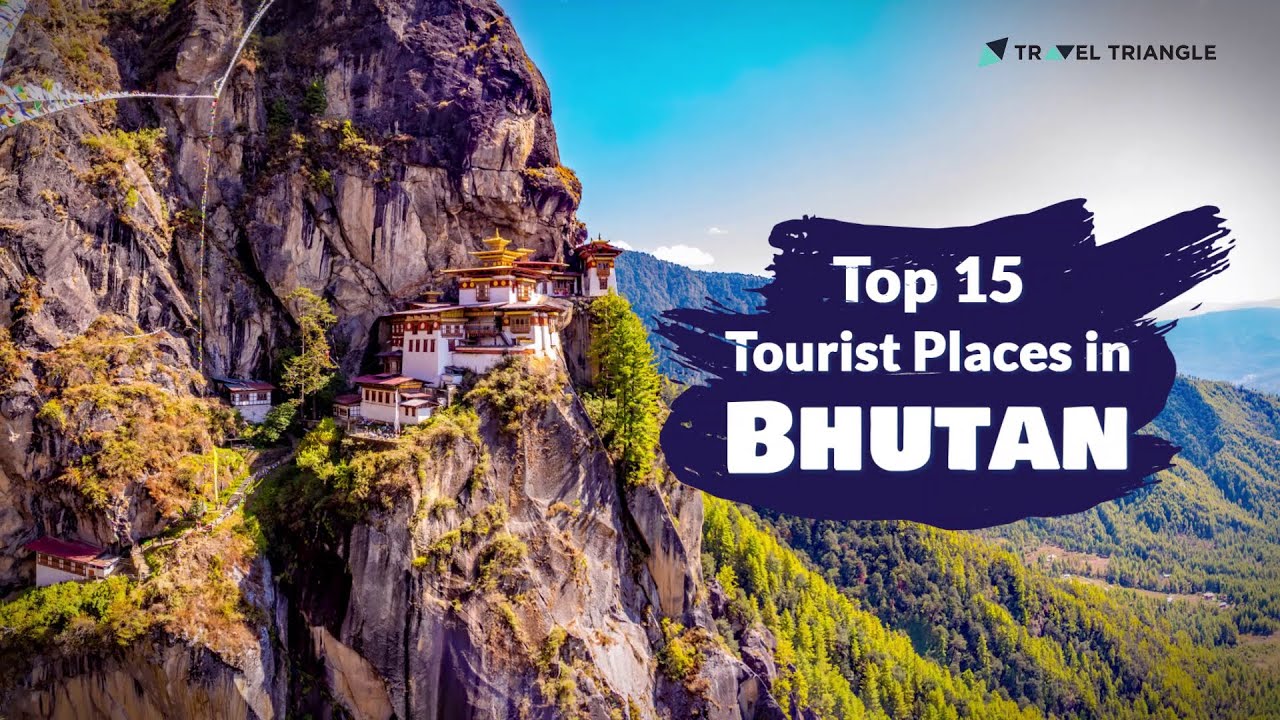
Credit: www.youtube.com
