
Choosing the right tent can make or break your outdoor experience. You might be wondering if spending more money on an expensive tent is really worth it, or if a budget option can do the job just as well.
This decision isn’t just about price—it affects your comfort, safety, and how much you enjoy your time outside. By the end of this article, you’ll know exactly what to look for in both budget and expensive tents, so you can pick the one that fits your needs and your wallet perfectly.
Keep reading to discover the hidden differences that could change the way you camp forever.
Cost Comparison
Comparing the cost of budget and expensive tents helps decide the right choice. Cost matters a lot for campers with different needs. Understanding the price differences guides smarter buys.
Initial Purchase Price
Budget tents cost less upfront, usually under $100. They are good for occasional use or short trips. Expensive tents often start above $200. They come with better materials and features. Paying more means better durability and comfort.
Long-term Value
Expensive tents last longer and handle rough weather well. They need fewer repairs or replacements. Budget tents might wear out quickly. Replacing them often can add up over time. Spending more first can save money in the long run.
Material Quality
Material quality plays a big role in how well a tent performs. It affects the tent’s strength, weight, and how long it lasts. Budget tents and expensive tents often use very different materials. Understanding these differences helps you choose the right tent for your needs.
Fabric Durability
Budget tents usually use thinner fabrics. These fabrics can tear or wear out faster. They might not protect well against heavy rain or strong sun. Expensive tents use thicker, stronger fabrics. These fabrics resist tears and keep water out better. They last longer even after many uses.
Frame Strength
Frames in budget tents often use cheaper materials like thin aluminum or fiberglass. These can bend or break easily. Expensive tents use high-quality aluminum or steel frames. These frames are stronger and more stable. They hold up better in wind and rough weather.
Design And Features
The design and features of tents affect your camping experience a lot. Budget tents and expensive tents differ in how they are built and what they offer. These differences impact comfort, usability, and durability during outdoor trips.
Expensive tents often use better materials and advanced designs. These tents focus on user comfort and protection. Budget tents tend to have simpler designs and fewer features. They still work well but may lack some comforts and extras.
Ventilation And Comfort
Good ventilation keeps the tent fresh and reduces moisture inside. Expensive tents usually have multiple vents and mesh panels. This improves airflow and keeps bugs out. Budget tents often have fewer vents, which can cause stuffiness. Some budget models use basic mesh windows, but airflow is limited.
Comfort features also vary. Expensive tents may have padded floors and adjustable rainflies. These features protect you from cold ground and rain. Budget tents have simpler floors and fixed rain covers. They provide basic shelter but less comfort for longer stays.
Additional Accessories
Extra accessories add convenience to your camping setup. Expensive tents often include gear pockets, vestibules, and built-in lighting hooks. These features help organize your gear and improve usability. Budget tents usually lack these extras or have fewer options. They focus on the tent’s main function without added items.
Some high-end tents come with repair kits and storage bags. These small additions help maintain the tent and keep it neat. Budget tents may offer basic bags but often no repair tools. Accessories can make a big difference in ease and comfort on the trail.
Ease Of Setup
Ease of setup is a key factor when choosing between budget and expensive tents. A quick and simple setup saves time and energy, letting you enjoy your trip faster. Some tents need more effort and skill, while others are designed for fast assembly. This section compares how easy it is to set up budget tents versus expensive ones.
Assembly Time
Budget tents often take longer to set up. They may have fewer features that help with fast assembly. Poles might be heavier or less flexible, causing delays. Expensive tents usually have better designs. Their poles and clips fit together quickly. You can pitch these tents in just a few minutes. Faster setup means more time for fun and less stress.
User-friendliness
Expensive tents focus on user-friendliness. Clear instructions and color-coded poles make setup easier. Many have pop-up or instant designs. These tents open up quickly with little effort. Budget tents may lack these features. They sometimes require more practice and patience. Novice campers might find expensive tents simpler and less frustrating to use.
Weather Resistance
Weather resistance is a key factor when choosing a tent. It affects comfort and safety outdoors. Budget tents and expensive tents handle weather differently. Understanding these differences helps make a smart choice. This section breaks down waterproofing, wind, and UV protection.
Waterproofing
Budget tents often use basic waterproof materials. They keep light rain out but may leak in heavy storms. Seams might not be fully sealed, allowing water inside. Expensive tents use high-quality fabrics and sealed seams. They resist heavy rain and stop water from seeping in. A good waterproof rating means the tent can handle strong showers without soaking you.
Wind And Uv Protection
Budget tents may struggle in strong winds. They use lighter poles and thinner fabrics. This makes them less stable and more prone to damage. Expensive tents have stronger poles and thicker fabric. They stand firm against wind and harsh weather. UV protection is also better in costly tents. Their materials block more sun rays, keeping the tent cooler and preventing fabric fading.
Weight And Portability
Weight and portability are key factors when choosing a tent. They affect how easy it is to carry and set up the tent. Budget tents tend to be heavier and bulkier. Expensive tents usually use lightweight materials and smart designs. This makes a big difference for hiking or camping trips.
Pack Size
Budget tents often pack into larger, awkward shapes. They need more space in your backpack or car. Expensive tents are designed to fold down small. They fit easily in tight spaces. Smaller pack size means less hassle during travel. It also leaves room for other gear.
Transport Convenience
Heavy tents can slow you down on the trail. Budget tents add extra pounds and can be hard to carry. Expensive tents use light poles and thin fabric. This reduces weight and makes carrying easier. Some come with carrying bags or straps for better handling. Easy transport lets you focus on your adventure.
Target Users
Choosing between budget and expensive tents depends on the user’s needs. Different campers require different features. Understanding the target users helps pick the right tent. This section explains who benefits from budget tents and who should invest in costly ones.
Casual Campers
Casual campers camp a few times a year. They prefer easy and simple tents. Budget tents suit them well. These tents are affordable and easy to set up. Casual campers do not need heavy-duty materials. Lightweight and small tents work best for short trips. They want comfort without spending too much.
Frequent And Hardcore Campers
Frequent campers camp many times yearly. Hardcore campers go on tough and long trips. They need strong and durable tents. Expensive tents offer better protection and weather resistance. These tents last longer and handle rough conditions. Frequent campers value comfort and safety above price. Investing in a good tent saves money over time.

Credit: www.youtube.com
Maintenance And Repairs
Maintaining and repairing tents affects their lifespan and performance. Budget and expensive tents differ in how easy they are to clean and fix. Knowing these differences helps you keep your tent in good shape.
Cleaning Requirements
Budget tents often need more careful cleaning. Their fabric may stain or wear out faster. Use mild soap and a soft brush to clean gently. Avoid harsh chemicals that can damage the material.
Expensive tents usually have stronger fabrics and coatings. They resist dirt and water better. Cleaning is simpler and less frequent. Still, regular removal of dirt and moisture keeps them fresh.
Repair Options
Budget tents may have limited repair options. Patches and tape can fix small tears but might not last long. Finding exact replacement parts can be hard. Repairs need more care to avoid further damage.
Expensive tents offer more durable repair choices. Manufacturers often provide parts and repair kits. Professional repairs are easier to get. These tents handle repairs without losing much strength.
Popular Brands
Tent brands vary widely in price and quality. Popular brands offer choices for different budgets. Some brands focus on affordability without sacrificing basic features. Others provide high-end tents with advanced materials and designs. Knowing popular brands helps pick the right tent for your needs.
Affordable Options
Brands like Coleman and Alps Mountaineering make budget-friendly tents. These tents suit casual campers and beginners. They often use lighter materials but stay durable. Assembly is usually simple and fast. These brands offer good value with reliable protection from weather.
Premium Choices
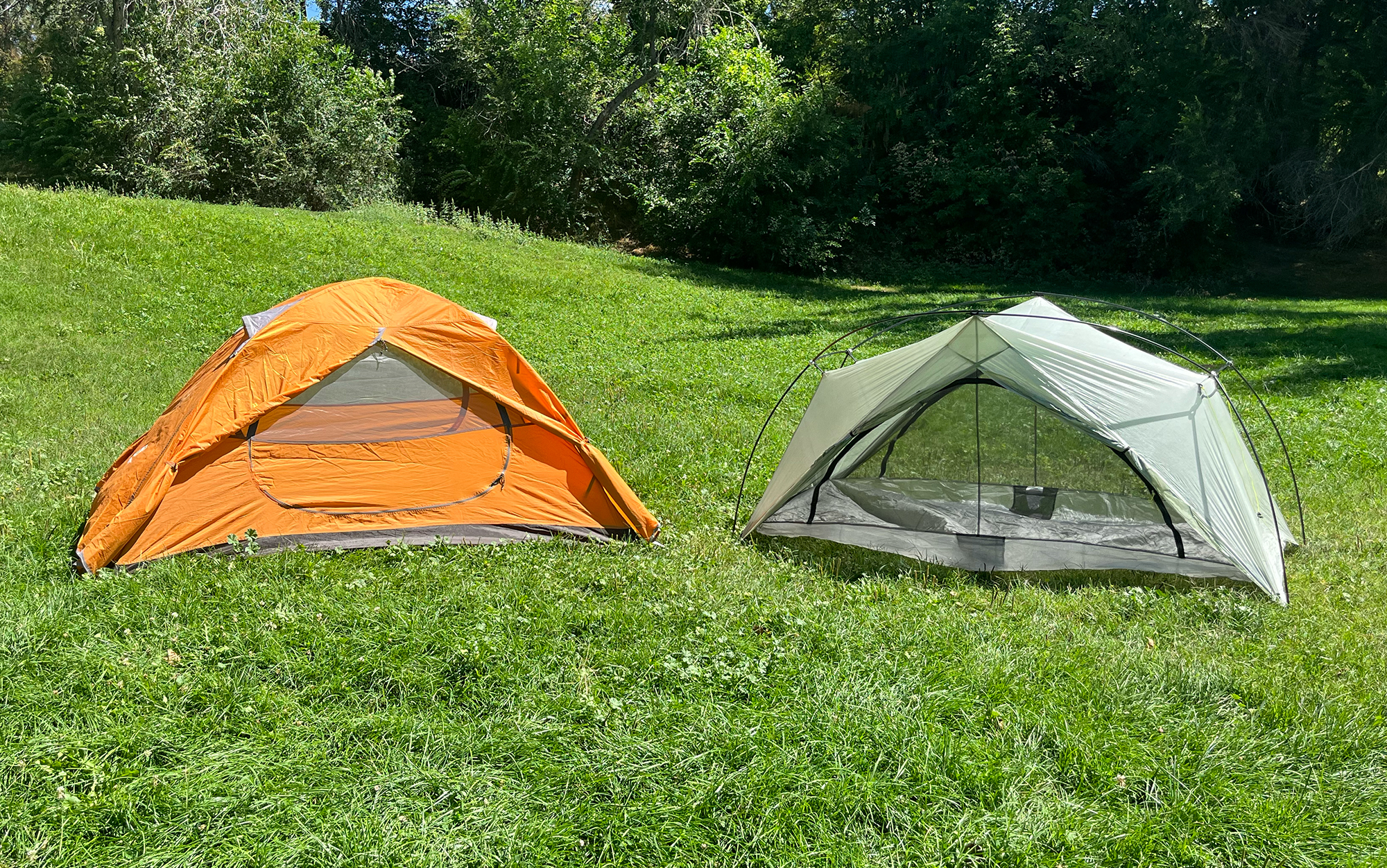
Brands such as MSR and Big Agnes target serious campers and adventurers. Their tents use strong, lightweight fabrics and poles. Designs focus on ventilation, weather resistance, and easy setup. These tents last longer and perform well in tough conditions. Premium brands often include extra features like multiple doors and storage pockets.

Credit: www.youtube.com
Credit: www.outdoorlife.com
Frequently Asked Questions
What Are The Main Differences Between Budget And Expensive Tents?
Budget tents usually offer basic materials and simple designs. Expensive tents use high-quality fabrics, advanced features, and durable construction. The pricier tents provide better weather resistance, comfort, and longevity, making them ideal for frequent or harsh outdoor use.
Are Expensive Tents Worth The Extra Cost?
Expensive tents often justify their cost with superior durability, weather protection, and comfort. They perform better in extreme conditions and last longer. However, casual campers or occasional users might find budget tents sufficient for their needs and save money.
How Does Tent Weight Differ Between Budget And Expensive Models?
Budget tents tend to be heavier due to cheaper materials. Expensive tents use lightweight fabrics and poles, ideal for backpacking. Weight differences can impact portability and ease of setup, especially on long trips.
Can Budget Tents Handle Harsh Weather Conditions?
Most budget tents are designed for mild weather and light use. They may struggle against heavy rain, strong winds, or snow. Expensive tents offer better sealing, sturdier frames, and enhanced weatherproofing for extreme environments.
Conclusion
Choosing between budget and expensive tents depends on your needs. Budget tents suit casual campers and short trips. Expensive tents offer better durability and weather protection. Think about how often you camp and where. A good tent keeps you safe and comfortable.
Spend wisely to enjoy your outdoor adventures fully. Remember, the best tent fits your plans and budget. Simple and smart choices make camping more fun.
