
Butane Vs Propane Vs Isobutane: Complete Guide to Choosing the Right Gas
Choosing between butane, propane, and isobutane can be confusing. If you are a camper, chef, or someone who needs portable fuel, knowing the difference is important. These gases are found in stoves, heaters, lighters, and even refrigeration. But what makes them different? Why does it matter which one you pick? Many people buy a gas canister without understanding the science or practical impacts. This guide will help you understand these gases in simple words. You will learn about their properties, uses, safety tips, and how they compare in real-world situations. By the end, you will know which gas is best for your needs.
What Are Butane, Propane, And Isobutane?
Before comparing, let’s understand what these gases are and where you might see them.
Butane
Butane is a hydrocarbon gas. It is colorless, odorless (until odor is added for safety), and highly flammable. The chemical formula is C4H10. Butane is found in portable stoves, lighters, and some aerosol sprays. It is stored as a liquid under pressure and turns into gas when released.
Propane
Propane is another hydrocarbon, with the formula C3H8. It is also colorless, flammable, and odorless (with added smell for safety). Propane is widely used in home heating, cooking, outdoor grills, and RVs. It is stored as a liquid in tanks and is released as gas.
Isobutane
Isobutane (also called methylpropane) is a structural form of butane. It has the same formula (C4H10) but a different arrangement of atoms. Isobutane is used in camping fuel canisters, refrigeration, and aerosol sprays. It is known for better performance in cold weather compared to normal butane.
Physical Properties And Performance
The physical properties of each gas affect how and where you can use them.
Vapor Pressure And Boiling Point
These two properties are key when choosing a gas for outdoor or indoor use.
| Property | Butane | Propane | Isobutane |
|---|---|---|---|
| Boiling Point (°F) | 31 | -44 | 11 |
| Boiling Point (°C) | -0.5 | -42 | -11.7 |
| Vapor Pressure at 70°F (psi) | 16 | 110 | 24 |
Boiling Point shows the lowest temperature at which the gas turns from liquid to gas. The vapor pressure is the pressure the gas creates in the canister. Higher vapor pressure means the gas can flow better, especially in cold weather.
Performance In Cold Weather
- Butane stops working below 32°F (0°C). If you camp in cold places, your stove might not light.
- Propane works well in extreme cold, even below -40°F (-40°C). This is why propane is popular for winter campers.
- Isobutane is better than butane in cold. It works down to about 11°F (-11.7°C), making it a good choice for cool climates.
One non-obvious insight: Many beginners think all gases are equal. But if you camp in winter or high altitudes, butane can fail you. Isobutane and propane are more reliable.
Energy Content
How much heat do these gases provide? This matters if you want to boil water fast or cook food.
| Gas | Energy Content (BTU per lb) | Energy Content (MJ per kg) |
|---|---|---|
| Butane | 21,200 | 49.5 |
| Propane | 21,600 | 50.3 |
| Isobutane | 21,300 | 49.7 |
BTU means British Thermal Unit, a measure of heat. Propane gives a bit more energy per pound than butane or isobutane. But the difference is small.
Storage And Safety
All three gases are stored in metal canisters. Propane tanks are usually heavier and larger. Butane and isobutane canisters are smaller and lighter. Propane tanks are more robust and safer for long-term storage. Butane and isobutane canisters can dent or leak more easily.
A common mistake: Storing butane or isobutane canisters in hot cars can cause them to burst. Always store in cool, dry places.
Credit: cheaprvliving.com
Uses: Where Each Gas Fits Best
Each gas has special uses. Knowing where to use them can save you money and trouble.
Butane
- Camping stoves: Butane is popular for light, portable stoves.
- Lighters: Most pocket lighters use butane.
- Indoor cooking: Some portable cookers use butane.
Butane is easy to transport and good for short trips in mild weather.
Propane
- Outdoor grills: Most BBQ grills use propane tanks.
- Home heating: Many homes use propane for heating.
- RV and camping: Propane is the main fuel for campers, RVs, and trailers.
- Industrial uses: Forklifts, generators, and even vehicles use propane.
Propane is strong, reliable, and works in all weather.
Isobutane
- High-altitude camping: Isobutane performs better than butane when temperatures drop.
- Lightweight stoves: Many advanced backpacking stoves use isobutane.
- Aerosol propellant: Used in sprays for its stable properties.
Isobutane is good for serious campers and hikers.
Price And Availability
Price and how easy it is to find are important for most buyers.
Cost Comparison
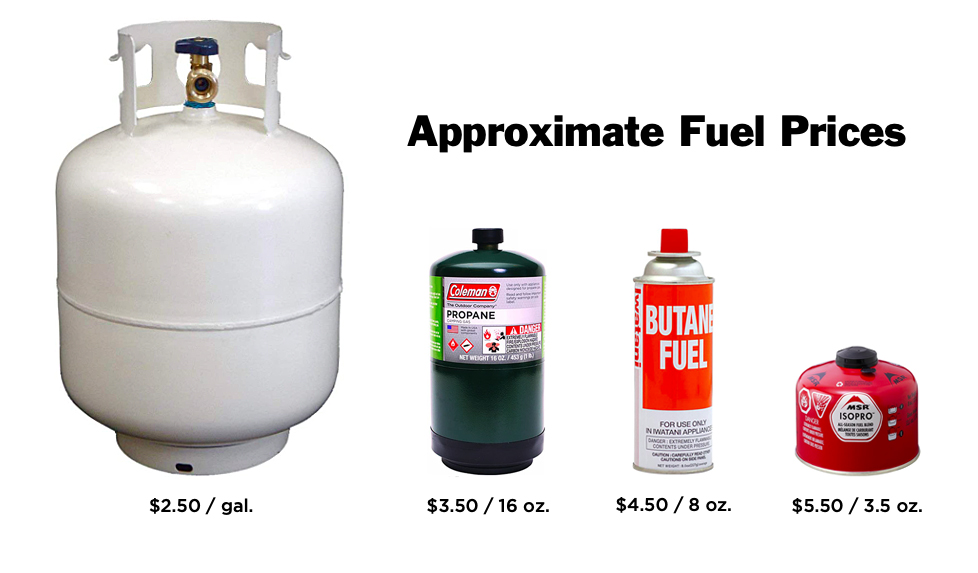
Butane and isobutane canisters are usually more expensive per unit than propane. Propane is sold in larger tanks (like 20 lb tanks for grills), so the price per pound is lower.
- Propane: Cheapest per pound. Tanks can be refilled.
- Butane: More expensive. Canisters are not refillable.
- Isobutane: Often the most expensive. Specialized canisters.
Availability
- Propane: Available in supermarkets, gas stations, hardware stores.
- Butane: Found in outdoor shops, Asian markets, some hardware stores.
- Isobutane: Outdoor specialty stores and online.
One insight: Isobutane is harder to find in remote areas. If you travel far, carry extra canisters.
Credit: wildernesstimes.com
Safety And Handling Tips
Safety is critical with any gas. Each has risks, but you can reduce them by following guidelines.
General Safety Tips
- Always store canisters away from heat and direct sunlight.
- Check for leaks before use. Use soapy water on connections; bubbles show leaks.
- Never use gas indoors without proper ventilation.
- Keep spare canisters away from open flames.
Specific Hazards
- Butane: Can cause frostbite if released on skin. Heavier than air, so it can settle and cause explosions in low places.
- Propane: Highly flammable, explosive if tanks are damaged. Propane is heavier than air, can collect in basements.
- Isobutane: Similar to butane but less toxic. Still, treat with care.
A common mistake: People sometimes try to refill disposable butane canisters. This is dangerous and illegal in many places.
Environmental Impact
Caring for the planet matters. How do these gases affect the environment?
Carbon Footprint
All three gases are fossil fuels. When burned, they release CO2. Butane, propane, and isobutane are cleaner than coal or gasoline, but they still contribute to climate change.
- Propane produces less soot and CO2 compared to butane.
- Butane has slightly higher emissions.
- Isobutane is similar to butane in emissions.
Disposal
Empty gas canisters are a problem. They are not always recyclable. Some cities have special disposal programs. Never throw canisters in regular trash.
One insight: Propane tanks can be refilled and reused, reducing waste. Butane and isobutane canisters are mostly disposable.
Choosing The Right Gas: Factors To Consider
When choosing between butane, propane, and isobutane, several factors matter.
Weather Conditions
- Cold weather: Propane is best. Isobutane is second best.
- Mild weather: Butane or isobutane is fine.
Weight And Portability
- Light travel: Butane and isobutane canisters are lighter.
- Heavy-duty: Propane tanks are heavier but last longer.
Cost
- Budget: Propane is cheaper for large uses.
- Short trips: Butane and isobutane are more expensive but easier to carry.
Availability
- Remote areas: Propane is easier to find.
- Specialty stores: Isobutane is available for high-performance stoves.
Stove Compatibility
Not all stoves work with every gas. Check your stove’s manual. Some stoves are designed for specific canister types.
A non-obvious insight: Mixing gases is not safe. Never try to use a propane tank on a butane stove or vice versa.
Real-life Examples
Let’s look at some real-world situations.
Camping In Winter
If you are camping in snow, propane is the only reliable choice. Butane will not vaporize, leaving you without cooking fuel. Isobutane can work if temperatures are just below freezing.
Backpacking In Summer
Butane is fine for summer. It is cheap, light, and easy to use. Isobutane is a bit more expensive but gives better performance if nights get cold.
Home Heating
Propane is used for home heating because it works in all conditions and can be stored in big tanks. Butane is not used for heating homes.
Emergency Preparedness
Propane tanks last a long time and can be stored outside. Butane and isobutane canisters are good for emergency kits but do not last as long.
Technical Comparison: Gas Mixes
Some Fuel Canisters Mix Gases. Why?
Mixed Fuel Canisters
Many camping canisters use a mix of propane, butane, and isobutane. The mix gives better performance in cold and mild weather.
Typical mix:
- 40% isobutane
- 30% propane
- 30% n-butane
The mix keeps vapor pressure high and allows use in a wider range of temperatures.
Why Not Pure Gases?
Pure propane needs stronger, heavier canisters. Mixing with butane and isobutane allows use of lighter cans.
One insight: Mixed gas is safer for hikers who travel across different climates.
Regulatory And Legal Aspects
There are laws about gas storage and transport.
Transport Limits
Airlines do not allow gas canisters on planes. Some countries limit how much gas you can carry in cars or RVs. Always check local rules.
Labeling
All gas canisters must show:
- Type of gas
- Weight
- Safety warnings
Never use unlabeled canisters.
Comparison Table: Summary
Here is a quick summary of key differences.
| Feature | Butane | Propane | Isobutane |
|---|---|---|---|
| Cold Weather Use | Poor | Excellent | Good |
| Energy Content | High | Highest | High |
| Portability | Lightweight | Heavy | Lightweight |
| Availability | Moderate | High | Low |
| Cost | Higher | Lower | Highest |
| Refillable? | No | Yes | No |
| Safety | Moderate | High | Moderate |
Tips For Choosing And Using Gas Canisters
- Check climate: If traveling in cold, pick propane or mixed gas.
- Match stove: Always use the gas your stove is designed for.
- Carry extra: Bring spare canisters for long trips.
- Store safely: Keep gas out of cars and direct sun.
- Dispose properly: Use recycling programs for empty canisters.
- Inspect before use: Check for rust, dents, or leaks.

Credit: www.reddit.com
Advanced Insights: Gas Behavior And Efficiency
Why Propane Works In Cold
Propane has a lower boiling point, so it vaporizes even when temperatures drop very low. This means your stove will always light, even in winter.
Isobutane’s Molecular Structure
Isobutane’s branched structure makes it vaporize better than regular butane. This is why it is chosen for high-altitude stoves.
Efficiency In Cooking
The efficiency of each gas depends not just on energy content, but on how it vaporizes and burns. Propane burns hotter, so you can boil water faster. Butane and isobutane are gentler, which is sometimes better for simmering food.
Common Myths About Butane, Propane, And Isobutane
- All gases are equal: Not true. Propane is much better in cold.
- Canisters can be refilled: Only propane tanks are designed for refilling.
- Mixing gases is safe: Never mix different gases unless the canister is made for it.
- Gas lasts forever: All gases can leak over time. Always check expiration dates and seals.
Practical Advisor’s Recommendations
If you are new to camping or need portable fuel, here are some simple suggestions:
- For cold weather or unpredictable climates, propane is safest.
- For lightweight summer trips, butane is fine.
- For advanced hiking or high-altitude camping, isobutane or mixed gas is best.
- If you want to save money and avoid waste, use refillable propane tanks.
- Always buy from trusted brands and stores.
For more detailed technical data, you can read the official Liquefied Petroleum Gas Wikipedia page.
Frequently Asked Questions
What Is The Difference Between Butane And Isobutane?
Butane and isobutane have the same chemical formula (C4H10), but their atoms are arranged differently. Isobutane works better in cold temperatures because it has higher vapor pressure. Both are used in portable stoves, but isobutane is preferred for cold or high-altitude trips.
Can I Use Propane In A Butane Stove?
No. Propane canisters are built for higher pressure. Butane stoves cannot handle this and may explode or leak. Always use the gas type recommended by your stove’s manufacturer.
Are Butane, Propane, And Isobutane Safe For Indoor Use?
Propane and butane are not safe to use indoors unless you have proper ventilation. Burning these gases produces carbon monoxide, which can be deadly. Only use indoor-rated appliances and never use gas stoves in closed spaces.
Which Gas Is More Environmentally Friendly?
All three gases are fossil fuels and release CO2. Propane burns cleaner than butane and isobutane, producing less soot and emissions. However, the environmental impact also depends on how you dispose of the canisters and tanks.
How Long Does A Gas Canister Last?
It depends on the size and usage. A small 8 oz butane or isobutane canister lasts about 1. 5–2 hours on full stove power. A 20 lb propane tank can last up to 18–20 hours on a grill. Always check manufacturer guidelines and bring extra for longer trips.
Final Thoughts
Choosing between butane, propane, and isobutane is not just about price or convenience. It is about safety, performance, and matching the right gas to your needs. Propane is strong and reliable for cold and heavy-duty use. Butane is light and easy for mild weather trips. Isobutane is the high-performance choice for challenging conditions. Knowing the differences helps you avoid common mistakes, save money, and stay safe. Always check your stove’s instructions, store gas properly, and never take risks with unknown canisters. With this knowledge, you can make confident decisions for your next adventure or emergency.
