
A campfire is more than just flames in the dark. It’s warmth, food, light, and a place where stories are shared. But sometimes, making a real campfire is not possible. Fire bans, weather, safety rules, or lack of wood can stop you. So, what can you do when you want that cozy feeling, or need to cook, but can’t light a real fire? There are many campfire alternatives that can give you similar benefits. Some are for cooking, some for light, and some just for atmosphere. Choosing the right one depends on your needs, location, and budget. In this guide, you’ll discover practical options, learn when to use each, and see real-world examples. Whether you camp in the wild or your backyard, you’ll find solutions that work.
Why Campfire Alternatives Matter
Campfires are a tradition, but they are not always safe. Wildfires are increasing, and many parks have strict fire bans during dry seasons. According to the U.S. Forest Service, nearly 90% of wildfires are caused by humans, and unattended campfires are a major reason. Even small fires can get out of control in windy or dry conditions. Besides safety, some places simply don’t allow fires due to pollution or wildlife protection.
Campfire alternatives solve these problems. They can be safer, cleaner, and more reliable. Some options let you cook or stay warm, others provide light or ambiance without the risks of open flames. Modern alternatives are lightweight and easy to use, making them popular for backpacking and urban camping.
Knowing your options means you’re prepared for any situation.
Main Types Of Campfire Alternatives
There is no single best substitute. The right choice depends on what you need: cooking, warmth, light, or mood. Let’s look at the main categories.
Portable Stoves
Portable stoves are the most common campfire replacement for cooking. They use gas, liquid fuel, or solid fuel tablets. They are fast, safe, and easy to start. You can boil water, fry food, or simmer stew without making a mess. These stoves are allowed in most places where open fires are banned.
Lanterns And Led Lights
If you need light or atmosphere, lanterns and LED lights are excellent. They don’t produce smoke and won’t attract insects like fire sometimes does. Modern battery-powered lights are bright, long-lasting, and can be recharged with solar panels.
Electric And Battery Heaters
For warmth, electric or battery-powered heaters are becoming popular. They do not produce flames, making them safe for tents and cabins. Some models run on portable power stations or car batteries.
Gas Fire Pits
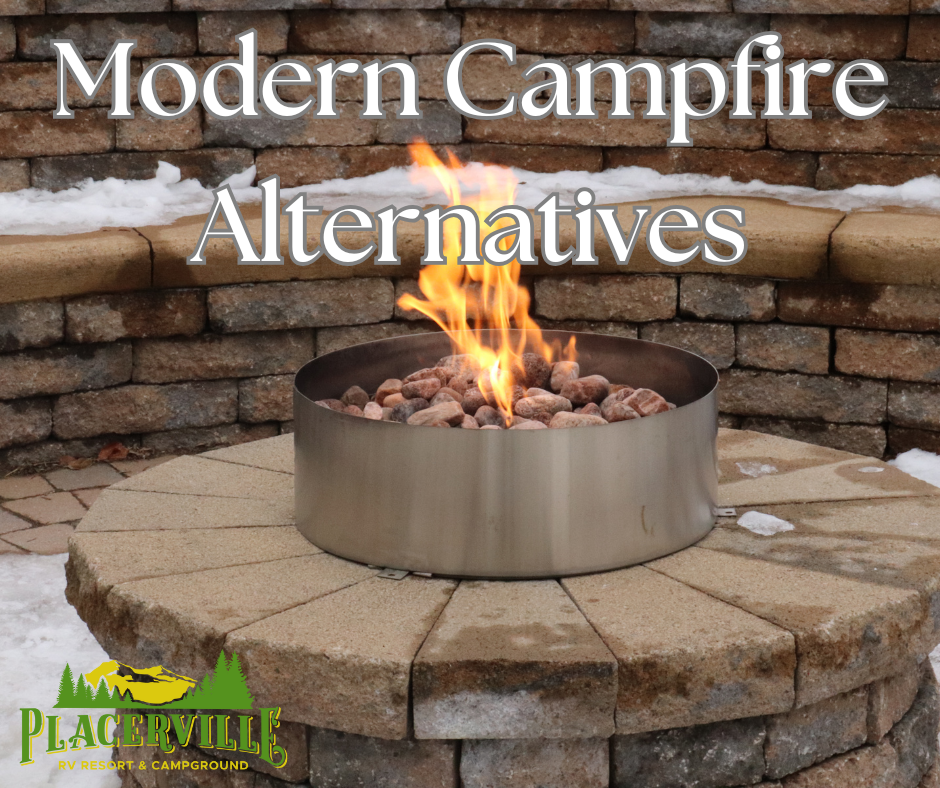
Gas fire pits use propane or butane to create controlled flames. They offer the feel of a real campfire but are easier to turn off and adjust. Many public campsites allow gas fire pits even during fire bans.
Candle Alternatives
Candles are simple, cheap, and create soft light. They are not as bright or warm as a campfire, but they work well for mood lighting or small group gatherings.
Solar Solutions
Solar-powered lanterns, cookers, and heaters are eco-friendly. They work best in sunny locations and are ideal for long trips where you don’t want to carry extra fuel.
Portable Stove Options
Portable stoves are made for campers who want to cook without building a fire. Here are some popular types:
- Canister Gas Stoves: These run on small propane or butane canisters. They ignite quickly and are easy to carry.
- Liquid Fuel Stoves: Use white gas, kerosene, or alcohol. They work well in cold weather and can handle larger pots.
- Solid Fuel Stoves: Burn small fuel tablets. Light, cheap, but not as powerful for cooking big meals.
- Wood-Burning Stoves: Use sticks and twigs, but keep flames contained. Still risky in fire-ban areas.
Here’s a quick comparison of the main stove types:
| Type | Fuel | Weight | Best Use | Fire Ban Safe? |
|---|---|---|---|---|
| Canister Gas | Propane/Butane | Light (1-2 lbs) | Backpacking | Yes |
| Liquid Fuel | White Gas/Kerosene | Medium (2-4 lbs) | Cold Weather | Yes |
| Solid Fuel | Fuel Tablets | Very Light (<1 lb) | Emergency | Yes |
| Wood-Burning | Twigs/Sticks | Medium (2-3 lbs) | Survival | No |
Non-obvious insight: Many beginners forget to check if stoves are allowed during fire bans. Even wood-burning stoves are often banned, while gas stoves are accepted.
Lanterns And Led Camp Lights
Lighting is important for safety and comfort. Lanterns and LED lights are now more advanced than ever. They come in many shapes and sizes:
- LED Lanterns: Bright, battery-powered, and often have adjustable settings.
- Headlamps: Useful for hands-free tasks.
- String Lights: Create a cozy, festive mood. Easy to hang around tents or trees.
- Solar Lanterns: Recharge with sunlight. Great for long trips.
LED lights can last up to 100 hours on one set of batteries. They are safe for kids and pets, and most models are water-resistant.
Practical tip: Choose lanterns with a red-light mode. Red light preserves night vision and attracts fewer bugs.
Gas Fire Pits
Gas fire pits are as close as you can get to a real campfire without breaking fire bans. They are fueled by propane or butane and are easy to control. Most portable models weigh 15–25 pounds, and some are small enough for car camping.
Advantages:
- No sparks or flying embers
- Can be used during fire bans (check local rules)
- Adjustable flame size
- No need to gather wood
Disadvantages:
- Heavier than some alternatives
- Requires gas canisters
- Not as portable for backpackers
Here’s a simple comparison table of gas fire pits vs. traditional campfires:
| Feature | Gas Fire Pit | Campfire |
|---|---|---|
| Safety | High | Low |
| Fire Ban Allowed | Often Yes | No |
| Smoke | None | Yes |
| Setup Time | Quick | Slow |
| Atmosphere | Good | Best |
Experience-based advice: Gas fire pits are ideal for families and groups who want a safe, controlled flame. Always check park rules before bringing one.
Electric And Battery Heaters
When camping in cold places, warmth is essential. Electric heaters can be powered by portable batteries, car outlets, or solar power stations. They don’t burn fuel, so they are safe inside tents and vehicles.
Types:
- Portable Electric Heaters: Plug into power stations. Good for cabins or RVs.
- Heated Blankets: Lightweight, safe for tents.
- Battery Hand Warmers: Small, rechargeable. Good for pockets.
Common mistake: Using heaters that need too much power. Always check your battery capacity before buying.
Practical tip: Combine a heated blanket with an insulated sleeping bag for best results.
Candle And Flame Alternatives
Candles are simple, but there are safer alternatives:
- LED Candles: Look like real candles but are battery powered.
- Tea Light Candles: Small, easy to carry, but should be used with caution.
- Citronella Candles: Help keep bugs away, but not very bright.
Friendly mentor advice: Candle alternatives are best for mood lighting, not for cooking or warmth.
Solar-powered Solutions
Solar technology is changing camping. Solar-powered lanterns, cookers, and heaters are now common. They are clean, safe, and require no fuel.
Solar Lanterns: Recharge in the sun and can last several nights.
Solar Cookers: Use mirrors to focus sunlight and cook food. Work best in sunny places and are slow compared to stoves.
Solar Blankets: Provide gentle warmth during the day.
Here’s a comparison of solar alternatives vs. traditional options:
| Use | Solar Option | Traditional Option |
|---|---|---|
| Lighting | Solar Lantern | LED/Battery Lantern |
| Cooking | Solar Cooker | Gas Stove |
| Warmth | Solar Blanket | Electric Heater |
Non-obvious insight: Solar cookers need several hours of direct sunlight. Many campers underestimate the time and get frustrated.
Campfire Alternatives For Atmosphere
Sometimes you want the feeling of a campfire, not just the heat or light. Here are creative options:
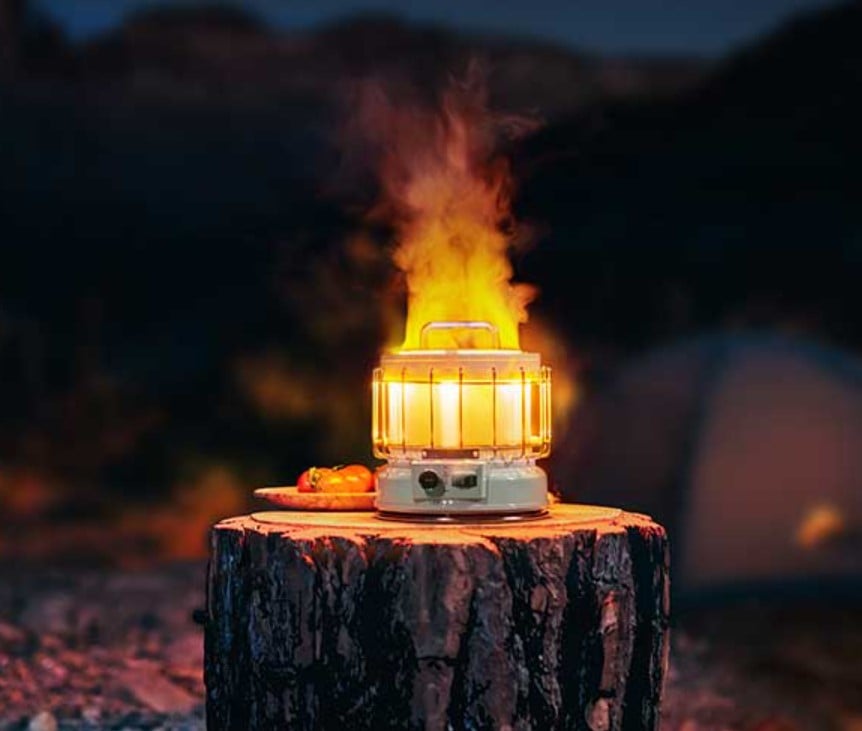
- LED Campfire Simulators: Lanterns or devices that use flickering lights to mimic flames.
- String Lights: Hang around your camp area for a warm glow.
- Portable Speakers: Play campfire sounds or music to create a cozy mood.
Practical advisor tip: Atmosphere is about more than light. Bring a blanket, tell stories, and share snacks to create a campfire-like experience.
Comparing Campfire Alternatives
Choosing the best campfire alternative depends on your needs. Let’s compare options for cooking, warmth, lighting, and atmosphere.
| Need | Best Alternative | Pros | Cons |
|---|---|---|---|
| Cooking | Gas Stove | Quick, reliable, safe | Needs fuel |
| Warmth | Electric Heater | No flame, safe | Needs power |
| Lighting | LED Lantern | Bright, long-lasting | Batteries required |
| Atmosphere | Gas Fire Pit | Real flame, cozy | Heavy, needs gas |
Experience-based guide: For backpackers, choose lightweight stoves and lanterns. For car campers, gas fire pits and electric heaters offer more comfort.
Safety And Legal Considerations
Every alternative has its own rules. Here are key points:
- Check Local Regulations: Always ask if stoves, fire pits, or heaters are allowed. Rules change by location and season.
- Use Fire Ban Safe Options: Gas stoves and electric devices are usually allowed, but wood-burning stoves may be banned.
- Follow Manufacturer Instructions: Improper use of heaters or stoves can cause accidents.
- Keep Distance: Place devices away from tents, dry grass, and flammable materials.
- Have Backup Lighting: Always carry a spare flashlight or lantern in case batteries die.
Practical advisor insight: Many campers assume gas fire pits are always allowed. Some parks ban them during extreme fire danger, so check ahead.
Environmental Impact
Campfire alternatives can reduce your environmental footprint:
- No wood gathering: Protects forests and habitats.
- Less smoke and pollution: Good for air quality and health.
- Reusable devices: Many alternatives last for years.
According to the National Park Service, using stoves and lanterns instead of fires helps keep campsites clean and safe for wildlife.
Non-obvious advice: Clean your devices after each trip to avoid attracting animals with food smells.
Cost And Budget Tips
Prices for campfire alternatives range from a few dollars to several hundred. Here’s how to choose wisely:
- Set your priorities: Decide if you need cooking, warmth, light, or just atmosphere.
- Compare features: Look for adjustable settings, battery life, and durability.
- Don’t overspend: Many basic stoves and lanterns work as well as expensive models.
- Check for sales: Outdoor stores offer discounts at the end of camping season.
Practical tip: Buy multi-use devices. Some lanterns can charge phones, or stoves can boil water and fry food.
Real-world Examples
Camping styles vary. Here are examples of how people use alternatives:
Backpackers: Often choose gas stoves and LED headlamps. Weight and battery life are the main concerns.
Families: Prefer gas fire pits for safety and group atmosphere. Electric heaters are popular in cabins.
Solo Campers: Use small stoves and solar lanterns. Simplicity and reliability matter.
Urban Campers: LED string lights and electric heaters are common in backyards or patios.
Friendly mentor advice: Test your gear at home before your trip. This prevents surprises and helps you learn how each device works.
Credit: www.placervillervresort.com
Common Mistakes And How To Avoid Them
- Ignoring regulations: Always check rules before your trip.
- Using wrong fuel: Gas stoves need specific canisters, solid fuel stoves need the right tablets.
- Overpacking: Don’t bring heavy fire pits if you plan to hike.
- Forgetting batteries: Always pack extra batteries or chargers.
- Not testing gear: Practice setting up your stove or lantern before camping.
Straight-to-the-point helper insight: Most problems happen when campers are unprepared. A quick test at home can save hours in the wild.
How To Choose The Right Campfire Alternative
Choosing the best option depends on your camping style, group size, and location.
- Solo campers: Lightweight stoves and lanterns are best.
- Groups: Gas fire pits and large lanterns offer more comfort.
- Backcountry: Choose battery-powered or solar devices for safety.
- RV or cabin: Electric heaters and string lights create a cozy environment.
Calm expert guidance: If you’re unsure, start with a simple gas stove and LED lantern. Upgrade as you gain experience.
Credit: metalcloak.com
Maintenance And Storage Tips
Keep your devices in good condition:
- Clean after each use: Food spills can attract animals.
- Check for leaks: Gas stoves and fire pits must be inspected regularly.
- Store batteries safely: Remove them between trips to prevent corrosion.
- Protect from moisture: Keep gear dry to avoid damage.
Non-obvious insight: Storing devices in airtight containers prevents rust and keeps them ready for your next adventure.
Sustainable Campfire Alternatives
Eco-friendly options are becoming popular:
- Solar lanterns and cookers: No fuel needed.
- Reusable LED lights: Last for years, less waste.
- Rechargeable batteries: Reduce trash from disposables.
According to the National Renewable Energy Laboratory, solar camping gear can reduce energy use by up to 70% compared to gas or wood.

Credit: www.reddit.com
Where To Buy Campfire Alternatives
Most outdoor stores and online retailers sell these products. Look for brands with good reviews and warranties. Some popular places include:
- REI
- Bass Pro Shops
- Amazon
- Local camping stores
For reliable information and tips, visit the REI Expert Advice page.
Practical advisor tip: Buy during off-season for better deals and less crowd.
Frequently Asked Questions
What Campfire Alternatives Are Safest For Kids?
LED lanterns and electric heaters are safest. They don’t have open flames, and most are cool to the touch. Gas fire pits are safe with adult supervision, but candles and wood stoves should be avoided near children.
Can I Use A Gas Stove During A Fire Ban?
Yes, in most places. Gas stoves are usually allowed because they don’t produce sparks. Always check local rules before your trip, as regulations can change quickly.
How Long Do Led Lanterns Last On One Charge?
Most LED lanterns last 20–100 hours, depending on brightness settings and battery size. Solar lanterns can be recharged daily in sunny conditions.
Are Solar Cookers Practical For Camping?
Solar cookers work well in sunny locations, but they are slower than gas stoves. They are best for simple meals and require patience. Not ideal for cloudy days or fast cooking.
What Is The Best Campfire Alternative For Backpacking?
A canister gas stove and a compact LED lantern are best for backpackers. They are lightweight, reliable, and work in most conditions. Avoid heavy fire pits and large heaters.
Campfire alternatives have changed the way we camp. They offer safety, convenience, and new possibilities for cooking, warmth, and atmosphere. With so many options, you can always find a solution that fits your needs and keeps you within the rules.
Whether you’re camping in the wild, a backyard, or a cabin, knowing your alternatives makes every trip safer and more enjoyable. Choose wisely, test your gear, and enjoy the adventure.
