
Have you ever wondered if you can set up your tent right in the middle of a vast field? Using agricultural land for camping might sound unusual, but it’s becoming more popular than you think.
If you’re dreaming of a peaceful night under the stars, surrounded by nature, this could be the perfect spot. But before you pack your gear, there are important things you need to know about rules, safety, and the impact on the land.
Keep reading to find out if your next camping adventure can happen on agricultural land—and how to do it the right way.
Agricultural Land Basics
Agricultural land plays a key role in food production and rural life. It includes fields, pastures, and orchards used for growing crops or raising animals. Understanding the basics of agricultural land helps in knowing its uses and limits. This knowledge is important when considering camping on such land.
Types Of Agricultural Land
Agricultural land comes in several types. Crop land is used for growing grains, vegetables, and fruits. Pasture land supports grazing animals like cows and sheep. Orchards and vineyards grow fruit trees and grapevines. Each type has specific needs and uses. Some land is more suitable for farming than others. Soil quality, water access, and climate affect the land’s use. Knowing the type helps decide if camping is possible or safe.
Land Ownership And Rights
Ownership of agricultural land varies widely. Some landowners farm their property. Others lease it to farmers or companies. Rights to use the land depend on ownership and local laws. Trespassing on private land is illegal and can lead to fines. Permission from the landowner is essential before camping. Some areas have restrictions to protect crops and animals. Understanding land rights avoids conflicts and respects property rules.
Legal Aspects Of Camping On Farmland
Camping on agricultural land is not always simple. Legal rules guide what you can and cannot do on farmland. These rules protect farms and ensure safety for campers. Understanding these laws helps avoid fines or trouble.
Farm owners and campers must follow local and national laws. Laws differ by area. Knowing the rules helps respect the land and farm activities.
Zoning Laws And Regulations
Zoning laws control how land can be used in a specific area. Farmland often has strict zoning rules. These rules limit activities like building or camping. Some zones allow temporary camping. Others do not allow any overnight stays.
Zoning laws also protect farming operations. They keep noise, waste, and traffic low. Farmers need space for animals and crops. Camping might interfere with farming work. Checking zoning rules prevents legal problems.
Permits And Permissions Needed
Camping on farmland usually needs permission from the landowner. Permission can be informal or written. Written permission is safer to avoid disputes.
Some areas require permits for camping on farmland. Permits control how many campers can stay. They set rules about fire safety and waste disposal. Permits help protect the farmland and environment.
Always ask local authorities about permits before camping. Following permit rules keeps camping legal and safe. Respecting these laws supports farmers and nature.
Benefits Of Camping On Agricultural Land
Camping on agricultural land offers unique benefits for nature lovers and travelers. It provides a chance to enjoy open spaces and fresh air. This experience differs from traditional camping sites in many ways.
Spending time on farmland lets campers connect with the natural world around them. It also helps support the people who work hard to grow food. These benefits make camping on agricultural land a special and rewarding choice.
Connection With Nature
Agricultural land is full of life and natural beauty. Campers can see fields, plants, and animals up close. The quiet and calm of farmland helps people relax and feel peaceful.
Watching the sunrise over crops or hearing birds sing creates a strong bond with nature. This connection helps reduce stress and improves mood. It offers a chance to appreciate the earth’s rhythms and cycles.
Supporting Local Farmers
Camping on farmland helps farmers earn extra income. This support can keep farms open and healthy. It encourages sustainable farming and protects open spaces from development.
Campers who stay on farms learn about farming life and respect the land. This understanding builds support for local food and farming communities. It creates a positive cycle between visitors and farmers.
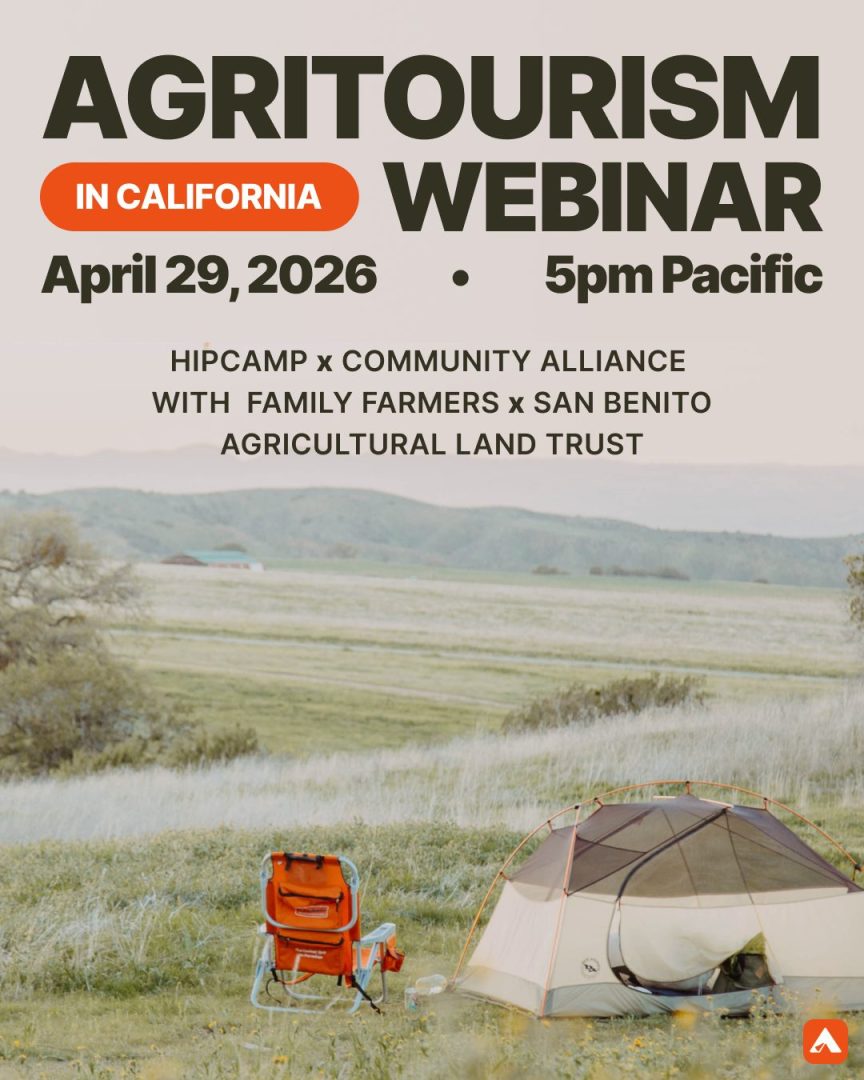
Credit: caff.org
Challenges And Risks
Cultivating crops and camping do not always mix well. Using agricultural land for camping brings several challenges and risks. These problems affect safety and the environment. Understanding these issues helps protect people and nature.
Safety Concerns
Agricultural land often has hidden dangers. Large farming machines move around, creating risks for campers. Chemicals like pesticides and fertilizers may be present on the soil. These substances can harm skin and lungs. Uneven ground and open water sources also increase accident chances. Campers may face injuries or health problems without warning.
Environmental Impact
Camping on farmland can damage the soil and plants. Foot traffic compacts soil, making it hard for crops to grow. Trash and waste left behind pollute the area. Campfires may burn crops or dry grass, causing fires. Noise and light disturb wildlife living nearby. These effects reduce the land’s ability to produce food.
Alternatives To Traditional Camping
Camping on agricultural land is often not allowed or practical. Many farmers use their land for crops or animals. This limits space and safety for campers. Luckily, there are other ways to enjoy nature and farm life without traditional camping. These alternatives offer unique experiences and fresh air. They bring you closer to the land in safe, welcoming settings.
Farm Stays And Agritourism
Farm stays let visitors live on working farms. Guests see daily farm tasks and enjoy farm-fresh food. This is a peaceful way to connect with nature and farm life. Many farms offer simple rooms or cabins for overnight stays. Kids and adults learn about animals, plants, and farm tools. Farm stays combine education with relaxation. They provide a safe, clean, and fun environment.
Designated Camping Areas Near Farms
Some farms have special camping spots near their fields. These areas follow safety rules and respect farm work. Campers get to enjoy open air and farm views. Facilities like fire pits and toilets are often available. These camping spots keep farm land safe and clean. Campers can explore nearby trails and farm attractions. This option blends camping with farm life without disturbing crops or animals.

Credit: www.thelandgeek.com
Tips For Responsible Camping On Farmland
Camping on farmland offers a unique chance to enjoy nature close to the land. It requires care and respect to keep the farm safe and beautiful. Following simple rules helps protect the crops and the environment. It also ensures a good experience for everyone.
Here are some easy tips for responsible camping on farmland. These help keep the farmland healthy and maintain good relations with landowners.
Respecting Property And Crops
Always ask the landowner for permission before camping. Stay in areas allowed by the owner. Avoid walking or driving on crops to prevent damage. Use existing paths to move around the farm. Keep gates closed to protect animals and plants. Respect fences and signs. Treat the land as if it were your own home.
Leave No Trace Practices
Take all trash with you after camping. Do not leave food or waste behind. Use biodegradable soap and avoid polluting water sources. Camp on durable surfaces like grass or dirt, not on plants. Keep campfires small and fully put out before leaving. Avoid disturbing wildlife or farm animals. Leave the farm as clean as you found it.

Credit: wgxa.tv
Frequently Asked Questions
Can Agricultural Land Legally Be Used For Camping?
Camping on agricultural land depends on local zoning laws and landowner permission. Some areas allow temporary camping with permits, while others prohibit it. Always check local regulations and seek landowner consent before camping on farmland to avoid legal issues.
What Are The Risks Of Camping On Farmland?
Camping on farmland risks include exposure to pesticides, machinery hazards, and livestock disturbances. Environmental damage and trespassing issues may arise. Proper precautions and permissions reduce these risks, ensuring safety and respect for agricultural operations.
How To Find Farmland Open For Camping?
Look for farms offering agritourism or farm stays through websites and local listings. Some farmers rent space for camping legally. Contact landowners directly to inquire about available camping options and any rules or fees.
Is Camping On Agricultural Land Environmentally Safe?
Camping can impact soil, crops, and wildlife if not managed carefully. Using designated spots and following eco-friendly practices minimizes harm. Always avoid damaging crops and dispose of waste properly to protect farmland ecosystems.
Conclusion
Using agricultural land for camping is possible but needs care. Check local rules before setting up tents or fires. Respect the crops and animals around you. Keep the area clean and avoid damage. Camping here offers a unique outdoor experience close to nature.
Small steps help protect the land for future use. Always think about safety and the environment. This way, camping on farm land can be fun and safe for everyone.
