
Hiking is more than just a walk in nature. For many people, it feels like a simple escape or a relaxing weekend activity. But what if hiking could help you lose fat? Many wonder: Does hiking burn fat? The answer is not only yes—it can be a powerful way to boost fat loss, improve health, and build fitness. You might be surprised at how this outdoor adventure supports your body’s fat-burning process. Let’s explore how hiking works, why it burns calories, and what makes it special for those aiming to lose weight.
Why Hiking Burns Fat
Hiking involves walking, climbing, and sometimes scrambling over rough terrain. This means you use several muscle groups, including your legs, core, and even arms. When you hike, your body needs more energy, so it burns both carbohydrates and fat for fuel.
The main reason hiking burns fat is because it’s a low-to-moderate intensity exercise. At this intensity, your body uses a higher percentage of fat as energy compared to short, hard workouts. If you hike for more than 45 minutes, your body starts tapping deeper into its fat stores. This is why many fitness experts recommend hiking for people who want to lose fat without high-impact workouts.
How Hiking Compares To Other Activities
Let’s look at how hiking stacks up against common exercises for fat burning:
| Activity | Calories Burned (per hour, 160lb person) | Fat Burning Potential |
|---|---|---|
| Hiking (moderate) | 430 | High |
| Running (6 mph) | 606 | Medium |
| Cycling (moderate) | 420 | Medium |
| Walking (3.5 mph) | 314 | Low |
Hiking burns more calories than walking and is close to cycling. Although running burns more calories, hiking is easier on the joints and can be sustained longer, making it very effective for fat loss.
The Science Behind Fat Burning In Hiking
To understand how hiking burns fat, let’s look at how your body uses energy. When you exercise, your body burns glycogen first—this is stored sugar in your muscles. As you keep hiking, glycogen drops, and your body starts using fat stores for energy.
Heart Rate And Fat Burning
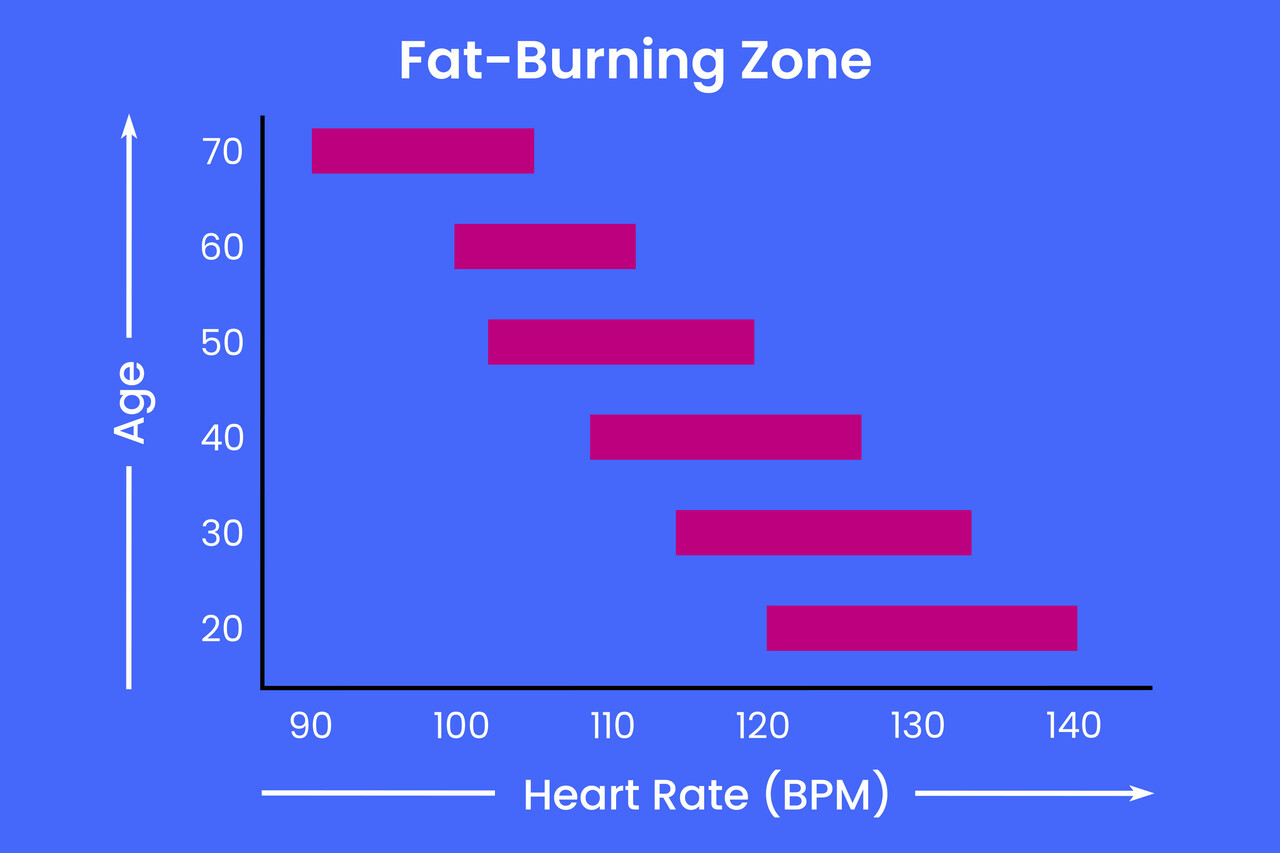
Your heart rate matters. For fat burning, you want to stay in the fat-burning zone—about 60-70% of your maximum heart rate. Hiking on trails, especially those with hills, usually keeps your heart rate in this zone.
Here’s how to estimate your maximum heart rate:
- Subtract your age from 220.
- Multiply by 0.6 or 0.7 for the fat-burning range.
Example: If you are 40 years old,
- Maximum heart rate: 220 – 40 = 180
- Fat-burning zone: 180 x 0.6 = 108 bpm to 180 x 0.7 = 126 bpm
Most moderate hikes put you right here.
Duration Matters
For optimal fat burning, hikes longer than 45 minutes are best. After 45 minutes, your body shifts from burning carbs to burning more fat. If you hike for 2-3 hours, you tap into fat stores even more.

Credit: missadventurepants.com
Calories Burned Hiking: Real Numbers
The calories you burn hiking depend on several factors:
- Weight
- Speed
- Terrain
- Backpack weight
Let’s look at estimated calories burned for different weights and hike types:
| Body Weight (lbs) | Easy Trail (per hour) | Steep Trail (per hour) | Backpack Added (per hour) |
|---|---|---|---|
| 120 | 280 | 400 | 450 |
| 160 | 375 | 530 | 600 |
| 200 | 470 | 660 | 750 |
Steeper trails and carrying a backpack make hiking harder, so you burn more calories and fat.
Hiking Vs. Gym Workouts For Fat Loss
Many people ask: Should I hike or go to the gym for fat loss? Both work, but hiking offers unique advantages.
Natural Movement
Hiking uses natural movement. Your body works as a whole, not just single muscles. You climb, balance, and adjust to uneven ground. This makes hiking a functional workout, burning calories and fat in real-life ways.
Mental Benefits
Outdoor hiking reduces stress, which is linked to fat gain. The sunlight and fresh air help you feel better and lower stress hormones. This supports fat loss in ways gym workouts cannot.
Sustainability
People stick to hiking longer because it feels less like exercise and more like adventure. Sticking to a routine is key for lasting fat loss.

Credit: timesofindia.indiatimes.com
How To Maximize Fat Burning While Hiking
If you want to burn more fat, use these practical strategies:
1. Choose Steeper Trails
Climbing uphill raises your heart rate and uses more muscle groups. This increases calories burned and fat used for energy.
2. Increase Duration
Hike for 60-90 minutes or longer. Longer hikes burn more fat as your body shifts from carbs to fat.
3. Carry A Backpack
Adding weight increases intensity. Even a small backpack makes your body work harder, boosting fat burning.
4. Use Hiking Poles
Poles engage your arms and core, turning hiking into a full-body workout.
5. Add Intervals
Mix fast hiking with slow recovery. For example, hike quickly uphill for 5 minutes, then slow down for 5 minutes.
6. Stay Hydrated
Water helps your body burn fat and keeps energy levels high.
7. Eat Smart Before And After
Before hiking, eat a small meal with protein and complex carbs. After hiking, have a meal with protein and healthy fats to support recovery and fat loss.
Common Mistakes That Reduce Fat Burning
Many hikers miss out on fat burning due to simple mistakes:
- Hiking too slow: If you stroll without challenge, your heart rate stays too low.
- Short hikes: Less than 30 minutes may not trigger significant fat loss.
- Skipping hills: Flat trails burn fewer calories and fat.
- Poor nutrition: Eating too much before or after hiking can undo the fat-burning benefits.
- Not drinking water: Dehydration lowers your metabolism, reducing fat burning.
Avoid these mistakes to get the best results.
Real-life Examples: Hiking For Fat Loss
Let’s look at some real success stories:
Sarah, 35, lost 20 lbs in 4 months
She hiked 3 times a week for 1 hour, choosing hilly trails and carrying a small backpack. She combined hiking with healthy meals, focusing on protein and vegetables.
Carlos, 47, reduced belly fat
He started with 30-minute hikes and increased to 90 minutes. He used hiking poles and added intervals. After 6 months, his waist size dropped by 3 inches.
Jenna, 29, improved fitness and lost 15 lbs
She replaced gym cardio with hiking. The natural scenery kept her motivated, and she rarely missed a hike.
These stories show that hiking is not just fun, but highly effective for fat loss.
Hiking And Metabolism
Hiking doesn’t just burn fat during the activity. It also boosts your metabolism for hours afterward. This is called afterburn effect—your body keeps burning calories as it recovers.
How Long Does The Afterburn Last?
Research shows that after moderate hiking, your metabolism stays elevated for up to 24 hours. The longer and harder the hike, the bigger the afterburn.
Why Is This Important?
When you combine regular hiking with healthy eating, you keep your metabolism high and burn more fat over time—even when you are resting.
Hiking For Different Fitness Levels
Not everyone is ready for a tough mountain hike. The good news is, hiking can be adjusted for any fitness level.
Beginners
- Start with flat or gentle trails.
- Hike for 30 minutes, 2-3 times a week.
- Focus on steady pace and form.
Intermediate
- Add hills and longer hikes.
- Use a small backpack.
- Try hiking poles for full-body workout.
Advanced
- Choose steep and long trails.
- Carry extra weight.
- Add interval training.
No matter your level, hiking is flexible and scalable. You can progress over time for greater fat burning.
Hiking Gear That Supports Fat Loss
The right gear makes hiking easier and more effective for fat burning.
Essential Items
- Comfortable shoes: Protect your feet and support movement.
- Backpack: For water, snacks, and adding weight.
- Hiking poles: Engage more muscles.
- Water bottle: Stay hydrated.
- Weather-appropriate clothing: Comfort and safety.
Optional Tools
- Heart rate monitor: Track your fat-burning zone.
- Fitness tracker: Count steps and calories.
- Healthy snacks: For energy during long hikes.
Investing in good gear helps you hike longer, harder, and safer—leading to more fat loss.
Comparing Hiking To Running And Cycling
People often compare hiking to running or cycling for fat loss. Let’s see the differences:
| Exercise | Impact Level | Calories Burned (per hour) | Fat Burning (Duration) | Suitability |
|---|---|---|---|---|
| Hiking | Low to Medium | 300-600 | Longer Duration | All Ages |
| Running | High | 600-900 | Shorter Duration | Young Adults |
| Cycling | Low to Medium | 350-700 | Medium Duration | Most People |
Hiking is easier on the joints and better for older adults or people with injuries. It also allows for longer sessions, which is great for fat burning.
How Hiking Changes Your Body
Regular hiking does more than burn fat. It shapes your body in several ways:
- Tones muscles: Legs, core, and arms get stronger and more defined.
- Improves endurance: You feel less tired and can exercise longer.
- Boosts balance: Uneven ground improves stability.
- Reduces stress: Nature lowers stress hormones, which helps with fat loss.
These changes make you healthier and fitter, not just leaner.
Nutrition For Hiking And Fat Loss
What you eat before, during, and after hiking affects fat burning.
Before Hiking
Eat light, with a mix of protein and complex carbs:
- Oatmeal with nuts
- Greek yogurt
- Whole grain toast with eggs
Avoid heavy or fatty foods—they slow digestion and may cause discomfort.
During Hiking
For hikes longer than 90 minutes, bring healthy snacks:
- Trail mix (nuts and dried fruit)
- Energy bars (low sugar)
- Banana or apple
Drink water every 20 minutes.
After Hiking
Eat a balanced meal within 2 hours:
- Grilled chicken with vegetables
- Salmon and quinoa
- Lentil soup
This helps recovery and supports fat loss.
Non-obvious Insights For Beginners
Many beginners focus only on calories, but hiking offers hidden benefits:
1. Elevation Changes Matter
Hiking in areas with lots of ups and downs burns more fat than flat walks—even if the distance is the same.
2. Mental Engagement Boosts Fat Loss
Unlike treadmill exercise, hiking keeps your mind active. This reduces boredom and helps you stay consistent, which is key for long-term fat loss.
Safety Tips For Fat-burning Hikes
Safety should always come first:
- Let someone know your route.
- Check weather before you go.
- Bring enough water and snacks.
- Wear sunscreen and insect repellent.
- Start slow and build up to harder hikes.
Safe hiking means you can stick with it for months, leading to better fat loss results.
How To Track Your Progress
Tracking helps you stay motivated and see fat loss over time.
- Use a fitness tracker to log hikes.
- Take photos every month.
- Measure waist and hips, not just weight.
- Note how you feel (energy, mood).
Progress is not just about pounds lost—look for improved stamina, tighter clothes, and better health.
Hiking For Fat Loss: Myths And Facts
Many myths surround hiking and fat loss. Let’s clear up the facts:
- Myth: Hiking is only for slow fat loss.
- Fact: Hiking burns fat steadily and can be combined with other workouts for faster results.
- Myth: You need to hike every day to see results.
- Fact: Even 2-3 hikes per week make a big difference.
- Myth: Only steep trails burn fat.
- Fact: All hikes burn fat, but hills and longer hikes are more effective.
- Myth: Hiking doesn’t build muscle.
- Fact: Hiking tones legs, core, and arms, especially with poles and backpacks.
- Myth: Hiking is not real exercise.
- Fact: Hiking is a full-body workout with proven fat-burning benefits.
Hiking And Fat Burning For Different Ages
Hiking suits all ages, but fat burning varies:
- Young adults: Can hike faster, longer, and recover quickly.
- Middle-aged: Benefit from moderate hikes and lower joint impact.
- Older adults: Should choose gentle trails and shorter hikes, but still burn fat.
Everyone can adjust hiking to their needs and see fat loss.
Hiking For Fat Loss: Environmental Benefits
Hiking not only helps your body but supports the environment:
- Encourages appreciation for nature.
- Supports local parks and conservation.
- Promotes eco-friendly habits.
This connection to nature can boost your motivation and make fat loss more enjoyable.
Combining Hiking With Other Activities
For faster fat loss, combine hiking with:
- Strength training: Builds muscle, increases metabolism.
- Yoga: Improves flexibility and recovery.
- Swimming: Low-impact, good for cross-training.
Mixing activities keeps your body challenged and prevents plateaus.
How Often Should You Hike For Fat Loss?
Most experts recommend:
- 2-4 times a week for 45-90 minutes each session.
- Steeper, longer hikes for more advanced fat burning.
- Rest days to recover and avoid injury.
Consistency is key—regular hiking leads to steady fat loss.
Hiking And Fat Loss: Research Findings
Several studies support hiking for fat loss:
- A 2017 study found that hiking burns up to 600 calories per hour on steep trails for average adults.
- Hiking improves insulin sensitivity, which supports fat loss and prevents diabetes.
- Outdoor hiking reduces stress hormones that encourage belly fat.
For more in-depth research, visit National Institutes of Health.
Credit: www.healthcentral.com
Frequently Asked Questions
Does Hiking Burn Belly Fat?
Yes, hiking helps burn belly fat. As you burn calories and fat during hiking, your body uses stored fat—including around your waist. Combining hiking with healthy eating speeds up belly fat loss.
How Long Should I Hike To Burn Fat?
Aim for 45-90 minutes per hike. Longer hikes (over 60 minutes) are more effective for fat burning, but even short hikes help if you do them regularly.
Is Hiking Better Than Running For Fat Loss?
Hiking is lower impact and easier to sustain for longer periods. It burns slightly fewer calories per hour than running but is better for people with joint issues and those who prefer outdoor activity. Both can help with fat loss.
What Should I Eat Before Hiking For Fat Loss?
Eat a light meal with protein and complex carbs—like oatmeal, eggs, or yogurt—about 1-2 hours before hiking. Avoid high-sugar or fatty foods, as they may cause discomfort.
Can Hiking Help Me Lose Weight Even If I’m A Beginner?
Absolutely. Beginners can start with short, easy hikes and build up. Regular hiking, combined with good nutrition, leads to steady weight and fat loss for all fitness levels.
Hiking is a powerful tool for burning fat, improving health, and enjoying nature. Unlike many workouts, it feels natural and is easy to stick with. Whether you’re a beginner or seasoned hiker, you can adjust hiking to your needs and see real fat loss.
With the right strategies, gear, and nutrition, hiking will help you reach your fat loss goals—and enjoy every step along the way.
