
Choosing the right tent can make or break your outdoor adventure. You want a shelter that fits your needs, keeps you comfortable, and makes setting up camp easy.
But when it comes to dome tents and cabin tents, which one is the best choice for you? Understanding the key differences can save you time, money, and frustration on your next trip. You’ll discover how each tent type works, what benefits they offer, and which one matches your style of camping.
Keep reading to find the perfect tent that feels like your home away from home.
Dome Tent Features
Dome tents are popular for many campers. They offer a balance of comfort and practicality. These tents have unique features that make them easy to use and reliable outdoors. Understanding dome tent features helps you choose the right tent for your trip.
Design And Structure
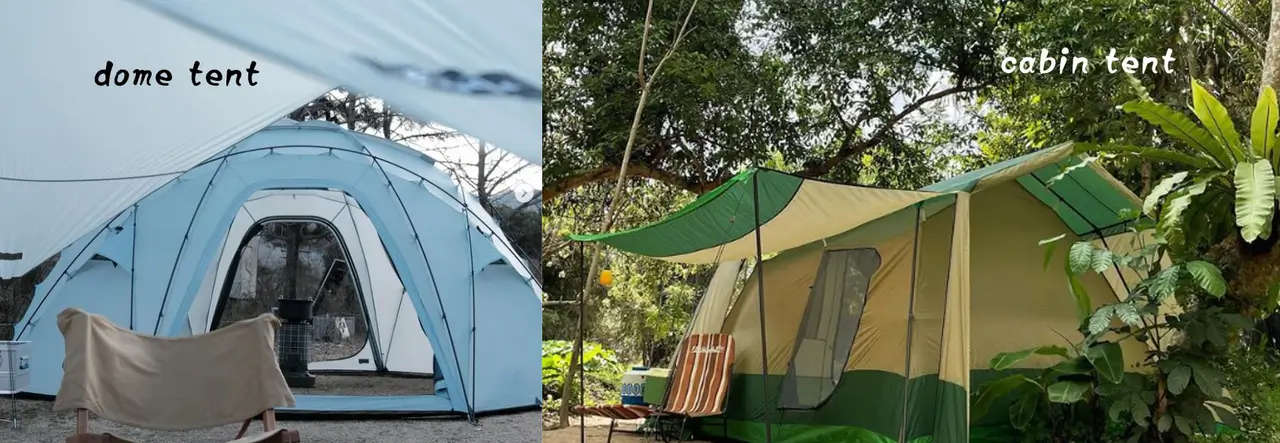
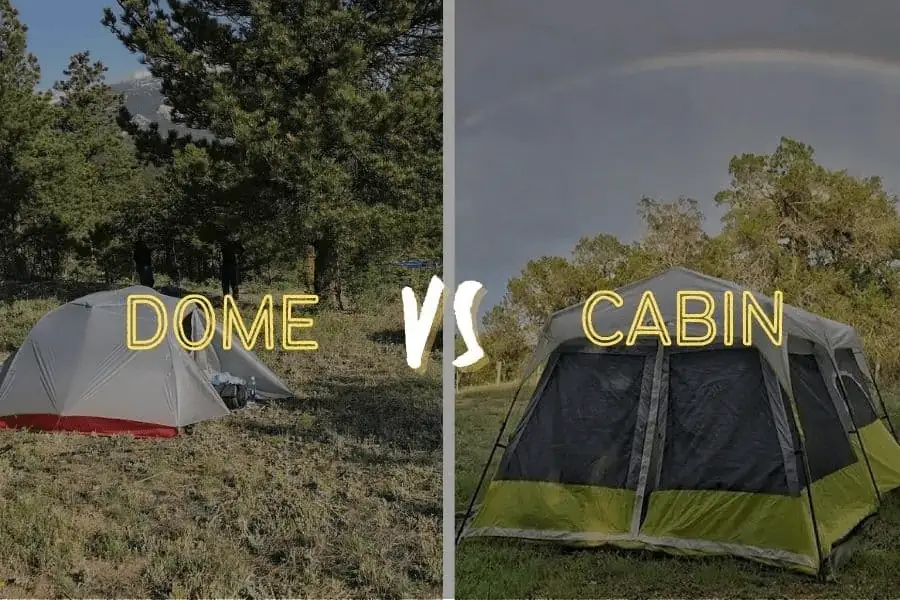
Dome tents have a rounded, curved shape. Two or more flexible poles cross at the top. This creates a strong frame that holds the tent up. The shape allows good space inside for sleeping and gear. The curved walls help shed rain and wind easily. Dome tents usually have a low profile, making them stable in wind.
Setup Process
Setting up a dome tent is simple and fast. The poles are lightweight and usually color-coded. This helps match them to tent sleeves or clips. Most dome tents use a two-pole system. You insert the poles and then attach the tent body. The process takes less than 10 minutes for beginners.
Ventilation And Airflow
Dome tents often include mesh windows and vents. These allow fresh air to flow inside. Good airflow reduces condensation and keeps the tent dry. The vents can be adjusted to control air movement. This helps campers stay comfortable in warm weather.
Weather Resistance
Dome tents handle rain and wind well. The curved shape prevents water from pooling on top. Many come with rain flies for extra protection. The poles provide strong support against gusts. Dome tents work best in mild to moderate weather conditions.
Credit: www.shelter-structures.com
Cabin Tent Features
Cabin tents stand out for their roomy and practical design. They offer ample space, making camping more comfortable. Many campers choose cabin tents for family trips or longer stays. These tents provide a home-like feel in the outdoors. Their features focus on comfort, ease, and protection.
Design And Structure
Cabin tents have tall, straight walls. This design gives more headroom inside. You can stand up and move easily. The shape is usually square or rectangular. It creates a large living area with separate rooms. Some models include extra windows and doors for better access.
Setup Process
Setting up cabin tents takes more time than dome tents. Poles are often longer and heavier. It requires teamwork and patience. The process involves assembling the frame and attaching fabric. Instructions are usually simple and clear. Practice helps speed up the setup over time.
Ventilation And Airflow
Cabin tents have multiple windows and vents. This allows fresh air to flow inside. Mesh panels keep bugs out but let air in. Good airflow reduces stuffiness and moisture buildup. Some tents include roll-up windows for adjustable ventilation. This keeps the inside cool and comfortable.
Weather Resistance
Cabin tents handle mild to moderate weather well. Their sturdy frames resist wind and rain. Rain flies and sealed seams keep water out. Tall walls may catch wind more easily. Proper staking and guy lines improve stability. These tents work best in fair weather or mild storms.
Space And Comfort
Space and comfort are key factors when choosing a tent. They affect how well you sleep and move inside. Both dome and cabin tents offer different benefits. Understanding these differences helps you pick the right tent for your trip.
Sleeping Capacity
Dome tents usually fit fewer people. They are great for small groups or couples. Cabin tents hold more people comfortably. They have extra room for families or friends. Check the tent’s listed capacity carefully. Real space may be less than stated.
Interior Height And Movement
Dome tents have sloped walls, limiting headroom near edges. Standing space is often in the center only. Cabin tents have straight walls and higher ceilings. They allow standing and easy movement inside. More headroom means better comfort during bad weather.
Storage Options
Dome tents often have small pockets for gear. Storage space is limited but enough for essentials. Cabin tents offer larger vestibules and extra storage areas. They keep bags and shoes out of the sleeping space. More storage helps keep the tent tidy and organized.
Portability And Weight
Portability and weight are key factors when choosing between a dome tent and a cabin tent. These features affect how easy it is to carry and set up your shelter. They also influence your comfort during travel and hiking.
Both types have strengths and weaknesses. Dome tents tend to be lighter and smaller when packed. Cabin tents offer more space but usually weigh more and pack bigger.
Pack Size
Dome tents fold into compact bundles. They fit well in backpacks or small car trunks. Their smaller size suits campers who move often or hike long distances.
Cabin tents are larger and bulkier. They need more space in your car or storage. This size can make packing and carrying harder on long trips.
Carrying Ease
Dome tents are easier to carry because of their light weight. They use fewer poles and lighter materials. This makes them ideal for solo campers or short hikes.
Cabin tents are heavier and less easy to carry. Their frame and fabric add extra weight. Best suited for car camping or when you don’t move far.
Use Cases
Choosing between a dome tent and a cabin tent depends on your activities. Each tent type suits different needs and settings. Understanding their use cases helps you pick the right one for your trip.
Camping Trips
Dome tents work well for quick camping trips. Their curved shape handles wind and rain nicely. They are easy to set up and pack. Cabin tents offer more space and comfort. Great for longer stays at a campsite. They stand tall with nearly vertical walls. This design gives extra headroom and room to move.
Family Outings
Cabin tents fit families better. They provide separate rooms or dividers. Kids can play inside without feeling cramped. Dome tents may feel small for many people. Their shape limits standing space. Cabin tents let families store gear inside easily. Everyone can relax together in the large area.
Backpacking
Dome tents are best for backpackers. They are lightweight and compact. You can carry them without much effort. Cabin tents are heavier and bulkier. Not good for long hikes or tight spaces. Dome tents offer quick shelter in rough terrain. They balance weight, size, and comfort well.

Credit: campingguidance.com
Cost Comparison
Comparing the cost of dome tents and cabin tents helps you choose the best fit for your camping needs. Both types have different price points based on size, features, and materials. Understanding these costs can guide you to a smart purchase without overspending.
Price Range
Dome tents usually cost less than cabin tents. Small dome tents start around $30 and go up to $150. Cabin tents tend to be larger and more complex, with prices ranging from $100 to $400 or more. The bigger the tent, the higher the price, especially for cabin tents.
Basic dome tents suit solo campers or small groups. Cabin tents target families or groups needing more space and comfort. This difference affects the price significantly.
Value For Money
Dome tents offer good value for budget campers. They are lightweight, easy to set up, and affordable. For short trips or casual camping, dome tents meet basic needs well.
Cabin tents provide extra room and standing space, which adds to comfort. They cost more but deliver more features like large doors and windows. Families or long-term campers often find cabin tents worth the extra cost.
Choosing depends on your camping style and how much space you want. The goal is to find the best tent for your budget and comfort needs.
Durability And Materials
Durability and materials play a big role in choosing between a dome tent and a cabin tent. These factors affect how well the tent holds up in different weather and how long it lasts. Knowing about fabric quality and frame strength helps pick the right tent for your needs.
Fabric Quality
Dome tents often use lightweight polyester or nylon. These fabrics dry quickly and resist tears. They are good for carrying on hikes or trips where weight matters.
Cabin tents use thicker fabrics, like heavy-duty polyester. This makes them stronger and better at standing up to wind and rain. The fabric usually has a waterproof coating for extra protection.
Frame Strength
Dome tents have flexible poles made from fiberglass or aluminum. These poles bend to form a rounded shape. This makes dome tents good at handling wind and snow.
Cabin tents have straight poles, often made from aluminum or steel. These poles create tall walls and a strong frame. Cabin tents stand firm in calm weather but may struggle in strong winds.
Choosing The Right Tent
Choosing the right tent is important for a good camping trip. Different tents suit different needs. Dome tents and cabin tents each have unique features. Picking the right one makes your outdoor stay comfortable and safe.
Personal Needs
Think about how you will use the tent. Do you camp alone or with family? Do you want a tent that is easy to carry? Dome tents are light and simple to set up. Cabin tents offer more space and stand tall inside. Choose based on your comfort and convenience.
Climate Considerations
Weather affects your tent choice a lot. Dome tents handle wind well because of their shape. They work great in rainy or windy places. Cabin tents have straight walls and more windows for air flow. They suit warm weather and calm conditions better.
Group Size
How many people will sleep in the tent? Dome tents fit small groups or couples. Cabin tents fit bigger groups or families. They have more room to move and store gear. Match the tent size to your group for a pleasant trip.
Credit: www.shelter-structures.com
Frequently Asked Questions
What Are The Main Differences Between Dome And Cabin Tents?
Dome tents have a curved, compact design for easy setup and wind resistance. Cabin tents offer vertical walls, providing more interior space and headroom. Dome tents suit backpacking, while cabin tents are ideal for family camping and longer stays.
Which Tent Type Is Better For Family Camping?
Cabin tents are better for family camping due to their spacious interiors and vertical walls. They provide more comfort and room for multiple people. Dome tents are smaller and less roomy, making them less suitable for large groups or extended family trips.
Are Dome Tents Easier To Set Up Than Cabin Tents?
Yes, dome tents are generally easier and quicker to set up. Their simple pole structure allows fast assembly. Cabin tents have more poles and sections, requiring more time and effort to pitch.
Which Tent Offers Better Weather Protection, Dome Or Cabin?
Dome tents offer better wind resistance due to their aerodynamic shape. Cabin tents provide more space but can catch wind like a sail. Both tents can handle rain well if properly sealed and equipped with rain flies.
Conclusion
Choosing between a dome tent and a cabin tent depends on your camping needs. Dome tents are light and easy to carry. Cabin tents offer more space and comfort. Think about how many people will camp and where you will go.
Weather and setup time also matter. Both types protect you well outdoors. Pick the one that fits your trip best. Enjoy your time outside with the right tent. Camping feels better with the right shelter.
