
Haleakalā is one of Hawaii’s most breathtaking destinations. Located on the island of Maui, this massive shield volcano rises over 10,000 feet above sea level. The surrounding area, Haleakalā National Park, attracts travelers from all over the world. People come for the unique landscape, unforgettable sunrise views, and rare wildlife.
If you’re looking for adventure, natural beauty, and cultural experiences, Haleakalā offers plenty. Let’s explore the top things to do and see in this remarkable park.
The Sunrise Experience
One of the most famous activities at Haleakalā is watching the sunrise from the summit. Many visitors wake up as early as 3 AM and drive up winding roads to reach the summit before dawn. The spectacle is truly unforgettable. The sun rises above the clouds, casting colors across the sky and illuminating the crater below.
It’s important to know that sunrise viewing requires a reservation. The National Park Service limits the number of visitors each morning to protect the environment and manage crowds.
Tips for sunrise:
- Dress warmly. Temperatures can drop below 40°F (4°C).
- Bring snacks and water.
- Arrive early to find parking and the best viewing spot.
Hiking Trails
Haleakalā National Park has a variety of hiking trails that suit all skill levels. The landscape changes from lush forests to rocky volcanic terrain. Here are three top hikes:
| Trail Name | Distance | Difficulty | Main Features |
|---|---|---|---|
| Sliding Sands Trail | 11 miles round-trip | Challenging | Crater views, colorful sands |
| Halemau’u Trail | 8 miles round-trip | Moderate | Switchbacks, crater overlooks |
| Pa Ka’oao Trail | 0.6 miles round-trip | Easy | Summit views, short walk |
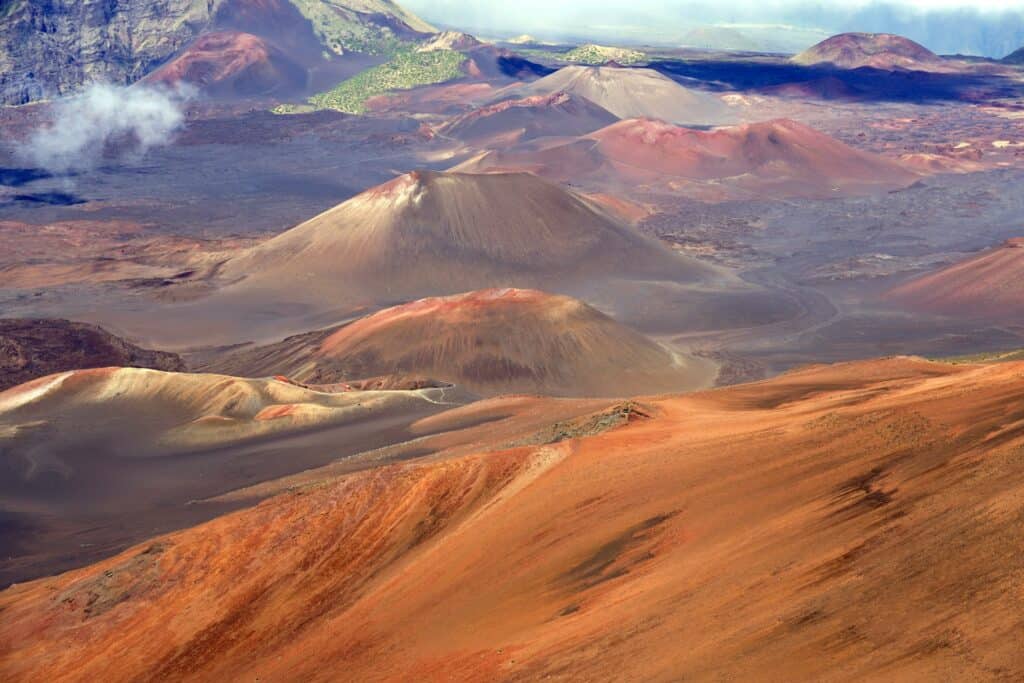
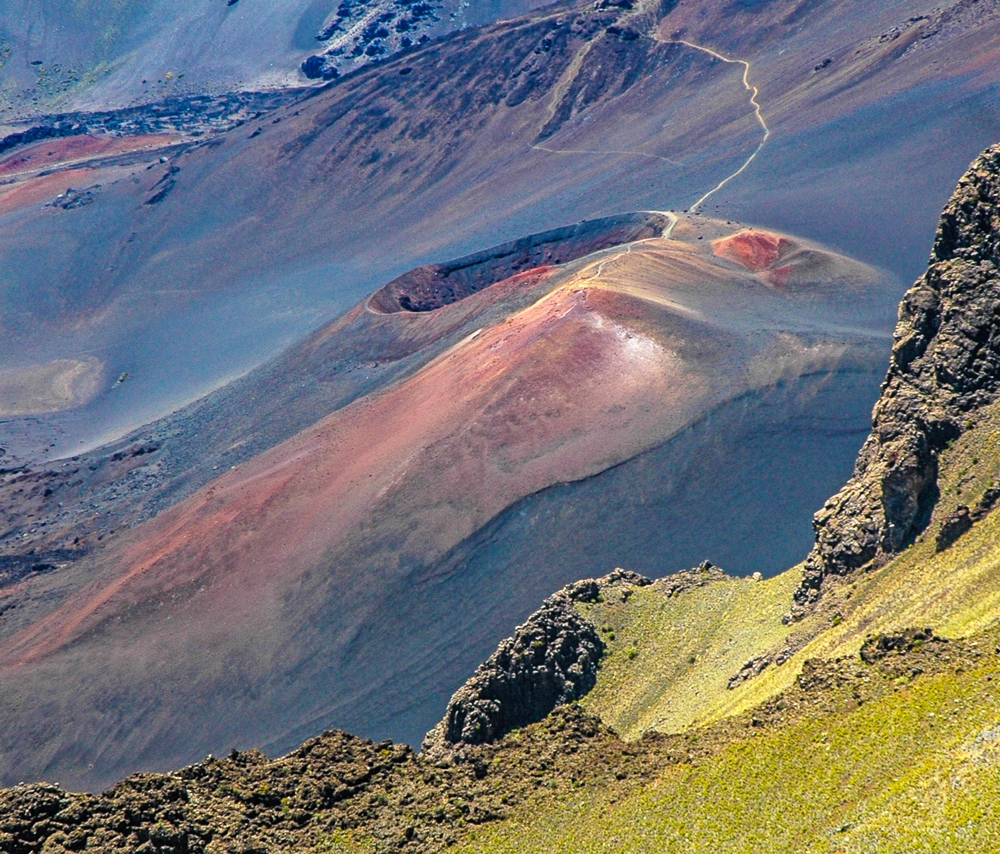
The Sliding Sands Trail takes hikers deep into the crater, revealing red, orange, and gray volcanic sands. The Halemau’u Trail offers switchbacks with sweeping views of the crater and lush vegetation. For those wanting a quick walk, the Pa Ka’oao Trail leads to a small hill with panoramic summit views.
Credit: mauioceancenter.com
Stargazing
Haleakalā’s high elevation and low light pollution make it ideal for stargazing. On clear nights, you can see thousands of stars, planets, and even the Milky Way. The summit area is popular with amateur astronomers and photographers.
There is no official stargazing program, but visitors can bring their own equipment or simply enjoy the sky with the naked eye. The air is thin, so dress warmly and bring a flashlight.
Flora And Fauna
Haleakalā is home to rare plants and animals. The ʻāhinahina (Haleakalā silversword) grows only at high altitudes here. It has silver leaves and blooms once in its lifetime before dying. You’ll also find Hawaiian honeycreepers, such as the ʻapapane and ʻamakihi, singing in the forests.
Some animals, like the endangered nēnē (Hawaiian goose), are protected. Visitors should never feed or disturb wildlife.
| Species | Where to See | Status |
|---|---|---|
| ʻāhinahina (Silversword) | Summit area | Endemic, threatened |
| nēnē (Hawaiian goose) | Park trails, grasslands | Endangered |
| ʻapapane (Honeycreeper) | Forest zones | Native |
Credit: www.worldtribune.org
Cultural Sites And Experiences
Haleakalā is not just a natural wonder. It’s also a place with deep cultural meaning. Native Hawaiians believe the summit is sacred. Traditional stories say the demigod Maui captured the sun here to make days longer.
Visitors can see historic places such as Kīpahulu District, which has ancient Hawaiian ruins and pools. Ranger-led programs teach about Hawaiian culture, legends, and the park’s history. Attending these sessions gives a richer understanding of the land.
Scenic Drives And Overlooks
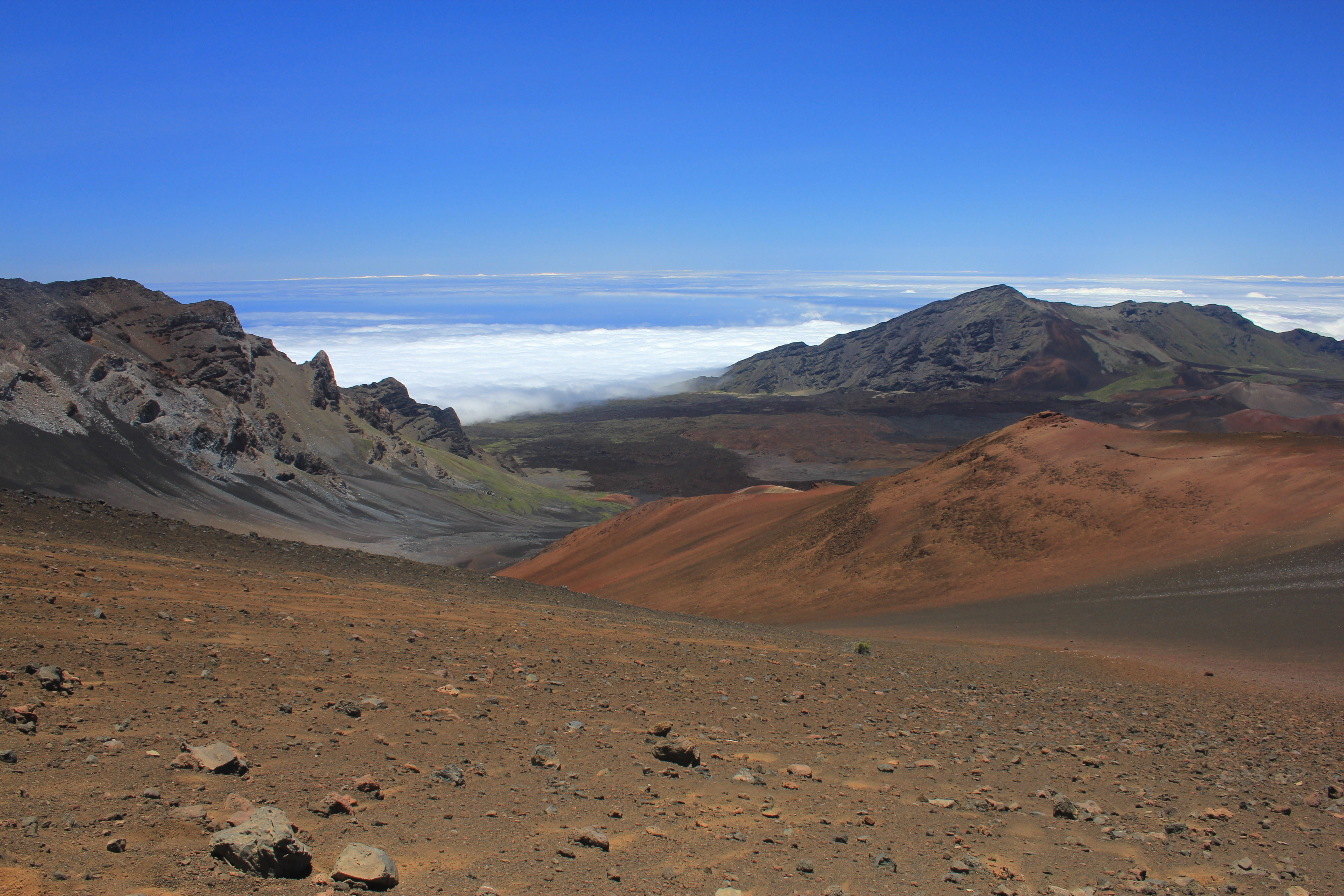
Driving up the Haleakalā Highway is an adventure itself. The road twists through forests, pastures, and lava fields. Along the way, there are several overlooks where you can stop for photos.
Some top overlooks:
- Leleiwi Overlook – Offers views of clouds rolling over the crater.
- Kalahaku Overlook – Great spot for sunset and panoramic photos.
- Puʻu ʻUlaʻula (Red Hill) – Highest point in the park, with 360-degree views.
Many visitors are surprised by how quickly the landscape changes. In just a few miles, you go from rainforest to barren volcanic desert.
Credit: en.wikipedia.org
Kīpahulu District And Pools
The Kīpahulu District is a separate area of Haleakalā National Park. It’s reached by driving the famous Hana Highway. Here you find the ʻOheʻo Gulch, also known as the “Seven Sacred Pools.” Waterfalls cascade into natural pools, surrounded by lush vegetation.
Popular activities in this area include:
- Swimming in the pools (when conditions are safe)
- Hiking the Pipiwai Trail to see the 400-foot Waimoku Falls
- Watching for native birds and tropical plants
The Pipiwai Trail is especially memorable. It passes through a bamboo forest before reaching the huge waterfall.
Practical Tips For Visiting
Planning a trip to Haleakalā requires preparation. Here are some important tips:
- Altitude: The summit is over 10,000 feet, so you may feel altitude sickness. Drink water and move slowly.
- Weather: Conditions change fast. The summit can be cold and windy even in summer.
- Reservations: Sunrise requires advance booking online.
- Entry Fees: There is a park entry fee, usually $30 per vehicle (valid for three days).
- Facilities: Restrooms and visitor centers are available, but there are no gas stations inside the park.
A non-obvious tip: The summit is less crowded after sunrise. Consider visiting in late morning for quieter views.
Comparison: Haleakalā Vs. Other Us National Parks
Let’s see how Haleakalā compares to other famous US parks:
| Park | Main Attraction | Elevation | Unique Feature |
|---|---|---|---|
| Haleakalā | Volcanic crater, sunrise | 10,023 ft | Rare silversword plant |
| Grand Canyon | Canyon views, hiking | 7,000 ft | Rock layers, river |
| Yellowstone | Geysers, wildlife | 8,000 ft | Hot springs, bison |
Haleakalā stands out for its unique volcanic landscape and high elevation. Unlike most parks, it offers both rainforest and volcanic desert in one place.
Frequently Asked Questions
What Is The Best Time To Visit Haleakalā?
The best time is early morning for sunrise or late afternoon for sunset. Weather is cooler and views are dramatic.
Do I Need A Reservation To Enter Haleakalā?
Reservations are required only for sunrise at the summit. Other times, you can enter with a valid park pass.
Are There Guided Tours Available?
Yes, several companies offer guided hikes, bike tours, and cultural programs. Park rangers also lead educational walks.
Can I Camp Inside The Park?
There are two main campgrounds: Hosmer Grove (near the summit) and Kīpahulu (near the pools). Both require permits.
How Long Should I Plan For My Visit?
A typical visit lasts 6–8 hours. If you want to hike, see both districts, or watch sunrise/sunset, consider spending a full day or overnight.
Haleakalā is more than just a mountain. It’s a place where landscapes, culture, and wildlife come together. Whether you’re seeking adventure or peace, the park offers something special. Planning ahead and respecting the land ensures a memorable experience. For more information, visit the Haleakalā National Park official site.
