
Hiking at Night: A Complete Guide to Safe and Enjoyable After-Dark Adventures
Hiking is often seen as a daytime activity, with sunlight lighting the way and nature alive around you. But what happens when the sun sets and the trails turn dark? Hiking at night is a unique experience, offering a different perspective, quieter surroundings, and a sense of adventure that daylight cannot provide. Many hikers are curious about after-dark treks but hesitate due to safety worries or lack of knowledge. In this guide, you’ll learn everything you need to know to hike safely and confidently at night, discover the benefits, plan your routes, choose the right gear, and avoid common mistakes. Whether you’re a beginner or an experienced hiker, this article gives you clear, practical advice for memorable nighttime hikes.
Why Hike At Night?
Night hiking is not just a novelty; it offers real benefits and unique experiences. Here’s why many hikers choose after-dark adventures:
- Cooler temperatures: Hiking at night can be more comfortable, especially in hot climates. The air is cooler, making it easier to walk long distances without overheating.
- Less crowded trails: Most people hike during the day. At night, you’ll likely have the trail to yourself, enjoying peace and solitude.
- Enhanced senses: Darkness sharpens your hearing and smell. You notice sounds of nocturnal animals, wind, and water. The forest feels alive in a different way.
- Stargazing opportunities: With less light pollution, night hiking gives you a clear view of the stars. Some trails offer amazing views of the Milky Way or meteor showers.
- Wildlife sightings: Many animals are active at night. You might spot owls, bats, foxes, or even deer.
- Personal challenge: Hiking in darkness builds confidence and skills. It’s a test of navigation, preparation, and mental strength.
Some hikers say that night hiking feels magical. The world changes, shadows move, and the silence is deeper. If you’re looking for a fresh experience, hiking after sunset is worth trying.
Planning Your Night Hike
Preparation is the key to successful night hiking. With darkness, your risks increase, so careful planning is essential. Use these steps to organize your hike:
Choose The Right Trail
Not every trail is suitable for nighttime hiking. Look for:
- Well-marked paths: Clear signage and wide trails help prevent getting lost.
- Easy to moderate difficulty: Avoid steep or technical trails unless you’re experienced.
- Familiar routes: Start with trails you’ve already hiked during the day.
- Trail popularity and safety: Some areas may be unsafe at night or closed after dark. Check local regulations.
Check The Weather
Weather changes quickly at night. Cold temperatures, fog, or rain can make hiking dangerous. Always check forecasts before you go.
Inform Someone
Tell a friend or family member your plans. Share:
- Trail name
- Estimated start and finish time
- Emergency contact details
This step is critical. If something goes wrong, someone knows where to look for you.
Understand Local Wildlife
Research animals in your area. Some can be active or aggressive at night. Learn how to avoid dangerous encounters.
Plan Your Timing
- Start just before sunset for easier adjustment to darkness.
- Estimate your hiking speed (usually slower at night).
- Allow extra time for breaks and navigation.
Pack Smart
Bring only what you need, but never skip safety gear. Double-check your pack before leaving.
Essential Gear For Night Hiking
Having the right equipment makes your night hike safer and more comfortable. Here’s what you need:
Lighting
Headlamps are the most important tool. They keep your hands free and provide steady light. Choose models with:
- Adjustable brightness
- Long battery life
- Red light mode (preserves night vision)
Always bring spare batteries or a backup flashlight.
Navigation Tools
Darkness makes it easy to lose your way. Bring:
- GPS device
- Paper map and compass
- Mobile phone with offline maps
Don’t rely only on your phone—batteries drain faster in cold weather.
Clothing
Dress in layers. Night temperatures can drop quickly, even in summer. Use:
- Moisture-wicking base layer
- Insulating mid-layer
- Windproof and waterproof outer layer
- Hat and gloves for warmth
Wear reflective clothing or add reflective strips to your pack for visibility.
Footwear
Choose sturdy hiking boots with good traction. Slippery rocks and wet leaves are common hazards at night.
Backpack
A small, comfortable backpack is best. Make sure it fits your gear without being too heavy.
Safety Items
- First-aid kit
- Whistle for emergency signaling
- Multi-tool or knife
- Personal locator beacon (PLB) for remote areas
Food And Water
Bring more water than you think you need. Night hikes can be dehydrating. Pack high-energy snacks like nuts, bars, and dried fruit.
Extra Gear
- Bug spray (mosquitoes are active at night)
- Trekking poles for balance
- Emergency blanket
Comparing Headlamps For Night Hiking
To help you choose the best headlamp, here’s a comparison of popular models:
| Model | Brightness (Lumens) | Battery Life | Red Light Mode | Price (USD) |
|---|---|---|---|---|
| Petzl Actik Core | 450 | Up to 120 hrs | Yes | 69.95 |
| Black Diamond Spot 400 | 400 | Up to 200 hrs | Yes | 44.95 |
| Coast FL75R | 530 | Up to 13 hrs | No | 49.99 |
| Fenix HL60R | 950 | Up to 100 hrs | Yes | 74.95 |
When picking a headlamp, consider battery life, brightness, and red light mode. For longer hikes, battery life and comfort matter most.
Safety Tips And Common Mistakes
Safety is the most important part of night hiking. Darkness increases risks, so always be prepared. Follow these tips and avoid mistakes many beginners make.
Go Slow And Stay Alert
Move at a slower pace than during the day. Roots, rocks, and uneven ground are harder to spot. Take your time and watch your step.
Stick Together
If possible, hike with a partner or small group. It’s safer and easier to spot dangers. Groups are also less likely to surprise wildlife.
Stay On The Trail
Do not wander off marked paths. It’s easy to get lost, and rescue at night is more difficult.
Use Lights Wisely
Don’t use your headlamp on full brightness all the time. High brightness can cause glare and make it harder to see into the distance. Switch to red light mode when you stop for breaks to preserve night vision.
Watch For Wildlife
Animals move differently at night. Make noise to alert them of your presence. Avoid shining lights directly at animals.
Avoid Overpacking
Too much gear slows you down. Only bring what you need for safety and comfort.
Know Your Limits
If you’re tired or uncomfortable, turn back. Don’t push yourself on unfamiliar trails.
Common Mistakes
- Skipping navigation tools: Many hikers rely only on their phone. If batteries die, they get lost.
- Forgetting spare batteries: A dead headlamp can end your hike quickly.
- Not checking weather: Conditions can change fast at night.
- Ignoring local regulations: Some trails close after sunset. Always check rules.
- Underestimating cold: Night temperatures drop quickly, even in warm climates.
Comparing Night Hiking Risks Vs. Day Hiking
Here’s a look at how risks change between day and night hiking:
| Risk Factor | Day Hiking | Night Hiking |
|---|---|---|
| Navigation | Easy | Difficult |
| Wildlife Encounters | Low | Medium |
| Temperature | Stable | Lower/Unstable |
| Trail Visibility | High | Low |
| Rescue Difficulty | Medium | High |
Night hiking brings new risks. With the right preparation, you can manage them and enjoy your adventure.
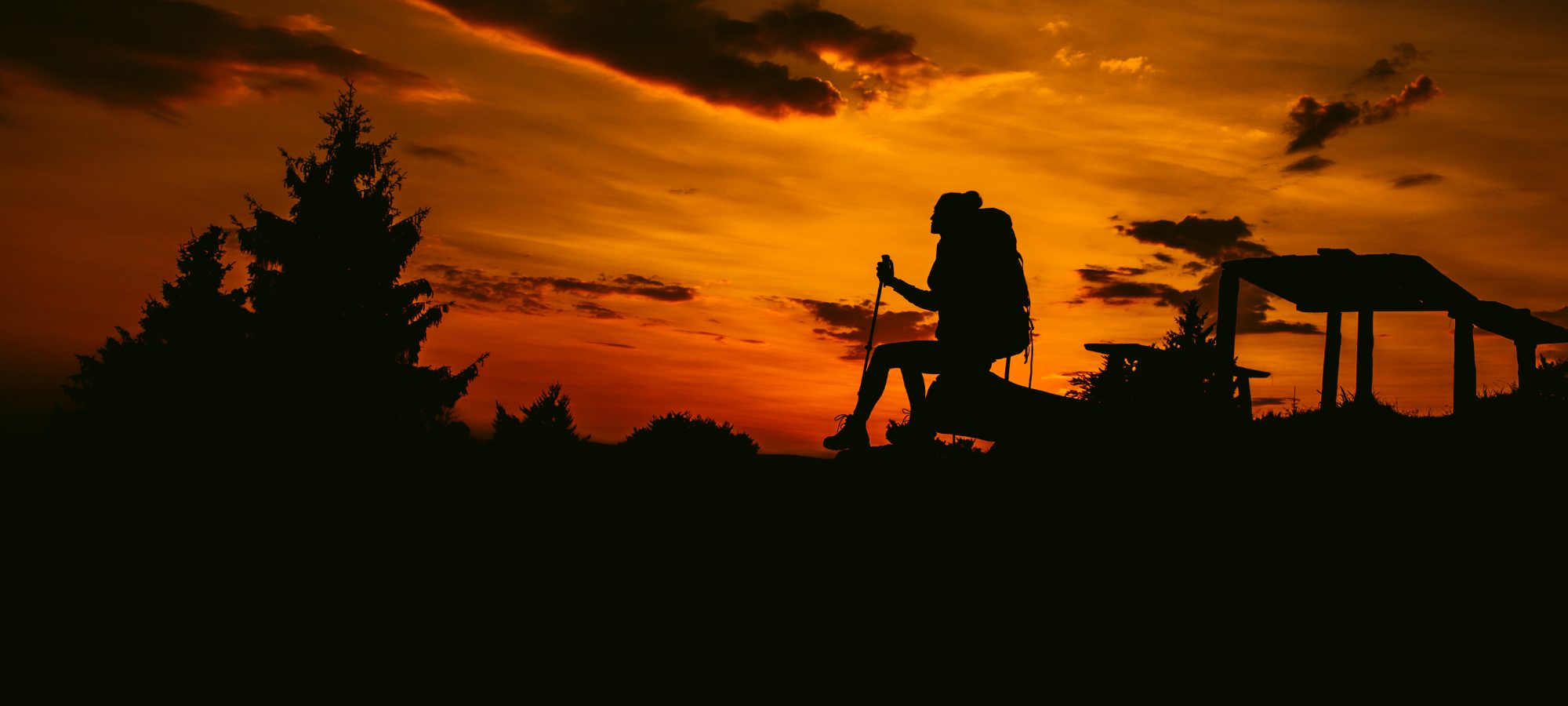
Credit: www.wildwomenontop.com
How To Navigate At Night
Navigation is more challenging in darkness. Here’s how to stay on track:
Use Landmarks
Landmarks look different at night. Use large features, like rivers or mountains, to orient yourself. If you know the trail well, you’ll recognize shapes even in low light.
Mark Your Route
If you’re hiking an unfamiliar trail, mark your path with reflective tape or glow sticks. These make it easier to find your way back.
Check Your Map Often
Don’t wait until you’re lost to check your map. Stop regularly and compare your surroundings to your map.
Gps And Offline Tools
Use a GPS device or offline maps on your phone. Remember, phone batteries drain quickly in cold weather. Bring a power bank for backup.
Practice Before You Go
Try navigation skills during daytime hikes. Practice reading maps, using a compass, and identifying landmarks. These skills help at night.
Wildlife And Night Hiking
Animals behave differently after dark. You may see or hear creatures you’ve never noticed during the day. Understanding wildlife helps you stay safe and enjoy your hike.
Common Night Animals
Depending on your location, you might encounter:
- Owls
- Bats
- Raccoons
- Foxes
- Deer
- Coyotes
- Snakes (in warm climates)
Most animals avoid humans, but some may be curious or territorial.
Staying Safe
- Make noise as you walk. Talking, whistling, or singing lets animals know you’re coming.
- Never approach wildlife. Keep a safe distance.
- Store food securely. Animals can smell snacks from far away.
- Shine your light in front of you, not directly at animals’ eyes.
Handling Encounters
If you see an animal, stay calm. Back away slowly and avoid sudden movements. Most animals will leave when they sense humans.
Non-obvious Insight
Some hikers believe that animals are aggressive at night. In fact, most are simply foraging or hunting. Aggression is rare, but caution is always wise.
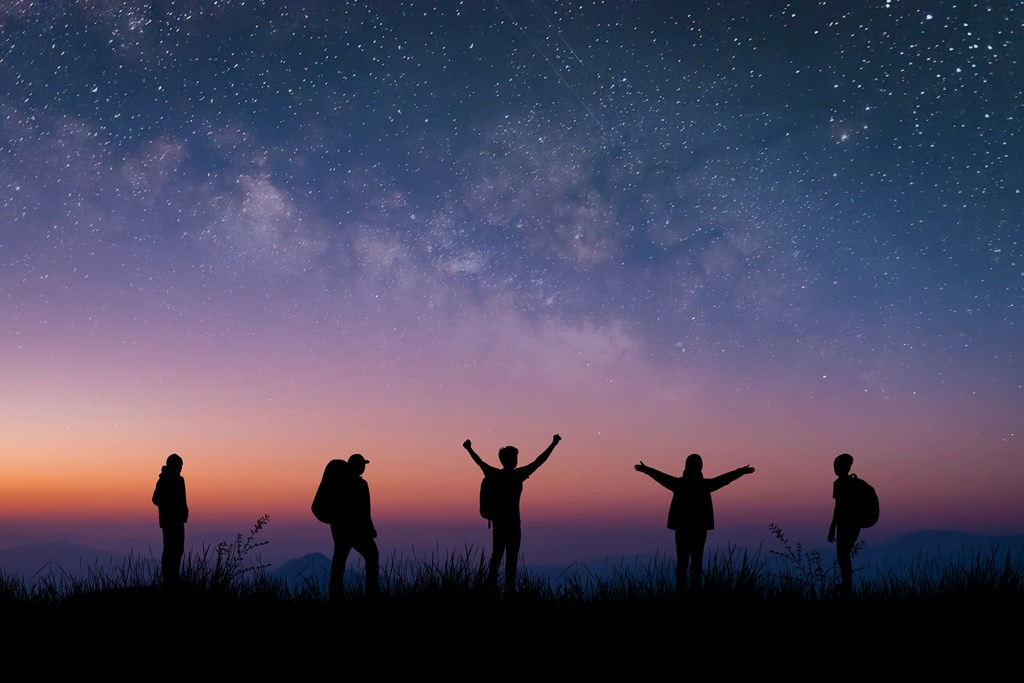
Credit: koa.com
Night Hiking And Stargazing
One special benefit of hiking at night is the chance to see the stars. Many trails are far from city lights, offering clear skies and beautiful views.
Best Places For Stargazing
- Mountain summits: High altitudes reduce light pollution.
- Desert trails: Dry air and open skies make stars more visible.
- National parks: Many have designated stargazing spots.
Planning For Stargazing
- Check moon phase. A new moon means darker skies and better stargazing.
- Bring a star map or app to identify constellations.
- Dress warmly—nighttime temperatures drop fast.
Famous Stargazing Events
Some hikers plan trips around events like meteor showers or lunar eclipses. For example, the Perseid meteor shower peaks in August, offering dozens of shooting stars each hour.
Comparing Stargazing Locations
Here’s a quick look at three top stargazing locations in the US:
| Location | Light Pollution | Best Month | Altitude (ft) |
|---|---|---|---|
| Mauna Kea, HI | Very Low | July-August | 13,796 |
| Big Bend NP, TX | Low | March-April | 1,800–7,800 |
| Bryce Canyon NP, UT | Low | June-July | 8,000–9,000 |
Choose your location based on altitude, light pollution, and best months for clear skies.
Group Vs. Solo Night Hiking
Many hikers wonder if they should hike alone or with a group at night. Both options offer benefits and risks.
Solo Hiking
- Freedom and solitude: You choose your pace and path.
- Skill-building: Solo hikes test your navigation and safety skills.
Risks:
- Higher danger if you get injured or lost.
- Harder to signal for help.
Group Hiking
- Safety in numbers: More eyes and ears.
- Shared navigation: Easier to avoid getting lost.
- Fun and support: Hiking with friends can make the experience more enjoyable.
Risks:
- Group can get noisy, scaring away wildlife.
- Slower pace if some members are less experienced.
Non-obvious Insight
Some hikers think solo hiking is always unsafe. But with careful preparation, solo night hikes can be rewarding. Start small, build your skills, and always inform someone about your plans.
Night Hiking For Beginners
If you’re new to night hiking, start simple. Here’s how to ease into after-dark adventures:
Start With Short, Familiar Trails
Choose trails you know well. This reduces your chance of getting lost.
Go With A Group
Invite friends or join organized night hikes. Many parks offer guided night walks.
Check Local Rules
Some parks and trails close after dark. Make sure night hiking is allowed.
Practice Using Your Gear
Test your headlamp, navigation tools, and clothing before your hike.
Take It Slow
Don’t rush. Move carefully, and enjoy the new sights and sounds.
Advanced Night Hiking
Experienced hikers can try longer or more challenging hikes at night. Here’s how to push your limits safely:
Plan Multi-hour Hikes
Choose routes with clear exit points. Carry extra batteries and emergency gear.
Try Technical Trails
Only attempt technical climbs or rough terrain if you’re skilled and confident.
Experiment With Navigation
Practice using compass and map in darkness. Test your skills on less-marked trails.
Train For Endurance
Night hiking can be tiring. Train during the day and gradually increase your night hike distance.
Join Nighttime Events
Some parks organize night races or moonlight hikes. These are good for advanced hikers.
Health Benefits And Risks
Night hiking affects your body in different ways than daytime treks. Here’s what to expect:
Benefits
- Lower heat stress: Cool air reduces overheating.
- Mental health boost: Solitude and quiet help reduce stress.
- Improved focus: Navigating in darkness sharpens attention.
Risks
- Dehydration: Cold air masks thirst. Drink water regularly.
- Hypothermia: Night temperatures can drop suddenly.
- Fatigue: Darkness makes you tired faster. Listen to your body.
Practical Advice
To reduce risks, always drink water, eat snacks, and wear warm layers. Stop for breaks and check your energy level.
Legal And Ethical Considerations
Night hiking is not allowed everywhere. Here’s what you need to know:
Trail Regulations
- Some trails close at sunset. Hiking after hours can lead to fines or rescue charges.
- National parks often have strict rules. Check their website or visitor center.
Leave No Trace
- Respect wildlife and other hikers.
- Stay on marked paths.
- Pack out all trash.
Ethical Insight
Night hiking can disturb animals, especially during breeding season. Avoid sensitive areas and keep noise low.
For more on trail rules and ethics, visit the National Park Service.

Credit: www.rei.com
Frequently Asked Questions
Is Night Hiking Safe For Beginners?
Night hiking can be safe for beginners if you choose easy, familiar trails and hike with a group. Always carry proper gear, check the weather, and inform someone about your plans.
What Is The Best Lighting For Night Hiking?
A headlamp with adjustable brightness and red light mode is best. Bring spare batteries and a backup flashlight. Avoid relying only on your phone for lighting.
Can I See Wildlife During Night Hikes?
Yes, many animals are active at night. You might see owls, bats, foxes, or deer. Make noise as you walk to avoid surprising animals, and never approach wildlife.
How Do I Prevent Getting Lost While Hiking At Night?
Stick to well-marked trails, use GPS and offline maps, and check your route often. Practice navigation skills and mark your path with reflective tape if needed.
Are There Organized Night Hikes Or Events?
Many parks and outdoor groups organize night hikes, moonlight walks, or stargazing events. Check local park websites or hiking clubs for schedules.
Ready For Your Night Adventure?
Hiking at night opens a new world of adventure. The quiet, cool air, and star-filled sky transform familiar trails into exciting journeys. With careful planning, the right gear, and a focus on safety, you can enjoy after-dark hikes and create lasting memories.
Start with easy trails, build your confidence, and soon you’ll discover why so many hikers love exploring nature at night.
