
Hiking In Bad Weather
Hiking is not always about blue skies, gentle breezes, and sunshine. For many, the challenge of hiking in bad weather is part of the adventure. Rain, snow, wind, and cold can make a trail feel completely different—sometimes dangerous, always demanding. But with the right knowledge and preparation, hiking in less-than-ideal conditions can be safe, rewarding, and even exhilarating. This article guides you through everything you need to know to hike confidently when the weather turns rough.
Why Hike In Bad Weather?
Most people avoid the outdoors when the forecast is gloomy. But hiking in bad weather offers unique benefits. Trails are quieter, wildlife is more active, and ordinary landscapes can become breathtaking under dramatic clouds or mist. You also build resilience and learn important survival skills.
Overcoming harsh conditions gives you a deep sense of achievement and makes you a more skilled hiker.
However, it’s important to remember that hiking in bad weather is not for everyone—or for every day. Some situations are simply too dangerous, and knowing when to turn back is a sign of wisdom, not weakness. The goal is not just to survive, but to enjoy and respect the power of nature.
Understanding Different Types Of Bad Weather
Bad weather means more than just rain. Each type of challenging weather brings its own risks and requires specific strategies.
Rain And Thunderstorms
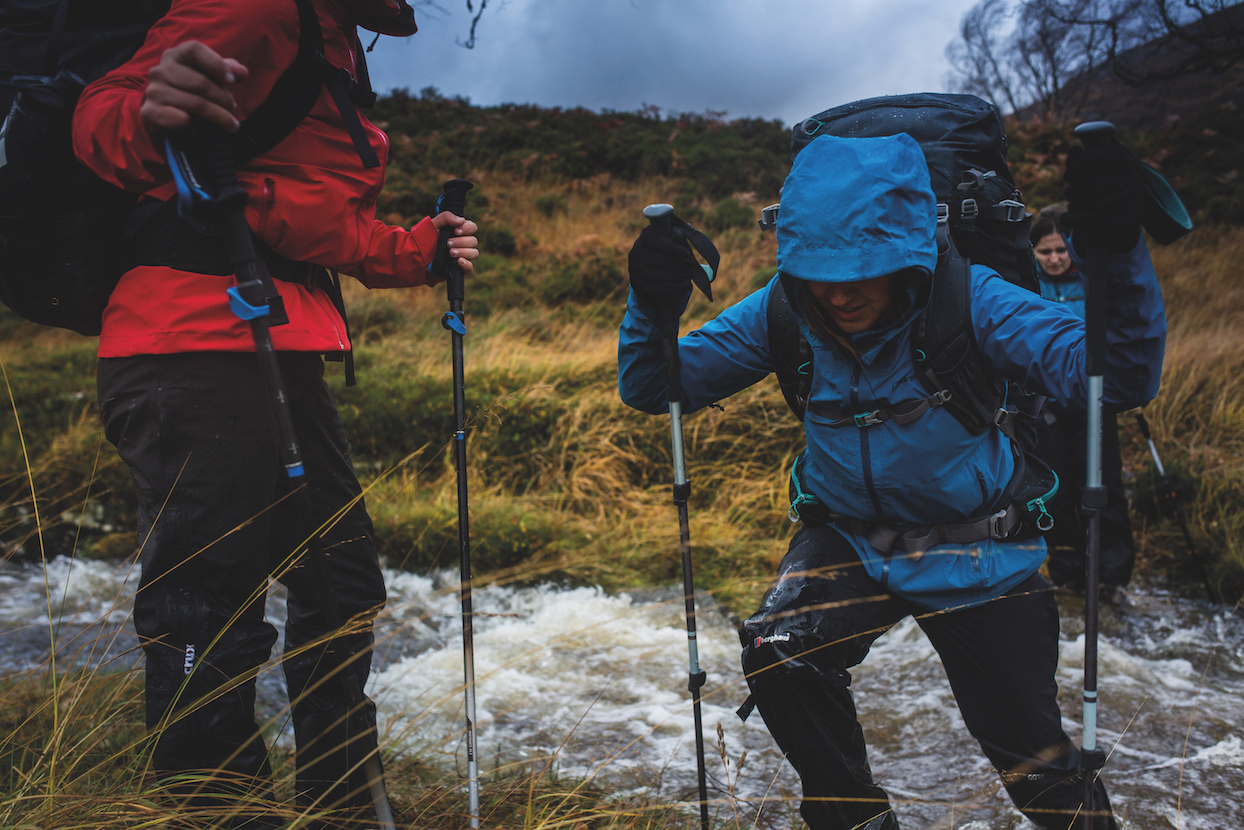
Rain can quickly turn a trail into a slippery mess, increase the risk of hypothermia, and hide hazards under muddy water. Thunderstorms bring lightning, which is a serious threat, especially above the tree line.
Snow And Ice
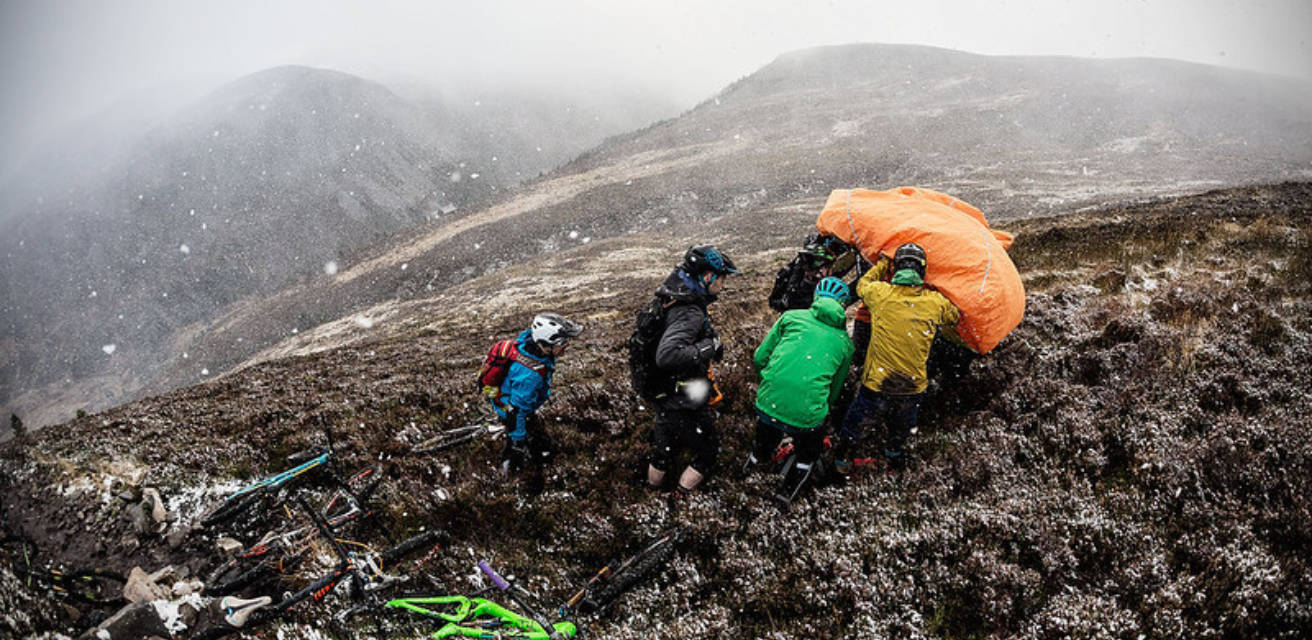
Snow can make navigation difficult, hide trail markers, and increase the risk of avalanches in some regions. Ice turns trails treacherous and makes every step a potential slip.
Wind
Strong winds can knock you off balance, bring down branches, and make rain or snow feel much colder. In exposed areas, wind is often more dangerous than precipitation.
Fog And Low Visibility
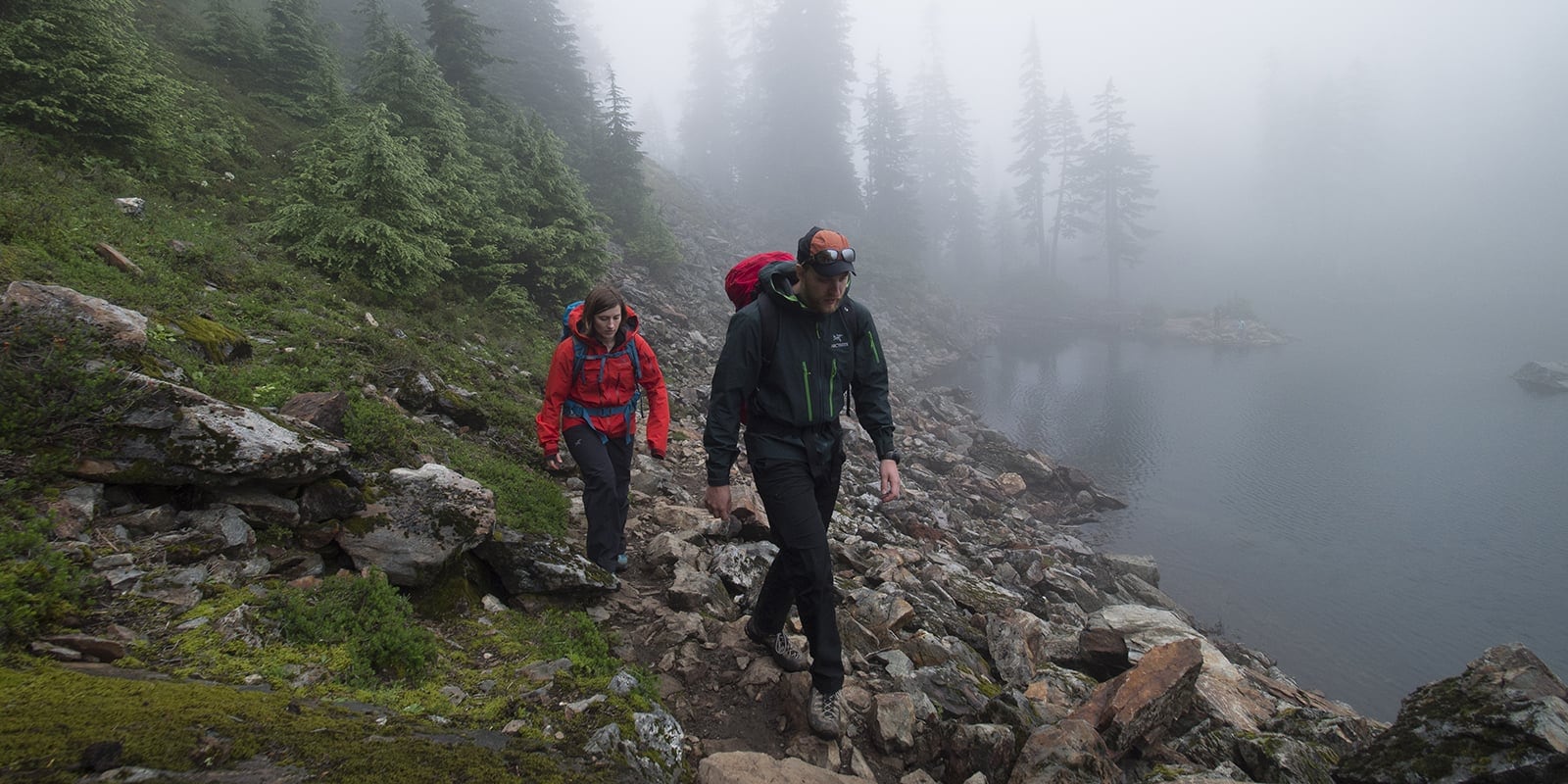
Fog and low clouds reduce visibility and make it easy to get lost. Trails you know well can feel unfamiliar, and you may lose sight of important landmarks.
Extreme Heat And Cold
Cold increases the risk of frostbite and hypothermia, while heat can cause dehydration and heatstroke. Both require careful planning and awareness.
Credit: www.thegreatoutdoorsmag.com
Essential Gear For Bad Weather Hiking
Your regular hiking gear won’t cut it when the weather gets rough. Investing in the right equipment is key to staying safe and comfortable.
Clothing: Layering For Protection
The golden rule for bad weather is layering. Each layer serves a purpose:
- Base layer: Wicks sweat away from your skin. Synthetic or merino wool is best.
- Insulation layer: Traps body heat. Fleece or down works well.
- Shell layer: Shields from wind and water. Look for breathable, waterproof jackets.
Avoid cotton—it holds moisture and can cause rapid heat loss.
Footwear
Choose waterproof hiking boots with good ankle support and deep treads. Wet socks lead to blisters, so use moisture-wicking, quick-dry socks. Gaiters keep water and debris out of your boots.
Rain Gear
A reliable rain jacket and rain pants are essential. Ponchos work for light rain, but full-coverage gear is better for storms. Pack a rain cover for your backpack.
Cold Weather Accessories
Don’t forget a warm hat, gloves, and a neck gaiter. In snow or extreme cold, insulated mittens and balaclavas protect exposed skin.
Emergency Items
Pack more than usual for emergencies:
- Headlamp (with extra batteries)
- Map and compass (don’t rely only on your phone)
- Emergency blanket
- First aid kit
- Whistle and signal mirror
Comparison Of Essential Bad Weather Gear
Below is a quick comparison of key gear features for hiking in rain, snow, and wind.
| Gear | Rain | Snow | Wind |
|---|---|---|---|
| Jacket Type | Waterproof, breathable | Insulated, waterproof | Windproof, breathable |
| Footwear | Waterproof boots | Insulated boots, gaiters | Supportive, wind-blocking |
| Accessories | Rain cover, brimmed hat | Gloves, hat, crampons | Neck gaiter, sunglasses |
Planning Your Hike: Before You Go
Preparation is more important than ever when the weather is unpredictable. A few key steps can make the difference between an epic adventure and a dangerous ordeal.
Check The Weather Forecast
Don’t just glance at the sky—consult detailed, up-to-date forecasts. Look for:
- Temperature (including “feels like”)
- Chance of precipitation
- Wind speed and direction
- Any weather warnings (storms, flooding, etc.)
Apps like NOAA Weather or AccuWeather offer hour-by-hour updates.
Study The Trail And Area
Know your route in detail. Check trail conditions—mud, snow, stream crossings, or closures. Download offline maps in case your phone loses signal. Identify escape routes and sheltered spots.
Tell Someone Your Plans
Leave your itinerary with a friend or family member. Include your route, expected return time, and backup plans. This step is often skipped but has saved countless lives.
Adjust Your Timeline
Bad weather slows you down. Start earlier in the day and plan for frequent stops. Allow extra time for navigation and rest.
Pack Smart
Waterproof everything using dry bags or zip-lock bags. Bring extra food and water—bad weather burns more energy. Hot drinks in a thermos can be a morale booster.
Navigating Bad Weather On The Trail
Once you’re out there, the real challenge begins. Stay alert and flexible—conditions can change quickly.
Dealing With Rain And Thunderstorms
Stay on marked trails, as mud can hide hazards. Use trekking poles for balance. If you hear thunder, get below the tree line and avoid isolated trees, ridges, and open fields. Wait at least 30 minutes after the last thunder before continuing.
Handling Snow And Ice
Watch for signs of hypothermia—shivering, confusion, stumbling. Follow trail markers closely, as snow can hide paths. In icy areas, move slowly and use microspikes or crampons for grip.
Managing Wind
Strong wind can make even easy trails dangerous. Lean into the wind, shorten your stride, and use poles for stability. In forests, watch for falling branches. On ridges, crouch low if gusts are severe.
Moving In Fog And Low Visibility
In fog, navigation is tricky. Use a compass and check your map often. Mark your location at trail intersections. If you get disoriented, stop, and reorient—don’t wander aimlessly.
Coping With Extreme Temperatures
In cold, keep moving to maintain body heat. Eat small, high-energy snacks often. In heat, drink water regularly and rest in the shade. Watch for warning signs of frostbite (numb, white skin) or heatstroke (headache, dizziness).
Trail Hazards And How To Avoid Them
Bad weather creates unique hazards. Here are some to watch out for:
Flash Floods
Heavy rain can cause streams to rise quickly. Don’t try to cross flooded areas—find higher ground and wait. Learn to recognize the signs: sudden water color changes, loud rushing sounds, or debris in the water.
Landslides And Mudslides
Steep, saturated slopes may give way. Listen for rumbling or cracking sounds and move quickly away from any signs of sliding earth.
Falling Trees And Branches
High winds make forests dangerous. If you hear cracking or see swaying trees, move to a clearing until the wind dies down.
Hypothermia And Frostbite
Both conditions can develop faster than you think, even in mild temperatures if you’re wet. Know the symptoms—shivering, numbness, confusion—and act fast: get dry, add layers, and eat something sugary.
Lightning
Lightning is rare but deadly. If you’re caught outside, move to a lower area, avoid metal objects, and crouch with your feet together—not lying flat.
Comparison Of Common Trail Hazards
This table highlights which weather conditions commonly cause certain hazards:
| Hazard | Rain | Snow | Wind | Fog |
|---|---|---|---|---|
| Flash Floods | High | Low | Low | Low |
| Landslides | Medium | Medium | High | Low |
| Falling Branches | Medium | Low | High | Low |
| Getting Lost | Medium | High | Medium | High |
Safety Tips And Risk Reduction
Your safety depends on good habits, not just gear or luck. Here are essential tips for reducing risk when hiking in bad weather.
Know When To Turn Back
Nature does not care about your plans. If conditions worsen, visibility drops, or you feel unsafe, turn back or seek shelter. The mountain will still be there tomorrow.
Stay Dry And Warm
Wet clothing steals body heat quickly. Change into dry layers if you get soaked. Bring chemical hand warmers for emergencies.
Move Carefully
Bad weather makes every step riskier. Slow down, use trekking poles, and test uncertain ground before putting your full weight down.
Don’t Hike Alone
Solo hiking in bad weather is much riskier. Go with a partner or group. If you must go alone, increase your margin of safety and check in often.
Monitor Your Condition
Pay attention to your energy, body temperature, and mood. Cold and fatigue can cloud your judgment. Take breaks and refuel often.
Keep Devices Dry
Phones and GPS units are useless if wet. Store electronics in waterproof bags and bring paper backups for navigation.
The Mental Side: Staying Motivated And Aware
Bad weather tests your mind as much as your body. Here’s how to keep your spirits high and your decisions sharp.
Embrace The Adventure
Shift your mindset. Instead of seeing rain or snow as obstacles, treat them as part of the story. Watch how landscapes change and enjoy the solitude.
Set Small Goals
When the going gets tough, focus on reaching the next trail marker or shelter, not just the finish line. This breaks the hike into manageable pieces.
Watch For Group Morale
If hiking with others, check in often. People might hide discomfort. Encourage openness, so everyone stays safe and happy.
Avoid Tunnel Vision
Don’t get so focused on moving forward that you miss warning signs—like a sudden drop in temperature or thickening fog. Pause, observe, and adjust as needed.
Credit: dmbins.com
What Beginners Often Miss
Even experienced hikers make mistakes in bad weather. But beginners often miss two key points:
- Microclimates matter. Weather can change quickly over short distances, especially in mountains. A sunny parking lot doesn’t mean the summit will be clear.
- Overconfidence is dangerous. Success on easy trails in good weather doesn’t prepare you for a stormy or icy hike. Always adjust your plans based on current conditions, not your best day.
Real Stories: Lessons From The Trail
Sometimes, real-life examples teach more than any list of tips.
- In 2018, two hikers in the White Mountains were caught in a sudden snowstorm. They didn’t check the updated forecast and wore light jackets. When visibility dropped, they lost the trail. Thanks to a map, compass, and emergency blanket, they survived until rescuers arrived, but both suffered mild frostbite.
- In the Pacific Northwest, a group attempted a popular trail during a windstorm. One member was hit by a falling branch, breaking his arm. Their satellite communicator let them call for help, but rescue took hours due to poor visibility. Lesson: Never underestimate the power of wind or the importance of communication devices.
These stories show that preparation and humility are more important than speed or strength.
Unique Beauty Of Bad Weather Hiking
Despite the risks, there’s something magical about hiking in wild weather. Misty forests, snow-dusted peaks, and the sound of rain on leaves create memories you won’t find on a sunny day. Photography lovers can capture dramatic scenes. Wildlife watchers might spot animals that avoid busy trails in fair weather.
If you’re prepared and cautious, hiking in bad weather can be one of the most rewarding outdoor experiences. Just remember: respect nature, know your limits, and never let pride override safety.
After The Hike: Recovery And Gear Care
When you finish a hike in bad weather, your job isn’t done. Take time to recover and care for your equipment.
Dry Out Gear Immediately
Wet gear grows mold quickly and loses effectiveness. Open your pack, hang clothes, and air out boots as soon as possible. Remove insoles and dry them separately.
Check For Damage
Inspect your gear for rips, broken zippers, or missing items. Repair or replace anything before your next trip.
Warm Up And Refuel
Change into dry clothes right away. Eat a hot meal and drink warm fluids to restore energy and body heat.
Reflect On The Experience
Think about what worked and what didn’t. Did you pack too much or too little? Was your navigation solid? Honest reflection makes you a better hiker next time.
Credit: www.rei.com
Responsible Hiking In Bad Weather
Hiking in bad weather puts more pressure on rescue services and can damage sensitive trails. Here’s how to minimize your impact:
- Stick to durable surfaces to avoid widening muddy trails.
- Don’t leave trash—pack out everything, even biodegradable items.
- Avoid group singing or loud music, which can disturb wildlife.
- In areas prone to erosion, consider postponing your hike until trails dry out.
Responsible hikers keep trails open and safe for everyone.
Comparing Bad Weather Hiking With Fair Weather
How different is hiking in bad weather compared to a sunny day? The chart below highlights key differences.
| Aspect | Fair Weather | Bad Weather |
|---|---|---|
| Trail Traffic | High | Low |
| Wildlife Sightings | Less common | More common |
| Risk Level | Low | High |
| Preparation Needed | Standard | Extensive |
| Photography | Bright, clear | Dramatic, moody |
Frequently Asked Questions
Is Hiking In Bad Weather Dangerous?
Yes, it can be. Bad weather increases the risks of injury, getting lost, and hypothermia. Proper planning, gear, and awareness greatly reduce these risks. Always know your limits and turn back if conditions worsen.
What Is The Best Clothing For Hiking In The Rain?
Wear a waterproof, breathable jacket and pants, with synthetic or wool base layers. Avoid cotton. Use waterproof boots and pack extra socks. Bring a rain cover for your backpack.
How Do I Stay Safe During Thunderstorms?
Get below the tree line and away from open areas or isolated trees. Crouch with feet together if lightning is close. Wait 30 minutes after the last thunder before moving on. Lightning is unpredictable, so caution is essential.
Can I Hike Alone In Bad Weather?
It’s possible, but not recommended. If you must hike alone, share your plans, carry emergency gear, and use a satellite communicator if possible. Always be extra cautious and ready to turn back.
Where Can I Learn More About Weather Safety For Hikers?
You can find detailed guidelines and updates from the National Park Service, which covers weather, route planning, and emergency steps for hikers.
Hiking in bad weather is both a test and a reward. With the right preparation and respect for nature, you’ll discover the wild side of your favorite trails—and yourself.
