
How Fast Can A Bear Run
Many people think of bears as slow, lumbering animals, but this is a common mistake. Bears are among the fastest large mammals in North America and Eurasia. Their speed often surprises hikers, campers, and wildlife watchers. Understanding how fast a bear can run is not just fascinating—it can also be important for your safety.
In this article, we’ll explore the running speeds of different bear species, how their bodies allow such bursts of speed, and why knowing these facts matters in real life. We’ll also look at comparisons with other animals, myths about bear speed, and practical tips if you ever encounter a bear in the wild.
Bear Species And Their Running Speeds
Bears belong to the family Ursidae, and there are eight main bear species in the world. Each species has unique traits, but all are surprisingly fast when needed. Let’s look at the running speeds of the most well-known bears.
| Bear Species | Max Running Speed (mph) | Max Running Speed (km/h) |
|---|---|---|
| American Black Bear | 25–30 | 40–48 |
| Grizzly/Brown Bear | 30–35 | 48–56 |
| Polar Bear | 20–25 | 32–40 |
| Asiatic Black Bear | 20–25 | 32–40 |
| Sloth Bear | 20–22 | 32–35 |
| Sun Bear | 25 | 40 |
| Spectacled Bear | 20 | 32 |
| Giant Panda | 20 | 32 |
Grizzly And Brown Bears
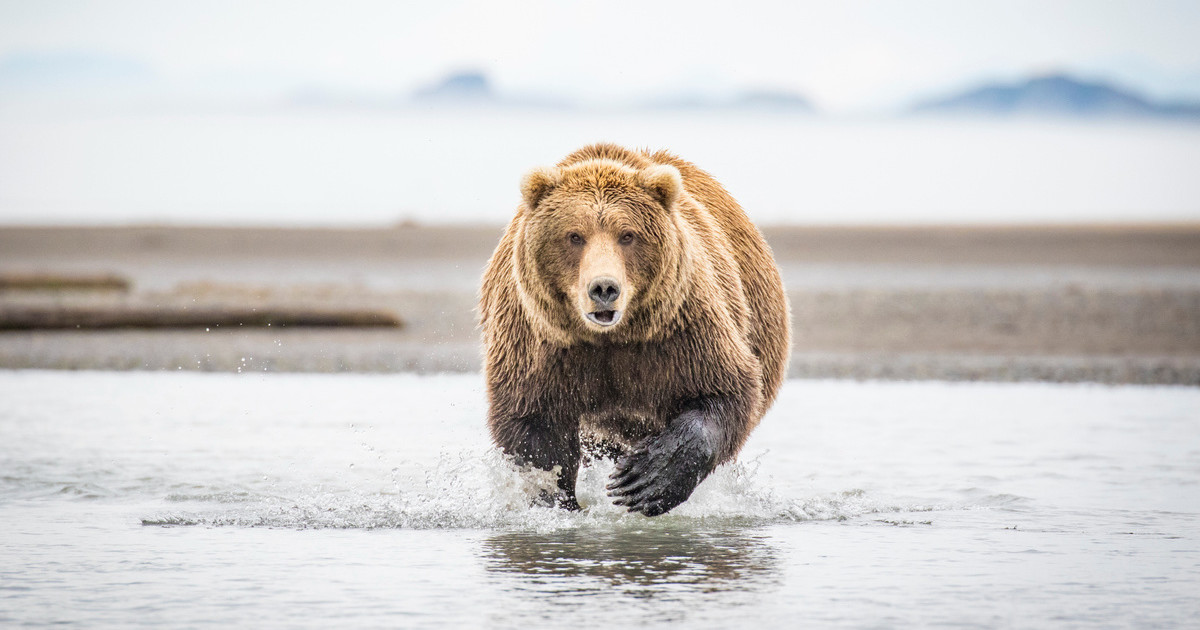
The grizzly bear (a type of brown bear) is famous for its power and speed. It can run up to 30–35 mph (48–56 km/h) for short distances. This is faster than most humans can run, even Olympic sprinters. Grizzlies use this speed to chase prey, escape danger, or defend themselves.
American Black Bear
The American black bear is lighter and more agile than the grizzly. It can reach speeds of 25–30 mph (40–48 km/h). Black bears are common in North America and often surprise people with their quick bursts.
Polar Bear
Polar bears live in the Arctic and are the largest land carnivores. They can run up to 20–25 mph (32–40 km/h). While not as fast as grizzlies or black bears, their speed is impressive given their size and heavy build.
Other Bear Species
The Asiatic black bear, sloth bear, sun bear, spectacled bear, and giant panda are less known for speed. They usually run between 20–25 mph (32–40 km/h). Even the panda, which looks slow and gentle, can move quickly when needed.
How Bears Run So Fast
Many people wonder how such large animals can move so quickly. Bears have special body features that make them fast runners.
Powerful Muscles And Limbs
Bears have strong leg muscles, especially in their back legs. Their shoulders are broad and packed with muscle. This gives them the power to push off the ground quickly. Unlike some animals, bears do not have long, thin legs, but their short, strong legs are perfect for sprinting.
Unique Foot Structure
Bears walk on the soles of their feet, like humans. This is called “plantigrade” walking. When running, they use all four legs and stretch their bodies low to the ground. Their claws help with traction, especially on dirt or grass.
Short Bursts, Not Long Runs
Bears are built for short, fast sprints, not for long-distance running. They can keep their top speed for about 100 yards (91 meters) or less. After that, they slow down. Their heavy bodies make it hard to run far without getting tired.
Body Size Vs. Speed
Heavier bears, like grizzlies and polar bears, can still run fast because their muscles are so strong. But smaller bears, like black bears and sun bears, can turn and change direction more quickly. This helps them escape danger or catch prey in thick forests.
Comparing Bear Speed To Humans And Other Animals
To understand bear speed better, it helps to compare it with other animals and humans. Many people think they can outrun a bear, but the facts show otherwise.
| Animal | Top Speed (mph) | Top Speed (km/h) |
|---|---|---|
| Bear (average) | 25–35 | 40–56 |
| Usain Bolt (human) | 27.8 | 44.7 |
| Horse | 40–44 | 64–70 |
| Wolf | 37 | 60 |
| Deer | 30–40 | 48–64 |
| Elk | 45 | 72 |
| Lion | 50 | 80 |
Human Vs. Bear
Usain Bolt, the fastest human ever, reached about 27.8 mph (44.7 km/h) in a sprint. Most people can run between 8–12 mph (13–19 km/h) for short periods. This means almost no human can outrun a bear.
Other Wild Animals
Bears are not the fastest animals, but their speed is similar to deer, wolves, and other large mammals. Lions and horses are faster, but bears can compete with most animals in their habitats.
Real-life Example
If you are hiking and see a bear, running away is not a good idea. Even if you are fit, a bear can catch you easily. Bears can run uphill, downhill, and through thick forests without losing much speed.
Why Do Bears Run?
Bears do not run just for fun. Their speed helps them survive and thrive in the wild. Here are the main reasons bears run fast.
Hunting
Some bears, like grizzlies and polar bears, use speed to catch prey. Grizzlies chase elk, deer, or small mammals. Polar bears rush seals on the ice. Bears rely on a quick burst to surprise their prey.
Escape
Bears sometimes run away from threats, like humans, other animals, or fires. Black bears are known for fleeing quickly if they feel scared. Cubs and young bears run to avoid danger.
Defending Territory
Bears are territorial. If another bear or animal comes too close, they may charge at high speed to defend their space. A fast run can scare off rivals or threats.
Protecting Cubs
Mother bears are very protective. If they sense danger near their cubs, they will run fast to chase away threats or move their young to safety.
Bears’ Speed In Different Environments
Bear speed changes depending on the terrain and environment. Let’s look at how bears run in forests, mountains, and open spaces.
Forests
In thick forests, bears can weave between trees at high speed. Their compact bodies and strong legs help them move quickly through brush and branches. Black bears, in particular, are agile in woodland areas.
Mountains
Grizzly bears live in mountainous regions. They can run up steep hills and rocky slopes. Their claws give them grip, and their muscles let them climb and sprint uphill. Few animals can match a bear’s speed on rough ground.
Open Plains
On open plains, bears reach their top speed more easily. Brown bears and grizzlies can sprint across meadows or fields. This is where their speed is most visible.
Snow And Ice
Polar bears run on snow and ice. While slippery surfaces make running harder, polar bears use their claws for grip. They do not run as fast as grizzlies, but their speed is still impressive given the harsh conditions.
Myths And Misconceptions About Bear Speed
Many myths surround bears and their abilities. Let’s clear up some common misunderstandings.
Myth 1: Bears Are Slow
Some people believe bears are slow because they look heavy and clumsy. But science shows they are fast and agile when needed. Even the largest bears can sprint faster than most humans.
Myth 2: Only Young Bears Can Run Fast
It is true that young bears are more playful and energetic, but adult bears—especially mothers—can run at full speed when protecting their cubs or territory. Age does affect endurance, but not the ability to sprint.
Myth 3: Bears Cannot Run Downhill
Some hikers think bears cannot run downhill. This is false. Bears can run downhill just as fast as uphill. Their bodies are built for all types of terrain.
Myth 4: You Can Outrun A Bear
This is a dangerous belief. Almost no human can outrun a bear, especially over rough ground or in the wild. Bears’ speed and stamina are better than most people expect.
Myth 5: Bears Will Always Chase You
Most bears do not want to chase humans. They run for their own reasons—hunting, escaping, or defending. If you surprise a bear, it may run away rather than towards you.

Credit: www.youtube.com
Bear Speed And Safety Tips
Understanding bear speed is important for safety. If you spend time outdoors, knowing these facts can help you avoid dangerous situations.
What To Do If You See A Bear
- Stay calm. Do not run. Running triggers a chase response.
- Make yourself look big. Stand tall and wave your arms.
- Speak in a calm, firm voice.
- Slowly back away. Do not turn your back on the bear.
- Carry bear spray if you are in bear country.
Common Mistakes
- Running away: Bears can catch you easily.
- Climbing trees: Some bears, like black bears, are excellent climbers.
- Dropping food: This can attract bears and make them stay.
- Getting too close for photos: Bears can charge without warning.
Using Bear Spray
Bear spray is a powerful tool. If a bear charges, use the spray as directed. Aim for the bear’s face. Bear spray is more effective than guns and can stop a bear from coming closer.
Hiking In Groups
Bears rarely attack groups of people. Hiking with friends, making noise, and staying alert are good ways to avoid unwanted encounters.
How Bears’ Speed Helps Them Survive
Bear speed is not just for catching prey or escaping danger. It plays a big role in their survival.
Finding Food
Bears often move quickly to find food. Grizzlies may sprint to catch a salmon or chase an elk. Black bears run to reach berry patches or garbage cans before other animals.
Avoiding Humans
Bears use their speed to avoid humans. When they sense people nearby, they often run away. This keeps them safe and reduces conflict.
Competition
Bears compete with other animals for food and territory. Speed helps them win fights, claim land, and stay healthy.
Migration
Some bear species move long distances to find food or mates. Speed helps them cover ground quickly, especially in spring and fall.
How Scientists Measure Bear Speed
Scientists use several methods to study how fast bears can run. Getting accurate data is not easy, but researchers have found creative ways.
Tracking Collars
Bears are fitted with GPS collars that record their movements. By analyzing the data, scientists can estimate how fast bears move in the wild.
Observations In The Field
Wildlife experts watch bears in natural settings, such as during hunts or escapes. They use video footage and time measurements to calculate speed.
Controlled Tests
Sometimes, bears in zoos or wildlife parks are tested for speed. Trainers encourage bears to run, and scientists measure their time over a set distance.
Limitations
It is hard to measure top speed in the wild because bears rarely run at full speed unless they are chasing prey or fleeing danger. Most data comes from short bursts, not long runs.
Factors That Affect Bear Speed
Bear speed depends on several factors. It’s not just about species.
Age And Health
Young, healthy bears run faster than older or sick bears. Cubs are playful and quick, but adults can still sprint when necessary.
Size And Weight
Lighter bears can accelerate faster, but heavier bears can maintain high speed for short bursts. Muscle strength matters more than weight alone.
Environment
Bears run faster on open ground than in thick brush. Snow, mud, and rocky slopes slow them down.
Motivation
Bears run fastest when chasing prey or escaping danger. If there is no urgent reason, they move at a slow pace.
Differences In Bear Speed: Male Vs. Female
Male and female bears have different sizes and roles, which can affect their speed.
Male Bears
Male bears are usually larger and stronger. They can reach top speeds, but their extra weight means they tire more quickly.
Female Bears
Female bears are lighter and more agile. They often run faster for longer periods, especially when protecting cubs.
Special Cases
Mother bears with cubs may not run at full speed if they are carrying or leading their young. But if threatened, they can still sprint impressively.
Real-life Stories Of Bear Speed
Stories from hikers, wildlife experts, and park rangers help us understand bear speed in action.
The Yellowstone Grizzly
In Yellowstone National Park, rangers have seen grizzlies chase elk across open meadows. One grizzly was recorded running at nearly 35 mph while chasing prey. The elk escaped, but the bear’s speed amazed everyone watching.
Black Bear In The Smokies
A group of campers saw a black bear sprint across a road after being scared by a car horn. The bear crossed 100 yards in less than five seconds—faster than any human in the group could react.
Polar Bear On The Ice
Researchers in the Arctic watched a polar bear charge a seal at full speed. The bear covered 50 yards in just a few seconds, catching the seal before it could escape. The icy surface slowed the bear, but its power and speed were clear.
:max_bytes(150000):strip_icc()/GettyImages-92417062-fdfbe3576bc94b9698d44d1ed8475a35.jpg)
Credit: www.treehugger.com
Bear Speed: Evolution And Adaptation
Bear speed is the result of millions of years of evolution. Bears have adapted their bodies and behavior to survive in different environments.
Early Bears
Ancient bears were smaller and less powerful. Over time, they evolved stronger muscles and bigger bodies to hunt, defend, and migrate.
Modern Bears
Today’s bears use speed to hunt, escape, and protect. Their bodies are a mix of strength, agility, and endurance. Bears that could not run fast did not survive.
Adaptation To Habitat
Bears in forests are more agile, while bears on open plains or ice are stronger. Each species has adapted its speed to suit its environment.
Bear Speed And Conservation
Knowing how fast bears can run helps conservationists protect them.
Protecting Habitats
Bears need space to move and run. Conservation groups work to keep forests, mountains, and Arctic regions safe for bears.
Reducing Conflict
Understanding bear behavior, including speed, helps people avoid conflict. Education programs teach hikers and campers how to stay safe.
Research And Data
Scientists use speed data to track bear health, migration, and population. This helps with conservation planning.
Comparing Bear Speed To Other Large Predators
Bears are not alone in their need for speed. Let’s compare them to other large predators.
| Predator | Top Speed (mph) | Top Speed (km/h) |
|---|---|---|
| Grizzly/Brown Bear | 35 | 56 |
| Lion | 50 | 80 |
| Tiger | 40 | 64 |
| Wolf | 37 | 60 |
| Leopard | 36 | 58 |
| Cheetah | 70 | 113 |
| Polar Bear | 25 | 40 |
Bears Vs. Big Cats
Lions, tigers, and cheetahs are faster than bears. But bears are stronger and can run in different terrains. Their speed is enough to compete with most predators.
Bears Vs. Wolves
Wolves run in packs and can reach similar speeds to bears. But bears are more powerful and can defend themselves alone.
Practical Insights Most People Miss
Knowing a bear’s top speed is only part of the story. Here are some insights that beginners often overlook:
- Bears can accelerate quickly from a standing start. They do not need a running start to reach top speed.
- Bears can change direction fast. Their speed is not just in straight lines—they can turn sharply to chase prey or escape.
- Bears can swim fast, too. While not as quick as on land, polar bears and black bears are strong swimmers, reaching speeds up to 6 mph (10 km/h) in water.
- Bear speed depends on motivation. If a bear is hungry, scared, or protecting cubs, it will run faster than in normal situations.
- Bears’ speed is a warning. If a bear charges, it is serious. Many charges are bluff, but you cannot outrun or outmaneuver a charging bear.
Credit: www.themeateater.com
Frequently Asked Questions
How Fast Can A Bear Run Compared To A Human?
Bears can run up to 35 mph (56 km/h), while the fastest human (Usain Bolt) reached 27.8 mph (44.7 km/h). Most people cannot run faster than 12 mph (19 km/h), so bears are much faster.
Can Bears Run Uphill And Downhill?
Yes, bears are strong runners on all terrain. They can run uphill, downhill, and across rough ground without losing much speed.
How Long Can A Bear Keep Its Top Speed?
Bears can sprint at top speed for 50–100 yards (45–91 meters). After that, they slow down. Their bodies are built for short bursts, not long-distance running.
What Should I Do If A Bear Charges At Me?
Do not run. Stand your ground, make yourself look big, and use bear spray if you have it. Most bear charges are warnings, but never try to outrun a bear.
Are Bears Faster Than Other Predators?
Bears are not the fastest predators, but their speed is impressive. Lions, tigers, and cheetahs are faster, but bears are strong and can run in different environments.
If you want to learn more about bear behavior and safety, visit the National Park Service website for expert advice.
Understanding bear speed helps us respect these powerful animals and stay safe in the wild. Remember, bears are fast, strong, and unpredictable. Always keep your distance, follow safety tips, and enjoy the beauty of bears from afar.
