
When you invest in a Coleman tent, you want to know how long it will last. After all, your tent is your shelter, your comfort zone, and your protection from the elements during outdoor adventures.
You might be wondering if your tent will stand strong for one camping season or several years to come. Understanding how long Coleman tents last can help you make smarter choices, save money, and get the most out of your camping gear.
Keep reading to discover what affects your tent’s lifespan and how you can extend it for many memorable trips ahead.
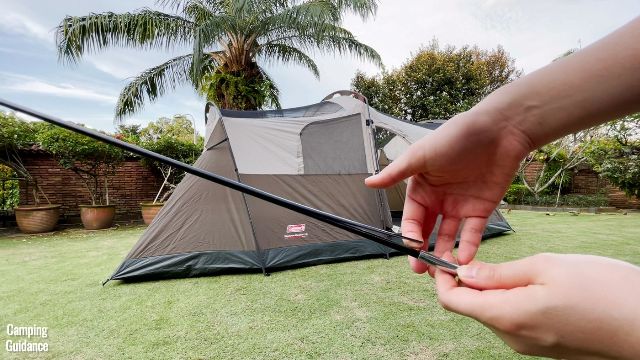
Credit: campingguidance.com
Coleman Tent Lifespan
Coleman tents are popular for camping and outdoor activities. Knowing how long they last helps campers plan their trips better. The lifespan of a Coleman tent depends on many things. Quality, use, and care all play a big role. Understanding these factors can help you get the most from your tent.
Factors Affecting Durability
The material of the tent affects how long it lasts. Coleman tents use polyester or nylon fabric. These materials resist water and wear well. Sunlight can weaken the fabric over time. Storing the tent in a dry, cool place helps preserve it. Frequent exposure to rain, wind, or rough ground can cause damage. Proper setup and takedown reduce stress on seams and poles. Cleaning the tent after each trip prevents dirt build-up and mold. Using a ground tarp protects the tent floor from tears.
Average Usage Span
Most Coleman tents last between 3 to 7 years. This depends on how often you camp and how you care for the tent. Occasional campers might see their tent last over 7 years. Heavy users may need a replacement sooner, around 3 to 4 years. Regular maintenance extends the tent’s life. Small repairs, like fixing tears or broken zippers, keep it usable longer. Buying a tent with a good warranty can also give peace of mind.

Credit: www.amazon.com
Materials And Build Quality
The materials and build quality of Coleman tents play a big role in how long they last. Strong fabric and sturdy frames help tents resist wear and tear. Good quality materials also protect campers from rain, wind, and sun.
Durable fabrics keep the tent dry and prevent holes. Solid frames hold the tent steady during storms. Both parts work together for a longer tent life.
Fabric Types
Coleman tents use different fabrics like polyester and nylon. Polyester is strong and dries quickly. It resists shrinking and stretching in wet weather. Nylon is light and easy to carry. It also has good tear resistance.
Many Coleman tents have a waterproof coating on the fabric. This layer stops water from soaking through. It also helps block UV rays, which can damage the fabric over time.
Frame Construction
The tent frame is usually made from steel or fiberglass poles. Steel poles are heavy but very strong. They hold up well in strong winds. Fiberglass poles are lighter and flexible. They bend without breaking but may wear out faster.
Poles are connected with shock cords. These cords keep poles together and make setup easier. The quality of these parts affects the tent’s stability and lifespan.
Usage Impact On Longevity
How long a Coleman tent lasts depends a lot on how you use it. The way you set up, store, and care for your tent changes its life span. Using the tent often or just a few times each year makes a big difference. The places you camp and the weather you face also affect the tent’s strength over time.
Frequency Of Use
Using your Coleman tent many times shortens its life. Each trip means setting up and taking down the tent. This wears out the fabric and zippers. Tents used only a few times yearly tend to last longer. Less use means less damage and fewer repairs. Regular cleaning after each use also helps keep your tent strong.
Environmental Conditions
Harsh weather can hurt your tent fast. Strong sun can fade and weaken the fabric. Heavy rain may cause leaks if seams are old. Wind can tear or break poles and stakes. Camping in dry, mild places helps tents last longer. Always dry your tent before storing it to avoid mold and mildew.
Maintenance Tips
Proper maintenance keeps your Coleman tent strong and ready for many trips. Small efforts protect the fabric, zippers, and poles. This extends the tent’s life and saves money over time.
Follow simple steps to clean, store, and repair your tent. These habits help avoid damage and keep your tent safe from wear and tear.
Cleaning Best Practices
Use a soft brush or cloth to remove dirt and dust. Wash with mild soap and cold water only. Avoid harsh chemicals or bleach that damage fabric. Rinse well and let the tent dry completely outside. Never store a wet tent. Clean zippers gently and keep them free from dirt.
Storage Recommendations
Store your tent in a cool, dry place. Avoid direct sunlight to prevent fabric fading. Use a large storage bag, not a tight one, to keep the fabric loose. Keep away from rodents or insects that can chew holes. Always dry the tent fully before packing it away. Check on the tent every few months to prevent mold.
Repair Techniques
Fix small tears with patch kits made for tents. Use waterproof tape for quick fixes on the fly. Replace broken poles with parts from Coleman or local stores. Tighten loose seams with a needle and strong thread. Repair zippers with special lubricants or replace if broken. Fixing small problems early stops bigger damage later.
Signs Of Wear And Replacement Timing
Knowing when a Coleman tent shows signs of wear helps you plan for replacement. Tents face stress from weather, use, and time. Watching for damage keeps camping safe and comfortable.
Regular checks can extend tent life and avoid surprises on trips. Small issues often signal the need for repair or replacement. Understanding these signs prevents bigger problems.
Common Wear Indicators
Look for tears or holes in the tent fabric. These let rain and wind inside. Check the seams for loose or broken stitches. Damaged zippers cause frustration and let bugs enter. Bent or broken poles reduce tent stability. Faded fabric means sun damage and weaker material. Mold or mildew spots show poor drying or storage. Bent or missing stakes make setup difficult.
When To Replace Your Tent
Replace the tent if fabric tears are large or multiply. If poles break often, the tent may be unsafe. Mold that cleans poorly harms fabric strength. If zippers fail frequently, the tent loses protection. When water leaks through multiple spots, consider a new tent. If setup becomes too hard due to damage, replacement is best. Old tents with faded, weak fabric need renewal for safety.
Warranty And Customer Support
Coleman tents come with warranty and customer support. These services help protect your purchase. They add value by giving peace of mind. Knowing you can get help if problems arise makes camping easier.
Understanding the warranty details and claim process helps you use these services well. Coleman aims to make support simple and fair. This section explains what the warranty covers and how to claim it.
Warranty Coverage
Coleman tents usually have a limited warranty. This covers defects in materials and workmanship. Problems like broken poles or torn fabric may be covered. Wear from normal use is not covered. Damage caused by accidents or misuse is also excluded. The warranty period varies by model but often lasts one year. Always check your tent’s manual for exact details.
Claim Process
To file a warranty claim, keep your purchase receipt. Contact Coleman customer service by phone or online. Describe the problem clearly and provide photos if possible. Coleman will review your claim quickly. They may offer repair, replacement, or refund. Follow their instructions for shipping the tent if needed. Stay polite and patient during the process. Good communication makes claims smoother and faster.

Credit: www.reddit.com
Frequently Asked Questions
How Long Do Coleman Tents Typically Last?
Coleman tents usually last 5 to 10 years with proper care. Regular cleaning and storage increase their lifespan. Avoid prolonged sun exposure and harsh weather to maintain tent durability.
What Factors Affect Coleman Tent Lifespan?
Tent lifespan depends on usage frequency, weather conditions, and maintenance. Heavy use or extreme weather can shorten life. Proper cleaning, drying, and storage extend durability significantly.
Can Maintenance Extend Coleman Tent Life?
Yes, regular maintenance greatly extends tent life. Clean the tent after each use, dry it thoroughly, and store it in a cool, dry place. Repair small tears promptly to prevent further damage.
How Does Weather Impact Coleman Tent Durability?
Harsh weather like strong winds, heavy rain, and intense sun damages tents faster. UV rays weaken fabric, and moisture causes mold. Using a tent footprint and avoiding extreme conditions helps protect your tent.
Conclusion
Coleman tents can last many years with good care. Regular cleaning and proper storage keep tents strong. Avoid sharp objects and harsh weather when camping. Small repairs can stop damage from growing. Choose the right tent for your trips. This helps your tent stay useful longer.
Enjoy your outdoor adventures with a reliable tent. Take care, and your Coleman tent will serve well. Camping becomes easier with a tent that lasts. Simple habits make a big difference in tent life.
