
Are you worried about termites damaging your home in Hawaii? You’re not alone.
These tiny pests can cause big problems if left unchecked. But how often should you tent for termites to keep your home safe? Knowing the right timing can save you money, stress, and a lot of headaches. You’ll discover the best schedule for termite tenting in Hawaii and how to protect your property before it’s too late.
Keep reading to learn what you need to do to keep termites away for good.
Termite Risks In Hawaii
Termites cause serious damage to homes in Hawaii. They eat wood and hide inside walls. Many homeowners do not see signs until damage is bad. Knowing termite risks helps protect your home. Regular checks and treatments reduce the chance of expensive repairs.
Hawaii’s environment makes termite problems common. Warm and wet weather helps termites grow fast. Understanding the types of termites and climate effects guides how often to tent your home.
Common Termite Species
Hawaii has several termite species. The most common is the Formosan termite. It is very aggressive and eats wood quickly. Drywood termites also live in Hawaii. They do not need soil and live inside dry wood. Subterranean termites build colonies underground. They enter homes through soil contact. Each species needs different control methods.
Climate Impact On Termites
Hawaii’s warm climate helps termites stay active year-round. High humidity makes wood soft and easier to eat. Rainfall creates moist soil, perfect for subterranean termites. Drywood termites survive without soil but thrive in moist air. Homes near water or plants have higher risk. The climate means termite activity rarely stops. Frequent termite checks and treatments are needed to keep homes safe.
Signs Of Termite Infestation
Termites cause serious damage to homes in Hawaii. Early detection saves money and stress. Watch for clear signs of infestation. Acting fast helps protect your property and family.
Termites are quiet but leave clues behind. Knowing these signs helps you find problems early. Check your home regularly to catch termites before they spread.
Visible Damage Indicators
Look for hollow-sounding wood when tapped. Cracked or bubbling paint can mean termite damage. Notice sagging floors or ceilings. Mud tubes on walls or foundations are common signs. Termites build these tubes to travel safely.
Wood may look blistered or damaged on the surface. Small holes or tunnels inside wood also show termite presence. These damages grow worse over time. Spotting them early can limit repair costs.
Unusual Sounds And Smells
Listen for faint clicking inside walls. Soldier termites tap to warn the colony of danger. This sound means termites are active nearby. A musty or damp smell can come from termite nests. It is often hard to notice but important.
Watch for a damp or musty odor in wooden areas. This smell is different from normal household scents. It may signal termite activity inside walls or floors. Detecting these signs early helps prevent major damage.
Frequency Of Tent Treatments
Termite tenting protects homes in Hawaii from serious damage. Knowing how often to tent keeps your house safe. Too frequent treatments waste money. Too few leave termites free to destroy wood. This section explains the best timing for tent treatments.
Recommended Tent Intervals
Most homes in Hawaii need tent treatment every 3 to 5 years. This range covers average termite pressure on the islands. Newer homes might need fewer treatments. Older houses often require more frequent checks. Following this schedule helps catch termites early.
Factors Influencing Treatment Frequency
Climate plays a big role in termite activity. Hawaii’s warm, moist weather encourages termite growth year-round. Homes near forests or wooden structures face higher risk. Previous termite damage means faster retreatment. Home construction type also matters. Wood-framed houses attract termites more than concrete ones. Regular home inspections guide treatment timing.
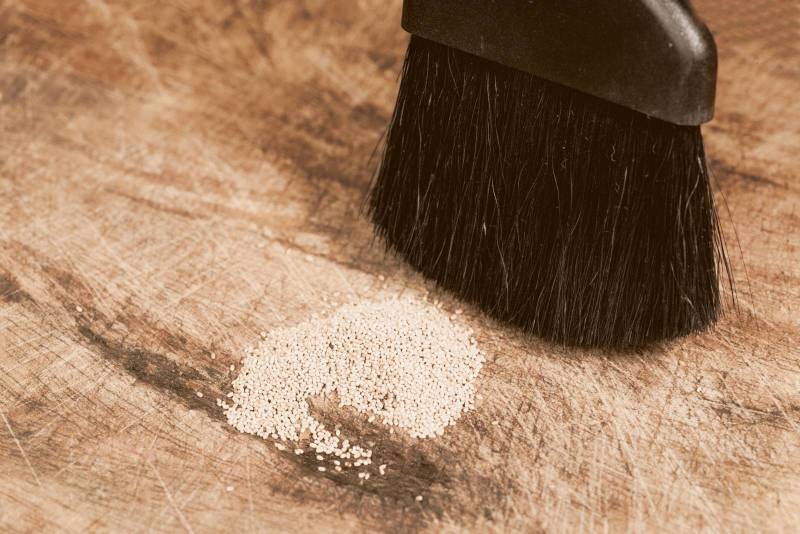
Credit: www.hawaiilife.com
Preparation For Tent Treatments
Preparing for termite tent treatments in Hawaii is crucial for a smooth process. Proper preparation ensures safety and effectiveness. It helps protect your belongings and family during the treatment.
Steps To Prepare Your Home
Clear all food, drinks, and utensils from your kitchen and dining areas. Remove pet food and water bowls. Take out indoor plants and cover or remove valuable items. Open all cabinets, drawers, and closets for better gas penetration. Turn off air conditioning and close windows and doors tightly. Arrange for someone to stay elsewhere during the treatment, usually two to three days. Follow the pest control company’s instructions carefully for best results.
Safety Precautions During Treatment
Stay out of the home during the tenting process. Avoid touching any treated surfaces after the tent is removed. Keep pets and children away until the house is fully aired out. Use gloves and masks when handling any items moved after treatment. Ensure proper ventilation once re-entry is allowed. Follow all safety advice from your pest control experts strictly. These steps protect your health and enhance treatment success.
Alternatives To Tent Treatments
Tent treatments are common for termite control in Hawaii. Still, many homeowners want other options. Alternatives can be less disruptive and safer for families and pets. These methods also target termites effectively without the need to leave the house.
Baiting Systems
Baiting systems use small stations placed around the home. Termites find the bait and carry it back to their colony. This slowly kills the entire colony over time. Baiting is a low-odor and less invasive method. It helps monitor termite activity regularly. Homeowners can avoid tenting if bait stations work well.
Liquid Barrier Treatments
Liquid barrier treatments create a chemical shield around the home. Termites cannot cross the treated soil without dying. Experts apply these liquids in the ground and wood areas. This method stops termites before they enter the house. It lasts for several years with proper maintenance. Liquid barriers are a strong defense without tenting.
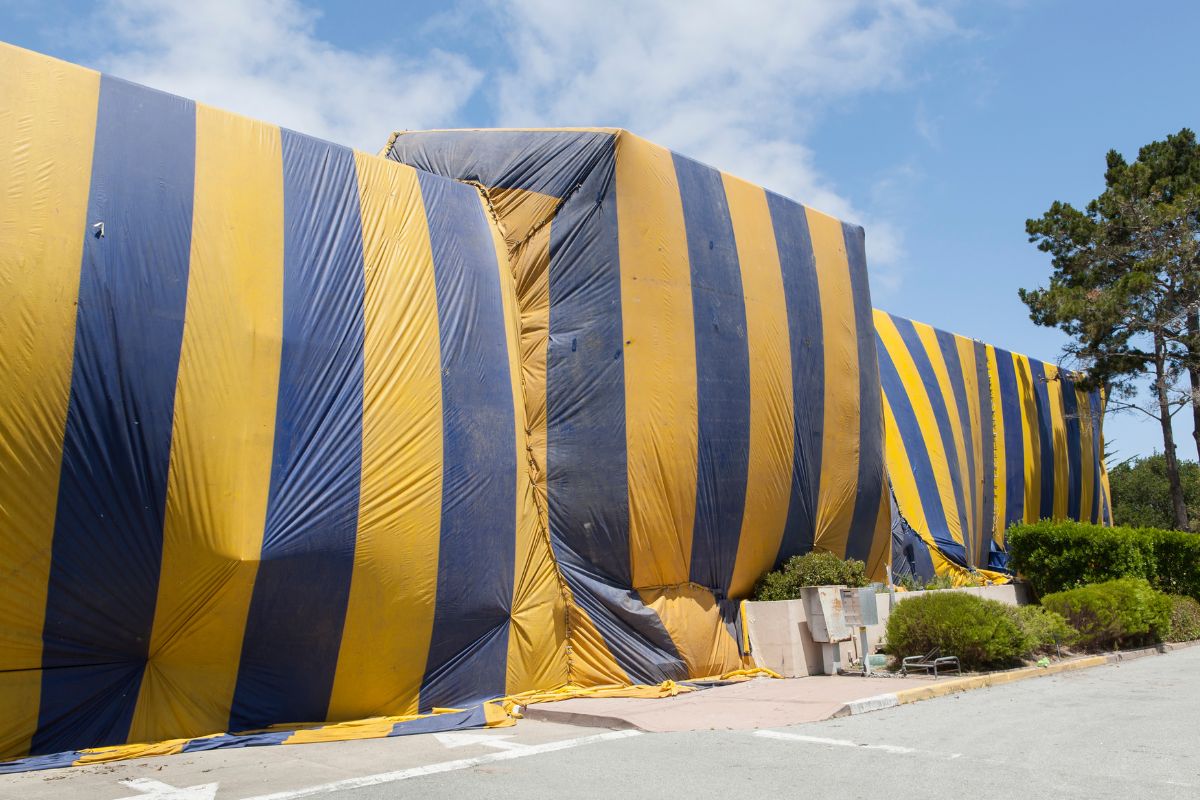
Credit: mauipestcontrol.com
Cost Considerations
Cost is a key factor in deciding how often to tent for termites in Hawaii. The price varies by home size and damage level. It is important to plan for treatment expenses carefully. Understanding cost helps protect your home without breaking the bank.
Average Treatment Prices
Tent fumigation usually costs between $1,000 and $3,500. Small homes are cheaper to treat than large ones. Extra damage or difficult access raises the price. Some companies charge a flat fee, others by square footage. Always ask for a clear price estimate before starting.
Long-term Savings
Regular termite treatment can save money over time. Preventing damage avoids costly repairs later. Untreated homes may face structural problems and value loss. Spending on treatment now reduces future headaches. Budgeting for regular tenting is wise for lasting protection.

Credit: mauipestcontrol.com
Frequently Asked Questions
How Often Should Homes Be Tented For Termites In Hawaii?
Homes in Hawaii should be tented every 3 to 5 years. Regular tenting prevents termite damage effectively. Local climate promotes termite activity, making frequent treatments necessary. Consult a pest control expert for a tailored schedule.
What Signs Indicate The Need For Termite Tenting?
Look for mud tubes, wood damage, or discarded wings. These signs suggest active termite infestation. Early detection helps schedule prompt tenting. Regular home inspections are crucial to catch termites early.
Is Termite Tenting Safe For Hawaii Residents And Pets?
Yes, termite tenting is safe when done professionally. Experts use EPA-approved chemicals and follow strict safety protocols. Residents and pets must vacate during treatment. Proper ventilation ensures safe re-entry after tenting.
Can Termite Tenting Prevent Future Infestations In Hawaii?
Tenting effectively eliminates current termites but doesn’t guarantee permanent prevention. Follow-up inspections and treatments may be needed. Home maintenance and moisture control also reduce termite risks. Combining methods offers best protection.
Conclusion
Termite tenting in Hawaii helps protect your home from damage. Most experts suggest tenting every 3 to 5 years. This schedule keeps termites away and stops new infestations. Weather and wood type can affect how often you need it. Regular checks help catch termites early and save money.
Staying aware of termite risks is smart for all homeowners. Keep your home safe with timely termite treatments. Don’t wait until you see damage. Act now to protect your investment and peace of mind.
