
Choosing the right sleeping bag can make or break your outdoor adventure. Whether you’re camping in the mountains, hiking in forests, or sleeping under the stars on a weekend, your comfort and safety depend on a good sleeping bag. But with so many options, materials, and designs, it’s easy to get confused.
This guide will help you understand what matters most when picking a sleeping bag, so you can sleep well and stay safe—no matter where you are.
Understanding Sleeping Bag Basics
When you start looking for a sleeping bag, you’ll see many shapes, sizes, and specifications. These aren’t just marketing terms; they affect your warmth, comfort, and experience. Let’s break down the basics:
What Is A Sleeping Bag?
A sleeping bag is a padded, portable bed designed to keep you warm and comfortable while sleeping outdoors. It works by trapping your body heat and insulating you against cold air or ground. Most sleeping bags come with a zipper, hood, and sometimes extra features like pockets or draft collars.
Why Choosing The Right Sleeping Bag Matters
Sleeping bags are not all the same. Picking the wrong one can leave you cold, sweaty, or even unsafe. For example, if you choose a summer sleeping bag for winter camping, you may risk hypothermia. On the other hand, a bulky winter bag in warm weather can make you sweaty and uncomfortable. A well-chosen sleeping bag matches the climate, your body type, and how you camp.
Types Of Sleeping Bags
You’ll find different types of sleeping bags based on shape and purpose. Each type suits different needs, so knowing their differences helps you choose wisely.
Shape
1. Mummy Bags
These are narrow at the feet and wider at the shoulders. They wrap tightly around your body, minimizing air space and heat loss. They’re best for cold weather.
2. Rectangular Bags
Shaped like a rectangle, they offer more room to move. They’re comfortable for warm weather or casual camping but less efficient at keeping you warm.
3. Semi-rectangular (hybrid) Bags
These combine the features of mummy and rectangular bags. They balance warmth and comfort, suitable for mild temperatures.
4. Double Bags
Designed for two people, double bags are wider and can be split into two singles. They’re good for couples or family camping.
Purpose
- Summer Bags
Lightweight, designed for temperatures above 35°F (1. 7°C).
- Three-Season Bags
Suitable for spring, summer, and fall. They handle temperatures from 20°F to 35°F (-6°C to 1. 7°C).
- Winter Bags
Heavy and warm, they’re made for temperatures below 20°F (-6°C).
Comparison Table: Sleeping Bag Shapes
| Shape | Warmth | Comfort | Weight | Best Use |
|---|---|---|---|---|
| Mummy | High | Medium | Light | Cold weather, backpacking |
| Rectangular | Low | High | Heavy | Car camping, warm weather |
| Semi-Rectangular | Medium | Medium | Medium | Mild weather, mixed use |
| Double | Medium | High | Heavy | Couples, family camping |
Insulation Types: Down Vs Synthetic
One of the biggest decisions is choosing the insulation type. The two main types are down (natural feathers) and synthetic (man-made fibers). Both have pros and cons.
Down Insulation
- Made from goose or duck feathers
- Lightweight and compressible
- Excellent warmth-to-weight ratio
- Lasts longer with proper care
- Loses warmth when wet unless treated with water-repellent chemicals
Synthetic Insulation
- Made from polyester fibers
- Insulates even when wet
- Dries quickly
- Usually less expensive
- Heavier and less compressible than down
- Shorter lifespan
Data Table: Down Vs Synthetic Comparison
| Feature | Down | Synthetic |
|---|---|---|
| Warmth-to-weight | Excellent | Good |
| Performance when wet | Poor | Good |
| Compressibility | High | Medium |
| Durability | Long | Medium |
| Price | High | Lower |
Which Insulation Should You Choose?
If you’re backpacking and need to save weight, down is often best. If you expect wet conditions or want to save money, synthetic is safer and more practical. Also, synthetic bags are easier to wash and dry.
Temperature Ratings: Staying Warm And Safe
Sleeping bags are rated for different temperatures. This helps you know if a bag will keep you warm enough.
Understanding Temperature Ratings
Most sleeping bags have a temperature rating printed on them. This tells you the lowest temperature where the bag keeps the average person warm. In the US and Europe, bags often use the EN or ISO standard. You’ll see three numbers:
- Comfort Rating: The temperature where most people feel comfortable.
- Limit Rating: Where a standard man can sleep comfortably.
- Extreme Rating: Where survival is possible, but not comfortable.
Example
If a bag says 20°F comfort rating, you’ll be warm at 20°F. If you camp in colder weather, choose a bag rated for lower temperatures.
Non-obvious Insight: Ratings Are Not Universal
Temperature ratings are tested in labs, but real-world warmth depends on your body size, metabolism, clothing, and sleeping pad. Women often need warmer bags than men. If you’re unsure, always pick a bag rated for colder temperatures than you expect.
How To Choose The Right Size And Fit
Sleeping bags come in different sizes. The right size keeps you warm and comfortable.
Length
Most bags are offered in regular (up to 6 ft) and long (up to 6 ft 6 in). Some brands make short sizes for smaller people.
Width
Mummy bags are snug, while rectangular bags are roomy. If you move a lot in your sleep, pick a wider bag.
Fit
Some bags are designed for women, with extra insulation in the feet and chest. There are also bags for kids.
Practical Example
If you’re 5 ft 10 in (178 cm), a regular size fits well. If you’re taller, choose long. If you feel trapped in tight spaces, go for a semi-rectangular shape.
Weight And Packability: Important For Backpackers
If you’re hiking or backpacking, weight matters. Heavy bags are hard to carry. Packability means how small the bag gets when rolled up.
What To Look For
- Down insulation is lighter and packs smaller.
- Mummy bags are lighter than rectangular bags.
- Summer bags are lighter than winter bags.
Data Table: Typical Sleeping Bag Weights
| Type | Weight (lbs) | Packed Size (inches) |
|---|---|---|
| Down Mummy | 1.5–2.5 | 7 x 14 |
| Synthetic Rectangular | 3–5 | 10 x 20 |
| Semi-Rectangular Hybrid | 2–3 | 8 x 16 |
| Double Bag | 4–7 | 12 x 24 |
If you’re hiking for days, aim for a bag under 3 lbs and with a packed size that fits your backpack.
Outer Shell And Liner Materials
Sleeping bags use different fabrics for the outside and inside. These affect durability, comfort, and water resistance.
Outer Shell
- Ripstop nylon: Strong and light
- Polyester: Cheaper but less durable
- Water-resistant coatings: Useful for wet conditions
Liner
- Polyester taffeta: Smooth and comfortable
- Cotton: Soft, but not good for wet or cold conditions
Non-obvious Insight: Breathability Matters
Some shell fabrics are waterproof but not breathable. If you sweat at night, choose a bag with breathable material, or you’ll wake up damp.
Special Features To Consider
Modern sleeping bags include extra features for better comfort and warmth. Here’s what to look for:
1. Hood
Keeps your head warm, especially in mummy bags.
2. Draft Collar
Stops cold air from entering around your neck.
3. Zipper Baffles
Insulated strips along the zipper to prevent heat loss.
4. Pocket
For storing small items like a phone or flashlight.
5. Pad Loops
Attach your sleeping bag to a sleeping pad, so you don’t roll off.
6. Footbox
Extra space or insulation at the feet for warmth.
7. Stash Pocket
Hidden pocket for valuables.
Practical Advisor Tip
Some features may seem minor but can make a big difference. For example, a draft collar is essential in cold weather, but not needed for summer camping.
Sleeping Bag Accessories
Besides the bag itself, consider accessories for better sleep and bag care.
- Sleeping bag liner: Adds warmth, keeps your bag cleaner
- Stuff sack: Compresses your bag for packing
- Storage sack: Keeps your bag fluffy when not in use
- Repair kit: For fixing rips or broken zippers
Real-world Example
A sleeping bag liner can add up to 10°F of warmth. It’s a cheap way to upgrade your bag for cold nights.
How To Test Sleeping Bags Before Buying
Buying online is easy, but testing a sleeping bag in person gives you more confidence.
What To Check
- Lie in the bag to see if it fits your body and sleep style.
- Try zipping and unzipping. Cheap zippers break easily.
- Feel the fabric for softness and breathability.
- Check if you can move your feet and turn.
Common Mistake
Many beginners focus only on specs and ignore fit. A bag that looks good on paper may feel uncomfortable in real life.
Price And Value: What Should You Spend?
Sleeping bags range from $30 to $800. Price depends on insulation, features, and brand.
What Affects Price
- Down insulation: More expensive
- Special features: Add cost
- Weight: Lighter bags cost more
Budget Tips
- For casual camping, a $50–$100 synthetic bag is fine.
- For backpacking or cold weather, expect to spend $150–$400.
- Don’t pay extra for features you won’t use.
How To Care For Your Sleeping Bag
Your sleeping bag will last longer with good care.
Washing
- Wash only when needed. Use gentle soap.
- Down bags need special detergent.
- Air dry or use a large dryer with tennis balls to fluff the insulation.
Storing
- Store loosely in a big sack, not compressed.
- Keep away from moisture and sunlight.
Repair
- Patch small holes with repair kits.
- Replace broken zippers before your next trip.
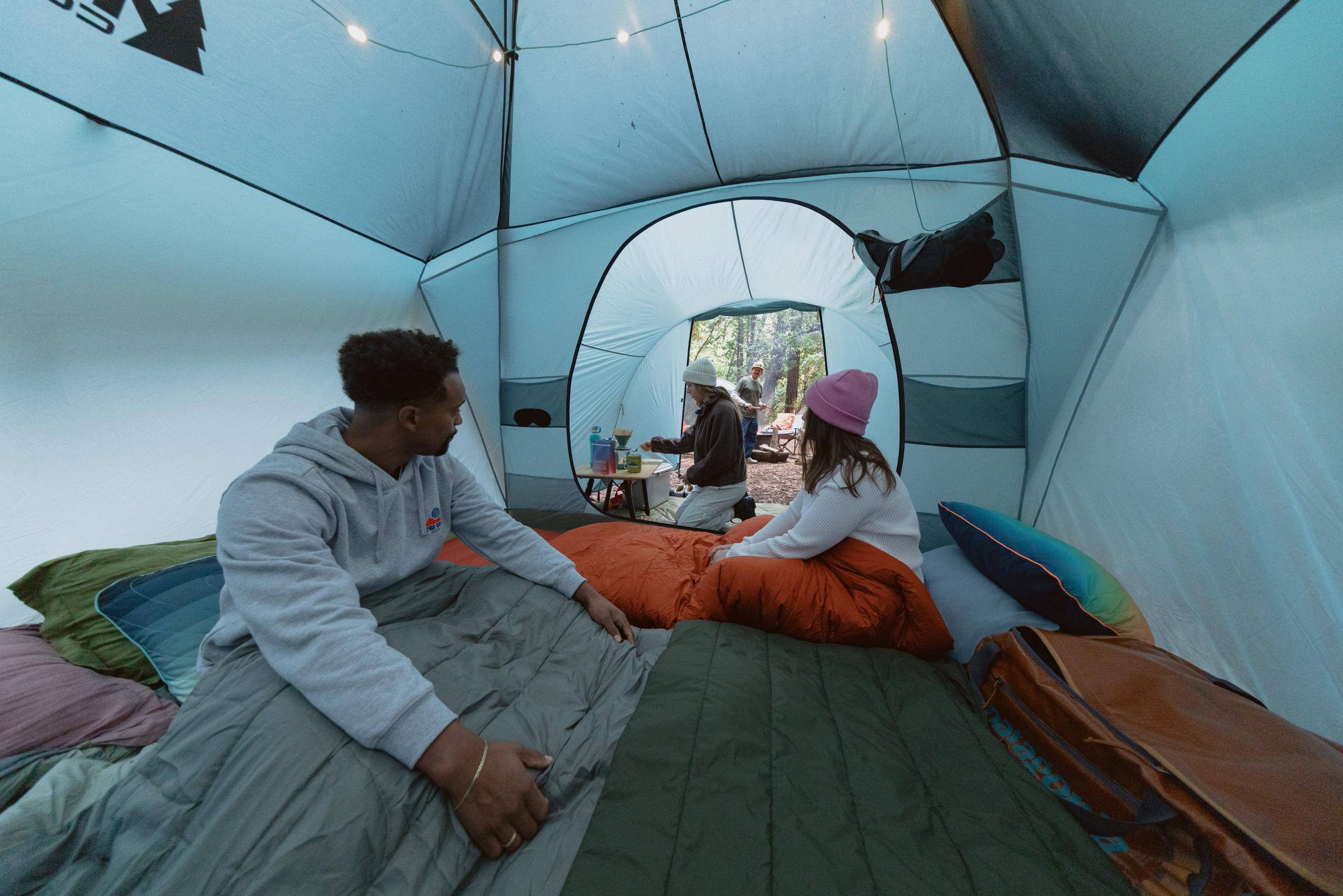
Credit: www.rei.com
Environmental Impact And Ethical Choices
More people are thinking about the environment when buying gear.
Down Vs Synthetic
- Down is natural but sometimes comes from unethical sources.
- Look for certified ethical down (RDS or similar).
Recycling
- Some brands use recycled materials for synthetic bags.
Non-obvious Insight: Long-lasting Bags Are Greener
A durable sleeping bag reduces waste. It’s better to pay more for a bag that lasts 10 years than buy cheap ones every season.
Common Mistakes When Choosing A Sleeping Bag
Avoiding mistakes saves you money and trouble.
1. Ignoring Temperature Ratings
Many people buy bags too light for their trip, risking cold nights.
2. Choosing By Price Alone
Cheap bags often break or don’t keep you warm.
3. Not Considering Weight
Heavy bags are tiring to carry on hikes.
4. Buying Without Testing Fit
A bag that’s too tight or too loose is uncomfortable.
5. Skipping Accessories
Not buying a liner or stuff sack can make your trip harder.
Real-life Examples And Data
Let’s look at how different people choose sleeping bags for their needs.
Example 1: Backpacker
Sarah is hiking the Appalachian Trail. She needs a lightweight bag that packs small and keeps her warm at 20°F. She chooses a down mummy bag with a 15°F comfort rating, weighs 2 lbs, and packs to 7 x 14 inches. She pays $350 but saves weight and space.
Example 2: Car Camper
Mike camps with his family in summer. He chooses a rectangular synthetic bag rated for 40°F. It’s roomy, costs $80, and weighs 4 lbs. He doesn’t mind the weight since he’s driving to the campsite.
Example 3: Family Camping
Nina and her child use a double bag with zip-off capability. She picks a bag with a synthetic liner, rated for 30°F. It’s comfortable for both and easy to wash.
How To Read Sleeping Bag Reviews
Reviews from other users can help you decide, but they’re not always reliable.
What To Look For
- Look for reviews from people camping in similar conditions.
- Check for repeated complaints about zippers, warmth, or durability.
- Ignore reviews that focus only on looks.
Authority Link
For deep information about sleeping bags, visit REI Expert Advice.

Credit: www.greatoutdoors.ie
Choosing For Specific Conditions
Summer Camping
Pick a lightweight bag rated for 40°F and above. Rectangular shape for comfort.
Winter Camping
Choose a mummy bag with down insulation and a comfort rating below 20°F. Look for features like hood and draft collar.
Humid Or Wet Conditions
Synthetic insulation is best. Waterproof shell fabric helps.
Backpacking
Down mummy bags save weight and space. Make sure the bag fits your height and body.
Quick Checklist: What To Ask Yourself Before Buying
- What is the coldest temperature I will face?
- Will I hike or drive to the campsite?
- How much weight can I carry?
- Do I need extra room to move?
- Will it rain or be humid?
- Do I want eco-friendly materials?
- What is my budget?
Frequently Asked Questions
What Does The Temperature Rating On A Sleeping Bag Mean?
The temperature rating shows the lowest temperature where the bag keeps the average person warm. Ratings are tested in labs, but real warmth depends on factors like your body, clothes, and sleeping pad. If unsure, choose a bag rated for colder weather than you expect.
Is Down Or Synthetic Insulation Better For Sleeping Bags?
Down is lighter, warmer, and packs small, but loses warmth when wet and is more expensive. Synthetic insulation stays warm when wet, dries fast, and costs less, but is heavier and less compressible. Choose based on your trip conditions and budget.
How Do I Clean And Store My Sleeping Bag?
Wash your sleeping bag only when needed, using mild soap. Down bags require special detergent. Air dry or use a large dryer. Store your bag loosely in a big sack, not compressed, and keep it dry and away from sunlight.
Can I Use A Sleeping Bag Liner For Extra Warmth?
Yes, a sleeping bag liner can add up to 10°F of warmth, keeps your bag cleaner, and is easy to wash. It’s a smart way to upgrade your bag for colder nights without buying a new one.
How Do I Know If A Sleeping Bag Fits Me?
Lie inside the bag before buying, if possible. Make sure you have enough room to move but not too much empty space. Check the length for your height, and choose the shape (mummy, rectangular) that matches your sleep style.
Final Thoughts
Choosing a sleeping bag is more than picking a brand or color. It’s about matching the bag to your climate, activity, and body. Consider insulation, shape, temperature rating, size, and features. Test fit and comfort whenever possible. Don’t forget about packability, care, and eco-friendly options.
Avoid common mistakes by planning ahead and using the tips in this guide. With the right sleeping bag, you can enjoy nature and rest well—wherever your adventure takes you.

Credit: www.youtube.com
