
Every hiker knows the feeling: after a great adventure, your hiking backpack is dirty, smelly, and full of memories. But if you leave it uncleaned, it can damage the fabric, zippers, and even make your next trip uncomfortable. Cleaning a hiking backpack is not just about washing away dirt. It’s about protecting your gear, making it last longer, and getting ready for your next journey. Many people think cleaning is simple, but there are important steps and hidden mistakes you must avoid. This guide will show you how to clean a hiking backpack the right way, from preparation to drying and storage. Whether you’re a beginner or a seasoned hiker, you’ll learn practical tips, methods, and insider tricks to keep your backpack in top shape.
Why Cleaning Your Hiking Backpack Matters
A hiking backpack is more than just a bag. It’s your travel partner, your storage, and often your shelter from bad weather. Over time, dirt, sweat, food spills, and bacteria build up inside and outside the pack. This can lead to:
- Bad odor that sticks to the fabric
- Mold and mildew growth, especially in humid climates
- Broken zippers and damaged straps
- Fading colors and weak material
- Health risks from bacteria or allergens
According to a survey by Outdoor Gear Lab, more than 60% of hikers clean their backpack less than once a year. Most do not realize that regular cleaning extends the life of the gear by up to 30%. A clean backpack also prevents skin irritations and keeps your supplies safe.
Pre-cleaning: What To Do Before Washing
Before you jump into washing your hiking backpack, there are crucial steps you must follow. Skipping these can damage your gear or make cleaning harder.
1. Empty Your Backpack Completely
Remove every item: water bottles, snacks, first aid kits, and even small crumbs. Turn the pack upside down and shake it to get rid of loose dirt. Check every pocket, zipper, and hidden compartment. Many hikers forget items like coins, pens, or wrappers that can cause stains or block drainage during washing.
2. Check The Manufacturer’s Label
Look inside your backpack for a care label. Some packs are machine washable, others require hand washing only. The label will tell you the right water temperature and cleaning agents to use. Ignoring this can void your warranty or ruin your gear.
3. Remove Removable Parts
Take off hip belts, shoulder straps, metal frames, and detachable pouches if possible. These parts can trap water or soap, and sometimes need separate cleaning. For example, metal frames may rust if left inside during washing.
4. Brush Off Loose Dirt
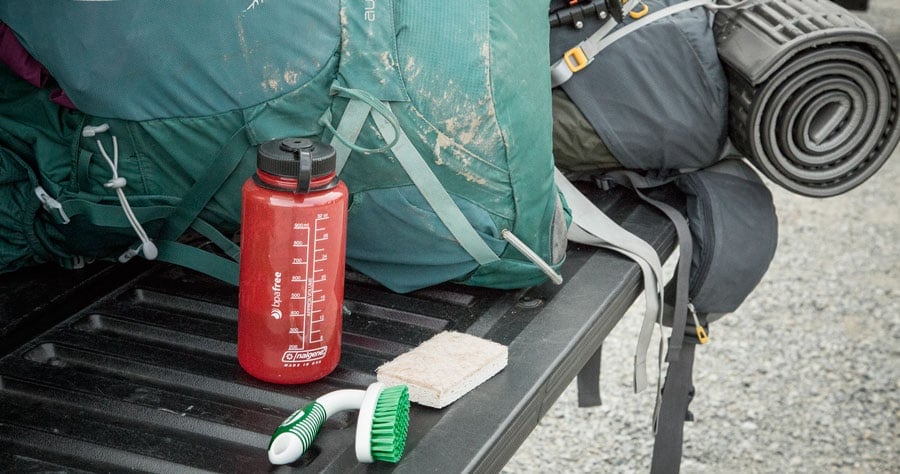
Use a soft brush or an old toothbrush to gently scrub away mud, sand, and dust from seams and zippers. This prevents dirt from spreading during washing.
5. Close All Zippers And Velcro
Zip up all pockets and fasten Velcro strips. This protects the teeth and prevents snagging. It also stops water from getting inside the zipper tracks, which can cause rust or stiffness.
Credit: www.rei.com
Choosing The Right Cleaning Supplies
You don’t need fancy gear to clean a hiking backpack, but the right supplies will make the job easier and safer.
- Mild soap or detergent: Choose a gentle, fragrance-free soap. Avoid bleach, fabric softeners, or strong chemicals—they weaken the fabric and coatings.
- Soft brush or sponge: Hard brushes can damage the material.
- Bucket or sink: For hand washing.
- Towels: For drying and blotting excess water.
- Warm water: Not hot, as it can harm waterproof coatings.
- Optional: Odor remover: Use only if your pack has a strong smell. Baking soda works well.
Here’s a quick comparison of cleaning supplies:
| Supply | Recommended Use | Potential Risks |
|---|---|---|
| Mild soap | General cleaning | None |
| Bleach | Stain removal | Damages fabric |
| Soft brush | Dirt removal | None |
| Hard brush | Deep stains | Scratches material |
| Fabric softener | Softening | Ruins waterproofing |
Many beginners use regular laundry detergent, but this can leave residue and destroy waterproof coatings. Always check the label and use a soap designed for outdoor gear.
Step-by-step Guide: Hand Washing Your Hiking Backpack
Hand washing is the safest way for most backpacks, especially those with special coatings or non-removable frames.
1. Fill A Tub Or Sink With Warm Water
Use enough water to fully submerge the backpack. Make sure it’s warm, not hot—about 90–100°F (32–38°C).
2. Add Mild Soap
Mix a small amount of soap into the water. Stir until it dissolves. Too much soap can be hard to rinse and may leave residue.
3. Submerge And Scrub
Place your backpack in the water. Use a soft brush or sponge to scrub the outside and inside gently. Focus on high-contact areas like the shoulder straps, hip belt, and back panel. These areas collect sweat and dirt.
4. Clean Zippers And Buckles
Dip a toothbrush in soapy water and scrub zippers, buckles, and small crevices. This removes grit that can cause jamming or rust.
5. Rinse Thoroughly
Drain the soapy water and refill with clean, warm water. Rinse the backpack several times until no soap remains. Leftover soap can attract dirt and weaken fabric.
6. Squeeze Excess Water (don’t Twist)
Gently press the backpack to remove water. Never twist or wring it—it can misshape the frame and damage seams.
7. Dry Properly
Hang the backpack upside down in a well-ventilated area, away from direct sunlight. Sunlight can fade colors and break down materials. Avoid dryers, as high heat can melt or shrink parts.
Machine Washing: When And How
Some hiking backpacks are designed for machine washing, but this is less common. Always check the care label first.
If your pack is machine-safe:
- Place the backpack in a mesh laundry bag. This protects straps and buckles.
- Use a gentle cycle with cold or warm water.
- Add a small amount of mild soap.
- Avoid fabric softeners and bleach.
- Remove promptly after washing and hang to dry.
Machine washing can save time but may wear out waterproof coatings. If unsure, stick to hand washing.
Cleaning Tough Stains And Odors
Hiking brings you close to nature—and sometimes stains and smells. Here’s how to tackle the most stubborn problems:
Mud And Dirt
Let mud dry, then brush it off before washing. For deep stains, make a paste with baking soda and water, apply to the stain, and scrub gently.
Food And Drink Spills
Spot clean with soap and a sponge. For sticky or oily stains, use a small amount of dish soap.
Sweat And Body Odor
Mix water with a splash of white vinegar. Wipe affected areas before washing. Vinegar kills bacteria but should be used sparingly.
Mold And Mildew
Mix one part vinegar with four parts water. Dab onto mold spots, let sit for 10–15 minutes, then rinse and wash normally.
Persistent Odor
Sprinkle baking soda inside the backpack, let sit overnight, then vacuum or shake out. This absorbs smells without harming fabric.
Many hikers miss the importance of odor removal, but a fresh backpack is essential for comfort and health.
Cleaning Removable Parts
Some backpacks have removable hip belts, shoulder straps, and frames. Clean these separately.
- Hip belts and straps: Soak in soapy water, scrub gently, rinse, and air dry.
- Metal or plastic frames: Wipe with a damp cloth. If rusty, clean with vinegar and dry thoroughly.
- Removable pouches: Wash with soap and water, rinse, and hang to dry.
Never put metal parts in the washing machine—they can rust or bend.
Drying And Storage: Avoiding Common Mistakes
Drying is more than just hanging up your backpack. Many people make mistakes that shorten the life of their gear.
Drying Tips
- Hang upside down to let water drain.
- Avoid direct sunlight—UV rays fade fabric and break down materials.
- Don’t use a dryer. High heat damages straps and coatings.
- Stuff with towels to speed drying and keep shape.
Storage Tips
- Store in a cool, dry place.
- Keep zippers open to prevent stiffness.
- Avoid compressing or folding for long periods—this weakens frame and fabric.
- Use a silica gel packet inside to absorb moisture and prevent mold.
Here’s a comparison of drying methods:
| Method | Drying Time | Potential Damage |
|---|---|---|
| Hang indoors | 12–24 hours | None |
| Sunlight | 6–12 hours | Fading, material breakdown |
| Dryer | 1–2 hours | Melting, shrinking |
| Stuffed with towels | 8–18 hours | None |
Maintaining Waterproofing And Fabric Quality
Many hiking backpacks are treated with DWR (Durable Water Repellent) coatings. Washing can wear away these coatings, making your backpack less water-resistant.
How To Restore Waterproofing
- Use a spray-on DWR after cleaning and drying. Follow instructions carefully.
- Avoid washing too often—only when necessary.
- Never use fabric softeners or harsh detergents.
Waterproofing sprays are available at outdoor stores and can extend the life of your backpack. Apply outdoors or in a well-ventilated area.
Cleaning Frequency: How Often Should You Clean?
You don’t need to clean your hiking backpack after every trip. But regular care keeps it fresh and functional.
- After short hikes: Air out and spot clean.
- After long or muddy hikes: Wash thoroughly.
- After spills or exposure to sweat: Spot clean immediately.
- Every 3–6 months: Full wash, depending on use.
According to REI, cleaning your backpack every few months helps prevent mold and extends gear life. Over-cleaning can wear out waterproof coatings, so balance is key.
Common Mistakes To Avoid
Even experienced hikers make errors when cleaning their backpack. Avoid these to protect your gear:
- Using hot water or bleach: Damages fabric and coatings.
- Putting in the dryer: Melts or shrinks parts.
- Ignoring care label instructions: Voids warranty and ruins material.
- Overloading with soap: Leaves residue and attracts dirt.
- Skipping drying steps: Causes mold and bad odor.
- Not cleaning zippers and buckles: Leads to jamming and breakage.
- Storing while damp: Promotes mildew.
Many beginners do not realize that skipping zipper cleaning leads to expensive repairs. Always give attention to small parts.
Non-obvious Tips For Backpack Care
Some tips are not obvious but make a big difference in backpack maintenance.
- Use a pack cover: It keeps your backpack clean during hikes and saves cleaning effort.
- Carry a small brush: For on-the-go cleaning after muddy trails.
- Don’t pack food directly: Use containers to avoid spills and stains.
- Clean after each trip: Even if it’s just a quick wipe-down, it prevents dirt buildup.
Experienced hikers often use a pack liner to stop water and dirt from reaching the inside. This simple step can save hours of cleaning later.

Credit: totebagfactory.com
Cleaning Different Types Of Backpacks
Not all hiking backpacks are the same. The cleaning method can change depending on the material, size, and features.
Daypacks
- Smaller and lighter.
- Usually easy to hand wash.
- Dry quickly.
Multi-day Packs
- Larger, may have internal frames.
- Need more careful cleaning.
- Remove frames before washing.
Ultralight Packs
- Made from thin materials.
- Use very gentle soap and water.
- Avoid scrubbing hard or soaking for long.
Hydration Packs
- Include water reservoirs.
- Clean reservoirs separately with special brushes.
- Wash pack following normal steps.
Here’s a quick comparison:
| Type | Material | Cleaning Difficulty | Special Steps |
|---|---|---|---|
| Daypack | Nylon, polyester | Easy | None |
| Multi-day | Thick nylon, internal frame | Medium | Remove frame |
| Ultralight | Thin ripstop | Hard | Gentle soap only |
| Hydration pack | Nylon, reservoir | Medium | Clean reservoir |
Always adjust your cleaning technique to match your backpack type.
Eco-friendly Cleaning Options
Many hikers care about the environment. You can clean your backpack without harming nature.
- Use biodegradable soap for hand washing.
- Wash outdoors in areas where water can soak into the ground safely.
- Avoid strong chemicals.
- Air dry instead of using electric dryers.
- Reuse towels and cleaning tools.
Eco-friendly cleaning protects both your backpack and the planet. For more information, see REI’s backpack care guide.
Credit: www.zajo.com
Real-life Example: Cleaning After A Muddy Hike
Imagine you return from a rainy hike in the mountains. Your backpack is covered in mud, smells bad, and has food stains. Here’s how to clean it step by step:
- Empty the backpack and shake out loose dirt.
- Brush off dried mud with a soft brush.
- Remove hip belt and frame.
- Fill a tub with warm water and mild soap.
- Submerge and scrub inside and outside.
- Spot clean food stains with dish soap.
- Rinse thoroughly until no soap remains.
- Squeeze excess water gently.
- Hang upside down indoors to dry.
- After drying, spray with DWR to restore waterproofing.
- Store in a cool, dry place with zippers open.
This method works for most situations and keeps your gear ready for the next adventure.
Frequently Asked Questions
How Can I Remove Mold From My Hiking Backpack?
Mix one part white vinegar with four parts water. Dab the mixture onto moldy spots, let sit for 10–15 minutes, then rinse and wash the backpack as normal. Make sure to dry the pack completely to prevent mold from coming back.
Is It Safe To Use Bleach On My Backpack?
No. Bleach can damage fabric, weaken waterproof coatings, and change the color. Stick to mild soap or vinegar for cleaning tough stains.
Can I Put My Hiking Backpack In The Washing Machine?
Only if the care label allows it. Some backpacks are machine-safe, but many are not. Always use a mesh bag, gentle cycle, and mild soap. Air dry after washing. If unsure, hand wash to be safe.
How Do I Clean The Zippers And Buckles?
Use a soft toothbrush dipped in soapy water. Scrub gently to remove dirt and grit. Rinse with clean water, and dry thoroughly. Lubricate zippers with a silicone-based lubricant if needed.
How Often Should I Clean My Hiking Backpack?
Clean your backpack every 3–6 months for regular use, and after muddy or sweaty hikes. Spot clean after short trips. Avoid over-cleaning, as it can wear out waterproof coatings.
A hiking backpack is an investment. With the right cleaning routine, you’ll keep it comfortable, safe, and ready for every adventure. Don’t wait until your pack smells or breaks—regular care is simple and makes a huge difference. Your backpack will thank you, and so will your future self on the trail.
