
Hiking with a tent is more than just walking in nature—it’s about carrying your own shelter, making your adventure longer, and discovering places others rarely see. For many, the idea sounds exciting but also a little intimidating. You might worry about carrying too much weight, setting up in the wild, or staying safe.
But with the right plan, gear, and mindset, hiking with a tent becomes a rewarding experience. This article will guide you through everything you need to know, from choosing the right tent to tips for packing, safety, and real-world advice that even experienced hikers sometimes overlook.
Choosing The Right Tent For Hiking
The tent you carry can make or break your hiking experience. A tent that’s too heavy or not suited to the weather can turn a fun hike into a struggle. Let’s look at what matters most:
Weight And Packability
Weight is often the first concern. On multi-day hikes, every extra pound counts. Lightweight tents, usually under 3 pounds (1.4 kg), are ideal for solo hikers. For two people, aim for a tent under 4.5 pounds (2 kg). But don’t sacrifice durability for weight. Ultralight tents often use thinner fabrics and smaller poles—great for saving weight but less robust in harsh conditions.
Packability means how small a tent packs down. Look for tents with short pole sections and compressible fabrics. Test packing your tent before your trip to see if it fits comfortably in your backpack.
Weather Protection
Think about the climate and terrain. Three-season tents work for most conditions, handling rain, mild wind, and moderate cold. If you expect snow or strong wind, choose a four-season tent with stronger poles and less mesh. Waterproof ratings matter: aim for a minimum 1200 mm hydrostatic head on rainfly and floor for reliable rain protection.
Space And Comfort
Tent space is personal. Manufacturers often exaggerate capacity, so a “2-person tent” may feel tight for two adults plus gear. If you like extra room, go up a size or choose tents with vestibules for gear storage. Standing height is rare in hiking tents, but sitting up comfortably is a must.
Setup Speed
Quick setup matters if you arrive late or in bad weather. Freestanding tents are easier—just unfold, snap the poles, and stake down. Non-freestanding tents (like some ultralight models) need trekking poles and careful tensioning, which can be tricky for beginners.
Tent Comparison
Here’s a simple tent comparison to show differences:
| Model | Weight | Season | Packed Size | Setup Type |
|---|---|---|---|---|
| MSR Hubba NX | 2.9 lbs | 3-season | 18×6 in | Freestanding |
| Big Agnes Copper Spur HV UL2 | 3.1 lbs | 3-season | 20×6 in | Freestanding |
| Tarptent Double Rainbow | 2.6 lbs | 3-season | 16×5 in | Semi-freestanding |
| Hilleberg Nallo 2 | 4.4 lbs | 4-season | 22×7 in | Freestanding |
Planning Your Route And Campsites
Carrying a tent means you’re not tied to fixed shelters, but you still need to plan where to set up each night. Good planning keeps you safe and comfortable.
Research Trail Regulations
Some trails allow camping anywhere; others restrict it to marked sites. Check official maps and websites for camping rules. Some areas require permits, especially in national parks or wilderness zones. Ignoring rules can lead to fines or damage to fragile environments.
Picking Safe, Comfortable Campsites
Look for flat ground, away from water sources (at least 200 feet), and sheltered from wind. Avoid low spots where rain might pool. If possible, choose established campsites to reduce impact. Never camp under dead trees or branches (“widowmakers”).
Distance And Elevation
Estimate how far you can hike each day. Beginners often overestimate their speed. A loaded pack slows you down, especially on steep climbs. Plan for 8-12 miles (13-19 km) per day on moderate terrain. Include time for setting up camp and breaks.
Water Access
Camping near water saves effort but increases risk from bugs and wildlife. Always treat water before drinking. If there’s no water nearby, plan to carry extra.
Packing Your Backpack: Tent And Essentials
Packing for a tent hike is a skill. The right system keeps your load manageable and your gear easy to reach.
Backpack Size
A 50-65 liter backpack suits most hikers carrying a tent. Too small, and you’ll struggle to fit gear. Too big, and you’ll be tempted to overpack.
Tent Placement
Pack your tent in the middle of your backpack, close to your back, for balance. If it’s wet, store it in an external pocket or in a waterproof stuff sack.
Layering Gear
Put heavier items (tent, stove, water) near your spine and lower back. Lighter items (sleeping bag, clothes) go higher or farther from your back. This keeps weight centered and makes hiking easier.
Packing List
Here’s a typical list for tent hiking:
- Tent, stakes, and poles
- Sleeping bag (rated for expected temperatures)
- Sleeping pad
- Cooking gear (stove, fuel, pot)
- Food and snacks
- Water bottles or reservoir
- Water filter or purification tablets
- Clothing layers (base, insulation, rain gear)
- Headlamp or flashlight
- First aid kit
- Map, compass, or GPS
- Repair kit (duct tape, tent patch, sewing needle)
- Personal items (toiletries, sunscreen, insect repellent)
- Trash bag (leave no trace)
Packing Efficiency
Roll clothes tightly. Use stuff sacks to organize gear. If possible, split tent components between hiking partners—one carries poles, the other carries the rainfly and inner tent.
Weight Comparison Example
To show how weight adds up, here’s a quick data table:
| Item | Average Weight |
|---|---|
| Tent (2-person) | 3.5 lbs |
| Sleeping bag | 2 lbs |
| Sleeping pad | 1.2 lbs |
| Stove & fuel | 1 lb |
| Food (per day) | 1.5 lbs |
| Water (2 liters) | 4.4 lbs |
| Clothing | 2 lbs |
| Other gear | 2 lbs |
Total typical pack weight: 17–20 lbs (7.7–9 kg) for a 2–3 day hike.
Setting Up Your Tent In The Wild
Pitching your tent well makes a huge difference in comfort and safety. Many hikers rush setup, but a few careful steps help avoid problems.
Site Selection
Pick ground that’s flat, firm, and not rocky. Avoid spots where water could collect. If possible, face your tent door away from prevailing wind for easier entry and less disturbance.
Clearing Debris
Clear sticks, rocks, and leaves before setting up. This protects your tent floor and sleeping pad. In some areas, you must use a groundsheet (a thin tarp under your tent) to prevent moisture and damage.
Staking And Tension
Stake down all corners, even in calm weather. Wind can pick up suddenly. Use taut lines for the rainfly—loose fabric lets water pool and drip inside.
Ventilation
Open vents or leave part of the door mesh exposed. This reduces condensation inside the tent. On cold nights, you may see damp walls from your breath; ventilation helps.
Common Setup Mistakes
- Forgetting to stake down the tent
- Setting up on sloped or uneven ground
- Ignoring wind direction
- Not using a groundsheet
- Overlooking nearby hazards (like ant hills or animal trails)
Cooking And Eating At Camp
Food is a highlight of hiking, but cooking with a tent nearby needs care—especially for safety and wildlife.
Cooking Gear
Most hikers use a backpacking stove. Canister stoves are easy and fast; liquid fuel stoves work better in cold or high-altitude conditions. Carry enough fuel for your trip—estimate 20–30 grams per meal.
Food Choices
Choose lightweight, high-calorie foods. Dehydrated meals, instant noodles, and nuts are popular. For a 2-day hike, aim for 2500–3000 calories per day.
Food Storage
Never leave food in your tent. Store it in bear-proof containers or hang it from a tree if in bear country. In less risky areas, use odor-proof bags.
Cooking Safety
Cook at least 200 feet from your tent. Avoid cooking inside the tent—fire risk and carbon monoxide danger. Clean up spills to avoid attracting animals.
Cleaning Up
Carry out all food waste. Use a small trash bag and pack out wrappers and leftovers. Wash pots away from streams, using minimal soap.
Staying Safe And Comfortable
Safety is a top priority when hiking with a tent. Weather, wildlife, and your own health all play a role.
Weather Hazards
Check forecasts before your trip. On the trail, watch for signs of storms: dark clouds, sudden wind. If lightning is possible, avoid high ground and open areas.
Wildlife Precautions
Most animals avoid humans, but some are curious—especially about food. In bear country, follow local advice strictly. In areas with snakes, check your campsite before setup.
Health And Hygiene
Keep clean to avoid illness. Use hand sanitizer before eating. If you need to use the bathroom, dig a cat hole 6–8 inches deep, at least 200 feet from water, trails, and campsites.
Sleep Tips
A good night’s sleep is vital. Use a sleeping pad for insulation and comfort. Wear dry clothes to bed. If you’re cold, eat a snack before sleeping—your body burns calories to stay warm.
Dealing With Emergencies
Carry a basic first aid kit. Know how to treat blisters, cuts, or minor injuries. For serious problems, have a way to call for help (cell phone, satellite messenger). Always let someone know your route and expected return.

Credit: www.matein.com
Leave No Trace: Protecting Nature
Hiking with a tent gives freedom, but also responsibility. Leave No Trace is a set of guidelines for protecting the environment.
Principles To Follow
- Plan ahead and prepare: Know the area and rules.
- Travel and camp on durable surfaces: Use established trails and campsites.
- Dispose of waste properly: Pack out all trash, food, and toilet paper.
- Leave what you find: Don’t pick flowers or disturb wildlife.
- Minimize campfire impact: Use stoves; only use fires where allowed.
- Respect wildlife: Observe from a distance.
- Be considerate of other visitors: Keep noise down, yield trails.
Many hikers overlook small things—like micro-trash (bits of wrappers, twist ties), soap residue, or even footprints in fragile meadows. If you want wild places to stay beautiful, follow these rules carefully.
Extra Tips: Insights Experienced Hikers Rarely Share
Even seasoned hikers make mistakes or overlook details. Here are some practical insights that beginners often miss:
Weatherproofing Your Tent
Most tents are “waterproof,” but seams and zippers can leak. Use seam sealer before your trip and check for holes. Carry a small repair kit with patches, adhesive, and extra stakes.
Managing Condensation
Condensation is common, especially in humid or cold conditions. Open vents as much as possible. If you wake up with a wet sleeping bag, it’s likely from condensation—not rain.
Packing Out Wet Gear
If your tent gets wet, pack it in a separate stuff sack. At the next stop, set it out to dry before dark. Wet gear adds weight and can cause mold.
Navigating At Night
If you arrive late, setting up in darkness is harder. Practice pitching your tent at home with a headlamp. Keep your flashlight handy in an outside pocket.
Avoiding Overpacking
It’s easy to bring too much “just in case. ” Stick to essentials. Each extra item adds weight and slows you down.
Sharing Gear
If hiking with friends, split gear. One carries the tent, another carries cooking gear. This reduces weight and makes packing easier.
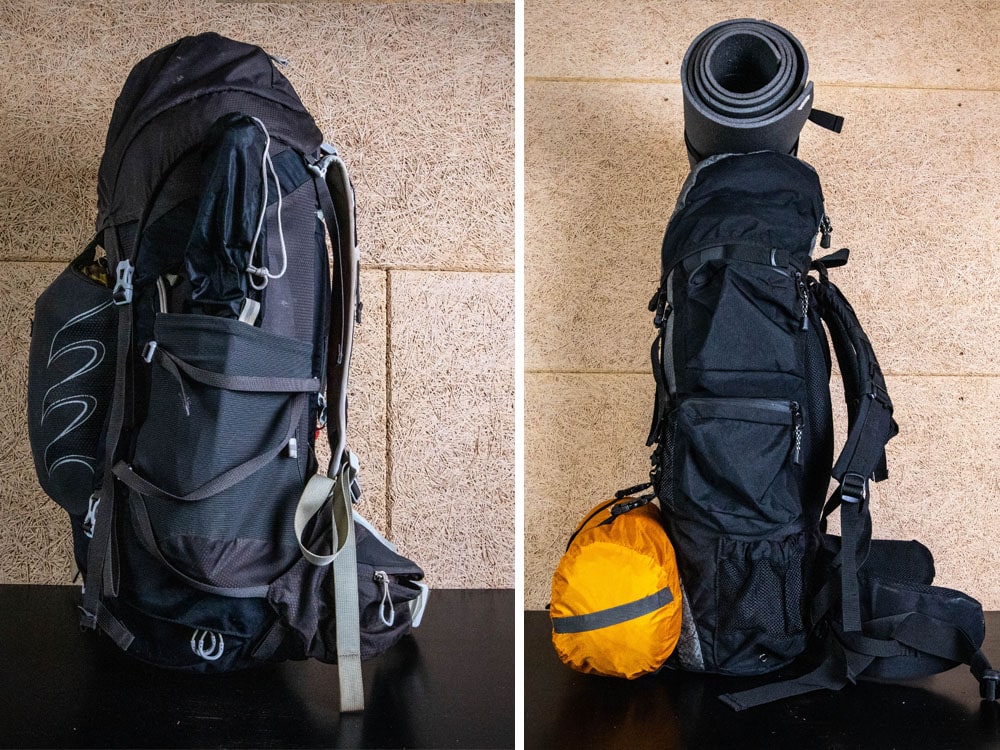
Real Example: Packing For A 3-day Hike
Let’s see how a hiker plans a 3-day tent trek:
- Backpack: 55 liters
- Tent: 3.2 lbs, packed in the middle
- Sleeping bag: 2 lbs, at the bottom
- Sleeping pad: 1 lb, rolled on the side
- Cooking gear: 1 lb, top pocket
- Food: 4.5 lbs for 3 days, split by meal
- Water: 2 liters carried, refill daily
- Clothing: 2.5 lbs, packed in stuff sacks
- First aid: Small kit, side pocket
- Map/GPS: Outer pocket
- Total weight: 17.2 lbs (7.8 kg)
This is manageable for most adults, but always adjust for your own comfort and fitness.
Credit: hikemuch.com
Mistakes Beginners Make (and How To Avoid Them)
Everyone learns by trial and error, but you can skip some common problems:
Overestimating Distance
With a loaded pack, hiking is slower. Plan shorter days at first.
Ignoring Weather Forecasts
Bad weather can ruin a trip. Check forecasts and pack rain gear even if it looks sunny.
Poor Tent Setup
Rushing setup leads to uneven tents, leaks, or discomfort. Take your time.
Packing Too Much
Stick to essentials. Cut weight by removing extra clothes, gadgets, or bulky food.
Not Treating Water
Even clear streams can carry bacteria. Always treat water before drinking.
Forgetting Permits
Some areas require permits. Buy them in advance to avoid problems.
Not Practicing Setup
Practice pitching your tent before your trip. It’s much easier to learn at home.
Comparing Hiking With A Tent Vs. Other Overnight Hiking Styles
Hiking with a tent is just one way to experience the outdoors. Here’s a comparison:
| Style | Shelter | Flexibility | Weight | Comfort |
|---|---|---|---|---|
| With a Tent | Tent | High | Medium | Good |
| Hut-to-Hut | Cabins/Huts | Low | Light | Excellent |
| Hammock Camping | Hammock | Medium | Light | Good (trees needed) |
| Bivvy Camping | Bivvy Sack | High | Ultra-light | Limited |
Tent hiking offers the best mix of flexibility and comfort, but it comes with more weight and setup time. Huts are great if available, but limit your route. Hammocks are perfect in forests, but not in deserts or open fields.
Real-world Example: A Beginner’s First Tent Hike
Let’s follow Alex, a beginner, on a two-day hike in Shenandoah National Park.
Alex picks a Big Agnes Copper Spur tent, packs a 55-liter backpack, and plans to hike 10 miles per day. He checks trail maps and finds approved campsites. At camp, he sets up on flat ground, uses a groundsheet, and stakes down the tent. Dinner is cooked 200 feet from the tent, and food is stored in a bear canister.
Alex’s biggest surprise is condensation—his sleeping bag feels damp in the morning. He learns to open vents. On the second day, he hikes slower than planned, so he adjusts his route and sets up camp earlier. He packs out all trash and leaves the site clean.
After the trip, Alex feels tired but happy. He notes what worked and what he’ll change next time: pack less food, practice tent setup, and pay more attention to weather changes.
Frequently Asked Questions
How Much Weight Should I Carry When Hiking With A Tent?
Most hikers aim for a pack weight under 20% of their body weight. For a 150 lb person, that’s about 30 lbs. For short hikes, aim for 17–20 lbs total. The lighter your pack, the more comfortable your hike.
What’s The Best Way To Keep My Tent Dry In Rain?
Always use a rainfly and stake it tightly. Check for puddles around your tent and avoid low spots. Bring a groundsheet and use seam sealer on tent seams. Ventilate to reduce condensation.
Can I Camp Anywhere When Hiking With A Tent?
No. Many trails require camping in designated sites. Check local rules and maps. In wilderness areas, follow Leave No Trace and camp at least 200 feet from water sources.
What Should I Do If Wildlife Approaches My Campsite?
Stay calm. Do not feed animals. Store food securely in bear-proof containers or hang it. Make noise if large animals (like bears) approach. Most wildlife will leave if you don’t offer food.
How Can I Reduce Pack Weight Without Losing Comfort?
Choose ultralight gear (tent, sleeping bag, pad), pack only essential clothes, and share equipment with partners. Use dehydrated food. Avoid carrying too much water—refill along the trail if safe.
Hiking with a tent opens up a world of adventure, freedom, and self-reliance. With careful planning and smart packing, you’ll be able to explore wild places and sleep under the stars. Each trip brings new lessons, but with the guidance above, you’re ready to start your own journey. For even more tips and gear reviews, visit REI’s backpacking tent guide. Remember: nature rewards those who prepare well and respect the environment. Happy hiking!
Credit: www.hikeoregon.net
