
Ready to make your next camping trip unforgettable? Whether you’re a beginner or a seasoned camper, there are simple ways you can boost your comfort, safety, and fun outdoors.
Imagine waking up refreshed, enjoying your favorite meal by the campfire, and feeling fully prepared for anything nature throws your way. This guide will show you easy tips and smart tricks to improve your camping experience from start to finish.
Keep reading, and get ready to enjoy the great outdoors like never before!
Credit: www.islands.com
Choosing The Right Campsite
Choosing the right campsite can make a big difference in your camping trip. It affects your comfort, safety, and fun. Picking a good spot helps you enjoy nature without problems. You feel relaxed and ready for adventure.
Location Factors
Pick a campsite close to water for easy access. Check the weather forecast before you go. Avoid places near cliffs or steep hills. Look for flat, dry ground for your tent. Choose a site with some shade to stay cool. Think about how far you want to be from other campers. Quiet spots help you rest better at night.
Amenities To Consider
Some campsites have toilets and running water. Others may offer picnic tables and fire rings. Decide what comforts you need for your trip. Access to clean water is very important. Electricity might be useful for some gear. Look for trash bins to keep the site clean. Know if pets are allowed at the site.
Safety Tips
Check for signs of wildlife activity nearby. Avoid camping under dead or loose branches. Keep food stored away from your tent. Stay clear of flood-prone areas. Have a first aid kit ready at all times. Let someone know your campsite location. Follow all park rules and guidelines closely.
Credit: www.canr.msu.edu
Essential Camping Gear
Good camping gear makes your trip safe and fun. It helps you stay comfortable and prepared. Choosing the right gear is key to enjoying nature without stress.
Shelter And Sleeping Gear
A sturdy tent protects you from wind and rain. Choose one that fits your group size. A sleeping bag keeps you warm at night. Pick the right temperature rating for the season. Sleeping pads add comfort and insulation from the cold ground.
Cooking Equipment
Simple cooking gear makes meals easy outdoors. A portable stove lets you cook quickly. Lightweight pots and pans suit campfire meals. Don’t forget utensils, plates, and a small cutting board. Carry enough fuel and a lighter or matches.
Clothing And Footwear
Wear clothes that fit the weather and activity. Layering helps adjust to temperature changes. Waterproof jackets keep you dry during rain. Choose sturdy shoes or boots for hiking trails. Always carry extra socks to keep feet dry and warm.
Planning Your Meals
Planning your meals is key to a great camping trip. Good food keeps energy high and spirits up. Simple, tasty meals make cooking easier outdoors. Proper meal planning saves time and reduces waste. It also helps you pack just what you need. Focus on meals that are easy to prepare and clean up. Think about your cooking tools and campfire setup too.
Easy Meal Ideas
Choose meals with few ingredients and simple steps. Breakfast can be instant oatmeal or granola with fruit. For lunch, try sandwiches with peanut butter or cheese. Dinner options include foil packet meals with meat and veggies. Pasta with sauce is quick and filling. Snacks like nuts, dried fruit, and energy bars keep you fueled.
Food Storage Tips
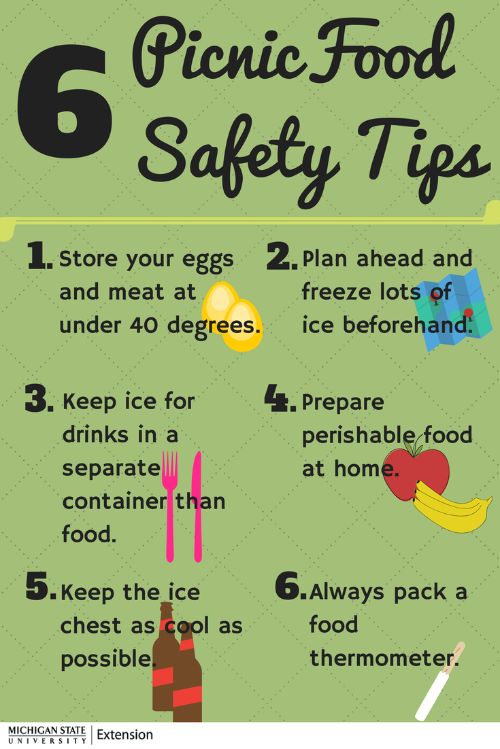
Use airtight containers to keep food fresh and safe. Store perishable items in a cooler with plenty of ice. Keep raw meat separate to avoid cross-contamination. Label containers with contents and date for easy access. Avoid packing foods that spoil quickly in warm weather. Always clean up food scraps to prevent wildlife visits.
Hydration Essentials
Drink plenty of water throughout the day. Carry a refillable water bottle or hydration pack. Bring water purification tablets or filters for natural sources. Avoid sugary or caffeinated drinks that dehydrate you. Plan water stops if hiking or moving far from camp. Staying hydrated keeps you alert and healthy.
Setting Up Camp Efficiently
Setting up camp well saves time and stress. It helps you enjoy nature and relax faster. Good setup means a safe, comfortable place to sleep and cook. Planning your camp area makes your trip better.
Tent Pitching Techniques
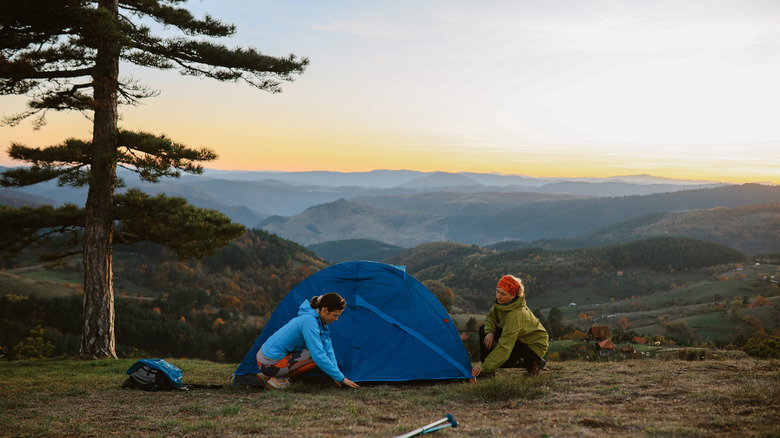
Choose flat ground without rocks or roots. Clear the area of sticks and debris. Face your tent door away from wind. Use all tent stakes tightly. Tight fabric keeps rain and wind out. Practice pitching your tent at home first. It helps you set up fast outdoors.
Organizing Your Space
Keep your sleeping area clean and dry. Store food away from sleeping spots. Use containers to keep things neat. Arrange gear by how often you need it. Keep a small trash bag to collect waste. A tidy camp feels calm and safe. Easy access to items saves time.
Fire Building Basics
Pick a safe spot for your fire. Clear dry leaves and grass around the area. Stack wood by size: small sticks first, then larger logs. Use a match or lighter carefully. Keep water or sand nearby to put out fire. Never leave fire alone. A good fire keeps you warm and cooks food well.
Staying Safe Outdoors
Camping is fun but safety must come first. Being safe outdoors keeps your trip pleasant and stress-free. Knowing a few simple safety tips helps you enjoy nature without worry. Stay alert and prepared to handle common outdoor challenges.
Wildlife Awareness
Animals live in the wild. Respect their space. Keep food sealed and away from your tent. Make noise while hiking to avoid surprising animals. Learn which animals live nearby and how to react if you see them. Avoid feeding or touching wildlife. Stay calm if you encounter an animal.
Weather Preparedness
Weather can change fast outdoors. Check the forecast before you leave. Pack rain gear and warm clothes. Bring extra layers for cold nights. Know signs of bad weather like dark clouds or wind. Find shelter quickly if a storm arrives. Avoid camping under dead trees or on high ground during storms.
First Aid Essentials
Carry a basic first aid kit on every trip. Include bandages, antiseptic wipes, and pain relievers. Learn how to treat common injuries like cuts, burns, or insect bites. Keep any personal medicines handy. Know how to handle emergencies until help arrives. Stay calm and act quickly if someone gets hurt.
Maximizing Outdoor Activities
Maximizing outdoor activities can make your camping trip more fun and memorable. Spending time outside helps you enjoy nature and relax. Simple plans can turn your days into exciting adventures. Try new activities to feel more connected to the outdoors.
Hiking Tips
Choose trails that match your fitness level. Wear comfortable shoes with good grip. Carry enough water to stay hydrated. Take breaks to enjoy the views and rest. Use a map or GPS to avoid getting lost. Watch your step on uneven paths. Pack light to move easily.
Fishing And Water Activities
Check local rules before fishing. Use the right bait for the fish you want. Stay safe by wearing a life jacket. Keep your fishing gear organized and ready. Explore nearby lakes or rivers for water fun. Try canoeing or kayaking for a new thrill. Respect the water and wildlife around you.
Nighttime Entertainment
Bring a flashlight or lantern for safety. Tell stories around the campfire to bond with friends. Play simple games that everyone can enjoy. Listen to nature sounds for a peaceful night. Stargaze to see constellations and planets. Keep noise low to respect other campers. Prepare warm clothes for cooler nights.
Leave No Trace Practices
Camping is a great way to enjoy nature. Following Leave No Trace practices helps keep the outdoors clean and safe. These practices protect wildlife and natural beauty for everyone.
Learning how to camp responsibly makes your trip better. It also shows respect to the environment and other campers. Simple actions can make a big difference.
Waste Management
Take all trash with you. Pack out what you bring in. Use reusable containers to reduce waste. Avoid burying or burning trash. Dispose of waste in proper bins or carry it home.
Human waste needs care too. Use restroom facilities when available. If none, dig a small hole at least 200 feet from water sources. Cover and hide it well.
Respecting Nature
Stay on marked trails to avoid damaging plants. Do not pick flowers or disturb animals. Observe wildlife from a distance. Keep noise low to avoid scaring animals.
Camp only in designated areas. Avoid breaking branches or cutting trees. Leave natural objects like rocks and plants where you find them.
Minimizing Impact
Use a stove instead of building a fire. Fires can scar the land and harm plants. If fires are allowed, keep them small and use established fire rings.
Pack light and travel gently. Avoid trampling fragile soil and vegetation. Plan your activities to limit impact on the environment.

Credit: pegsandpitches.co.uk
Frequently Asked Questions
How Can I Choose The Best Campsite Location?
Select a flat, dry area away from hazards like cliffs or water. Consider shade, wind direction, and privacy for comfort and safety.
What Essential Gear Improves Camping Comfort?
Bring a quality tent, sleeping bag, portable stove, and lighting. These items enhance shelter, warmth, cooking, and visibility during camping.
How Do I Stay Safe From Wildlife While Camping?
Store food securely away from your tent. Use bear-proof containers and avoid strong scents to reduce wildlife encounters.
What Are Tips For Cooking Meals Outdoors?
Plan simple, nutritious meals. Use portable stoves or campfires safely. Bring non-perishable ingredients and clean all cooking areas after use.
Conclusion
Camping can be fun and relaxing with a few simple tips. Plan your trip well and pack only what you need. Stay safe by following basic rules and respecting nature. Enjoy time with friends or family around the campfire. Try new activities to make your trip exciting.
Remember, the best camping moments come from being prepared and open to adventure. Keep these ideas in mind for your next outdoor trip. Happy camping!
