
Packing for camping is exciting but can quickly become stressful, especially when you realize how limited your space is. Whether you’re heading out for a weekend hike or a week-long adventure, making everything fit into your backpack, car trunk, or tent is a real challenge.
Many campers—even experienced ones—struggle to decide what to take and what to leave behind. Overpacking leads to heavy bags, cluttered campsites, and sometimes, missing out on essentials. Underpacking can leave you uncomfortable or unsafe.
Saving space isn’t just about leaving things out. It’s about choosing the right gear, packing smart, and using clever tricks to make the most of every inch. This article will show you how to save space when packing for camping, with practical advice and examples that go beyond the basics.
You’ll learn how to prioritize, pack efficiently, and avoid common mistakes. By the end, you’ll feel confident packing light without sacrificing comfort or safety.
Choosing The Right Gear
Packing starts with selecting the right equipment. If your gear is bulky or heavy, you’ll run out of space fast. Today, many brands offer compact camping gear designed for space-saving.
Lightweight Tents And Sleeping Bags
Modern tents and sleeping bags are much smaller and lighter than older models. For example, a traditional two-person tent can weigh over 6 pounds and take up a large part of your backpack. Newer models like the ultralight tents weigh less than 3 pounds and pack down to the size of a water bottle. Sleeping bags also come in compressible designs; down-filled bags can be squeezed tightly, sometimes to half their original size.
Multi-use Items
One of the best ways to save space is to choose gear that serves more than one purpose. A multi-tool can replace a knife, scissors, and screwdriver. Some jackets double as raincoats and windbreakers. Cooking pots can be used as bowls. A bandana can serve as a towel, sun shield, or pot holder.
Collapsible And Inflatable Gear
Look for collapsible items such as camp chairs, cups, and water bottles. Inflatable pillows or sleeping pads also take up much less room when not in use. For example, a traditional pillow could take up a quarter of your backpack, while an inflatable pillow fits in your pocket.
Comparing Gear Sizes
Here’s a table showing how much space different gear types use:
| Item | Traditional Size | Compact Size | Space Saved |
|---|---|---|---|
| Tent (2-person) | 6 lbs, 16×8 in | 2.8 lbs, 9×4 in | 60% |
| Sleeping Bag | 4 lbs, 15×10 in | 1.7 lbs, 8×5 in | 65% |
| Camping Chair | 3 lbs, 20×5 in | 1.2 lbs, 12×3 in | 50% |
| Cook Set | 2.5 lbs, 10×7 in | 1 lb, 6×3 in | 60% |
Choosing the right gear can reduce your load by over half, making packing much easier.
Smart Packing Techniques
Even with the best gear, packing poorly can waste space. Knowing how to arrange your items is a skill every camper should learn.
Roll, Don’t Fold
Rolling clothes is a classic space-saving trick. Rolled clothes fit tighter and leave fewer gaps. For example, three rolled shirts take up the space of two folded shirts. This method also helps prevent wrinkles.
Compression Bags And Stuff Sacks
Compression bags are made to squeeze air out of bulky items like sleeping bags and jackets. Stuff sacks keep similar items together and compact. Using these can reduce clothing volume by 40–50%.
Fill Empty Spaces
Packing is like a puzzle. Make use of every empty space—fill shoes with socks, tuck small items inside pots, and slide flat items against the sides of your bag. This prevents wasted space and keeps items from moving around.
Layering And Access
Pack items based on when you’ll need them. Keep essentials like snacks, rain gear, and first aid at the top or outside pockets. Put things you won’t use often, like spare batteries or extra clothes, at the bottom.
Data: Packing Efficiency
Here’s a table showing how different packing methods affect space usage:
| Packing Method | Average Space Used | Items Fit (in backpack) | Efficiency Gain |
|---|---|---|---|
| Folding | 100% | 8 | Baseline |
| Rolling | 70% | 12 | 50% |
| Compression Bags | 60% | 14 | 75% |
| Stuff Sacks | 65% | 13 | 63% |
Using compression bags and rolling can let you pack almost twice as much in the same space.
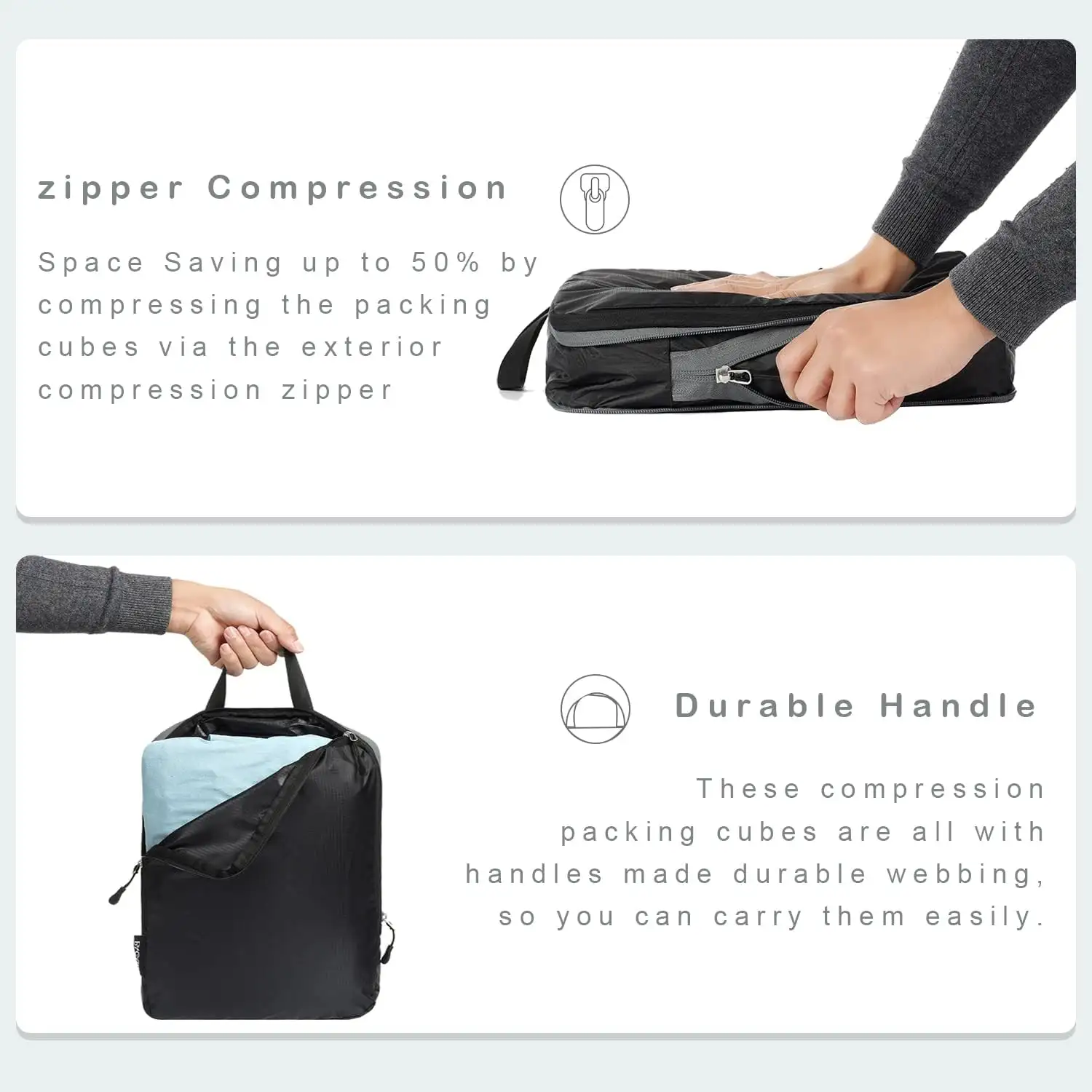
Credit: www.bagail.com
Clothing Choices For Space-saving
Clothing often takes up more space than you expect. Packing smart means choosing clothes that are light, functional, and versatile.
Layering System
Instead of thick, bulky jackets, use a layering system. Pack a thin base layer, a mid-layer for warmth, and a waterproof shell. These layers can be mixed for different weather and take up less space.
Quick-dry And Synthetic Fabrics
Cotton is heavy and takes a long time to dry. Choose synthetic fabrics that are lighter and dry faster. This means you can wash clothes at camp and wear them again, needing fewer changes.
Neutral Colors And Mix-and-match
Pick clothes in neutral colors so you can combine them easily. Three shirts and two pants in basic colors can create six different outfits. This saves space without sacrificing style or comfort.
Limit Shoes
Many campers bring too many pairs of shoes. One pair of waterproof hiking boots and one pair of lightweight camp sandals are usually enough. You can wear the boots while traveling and pack the sandals.
Common Mistakes
A non-obvious mistake is packing too many “just-in-case” clothes. Instead, plan based on the actual weather forecast and activities. Another mistake is packing bulky towels—use a microfiber towel which is much smaller and dries quickly.
Food And Cooking: Packing For Maximum Space
Food and cooking gear can take up a lot of room. Smart choices here can save space and reduce weight.
Dehydrated And Freeze-dried Meals
Dehydrated meals are a favorite for campers. They’re light and take up little space. Just add hot water and you have a meal. These meals last long and require no refrigeration.
Minimal Cooking Equipment
You don’t need a full kitchen. One small stove, a compact pot, and a spork (spoon-fork combo) are usually enough. Avoid bringing multiple pots or pans unless you’re cooking for a large group.
Nesting Cookware
Choose cookware that fits inside each other. For example, pots, bowls, and cups that “nest” together can save up to 70% space.
Packing Snacks
Bring calorie-dense snacks like nuts, dried fruits, and energy bars. These are small and easy to pack but give you lots of energy. Avoid bulky snacks with lots of packaging.
Water Management
Instead of carrying many bottles, use a collapsible water bottle or a hydration bladder. You can fill up at camp and save space when empty.
Comparing Food Storage Options
| Food Type | Weight (per meal) | Space Used | Prep Time |
|---|---|---|---|
| Dehydrated Meal | 2 oz | 4×2 in | 5 min |
| Canned Food | 8 oz | 6×4 in | 10 min |
| Fresh Produce | 10 oz | Varies | Varies |
Dehydrated meals use less space and weight, making them ideal for camping.
Toiletries And Personal Items
Small items like toiletries can add up quickly. Packing smart here keeps your bag organized and light.
Travel-size Products
Use travel-size bottles for shampoo, soap, and toothpaste. These take up less space and are enough for a few days.
Multipurpose Toiletries
Choose products that serve more than one function. For example, a soap that works for body, hair, and dishes. A small bottle of hand sanitizer can also clean hands and surfaces.
Minimal Makeup And Accessories
If you bring makeup, pack only the essentials. Avoid bulky cases. Use a small mirror or none at all.
First Aid Kit
A compact first aid kit is important, but don’t overpack. Bring only key items: bandages, painkillers, antiseptic wipes, and allergy medicine. Check the kit before each trip and remove expired items.
Tips For Toiletries
A non-obvious tip is to use solid toiletries like bar soap, solid shampoo, and toothpaste tablets. These are lighter and never spill. Another tip is to pack a few ziplock bags for wet or dirty items.
Organizing Electronics And Lighting
Electronics are more common at campsites now—phones, cameras, GPS devices, and lights. These items need careful packing to save space.
Limit Electronics
Only bring what you really need. For most campers, a phone, power bank, and small LED headlamp are enough. If you’re taking photos, a compact camera is better than a large DSLR.
Charging And Batteries
Pack a small power bank and only the cables you need. Solar chargers are helpful but bulky—consider if you’ll need them.
Compact Lighting
LED headlamps and lanterns are much smaller and brighter than older models. One headlamp and one collapsible lantern can light your whole campsite.
Storing Electronics
Use a small, padded bag to keep electronics safe and organized. Store cables inside the bag to avoid tangling.

Credit: www.amazon.com
Managing Paperwork And Essentials
Don’t forget the basics: IDs, maps, permits, and money. These are small but important.
Digital Documents
Keep copies of maps and permits on your phone. Only bring paper copies if required. This saves space and prevents loss.
Waterproof Bags
Store important items in a waterproof pouch. This protects them from rain and keeps them together.
Minimal Wallet
Use a slim wallet or card holder. Only bring the cards and cash you need.
Packing For Groups And Families
Packing for more people means more stuff. However, you can still save space with group strategies.
Share Gear
Don’t bring duplicates. One stove, one large tent, and one first aid kit can serve everyone. Share cooking and cleaning duties to reduce items.
Bulk Packing
Pack group items together. For example, put all food in one bag and all cooking gear in another. This makes finding things easier and saves space.
Assigning Roles
Give each person a packing role. One brings the tent, another brings cooking gear, another brings snacks. This prevents overlap and saves room.
Kid And Pet Packing
For children and pets, pack only essentials. Use smaller sleeping bags and lightweight food. Avoid bringing too many toys or extras.
Planning Before Packing
Most campers pack too late and forget to plan. A smart plan saves space and stress.
Make A Packing List
Write down everything you need. Cross out non-essentials. Stick to your list to avoid “just-in-case” items.
Check The Weather
Pack based on the weather forecast. If rain is likely, bring waterproof gear. If it’s hot, pack lighter clothes. This prevents extra packing.
Review Campsite Facilities
Many campsites offer water, bathrooms, or cooking areas. Knowing what’s available helps you avoid packing unnecessary gear.
Practice Packing
Pack your bag once before your trip. See if everything fits and adjust as needed. This helps you spot bulky items and repack smarter.
Tips For Packing The Car
If you’re car camping, space is still limited. Packing your car smartly makes unloading and setting up easier.
Heavy Items First
Put heavy items like coolers and tents at the bottom and near the seats. This keeps the car stable and prevents damage.
Use Roof Racks
A roof rack can hold bulky items like sleeping pads or extra bags. Secure everything tightly to prevent shifting.
Keep Essentials Accessible
Put snacks, water, and maps near the doors. This lets you grab them quickly during stops.
Organize Gear By Use
Group items by when you’ll use them—set-up gear, cooking gear, clothes. This makes unloading faster.
Advanced Space-saving Tricks
Experienced campers use clever tricks to save even more space.
Vacuum Packing
Use a vacuum pack for clothes and bedding. This removes air and shrinks items by up to 70%. Just make sure you have a way to re-pack at camp.
Modular Packing
Pack items in small modules—one for clothes, one for food, one for gear. This keeps things organized and lets you remove what you don’t need.
Packable Gear
Some gear folds into itself. For example, jackets that pack into their own pockets or sleeping pads that roll up tightly.
Leave-no-trace Packing
Only bring items you can carry out. This means no bulky disposables. Use reusable containers and bags.
Common Mistakes To Avoid
Many campers, especially beginners, make mistakes that waste space.
- Overpacking: Bringing too much “just in case” gear
- Not checking gear size: Packing bulky items without realizing
- Ignoring group packing: Not sharing items among group
- Packing last minute: Forgetting to plan and repack
- Using old gear: Not upgrading to lighter, smaller options
A non-obvious mistake is packing too many gadgets. Most campsites don’t have outlets, so extra electronics just add weight.

Credit: www.familyhandyman.com
Real-life Example: Weekend Camping Trip
Let’s look at a real example. Anna is going on a two-night camping trip with friends. She wants to pack light but have everything she needs.
- Gear: Ultralight tent, compressible sleeping bag, inflatable pillow
- Clothing: 2 shirts, 1 jacket, 2 pairs of pants, 1 pair of boots, 1 pair of sandals
- Food: 4 dehydrated meals, energy bars, nuts, collapsible water bottle
- Toiletries: Travel-size soap, solid shampoo, microfiber towel, small first aid kit
- Electronics: Phone, power bank, headlamp
- Essentials: ID, map, money in waterproof pouch
Anna uses compression bags for clothes, fills empty spaces, and shares tent gear with friends. Everything fits in a 40-liter backpack. She saves space by packing only what she needs and using compact gear.
Data: Backpack Capacity Vs. Space-saving Techniques
Here’s a table showing how different techniques affect backpack capacity:
| Technique | Backpack Capacity Used | Items Fit | Weight Carried |
|---|---|---|---|
| No Space-Saving | 100% | 10 | 25 lbs |
| Compression Bags | 70% | 14 | 20 lbs |
| Ultralight Gear | 60% | 15 | 17 lbs |
| Multi-Use Items | 65% | 16 | 18 lbs |
With smart packing, Anna fits more items with less weight, making her trip comfortable and easy.
Frequently Asked Questions
What Is The Best Way To Pack Clothes For Camping?
The best method is to roll clothes instead of folding. Use compression bags to squeeze air out, and pack clothes that can be mixed and matched. Choose quick-dry fabrics and limit the number of items.
How Do I Decide What Gear To Leave Behind?
Ask yourself if each item is essential or can serve more than one purpose. Check the weather and campsite facilities. If you can share an item with a group, don’t pack duplicates.
Are Dehydrated Meals Better Than Canned Food For Camping?
Yes, dehydrated meals are lighter, take up less space, and require no refrigeration. Canned food is heavier and bulkier, making it harder to pack. Dehydrated meals are a smart choice for most campers.
What Are Some Space-saving Tips For Packing A Family Camping Trip?
Share gear among the group, use bulk packing, and assign roles. Pack only essential clothes and gear for kids and pets. Avoid bringing too many toys or extras.
How Can I Keep My Camping Gear Organized?
Use stuff sacks, ziplock bags, and modular packing. Group items by use and store small items inside larger ones. Keep essentials accessible and practice packing before your trip.
Packing for camping is about making smart choices, not just squeezing everything in. By selecting compact gear, using efficient packing methods, and planning ahead, you can save space and enjoy a stress-free trip. Remember, less is often more—fewer items means less weight and more freedom. Try these tips on your next adventure and discover how much easier camping can be when you pack smart. If you want more information on space-saving camping gear, check out REI’s expert guide. Happy camping!
