
Sleeping in a hammock can be a unique experience. Many people use hammocks for relaxing outdoors, but some also sleep in them overnight. Whether you want to camp under the stars or just rest in your backyard, learning how to sleep in a hammock comfortably is important.
This guide will help you get the most restful sleep in a hammock, avoid common mistakes, and understand the science behind hammock sleeping.
Why Sleep In A Hammock?
Most people see hammocks as a place for short naps or reading. But sleeping in a hammock overnight is becoming popular, especially among campers, travelers, and people who want to try something different. There are several reasons for this:
- Comfort: Hammocks can reduce pressure points and support your back.
- Health benefits: Some studies suggest hammocks may help people fall asleep faster and experience deeper sleep.
- Portability: Hammocks are lightweight and easy to carry, making them perfect for camping.
- Outdoor connection: Sleeping in a hammock lets you enjoy nature, fresh air, and the sound of the outdoors.
However, not everyone finds sleeping in a hammock easy. There are challenges, but most can be solved with the right setup and knowledge.
Choosing The Right Hammock
Not all hammocks are made for sleeping. Picking the right hammock makes a big difference in comfort and safety.
Types Of Hammocks
There are three main types:
- Traditional rope hammocks: These are made from ropes and often have spreader bars. They look classic but are usually less comfortable for sleeping because the ropes can dig into your skin.
- Fabric hammocks: Made from cotton or polyester, these are softer and more comfortable. Many people use them for sleeping.
- Camping hammocks: Designed for overnight use, these are lightweight and durable, often made from nylon. Some have mosquito nets or rain covers.
Key Features To Consider
- Size: Choose a hammock that is at least 8 feet long and 4 feet wide. A larger hammock gives you more space to move.
- Material: Nylon is strong and dries quickly, making it good for camping. Cotton is softer but heavier and slower to dry.
- Weight capacity: Check the hammock’s weight limit. Most support 250–400 pounds. Always choose one that supports more than your body weight.
- Accessories: Look for hammocks with built-in netting or covers if you plan to sleep outdoors.
Comparison Table: Hammock Types
Here is a quick comparison of the main hammock types:
| Type | Comfort | Portability | Best For | Price Range |
|---|---|---|---|---|
| Rope Hammock | Low | Medium | Backyard | $30–$70 |
| Fabric Hammock | High | Low | Home Use | $50–$150 |
| Camping Hammock | Medium–High | High | Camping/Travel | $40–$120 |
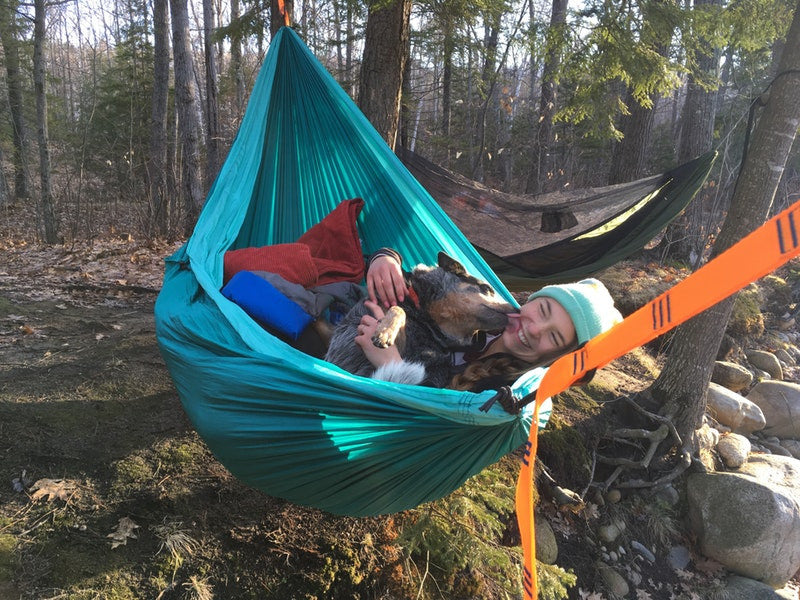
Credit: www.grandtrunk.com
Setting Up Your Hammock Properly
A good setup is the foundation of sleeping well in a hammock. Mistakes here often lead to discomfort or safety issues.
Hanging Angle
- Ideal angle: The best hanging angle is about 30 degrees from horizontal. If the hammock is too tight, it will be uncomfortable and unstable. If it sags too much, you may sink too deep.
- Height: Hang your hammock so the lowest point is about 18 inches above the ground. This is the height of a typical chair and makes it easy to get in and out.
Anchoring Points
- Trees: Use strong, healthy trees at least 6 inches in diameter. Avoid young or damaged trees.
- Stands: If you use a hammock stand, make sure it fits your hammock’s length.
- Hooks and straps: Use tree straps or ropes designed for hammocks. Do not use thin rope or wire, as it can damage trees and may not be safe.
Safety Tips
- Check for sharp objects or rocks under the hammock.
- Never hang a hammock higher than you are willing to fall.
- Inspect all hardware and ropes before use.
Finding The Right Sleeping Position
Sleeping in a hammock is different than sleeping in a bed. The position you choose affects your comfort and health.
Diagonal Sleeping
Experts recommend sleeping diagonally in the hammock. This means your head and feet point toward opposite corners. This position helps your back stay flat and reduces pressure. Most discomfort comes from trying to sleep straight along the hammock’s curve.
Back Vs. Side Sleeping
- Back sleeping: Many people find this most comfortable in a hammock. It supports your spine and lets your body relax.
- Side sleeping: You can sleep on your side, but you may need a wider hammock. Some people use a pillow or folded blanket to support their knees.
Common Mistakes
- Sleeping straight down the middle—this can cause your body to curve too much.
- Using a hammock with spreader bars for overnight sleep—these are often unstable.
Using Pillows, Blankets, And Accessories
Adding accessories can improve comfort and warmth. Hammocks do not have built-in insulation, so you need to think about staying warm and supported.
Pillows
A small camping pillow or inflatable pillow works well. Place it under your head or neck for support. Some people use a rolled-up jacket.
Blankets And Sleeping Bags
- In cool weather, use a sleeping bag or a top quilt. Hammocks lose heat from below, so you may also need an underquilt.
- In warm weather, a light blanket is enough.
Underquilts And Pads
Hammocks do not insulate your back from cold air. An underquilt hangs underneath the hammock to trap warmth. You can also use a foam sleeping pad inside the hammock, but it may slide around.
Bug Nets And Rain Covers
If you sleep outdoors, a bug net is essential. Mosquitoes and other insects can ruin your sleep. A rain cover or tarp protects you from dew, rain, and wind.
Adjusting For Different Weather Conditions
Weather can change quickly. Adjusting your hammock setup helps you stay comfortable and safe.
Cold Weather
Hammocks lose heat fast. Here are tips for sleeping warm:
- Use an underquilt or insulated pad.
- Choose a sleeping bag rated for the expected temperature.
- Wear thermal clothing and socks.
- Hang a tarp above to block wind and rain.
Hot Weather
Hammocks are cooler than tents because air flows all around. To stay cool:
- Choose a hammock made from breathable fabric.
- Use a light blanket or sheet.
- Sleep in loose, comfortable clothes.
- Hang your hammock in the shade.
Rain And Wind
- Hang a waterproof tarp above your hammock.
- Make sure the tarp is large enough to cover both ends.
- Use guylines to anchor the tarp and block wind.
Hammock Vs. Bed: Sleep Quality And Health
Many people wonder if sleeping in a hammock is as good as a bed. There are pros and cons.
Sleep Quality
Some research shows that rocking motion helps people fall asleep faster and reach deep sleep. A 2011 study in Current Biology found rocking increased N2 sleep (a stage of deep sleep).
Back Health
Hammocks support your body evenly, but only if you sleep diagonally. Some people report less back pain in hammocks. However, hammocks do not work for everyone. If you have chronic back problems, ask a doctor before switching.
Comparison Table: Hammock Vs. Bed
Here’s how hammocks and beds compare for sleep quality and health:
| Feature | Hammock | Bed |
|---|---|---|
| Pressure Points | Low | Medium–High |
| Back Support | Good (diagonal) | Varies by mattress |
| Fall Asleep Speed | Faster (rocking) | Normal |
| Temperature Control | Harder | Easier |
| Motion Isolation | Excellent | Good |
Safety And Precautions
Sleeping in a hammock is safe for most people, but some risks exist. Knowing these helps you avoid problems.
Physical Safety
- Always check your hammock and anchor points before sleeping.
- Do not overload your hammock.
- Avoid hanging your hammock over sharp objects, rocks, or water.
Health Issues
- If you have back or joint problems, test a hammock for short naps before sleeping overnight.
- Pregnant women, elderly people, and those with mobility issues should consult a doctor first.
Insect And Animal Risks
- Use a bug net outdoors.
- Check for ticks, spiders, or snakes before sleeping.
Practical Tips For Better Sleep
Sleeping well in a hammock takes practice. Here are practical tips for beginners and experienced users.
- Test your hammock during the day before sleeping overnight. Adjust until you find a comfortable position.
- Use a diagonal sleeping position for better back support.
- Add an underquilt or pad in cold weather.
- Hang your hammock at the right height (about chair height).
- Use wide tree straps to protect trees and increase stability.
- Choose a hammock without spreader bars for overnight sleep.
- Keep your gear organized. Use small bags or pockets attached to the hammock.
- Practice getting in and out safely, especially at night.
Common Mistakes And How To Avoid Them
Many beginners make mistakes that ruin their sleep. Here are the most common, and how to fix them.
Hanging Too Tight
A tight hammock feels unstable and uncomfortable. Always aim for a loose curve with a 30-degree angle.
Using Thin Ropes
Thin ropes can cut into trees and may break. Use wide straps made for hammocks.
Ignoring Weather Protection
Forgetting a tarp or bug net leads to cold, wet, or bug-filled nights. Always check the weather forecast and pack extra protection.
Sleeping Straight
Sleeping straight along the hammock makes your body curve too much. Remember: sleep diagonally.
Not Checking Anchors
Anchor failure is dangerous. Always double-check your knots, straps, and hooks.
The Science Behind Hammock Sleep
Sleeping in a hammock is more than just a trend. There is science behind why people find it relaxing.
Rocking Motion And Sleep
Rocking has been shown to help people fall asleep faster and reach deeper sleep stages. The gentle movement affects the brain’s sleep rhythms. According to a study published in Current Biology (2011), rocking increased sleep spindle activity, which is linked to memory and learning.
Pressure Relief
Beds create pressure points, especially on the hips and shoulders. Hammocks distribute weight evenly, reducing these points. This can help people with chronic pain.
Improved Relaxation
The feeling of being suspended can reduce anxiety and help you relax. This is why many people use hammocks for meditation or mindfulness.
Hammock Camping: Special Considerations
Sleeping in a hammock while camping is different from using one at home. Outdoor conditions make setup and accessories even more important.
Choosing A Campsite
- Look for trees at least 12–15 feet apart.
- Avoid areas with dead branches overhead (“widowmakers”).
- Check local regulations—some parks do not allow hammocks.
Essential Gear
- Hammock with bug net and rain cover
- Underquilt or sleeping pad
- Wide tree straps (at least 1 inch)
- Small pillow
- Blanket or sleeping bag
- Headlamp or flashlight
Campsite Safety
- Inspect trees for stability.
- Keep food away from sleeping area to avoid animals.
- Follow Leave No Trace principles.

Credit: scoutingmagazine.org
How Long Can You Sleep In A Hammock?
Some people wonder if it’s safe to sleep in a hammock every night. Here’s what you need to know:
- Occasional hammock sleeping is safe for most people.
- Long-term use depends on your body and comfort.
- If you develop back pain or numbness, switch to a bed or try a different hammock position.
Example: Hammock Sleepers
Some campers and travelers sleep in hammocks for weeks. In tropical areas, hammocks are common for nightly sleep. For most people, mixing hammock and bed sleeping is best.
Cleaning And Maintenance
Keeping your hammock clean and in good shape helps it last longer and stay safe.
Washing
- Check the manufacturer’s instructions.
- Most fabric hammocks can be washed in cold water.
- Air-dry to avoid shrinking.
Storage
- Store in a dry place away from sunlight.
- Avoid packing when wet.
Inspect Regularly
- Check for tears, fraying, or damaged hardware.
- Replace worn straps or ropes.
Environmental Impact
Using a hammock can be eco-friendly, but only if you follow some rules.
- Use wide tree straps (at least 1 inch) to protect bark.
- Avoid tying to young or thin trees.
- Follow park rules and Leave No Trace principles.
Real-life Stories: Hammock Sleepers
Many people share positive experiences with hammock sleeping. Here are two examples:
Sarah, A Camper
Sarah switched from tent camping to a hammock. She found she slept better, had less back pain, and enjoyed waking up to the sunrise. She suggests always testing your hammock setup before the trip.
Mark, A Backyard Hammock User
Mark uses a hammock for naps and sometimes overnight. He finds it helps him relax after work and improves his mood. He recommends a soft pillow and checking weather forecasts.
Comparison Table: Popular Hammock Brands
If you want to buy a hammock, here is a comparison of three popular brands:
| Brand | Material | Weight Capacity | Accessories | Average Price |
|---|---|---|---|---|
| ENO | Nylon | 400 lbs | Bug net, rain cover, straps | $70 |
| Hennessy | Nylon | 250 lbs | Integrated bug net, rain fly | $120 |
| Wise Owl | Nylon | 500 lbs | Straps | $40 |
Frequently Asked Questions
Is It Safe To Sleep In A Hammock Every Night?
Sleeping in a hammock every night is safe for most healthy adults. If you experience back pain or discomfort, try adjusting your position or switch to a bed. People with certain health conditions should ask a doctor before making hammocks their primary bed.
How Do I Stay Warm When Sleeping In A Hammock?
To stay warm, use an underquilt, insulated sleeping pad, or a sleeping bag. Wear thermal clothing, and hang a tarp to block wind. Cold air passes below the hammock, so insulation underneath is important.
Can I Sleep On My Side In A Hammock?
Yes, you can sleep on your side in a hammock, especially if it’s wide. Diagonal sleeping helps flatten the hammock and makes side sleeping easier. Some people use a small pillow or blanket under their knees for support.
Do Hammocks Hurt Your Back?
Hammocks can help some people with back pain if used correctly. Sleeping diagonally and choosing a hammock without spreader bars improves support. If you have chronic back issues, start with short naps and see how your body responds.
What Is The Best Way To Hang A Hammock?
The best way is to hang your hammock at a 30-degree angle from horizontal, with the lowest point about 18 inches above the ground. Use strong, healthy trees or a sturdy stand, and wide straps to protect trees. Always check all anchors and hardware before use.
Sleeping in a hammock can be relaxing, fun, and healthy when done right. With the right hammock, setup, and accessories, you can enjoy a restful sleep under the stars or in your backyard. Whether you want to camp, relax, or try something new, these tips and guides will help you sleep comfortably in a hammock. For more scientific studies and history about hammocks, visit Wikipedia.
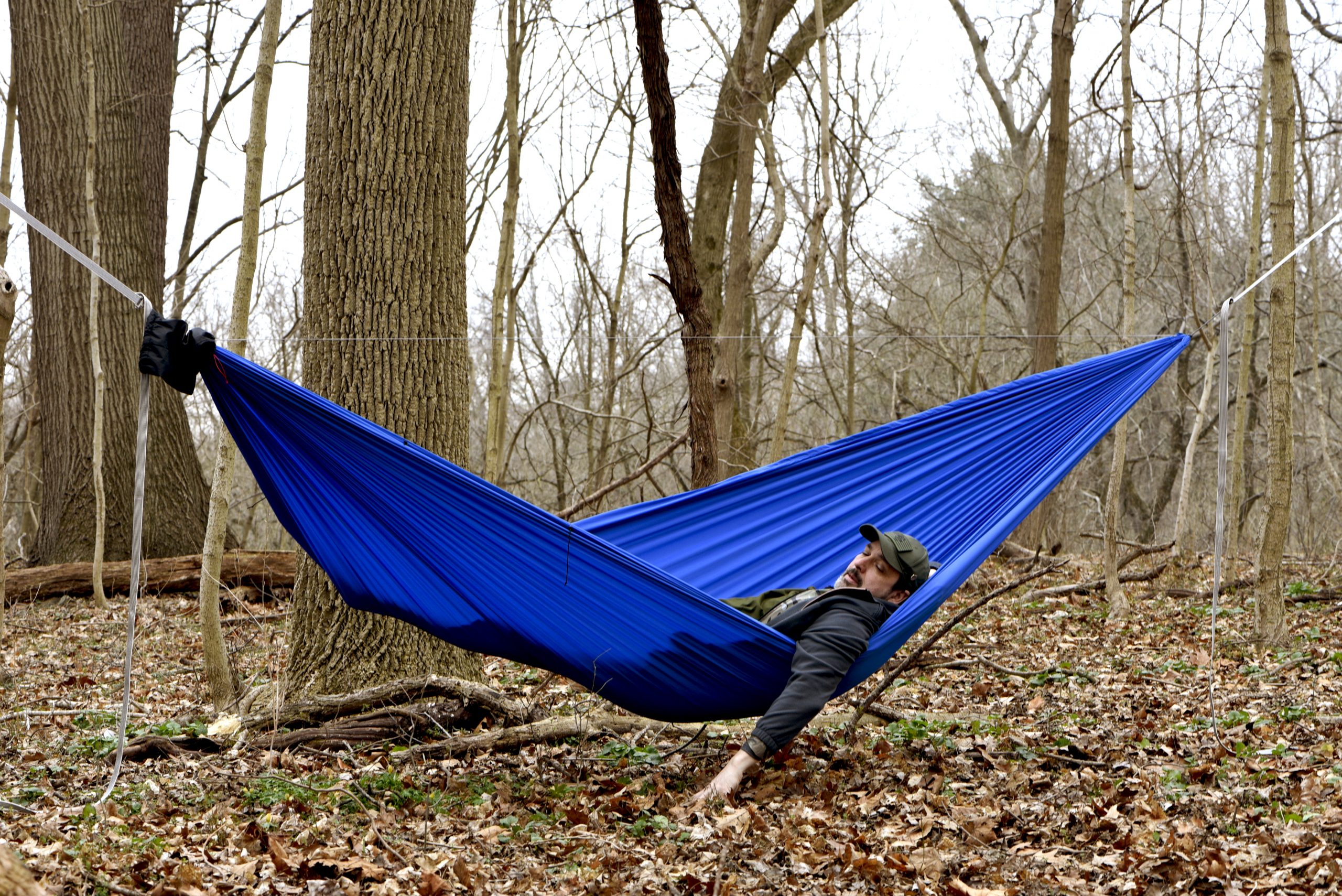
Credit: dutchwaregear.com
