
When you’re choosing a tent, one important detail can make all the difference between staying dry or getting soaked: the hydrostatic head rating. You might have seen this term on tent labels but wondered what it really means for your outdoor adventures.
Understanding hydrostatic head rating helps you pick a tent that can keep you protected during heavy rain or unexpected storms. If you want to avoid soggy gear and uncomfortable nights, this guide will explain everything you need to know in simple terms.
Keep reading to learn how to find the perfect tent that stands strong against the rain.
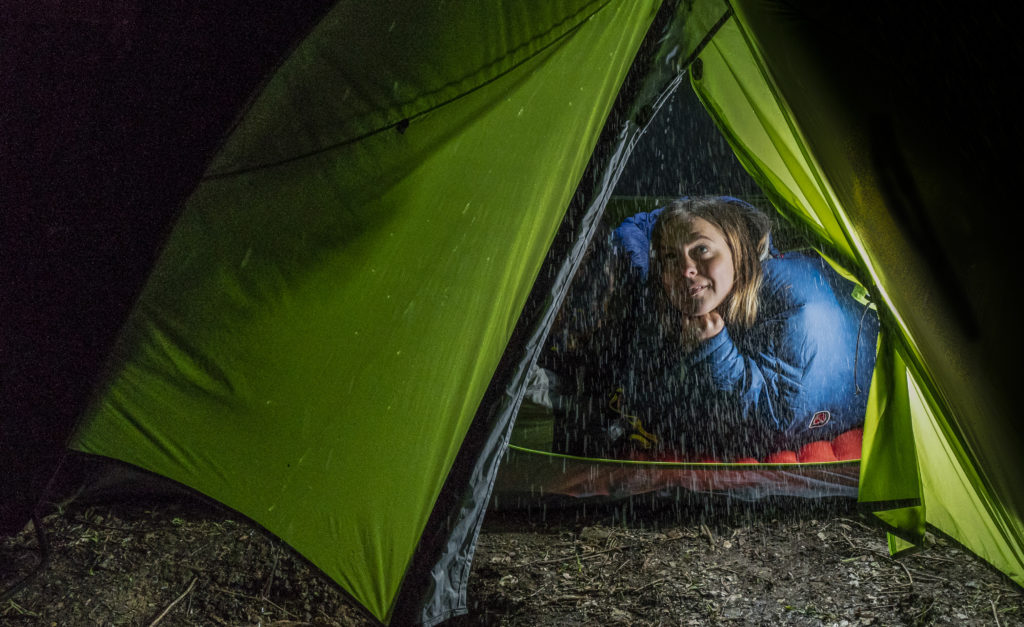
Credit: theexpertcamper.co.uk
Hydrostatic Head Basics
Understanding hydrostatic head is key to choosing a good tent. It tells you how well a tent fabric can stop water. This helps you stay dry during rain. Knowing the basics makes it easier to pick the right tent for your needs.
What Hydrostatic Head Measures
Hydrostatic head measures how much water pressure a fabric can hold. It shows the fabric’s resistance to water. The test pushes water against the fabric. The higher the pressure the fabric can resist, the better it keeps water out.
This value helps campers know if a tent will stay dry. It checks the fabric’s waterproof strength. It does not measure how fast water dries or if seams leak.
Units And Scale
Hydrostatic head is measured in millimeters (mm). It shows the height of a water column the fabric can hold. For example, 1,000 mm means the fabric holds water up to 1 meter high without leaking.
Tents usually have ratings from 500 mm to 5,000 mm or more. A higher number means better waterproofing. For light rain, 1,000 mm can be enough. Heavy rain needs 3,000 mm or more.

Credit: belltent.co.uk
Importance For Tents
The hydrostatic head rating shows how well a tent resists water. It measures how much water pressure the tent fabric can hold before leaking. This rating matters a lot for outdoor adventures. It helps campers pick tents that keep them dry during rain. A higher rating means better waterproofing and protection.
Waterproofing And Protection
A tent with a good hydrostatic head rating stops rain from getting inside. The fabric stays strong against water pressure. This prevents leaks and wet gear. Strong waterproof tents protect campers from cold and dampness. They keep the inside dry and comfortable. This is important for safety and health outdoors.
Impact On Camping Comfort
Dry tents make camping more enjoyable. Wet floors and walls cause discomfort and cold. A well-rated tent keeps the inside dry and warm. It also stops wind from blowing water inside. This creates a cozy space to rest and sleep. Good waterproofing helps campers relax and enjoy nature.
Materials And Hydrostatic Head
Understanding the materials used in tents is key to knowing their hydrostatic head rating. This rating measures how well a tent fabric resists water. Different fabrics and coatings affect this rating. Choosing the right material helps keep you dry during rain.
Common Tent Fabrics
Tent fabrics vary in strength and water resistance. Nylon and polyester are popular choices. Nylon is light and strong but absorbs more water. Polyester resists water better and dries faster. Cotton tents are heavy but very breathable. Each fabric has a different hydrostatic head rating.
Coatings And Treatments
Coatings improve fabric water resistance. Polyurethane (PU) coatings add a waterproof layer. Silicone coatings make fabric stronger and more water-resistant. Some tents have a Durable Water Repellent (DWR) finish. This finish causes water to bead and roll off. Coatings raise the hydrostatic head rating, protecting you from rain.

Credit: boutiquecamping.com
Testing Methods
Testing methods for hydrostatic head rating show how well a tent fabric resists water. This rating tells you how much water pressure the fabric can handle before leaking. Accurate testing helps buyers choose tents that stay dry in rain. Two main ways to test tents are in the laboratory and in real outdoor conditions.
Laboratory Testing
Laboratory testing uses special machines to measure water resistance. A fabric sample is placed under a tube filled with water. The water pressure increases until drops pass through the fabric. The height of the water column at that moment is the hydrostatic head rating. This test is precise and repeatable. It gives clear numbers for comparing tents.
Field Testing
Field testing checks tents in real weather conditions. Testers set up tents outside during rain or use sprinklers. They watch for leaks and dampness inside the tent. This method shows how well tents perform in actual use. It accounts for seams, zippers, and other weak spots. Field testing helps find practical strengths and weaknesses of the tent fabric.
Choosing The Right Rating
Choosing the right hydrostatic head rating for your tent is key to staying dry outdoors. This rating shows how much water pressure the tent fabric can handle before leaking. Picking the right rating depends on your camping style and weather conditions. A good choice means comfort and protection during your trip.
Camping Conditions
Think about where you will camp. In dry areas, a low rating around 1000 mm may work well. For rainy places, choose tents with ratings above 2000 mm. High humidity or heavy rain demands stronger water resistance. Check local weather forecasts before buying your tent.
Seasonal Considerations
Season matters for your tent’s water resistance. Summer tents can have lower ratings since rain is often light. Winter tents need higher ratings to handle snow and wind-driven rain. Three-season tents usually have ratings between 1500 and 3000 mm. Match your tent’s rating to the season you plan to camp most.
Improving Tent Waterproofing
Improving tent waterproofing helps keep you dry during rain. A high hydrostatic head rating means better water resistance. Still, you can enhance your tent’s protection with a few simple steps. These steps focus on stopping water from seeping through seams and fabric.
Seam Sealing
Seams are weak points where water can enter. Seam sealing uses special tape or glue to cover these joints. This creates a strong barrier against leaks. Applying seam sealer regularly keeps the tent waterproof. Check seams for damage and reseal if needed. This simple fix boosts your tent’s durability in wet weather.
Additional Treatments
Extra waterproof sprays add a protective layer to tent fabric. These treatments increase water resistance and help water bead off. Some sprays restore lost waterproof coatings after use. Apply sprays evenly and let the tent dry fully. Avoid overuse to keep fabric breathable. These treatments extend the life of your tent’s waterproofing.
Common Misconceptions
Many people have wrong ideas about hydrostatic head ratings for tents. These ratings show how much water the tent fabric can hold before leaking. Misunderstandings can lead to picking the wrong tent for your needs. Knowing the facts helps you make better choices.
Higher Rating Always Better?
A higher hydrostatic head number means better water resistance. But a very high rating is not always needed. Most tents with ratings around 1500 to 3000 mm keep you dry in normal rain. Extremely high ratings add weight and cost. They suit heavy rain or long storms. For light camping, a moderate rating works well.
Durability Vs. Waterproofing
Waterproofing and durability are not the same. A tent can resist water but still tear easily. Fabrics with high hydrostatic head ratings often use special coatings. These coatings can wear off over time. Stronger fabrics last longer but may have lower waterproof ratings. Look for a balance between strong material and good waterproofing for best results.
Frequently Asked Questions
What Is Hydrostatic Head Rating In Tents?
Hydrostatic head rating measures a tent fabric’s water resistance. It shows how many millimeters of water the fabric can withstand before leaking. Higher ratings mean better waterproof protection, essential for camping in wet conditions.
Why Is Hydrostatic Head Important For Tent Buyers?
It helps buyers choose tents suitable for rain and weather. A higher hydrostatic head rating ensures the tent keeps you dry during heavy rain. This rating guides users in selecting durable, weatherproof shelters.
How Is Hydrostatic Head Rating Tested On Tents?
Testing involves placing a water column on the fabric to measure leakage. The height of the water column in millimeters before leaking determines the rating. It simulates real-life rain pressure on the tent material.
What Hydrostatic Head Rating Is Ideal For Camping Tents?
For most camping tents, a rating between 1500mm to 3000mm is ideal. Ratings below 1500mm might leak during heavy rain. Above 3000mm is excellent for extreme weather or prolonged wet conditions.
Conclusion
Choosing a tent with the right hydrostatic head rating matters. It shows how well the tent keeps water out. A higher rating means better waterproof protection during rain. Think about where and how often you camp. Light rain or heavy storms need different ratings.
Check the rating before buying your tent. Stay dry and comfortable on your trips. Your adventures will be safer and more fun. Understanding hydrostatic head helps you pick the best tent. Easy to check, important to know. Don’t forget this when camping gear shopping.
