
Hiking is a popular outdoor activity that draws millions of people around the world every year. For some, it’s a way to escape busy cities and reconnect with nature. For others, it’s a sport, a challenge, or simply a peaceful walk in the woods. But many people wonder: Is hiking dangerous? The answer is not simple. Hiking can be both safe and risky, depending on many factors. This article will help you understand the real dangers of hiking, how to avoid them, and why hiking remains one of the most rewarding ways to explore the outdoors.
What Makes Hiking Dangerous?
Hiking can feel safe, especially on well-marked trails close to cities. However, nature is unpredictable, and hiking involves risks that are not always obvious to beginners. The dangers depend on the location, weather, your experience, and your preparation. Here are some of the main reasons hiking can be dangerous:
- Remote locations: Many hiking trails are far from help or medical services.
- Changing weather: Mountain weather can change quickly, causing cold, rain, or storms.
- Physical demands: Hiking requires stamina, balance, and sometimes climbing.
- Wildlife and insects: Encounters with animals or bugs can be risky.
- Navigation errors: Getting lost is a real danger, especially on unfamiliar trails.
These risks don’t mean you should avoid hiking. Instead, understanding them helps you stay safe and enjoy your adventure.
Common Hiking Hazards
Every hike is different, but some dangers are found almost everywhere. Let’s look at the most common hazards hikers face:
Slips, Trips, And Falls
Uneven paths, rocks, roots, and mud can cause falls. According to the National Park Service, falls are the leading cause of injury in US national parks. Even a short stumble can result in sprains, broken bones, or head injuries.
Getting Lost
Losing your way is more common than you think. Many hikers underestimate how easy it is to get lost, especially when trails split or signs are missing. In 2022, search and rescue teams responded to over 2,000 lost hiker cases in US national parks.
Weather Extremes
Sudden storms, cold temperatures, or heatwaves can catch hikers off guard. Hypothermia and heat stroke are serious risks, even for experienced hikers. For example, the Grand Canyon sees several heat-related emergencies every summer.
Wildlife Encounters
Most wildlife avoids humans, but some animals can be dangerous. Bears, snakes, and insects like ticks or bees pose a risk. In some areas, mountain lions and wolves are present, though attacks are rare.
Dehydration And Hunger
Hiking burns calories and uses water quickly. Without enough food and water, you can become weak, dizzy, or confused. This is especially true on longer hikes or in hot weather.
Navigation And Communication Problems
Phones often lose signal in remote areas. A dead battery or wrong map can leave you stranded. Some hikers rely too much on technology and forget basic navigation skills.
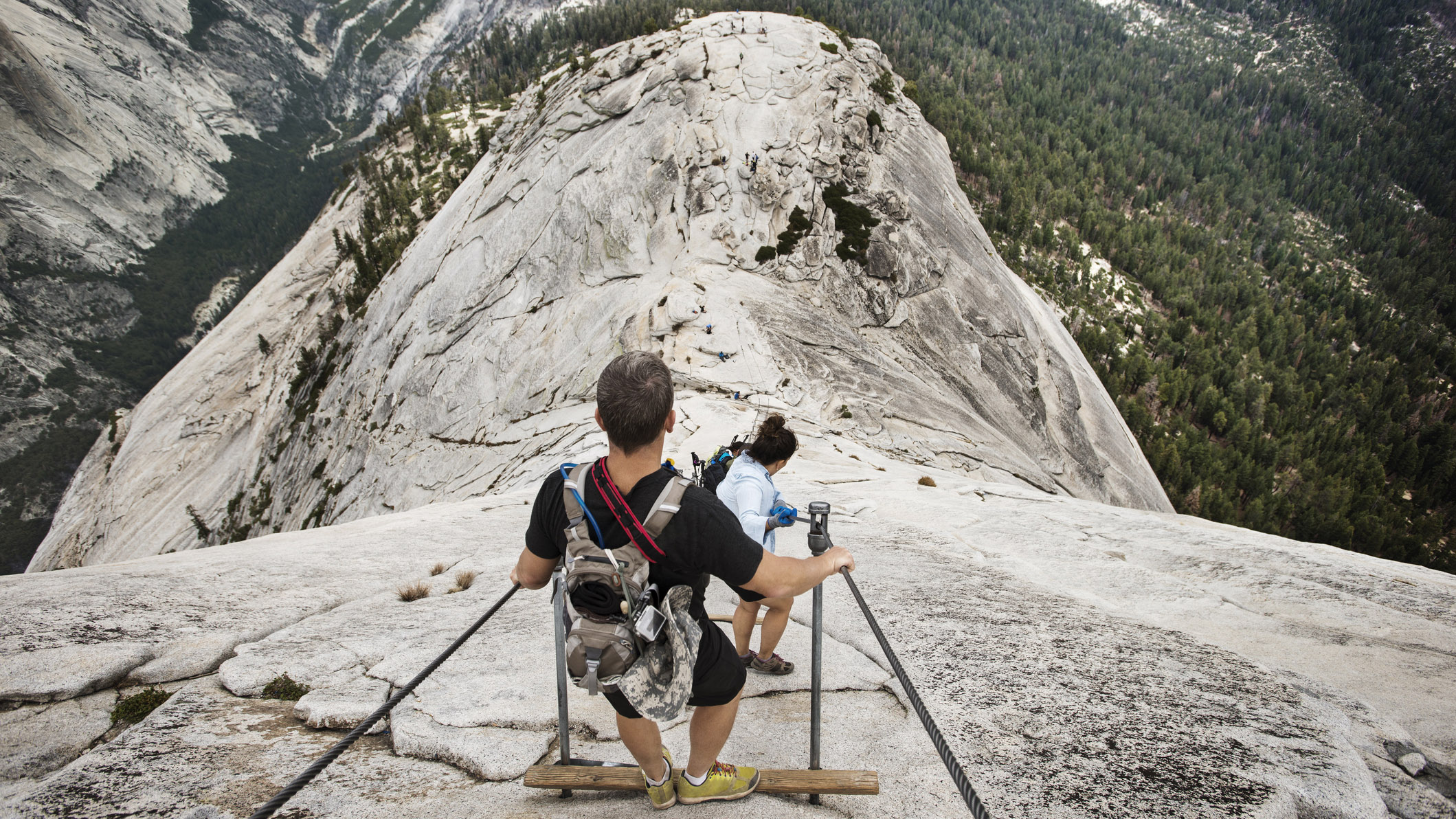
Credit: www.advnture.com
How Risky Is Hiking Compared To Other Outdoor Activities?
To get a clear picture, let’s compare hiking to other activities like cycling, skiing, and swimming. This helps you understand if hiking is more or less dangerous than you might think.
| Activity | Annual Injuries (US) | Common Injury Types | Fatality Rate |
|---|---|---|---|
| Hiking | ~50,000 | Sprains, falls, dehydration | Low |
| Cycling | ~500,000 | Fractures, head injuries | Moderate |
| Skiing | ~50,000 | Knee injuries, fractures | Low |
| Swimming | ~60,000 | Drowning, muscle cramps | Higher |
As you can see, hiking has fewer injuries and fatalities than activities like cycling or swimming. Most hiking injuries are minor, but the risk increases with remote locations or poor preparation.
Who Is Most At Risk When Hiking?
Not all hikers face the same dangers. Certain groups are more likely to get injured or need rescue. Recognizing these groups helps target safety advice.
- Beginners: Lack of experience means more mistakes and less awareness of risks.
- Solo hikers: Hiking alone increases the chance of getting lost or facing emergencies without help.
- Older adults: Age can affect balance and stamina, making falls more likely.
- Children: Kids may wander off or underestimate dangers.
- People with health conditions: Heart, breathing, or mobility issues can make hiking riskier.
Interestingly, studies show that most search and rescue cases involve people who did not plan properly, regardless of age or experience.
Essential Safety Tips For Hikers
Hiking can be safe if you follow some key safety steps. Here are the most important tips to reduce risks:
- Plan your route: Study the trail, check maps, and know the difficulty.
- Check the weather: Always look at forecasts before you go.
- Tell someone: Let friends or family know your plans and expected return time.
- Pack essentials: Carry water, food, a first aid kit, and navigation tools.
- Dress smart: Wear sturdy shoes and weather-appropriate clothing.
- Stay on trails: Avoid shortcuts that can lead to getting lost or unstable ground.
- Know your limits: Don’t push yourself too hard. Turn back if you feel tired or unsafe.
- Respect wildlife: Keep your distance and don’t feed animals.
- Bring a buddy: Hiking with others is safer and more enjoyable.
- Carry emergency gear: A whistle, flashlight, and basic survival items can save lives.
Many hikers skip some of these steps, especially on short hikes. But even easy trails can become dangerous if you’re not prepared.
Hidden Risks Most Beginners Miss
Some dangers are not obvious to new hikers. Here are a few examples:
Water Hazards
Crossing streams or rivers seems simple, but fast water can sweep you away. Wet rocks are slippery. Many hikers don’t realize how risky water crossings are until they experience them.
Altitude Sickness
High altitude can cause headaches, nausea, and confusion. This happens above 8,000 feet, but some people feel symptoms at lower levels. Altitude sickness is often ignored by beginners until it becomes serious.
Poisonous Plants
Plants like poison ivy, oak, or sumac can cause rashes and discomfort. Beginners sometimes touch these plants by mistake, leading to days of itching or pain.
Sun Exposure
Long hours outdoors can cause sunburn, dehydration, or heat stroke. Many hikers forget sunscreen or hats, especially on cloudy days.
How To Prepare For A Safe Hike
Preparation is the best way to avoid danger. Here’s what you should do before every hike:
Research Your Trail
Look for information about the trail’s length, difficulty, and conditions. Check official websites, hiking forums, or guidebooks. Many parks provide updates about closures or hazards.
Make A Packing List
Use this checklist to avoid forgetting important items:
- Water (at least 2 liters per person)
- Snacks or energy bars
- Map and compass (or GPS)
- First aid kit
- Extra clothing layers
- Rain jacket
- Hat and sunscreen
- Emergency whistle
- Flashlight or headlamp
Understand Your Physical Limits
Choose a trail that matches your fitness. Beginners should start with shorter, easier hikes. If you have health issues, talk to your doctor before hiking.
Check Weather And Trail Conditions
Weather can change quickly, especially in mountains. Look at forecasts, and avoid hiking in storms, extreme heat, or cold.
Share Your Plans
Tell someone where you’re going and when you expect to return. If something goes wrong, rescuers can find you faster.
Start Early
Beginning your hike early in the day gives you more daylight and reduces risk of hiking in the dark.
Real-life Examples: Hiking Accidents And Lessons Learned
Learning from real cases can help you avoid mistakes. Here are a few stories:
Lost In The Mountains
In 2019, a group of hikers in Colorado got lost after missing a trail sign. They wandered for hours and ran out of water. Rescue teams found them dehydrated but alive. Lesson: Always carry water and a map, and pay attention to trail signs.
Sudden Storms
A hiker in New Hampshire was caught in a sudden thunderstorm. He had no rain jacket and became hypothermic. After a night in the cold, he was rescued. Lesson: Always check weather and pack extra clothing.
Wildlife Encounter
A woman hiking in Yellowstone surprised a bear. She stayed calm and slowly backed away. The bear left her alone. Lesson: Make noise while hiking and learn how to react to wildlife.
The Role Of Search And Rescue In Hiking Safety
Search and rescue teams save thousands of hikers each year. Their work is vital, but prevention is better than rescue. Here’s how they operate:
- Teams use helicopters, dogs, and drones to find lost hikers.
- Most rescues involve people who did not plan properly or ignored safety advice.
- Rescue costs can be high, and not all areas offer free help.
In 2022, the National Park Service spent over $3 million on search and rescue. Many cases were preventable with better planning.
Hiking Safety Gear: What Really Matters
Having the right gear makes a big difference. Here’s a comparison of essential items:
| Gear Item | Purpose | Recommended for |
|---|---|---|
| Water Bottle | Hydration | All hikers |
| First Aid Kit | Treat injuries | All hikers |
| Map & Compass | Navigation | Remote hikes |
| Rain Jacket | Weather protection | Variable weather |
| Whistle | Emergency signal | Solo hikers |
| Headlamp | Light in darkness | Long hikes |
The most important items are water, first aid, and navigation tools. Beginners often forget a whistle or headlamp, but these can be lifesavers in emergencies.
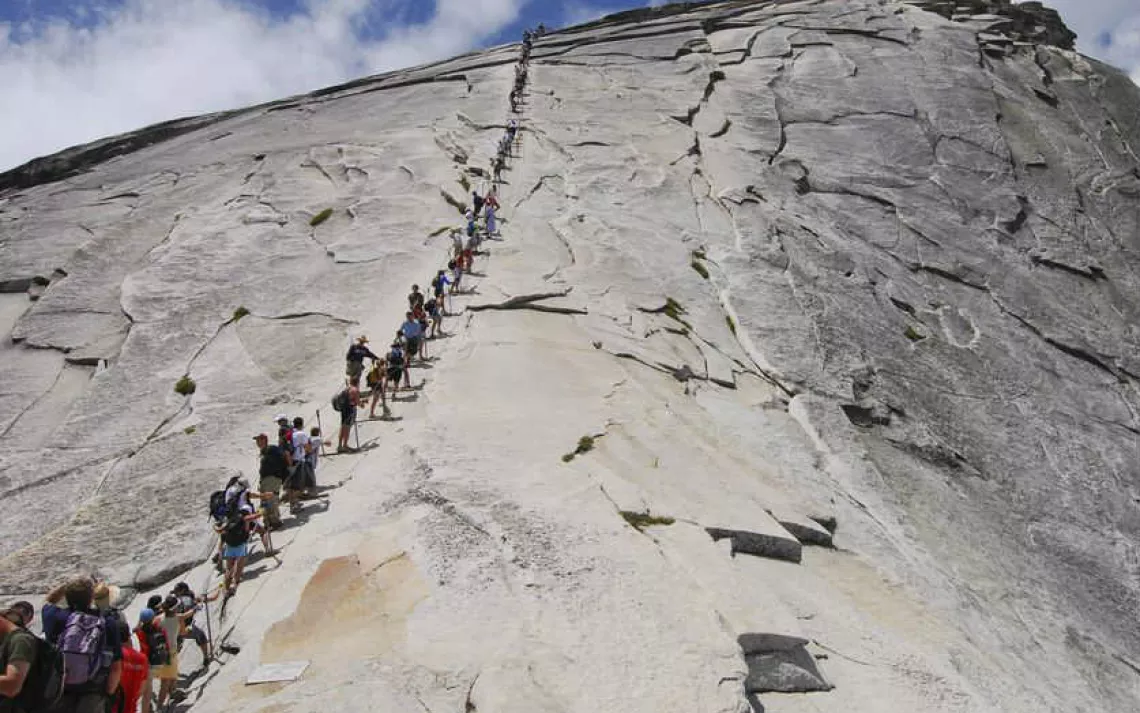
Credit: www.sierraclub.org
Comparing Hiking Risks: Urban Vs. Wilderness Trails
Not all hiking trails have the same risks. Trails near cities are usually safer, with more people around and better access to help. Wilderness trails are remote, harder to navigate, and more exposed to weather and wildlife.
| Trail Type | Risk Level | Common Hazards | Emergency Access |
|---|---|---|---|
| Urban Trails | Low | Slips, dehydration | Easy |
| Wilderness Trails | High | Getting lost, wildlife, weather | Difficult |
If you are new to hiking, starting with urban or well-marked trails is safer. As you gain experience, you can try more challenging routes.
How To React In Hiking Emergencies
Knowing what to do in an emergency can save your life. Here are steps for common situations:
If You Get Lost
- Stop and think: Don’t panic. Try to retrace your steps.
- Use your map: Look for landmarks or trail signs.
- Signal for help: Use a whistle, mirror, or flashlight.
- Stay put: If you can’t find your way, stay in one place for rescuers.
If You’re Injured
- Assess the injury: Decide if you can walk or need help.
- Apply first aid: Clean wounds, bandage sprains, and rest.
- Call for help: Use your phone or emergency signal.
If Weather Turns Bad
- Find shelter: Move under trees or rocks, but avoid open spaces during storms.
- Stay warm: Put on extra clothing and stay dry.
- Wait for conditions to improve: Don’t try to hike in dangerous weather.
If You Meet Dangerous Wildlife
- Stay calm: Don’t run or scream.
- Back away slowly: Give animals space.
- Avoid eye contact: Especially with predators.
- Use bear spray: In areas with bears, carry spray and know how to use it.
Risks That Are Often Overlooked
Even experienced hikers sometimes ignore these dangers:
- Fatigue: Tiredness leads to mistakes and injuries.
- Overconfidence: Thinking you can handle any trail can lead to risky choices.
- Technology dependence: GPS and phones can fail. Always carry a backup map.
- Ignoring signs: Warning signs and trail closures are there for your safety.
Many accidents happen because hikers underestimate these risks.
The Benefits Of Hiking Despite The Risks
It’s easy to focus on dangers, but hiking has many health and mental benefits:
- Physical fitness: Hiking improves heart health, strength, and balance.
- Mental well-being: Time in nature reduces stress and boosts mood.
- Connection with nature: Hiking lets you see beautiful landscapes and wildlife.
- Social interaction: Hiking with friends builds relationships.
Most hikes are safe and enjoyable if you plan well. The risks can be managed, and the rewards are worth it.

Credit: www.youtube.com
Practical Tips For Safe Hiking In Different Seasons
Hiking is popular year-round, but each season brings unique challenges.
Spring
- Trails may be muddy or slippery from rain.
- Rivers and streams are often higher from snowmelt.
- Watch for ticks and insects.
Summer
- Heat and sun exposure are the main risks.
- Carry extra water and wear sunscreen.
- Start early to avoid hiking in midday heat.
Fall
- Leaves can hide roots and rocks, increasing slip risk.
- Days get shorter, so plan for less daylight.
- Cold nights are common.
Winter
- Snow and ice make trails slippery and navigation harder.
- Hypothermia risk increases.
- Carry warm clothing and check weather carefully.
Each season requires different gear and preparation. Adjust your plans accordingly.
How Hiking Safety Has Improved Over Time
Advances in technology and safety education have reduced hiking accidents:
- Modern gear is lighter and more reliable.
- GPS and apps help navigation, but should not replace basic skills.
- Park websites and ranger stations provide real-time information.
- Safety campaigns teach hikers about risks.
Despite these improvements, accidents still happen. The most important safety tool remains your own awareness and preparation.
Hiking Myths That Can Increase Danger
Some myths make hiking riskier for beginners:
- “Short hikes don’t need preparation.” Even easy trails can be dangerous.
- “Cell phones always work.” Signal is often weak in remote areas.
- “Wildlife won’t attack.” Most animals avoid people, but surprises can happen.
- “You can drink from streams.” Many streams contain bacteria.
Believing these myths can lead to trouble. Always plan and prepare, no matter the trail.
Steps To Take After A Hiking Accident
If you are involved in or witness an accident, here’s what to do:
- Stay calm: Panic makes things worse.
- Check for injuries: Help the injured person and apply first aid.
- Call for help: Use a phone, whistle, or signal.
- Keep warm: Use clothing or blankets to prevent shock.
- Wait for rescue: Don’t leave injured people alone.
Quick action and calm thinking can save lives.
Learning More About Hiking Safety
If you want to explore hiking in depth, check out guides from national park websites, hiking clubs, or official safety resources. The American Hiking Society provides tips, gear lists, and safety advice at American Hiking Society.
Frequently Asked Questions
Is Hiking Dangerous For Children?
Hiking can be safe for children with proper supervision, short trails, and regular breaks. Always keep kids within sight and teach them basic safety rules. Pack snacks, water, and first aid. Avoid risky trails and watch for hazards like steep drops or poisonous plants.
How Many People Get Injured While Hiking Each Year?
Around 50,000 hikers are injured in the US annually, mostly from slips, falls, or dehydration. Fatalities are rare, but search and rescue teams respond to thousands of lost or injured hiker cases every year.
What Should I Do If I Encounter A Bear While Hiking?
Stay calm, do not run, and slowly back away. Make yourself appear larger and speak in a calm voice. If the bear approaches, use bear spray if you have it. In most cases, bears will leave if you remain calm and give them space.
Is It Safe To Hike Alone?
Solo hiking can be safe for experienced hikers, but risks are higher. Always tell someone your plans, carry emergency gear, and stick to well-marked trails. Beginners should avoid hiking alone until they gain more experience.
What Is The Most Important Safety Tip For Hiking?
The most important tip is preparation. Plan your route, pack essentials, check weather, and let someone know your plans. Most hiking accidents happen because hikers were not prepared for unexpected situations.
Hiking is not without risk, but with the right knowledge and preparation, it remains a safe and rewarding activity. Start with easy trails, learn from experienced hikers, and enjoy the beauty of nature with confidence.
