
Most people know hiking is good for the body. It makes your legs strong, helps your heart, and burns calories. But hiking is not just about the physical benefits. Walking on a trail, breathing fresh air, and looking at trees can help your mind in ways that many people don’t realize.
If you often feel stressed, tired, or stuck in daily routines, hiking may offer surprising mental benefits. In this article, you’ll learn how hiking can boost your mood, sharpen your thinking, and help you connect with yourself and others. You’ll see real examples, simple explanations, and even some science behind these effects.
Let’s explore why hiking is one of the best activities for mental health.
Hiking And Stress Reduction
Everyday life brings stress: deadlines, noise, and busy schedules. Hiking offers a break from all this. When you walk in nature, your mind gets time to rest.
How Nature Calms The Mind
Many studies show that spending time in natural settings lowers stress. Nature scenes, like forests or mountains, help reduce the body’s stress hormones, such as cortisol. The quiet sounds—birds, wind, flowing water—replace loud city noises. This natural silence lets your mind slow down.
Data On Stress Relief
A study by Stanford University found that walking in nature for 90 minutes lowered rumination (repetitive negative thoughts) and reduced activity in the part of the brain linked to depression. Another report from the American Psychological Association showed that people who spent time outdoors felt less anxious and had improved mood.
Practical Example
Imagine finishing a busy week. Your mind is tired, and you feel tense. Instead of sitting at home, you go for a hike in a nearby park. After just one hour of walking in the woods, your breathing slows, your muscles relax, and your worries seem smaller.
This simple change makes a big difference.
Non-obvious Insight
Many beginners think only long hikes can reduce stress. But even short hikes—30 minutes to one hour—can provide clear benefits. The key is to be present in nature, not the length of the hike.
Boosting Mood And Fighting Depression
Feeling down or low? Hiking can help lift your spirits. It is one of the most effective ways to boost mood without medicine.
Endorphins And Outdoor Activity
Physical activity, like hiking, releases endorphins—chemicals that make you feel happy. Walking outside increases these chemicals more than walking indoors. The mix of exercise and nature is powerful.
Studies On Depression And Hiking
According to the National Institute for Health and Care Excellence (NICE), green exercise (activity in nature) can help treat mild depression. A 2015 study found that hiking improved mood for people with major depressive disorder. Being outdoors, seeing sunlight, and moving your body all play a role.
Real Life Example
Sarah, a 28-year-old office worker, struggled with low mood and sadness. She began hiking every Saturday. Within a month, she noticed fewer negative thoughts, more energy, and better sleep. Hiking became her weekly therapy.
Non-obvious Insight
Many people only notice mood changes after the hike. But pay attention to how you feel during the hike: the first steps, the rhythm of walking, and the sights around you. These moments bring small mood boosts that add up.
Improving Focus And Mental Clarity
If you often feel distracted or unable to concentrate, hiking may help your mind focus better.
Nature And Attention Restoration
Nature helps restore attention. According to the Attention Restoration Theory (ART), natural environments allow the mind to recover from mental fatigue. The brain gets a “reset” when you spend time outdoors.
Data Table: Hiking Vs. Urban Walking And Focus
Here’s a comparison of hiking in nature and walking in urban areas, based on studies:
| Activity | Attention Improvement | Memory Boost | Mental Fatigue |
|---|---|---|---|
| Hiking in Nature | High | Moderate to High | Low |
| Walking in Urban Area | Low to Moderate | Low | High |
How Hiking Helps Clarity
When you hike, you notice details like rocks, leaves, and birds. This kind of observation builds focus. After hiking, many people say their mind feels “clear. ” They can make decisions more easily and think creatively.
Practical Tip
Bring a notebook on your hike. Write down any ideas or thoughts that come to you. You may find your best solutions while walking, not sitting at a desk.
Hiking And Anxiety Relief
Anxiety is common in modern life. Hiking offers a natural way to lower anxiety.
Why Hiking Reduces Anxiety
When you hike, you move at your own pace. There are no loud noises or crowds. This gentle activity allows your body to relax. The physical movement helps use up nervous energy.
Data Table: Effects Of Hiking On Anxiety
Studies compare hiking with other activities for anxiety relief:
| Activity | Immediate Anxiety Reduction | Long-Term Benefit | Risk of Increased Anxiety |
|---|---|---|---|
| Hiking | High | High | Low |
| Running (Urban) | Moderate | Moderate | Moderate |
| Indoor Gym | Low | Low | High |
Example
Someone with social anxiety may feel nervous at the gym. On a hiking trail, there are fewer people and less pressure. The open space and quiet help them feel safe.
Non-obvious Insight
Hiking alone is good for anxiety, but hiking with a friend can help even more. Talking while walking often feels easier, and you may find it simpler to share your worries.
Enhancing Creativity And Problem-solving
Many creative people use hiking to get new ideas. The mix of movement, nature, and quiet gives the mind space to think differently.
Science Behind Creativity
A study published in the journal PLOS ONE showed that walking in nature increased creative thinking by up to 50%. The brain relaxes, and new connections form.
Real Examples
Writers, artists, and inventors often go hiking to solve problems. Steve Jobs, the famous Apple founder, took long walks to brainstorm ideas. Hiking helps you step away from distractions and see things with a fresh mind.
Practical Advice
If you feel stuck on a project or problem, take a hike instead of forcing yourself to sit and think. Notice how your mind shifts during the walk.
Non-obvious Insight
Creativity is not just about big ideas. Hiking helps with small, everyday creativity—finding new ways to solve daily challenges, improving your routines, or understanding emotions.
Hiking And Self-esteem
Self-esteem is your sense of self-worth. Hiking can help build it, especially for people who feel unsure about themselves.
How Hiking Builds Self-esteem
Completing a hike, even a short one, gives a sense of achievement. Overcoming a steep trail or reaching a viewpoint makes you feel capable. These experiences add to your confidence.
Data Table: Self-esteem Before And After Hiking
Research shows changes in self-esteem with hiking:
| Time | Self-Esteem Level | Confidence Level |
|---|---|---|
| Before Hiking | Low to Moderate | Low |
| After Hiking | Moderate to High | High |
Real-life Example
Tom, a teenager, felt unsure about himself. After finishing his first hike, he realized he could do more than he thought. Each new trail made him feel stronger and more confident.
Practical Tip
Set small goals for each hike. For example, reach a certain viewpoint, complete a loop, or identify three types of birds. Meeting these goals builds self-esteem step by step.
Connection With Others
Hiking is not only a solo activity. It can help you connect with friends, family, or groups.
Social Benefits Of Hiking
Walking together in nature creates shared experiences. You can talk without distractions, support each other, and share achievements. This helps build strong bonds.
Example
Families who hike together often report better communication and fewer arguments. Hiking with friends can turn simple walks into memorable adventures.
Non-obvious Insight
Many people think hiking is quiet and lonely. But group hikes can be lively, fun, and full of laughter. If you struggle to connect with others, invite someone to hike with you.
Mindfulness And Being Present
Mindfulness means paying attention to the moment. Hiking is one of the best ways to practice mindfulness.
How Hiking Encourages Mindfulness
On a trail, you notice your steps, breathing, and the world around you. This focus helps you let go of worries about the past or future.
Practical Mindfulness Exercise
Try this: As you walk, focus on your feet touching the ground. Listen to the sounds around you. Notice the colors and shapes. If your mind wanders, gently bring it back to the present.
Real Example
Anna, who struggled with overthinking, used hiking as her mindfulness practice. She learned to enjoy the moment and felt less anxious about the future.
Non-obvious Insight
You don’t need special training to be mindful on a hike. Just pay attention to your senses and surroundings. This simple practice can reduce anxiety and improve mood.
Hiking And Sleep Quality
Many people suffer from poor sleep. Hiking can help you sleep better.
Why Hiking Improves Sleep
Physical activity tires the body. Exposure to sunlight helps regulate your circadian rhythm (sleep-wake cycle). The relaxation from nature lowers stress, making it easier to fall asleep.
Data On Sleep
A study from the Sleep Research Society found that people who hiked during the day fell asleep faster and slept longer. The effect was stronger for those who hiked in natural sunlight.
Practical Advice
If you struggle with sleep, try hiking in the morning or early afternoon. Avoid hiking too late, as it may energize you instead of helping you relax.
Long-term Mental Health Benefits
Hiking is not just a quick fix. It can create lasting changes in mental health.
Building Resilience
Resilience means bouncing back from challenges. Regular hiking teaches patience, problem-solving, and adaptability. Each hike brings new situations—weather changes, tricky paths, or tiredness—that help you build mental strength.
Preventing Mental Health Issues
Studies show that people who hike regularly are less likely to develop depression, anxiety, or stress-related problems. The combination of exercise, nature, and social connection is powerful.
Real-life Example
Over five years, a group of adults who hiked twice a week had lower rates of depression compared to those who did not hike. The habit of hiking protected their mental health.

Credit: www.52hikechallenge.com
Hiking Safety And Mental Benefits
Safety is important. Feeling safe on a hike helps you enjoy the mental benefits fully.
Tips For Safe Hiking
- Choose trails that match your fitness and experience.
- Bring water, snacks, and a map.
- Tell someone where you are going.
- Wear comfortable shoes and weather-appropriate clothes.
- Check the weather before you leave.
How Safety Affects Mental Health
If you feel worried or unsafe, the mental benefits of hiking are reduced. Being prepared allows you to relax and enjoy the experience.
Comparing Hiking With Other Activities
How does hiking compare to other activities for mental health? Here’s a simple comparison:
| Activity | Mood Boost | Stress Reduction | Social Connection | Sleep Improvement |
|---|---|---|---|---|
| Hiking | High | High | High | High |
| Indoor Gym | Moderate | Low | Moderate | Low |
| Yoga | High | High | Low | Moderate |
| Cycling (Urban) | Moderate | Low | Moderate | Low |
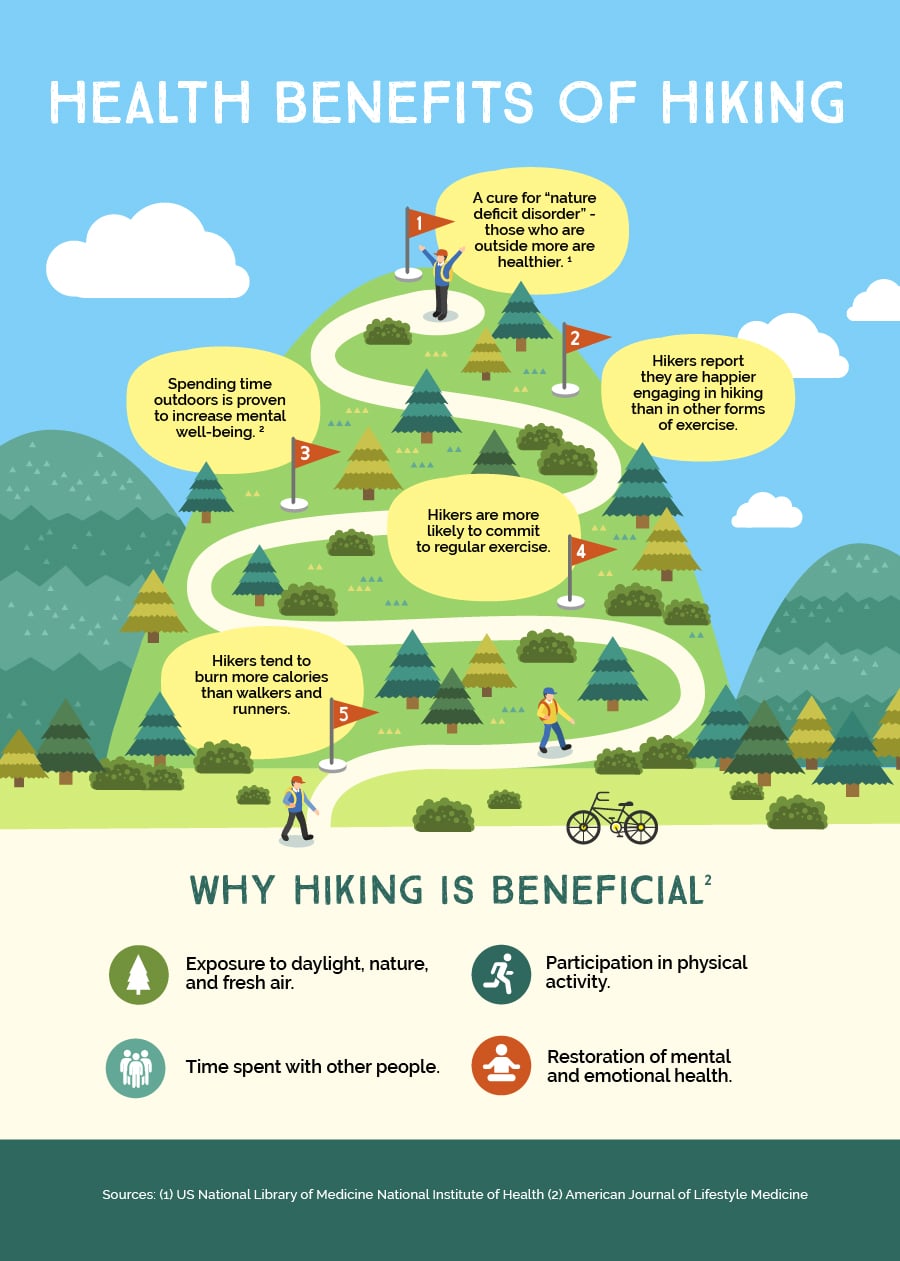
Hiking stands out for its wide range of mental benefits.
Credit: www.lichtsinn.com
Practical Tips For Beginners
If you want to try hiking for mental health, here are some tips:
- Start with easy trails. You don’t need to climb mountains.
- Go at your own pace. Listen to your body.
- Bring a friend or join a local hiking group.
- Leave your phone on silent or in your bag to avoid distractions.
- Focus on the experience, not distance or speed.
- Notice how you feel before, during, and after the hike.
- Use hiking as a regular habit, not just a one-time activity.
Frequently Asked Questions
How Often Should I Hike For Mental Health Benefits?
Most studies show that hiking once or twice a week can bring clear benefits. Even short hikes are helpful if done regularly.
Can Hiking Help With Serious Mental Health Issues?
Hiking can support treatment for issues like depression or anxiety, but it’s not a replacement for professional help. If you have serious problems, talk to a doctor or therapist.
Is Hiking Alone Safe And Beneficial?
Solo hiking is safe if you prepare well. Many people find solo hikes calming and reflective. Always tell someone your plans and choose safe trails.
Do I Need Special Gear To Start Hiking?
For most beginner hikes, comfortable shoes, water, and weather-appropriate clothes are enough. As you gain experience, you can add more gear.
Where Can I Learn More About Scientific Studies On Hiking And Mental Health?
You can find more information on mental health and nature at American Psychological Association.
Hiking is more than a walk in the woods. It’s a chance to clear your mind, lift your mood, and build mental strength. Whether you hike once a week or every day, you’ll find benefits that reach far beyond the trail.
Start small, pay attention to your feelings, and let nature be your guide to better mental health.
Credit: www.hiking-for-her.com
