
Motorcycle camping is more than just riding and sleeping outdoors. It’s about freedom, adventure, and connecting with nature in a unique way. Whether you’re exploring winding mountain roads, camping under the stars, or simply taking a break from city life, motorcycle camping offers experiences you can’t get anywhere else.
But it also brings challenges—like packing light, choosing the right gear, and finding safe places to camp. In this guide, you’ll learn everything you need to know to start your journey, from planning routes to cooking meals by your tent.
Why Motorcycle Camping Attracts So Many
Motorcycle camping is growing fast. In the US alone, motorcycle registrations reached over 8 million in 2023, and surveys show that about 30% of riders have tried camping trips. This trend is clear: people want more freedom and adventure. Riding a motorcycle is already exciting, but camping adds another layer—being self-sufficient, facing the elements, and waking up to new views every morning.
Many campers say they enjoy:
- Feeling closer to nature
- Traveling on a smaller budget
- Meeting other riders on the road
- Escaping routine and stress
Unlike car camping, motorcycles let you reach remote places. They help you avoid crowds and find quieter campsites. For solo travelers, motorcycle camping is often safer and easier because you can quickly leave any uncomfortable situation.
Choosing The Right Motorcycle For Camping
Not all motorcycles are ideal for camping. Your bike needs to carry gear and handle different terrains. Here’s what to consider:
Types Of Motorcycles Used
Most campers use adventure bikes, dual-sport bikes, or touring motorcycles. Each type has strengths:
- Adventure bikes: Good for paved and unpaved roads, strong suspension, and lots of storage options.
- Dual-sport bikes: Light and easy to handle, suitable for rough trails, but limited space for gear.
- Touring motorcycles: Comfortable on highways, plenty of storage, but heavy and less agile off-road.
Sport bikes and cruisers can work, but they aren’t designed for carrying camping gear or riding off pavement.
Key Features To Look For
- Storage capacity: Saddlebags, top boxes, and tank bags help carry gear.
- Comfort: Look for a seat that fits you, wind protection, and upright riding position.
- Suspension: Strong suspension lets you ride on bumpy roads and carry heavier loads.
- Fuel range: Longer trips need larger fuel tanks or extra cans.
- Reliability: Choose a bike with proven reliability and easy maintenance.
Comparison Of Popular Camping Motorcycles
Here’s a quick comparison of three common models:
| Model | Type | Fuel Capacity (gal) | Storage Options | Weight (lbs) |
|---|---|---|---|---|
| Honda Africa Twin | Adventure | 5.0 | Saddlebags, Top Box | 503 |
| BMW R1250 GS | Adventure | 5.3 | Saddlebags, Tank Bag | 549 |
| Kawasaki KLR650 | Dual-Sport | 6.1 | Soft Bags | 432 |

Credit: motocampnerd.com
Essential Camping Gear For Motorcycle Riders
Packing for motorcycle camping is different from car camping. You have less space, so every item must be useful and compact.
Shelter And Sleeping
- Tent: Choose a lightweight, small tent. One-person tents are common, but two-person tents give extra space for gear.
- Sleeping bag: Pick one rated for the coldest temperature you’ll face. Down bags are warmer but need care if wet.
- Sleeping pad: Inflatable pads are best for comfort and size.
Cooking And Food
- Portable stove: Look for compact stoves that use gas canisters.
- Cookware: One pot and one pan are usually enough.
- Utensils: Foldable spoons and forks save space.
- Food: Bring easy-to-cook meals, like instant noodles, canned beans, or freeze-dried packs.
Clothing
- Layering: Pack base layers, a warm jacket, and waterproof gear.
- Gloves and socks: Bring extras. Wet hands and feet ruin trips.
- Rain gear: Always carry a waterproof jacket and pants.
Safety And Navigation
- First aid kit: Include bandages, painkillers, antiseptic, and any personal medicine.
- GPS or smartphone: Use offline maps and backup batteries.
- Headlamp: Hands-free light for nighttime.
Storage Solutions
Use these options to organize your gear:
- Saddlebags: Hard or soft, mounted on the sides.
- Tank bags: Easy to reach while riding.
- Dry bags: Waterproof, good for clothes and electronics.
Packing Tips
- Put heavy items low and close to the bike’s center.
- Use compression sacks for sleeping bags and clothes.
- Keep quick-access items (like snacks and rain gear) on top.
A common mistake: packing too much. Beginners often bring unnecessary items, making the bike heavy and hard to handle.
Planning Your Route And Campsites
Motorcycle camping needs careful planning. You must know where you’ll ride, sleep, and refuel.
Picking Your Route
- Use scenic roads and avoid highways when possible.
- Check road conditions—some routes close in winter or after storms.
- Plan for fuel stops every 100 miles (160 km) unless your bike has a long range.
Finding Campsites
There are three main options:
- Public campgrounds: Run by parks or forest services, these have toilets, water, and sometimes showers.
- Private campgrounds: More amenities but higher cost.
- Wild camping (dispersed camping): Free and remote, but no facilities. Check local laws—wild camping is illegal in some areas.
How To Choose A Good Campsite
- Look for flat ground and shelter from wind.
- Avoid valleys where cold air settles.
- Stay away from animal trails and water sources.
Useful Data: Average Costs
Here’s what you can expect to pay per night:
| Campground Type | Average Cost (USD) | Facilities |
|---|---|---|
| Public | $10–$25 | Toilets, water, picnic table |
| Private | $25–$50 | Showers, electricity, Wi-Fi |
| Wild | $0 | None |
Navigation Tools
Popular apps and tools for route planning:
- Google Maps: Good for highways, but not always reliable off-road.
- Rever: Motorcycle-specific app with community routes.
- Paper maps: Always carry one for backup.
Packing Food And Cooking On The Road
Food is a big part of motorcycle camping. You need meals that are easy to carry and cook.
Types Of Meals
- Instant meals: Freeze-dried or dehydrated, just add hot water.
- Canned food: Beans, soups, and stews are filling.
- Fresh food: Fruits, bread, cheese—best for the first day.
Cooking Methods
- Portable stoves: Use propane or butane. Lightweight and fast.
- Campfire: Only where allowed, and always follow fire rules.
- Cold meals: Sandwiches and salads need no cooking.
Food Storage
Keep food in waterproof bags. In bear country, use bear-proof containers and never store food in your tent.
Practical Tips
- Plan meals for each day to avoid carrying too much.
- Bring spices and sauces for better taste.
- If you’re traveling with friends, share cooking duties.
Many beginners forget to pack enough water or ways to purify it. Always carry a filter or purification tablets.
Staying Safe And Healthy While Camping
Motorcycle camping is fun, but it can be risky. Riders face weather, wild animals, and accidents.
Weather Hazards
- Rain: Can soak gear and make roads slippery.
- Cold: Causes hypothermia—always pack warm clothes.
- Heat: Drink lots of water and rest often.
Check the forecast before you leave. If bad weather is coming, change your route or postpone the trip.
Wildlife Safety
- Never feed animals.
- Store food away from your tent.
- Make noise when walking to avoid surprising wildlife.
Road Safety
- Slow down on gravel or wet roads.
- Keep your bike well-maintained—check tires, brakes, and lights before leaving.
- Carry emergency tools: Tire repair kit, basic tools, and spare fuses.
Health Tips
- Wash hands before eating.
- Treat water from streams before drinking.
- Stretch your legs and back during breaks to avoid stiffness.
A non-obvious tip: always carry a small towel or cloth. It helps with spills, cleaning, and even bandaging wounds.
Motorcycle Camping For Beginners: Step-by-step Guide
If you’re new to motorcycle camping, start small. Here’s a step-by-step plan to help you succeed:
- Test your gear at home: Set up your tent and cook a meal in your backyard.
- Choose a short trip: Plan a one-night camp within 100 miles.
- Pack only essentials: Bring basic shelter, food, clothes, and safety gear.
- Check your motorcycle: Make sure it’s serviced and ready for the trip.
- Ride with a friend: If possible, join a more experienced camper.
- Arrive early at the campsite: Set up before dark and get familiar with the area.
- Keep notes: Write down what worked and what didn’t. This will help you improve next time.
Many beginners forget to check local camping regulations. Always research rules for the area you’re visiting.
Advanced Tips For Experienced Riders
Once you’ve mastered the basics, there are ways to make your trips even better.
Upgrading Your Gear
- Use ultralight tents and sleeping bags to save space.
- Install heated grips or seat covers for cold weather.
- Invest in portable solar chargers for phones and GPS.
Traveling Internationally
- Check visa requirements and border rules for your motorcycle.
- Learn basic phrases in the local language.
- Carry international insurance and emergency contact info.
Group Camping
- Agree on a daily route and meeting points.
- Assign roles: One person handles navigation, another manages food.
- Use radios or intercoms to communicate.
Dealing With Emergencies
- Have a backup plan: Know the nearest hospital or repair shop.
- Carry a satellite messenger for remote areas.
- Share your route with someone at home.
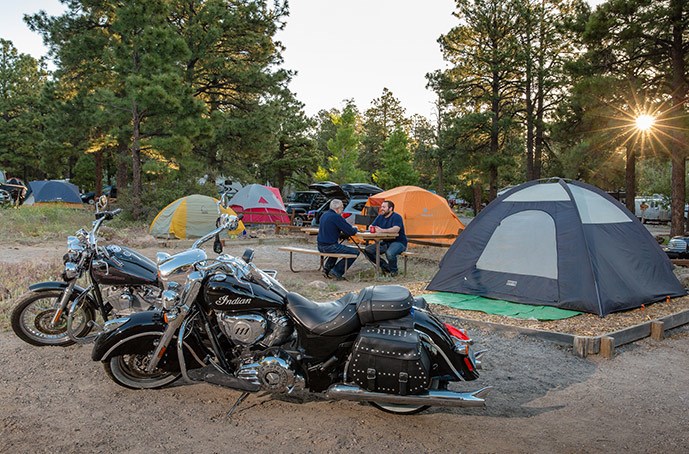
Experienced campers often use modular packing—separating gear by use (sleeping, cooking, safety). This makes it easier to find what you need quickly.
Credit: koa.com
Environmental Responsibility
Motorcycle camping can impact nature. It’s important to camp responsibly.
Leave No Trace Principles
- Pack out all trash, including food scraps and packaging.
- Use existing campsites and avoid damaging plants.
- Clean dishes and bathe at least 200 feet from water sources.
Reducing Noise And Pollution
- Keep your motorcycle quiet, especially near campsites.
- Use eco-friendly soaps and cleaners.
- Avoid riding on fragile terrain.
Supporting Local Communities
- Buy supplies from local shops.
- Respect local traditions and wildlife.
A non-obvious insight: keep campfires small or avoid them altogether. Many wildfires start from campers. Always check fire bans and use stoves when possible.
Making Motorcycle Camping Comfortable
Comfort is key for longer trips. Small improvements make a big difference.
Sleeping Well
- Use earplugs to block wind and animal noises.
- Choose a tent with good ventilation to avoid condensation.
- Pick a sleeping bag with a liner for extra warmth.
Organizing Your Campsite
- Set up your tent away from bike paths or parking areas.
- Use a tarp under your tent to protect from moisture.
- Hang a lantern or headlamp inside your tent.
Improving Daily Routines
- Start your day with a hot drink and stretch.
- Keep a notebook to record memories and routes.
- Charge devices during the day with solar panels.
Beginners often skip campsite setup steps, leading to cold or wet nights. Take time to arrange your gear for comfort.
Motorcycle Camping In Different Seasons
Camping changes with the seasons. Here’s how to prepare:
Spring
- Expect rain and mud. Waterproof gear is essential.
- Wildlife is active—take extra care with food storage.
Summer
- Hot days require more water and sun protection.
- Bugs can be a problem—pack insect repellent.
Fall
- Cooler nights mean warmer sleeping bags.
- Watch for slippery leaves and early snow.
Winter
- Only for experienced campers. Use four-season tents and heated gear.
- Check for road closures and avoid ice.
Here’s a comparison of gear needs by season:
| Season | Tent Type | Sleeping Bag Rating | Clothing Needs |
|---|---|---|---|
| Spring | 3-season | 30°F (-1°C) | Waterproof jacket |
| Summer | 2-season | 50°F (10°C) | Light layers, sun hat |
| Fall | 3-season | 20°F (-6°C) | Warm jacket, gloves |
| Winter | 4-season | 0°F (-18°C) | Insulated gear, heated gloves |
Popular Motorcycle Camping Destinations
Some places are famous for motorcycle camping. Here are a few in the US:
- Pacific Coast Highway (California): Stunning ocean views and many campgrounds.
- Blue Ridge Parkway (Virginia/North Carolina): Mountain scenery and popular among riders.
- Ozarks (Arkansas/Missouri): Forests and quiet campsites.
- Colorado Rockies: High-altitude camping and adventure routes.
- Grand Canyon (Arizona): Iconic views and nearby campsites.
Each route offers unique landscapes and challenges. Research before you go—some areas require permits.
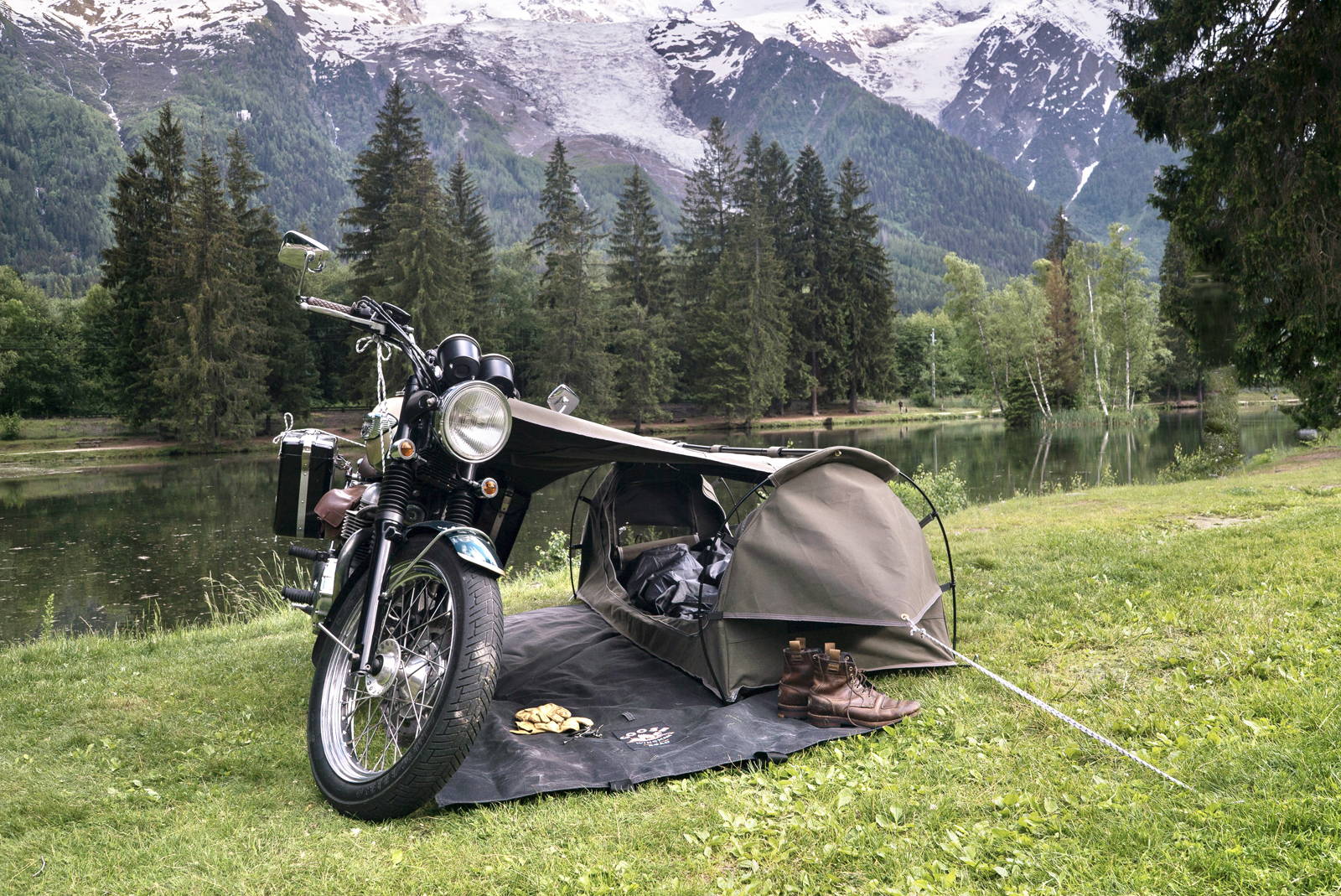
For international travelers, Europe has famous routes like the Alps, and Australia’s Great Ocean Road is popular.
Credit: wingmanoftheroad.com
Connecting With The Motorcycle Camping Community
Riding and camping are more fun with others. There are many ways to connect:
- Join online forums and Facebook groups. Share tips and find travel partners.
- Attend motorcycle camping rallies and events.
- Use apps like Rever to find local routes and group rides.
Meeting other riders helps you learn faster and stay safe. Some groups organize group trips, so you can share costs and responsibilities.
Budgeting For Motorcycle Camping
Motorcycle camping can be cheap or expensive, depending on your choices. Here’s how to manage your budget:
Major Costs
- Gear: Tents ($100–$250), sleeping bags ($80–$200), stoves ($40–$100)
- Food: $10–$20 per day
- Campground fees: $10–$50 per night
- Fuel: $20–$50 per trip, depending on distance
Ways To Save Money
- Buy used gear from trusted sources.
- Share costs with friends.
- Cook your own meals instead of eating out.
A common mistake: spending too much on fancy gear before trying camping. Start with basics and upgrade over time.
Common Mistakes And How To Avoid Them
Even experienced campers make mistakes. Here are some to watch for:
- Overpacking: Brings discomfort and makes riding dangerous.
- Ignoring weather forecasts: Leads to cold or wet trips.
- Poor campsite choice: Causes safety or comfort issues.
- Bad food planning: Results in hunger or wasted food.
- Skipping bike maintenance: Leads to breakdowns.
To avoid these, make a checklist before each trip, double-check your gear, and learn from each experience.
Frequently Asked Questions
What Is The Best Motorcycle For Camping Trips?
The best motorcycle depends on your needs. Adventure bikes and dual-sport bikes are popular because they handle both roads and trails, offer storage options, and are comfortable for long rides. Touring bikes work well for highway trips but are heavier. Test different models to see what suits you.
How Do I Keep My Gear Dry During Rain?
Use waterproof bags and covers for all gear. Pack clothes and electronics in dry bags. Set up your tent on higher ground to avoid flooding. Carry a rain jacket and pants, and check weather forecasts before leaving.
Is Wild Camping Legal Everywhere?
No, wild camping (camping outside official sites) is legal in some areas but banned in others. Always check local laws and park rules before setting up camp. In the US, national forests often allow dispersed camping, but state parks may not.
How Can I Cook Meals While Camping?
Most campers use portable stoves with gas canisters. Bring simple cookware—a pot and pan—and easy-to-cook foods like instant noodles, canned beans, and freeze-dried meals. In some areas, you can use a campfire, but always follow fire safety rules.
Where Can I Find More Information On Motorcycle Camping?
You can find detailed guides and community advice at ADVrider, one of the largest online resources for adventure and motorcycle camping.
Motorcycle camping gives you freedom, adventure, and a new way to see the world. With the right planning, gear, and attitude, anyone can enjoy it. Start small, learn from each trip, and always respect the environment. As you gain confidence, you’ll discover more routes, meet new friends, and create memories that last a lifetime.
Whether you travel solo or in a group, motorcycle camping opens doors to places and experiences you’ll never forget.
