
For many older adults, hiking is more than a walk in nature—it’s a chance to stay active, connect with others, and enjoy the beauty of the outdoors. Age should not be a barrier to exploring trails and mountains. With the right preparation, hiking can offer health benefits, boost confidence, and even improve mood.
In fact, research shows that regular hiking can reduce the risk of heart disease, strengthen muscles, and help maintain balance. But there are unique challenges and considerations for older hikers. This guide covers everything from health benefits and safety tips to recommended gear and inspiring stories, making it easier for seniors to start or continue hiking at any age.
Why Hiking Is Great For Older People
Hiking is not just for the young and athletic. Many older adults find hiking to be a rewarding activity for both body and mind. Here are some key reasons:
Physical Health Benefits
- Joint flexibility: Walking on uneven trails helps keep joints moving and flexible.
- Cardiovascular health: Moderate hiking improves heart health and circulation.
- Muscle strength: Climbing hills and steps builds leg and core strength.
- Balance and coordination: Navigating trails improves stability, reducing fall risk.
- Bone density: Weight-bearing activities like hiking help slow bone loss.
A study from the CDC found that adults over 65 who exercise regularly, including hiking, are 28% less likely to suffer serious falls.
Mental And Emotional Wellbeing
- Stress relief: Being in nature lowers stress and anxiety.
- Social connection: Group hikes help reduce loneliness.
- Cognitive boost: New environments stimulate the brain and improve memory.
Older hikers often report feeling more energetic and positive after spending time outdoors. The combination of physical movement and fresh air can be a powerful mood booster.
Non-obvious Insights
- Micro-dosing exercise: Hiking often involves short bursts of activity (steep climbs, rough patches) followed by rest. This style is easier for older bodies compared to steady jogging.
- Vitamin D exposure: Time outside helps maintain healthy vitamin D levels, which is vital for bone health.
Common Challenges For Senior Hikers
While hiking brings many benefits, it’s important to recognize some unique challenges faced by older adults.
Physical Limitations
- Reduced stamina: It may take longer to recover from hikes.
- Joint pain: Arthritis or old injuries can make walking difficult.
- Vision changes: Depth perception and night vision may decline.
Safety Concerns
- Risk of falls: Slippery or uneven ground can be dangerous.
- Weather sensitivity: Seniors may react more strongly to heat or cold.
- Medical emergencies: Chronic conditions (like heart disease or diabetes) require planning.
Social Barriers
- Lack of hiking partners: Many seniors hesitate to hike alone.
- Transportation issues: Getting to trailheads can be difficult without a car.
Non-obvious Insights
- Trail etiquette misunderstandings: Older hikers sometimes feel intimidated by younger, faster groups. Knowing trail etiquette builds confidence and helps everyone enjoy the trail.
- Gear fatigue: Heavy backpacks or poorly fitted shoes can cause discomfort much faster in older adults.
Essential Gear For Older Hikers
Choosing the right equipment can make a big difference in comfort and safety. Here’s what matters most:
Footwear
- Supportive hiking shoes: Look for shoes with good arch support and cushioning.
- Lightweight boots: Reduce strain on ankles and knees.
- Non-slip soles: Essential for wet or rocky terrain.
Clothing
- Layered clothing: Helps adjust to changing temperatures.
- Moisture-wicking fabrics: Keeps sweat away and prevents chills.
- Wide-brimmed hats: Protects from sun exposure.
Hiking Poles
Hiking poles are especially helpful for older hikers. They:
- Provide balance on uneven ground
- Reduce knee strain going downhill
- Help with rhythm and pace
Backpacks
Choose a lightweight backpack with padded straps. It should be easy to carry and hold only the essentials: water, snacks, first aid kit, phone, and extra clothing.
Medical Supplies
- Personal medications: Always carry any needed medicine.
- Basic first aid kit: Bandages, antiseptic, blister pads.
Table: Gear Comparison For Senior Hikers
| Gear | Recommended Feature | Why It Matters |
|---|---|---|
| Hiking Shoes | Arch support, lightweight | Reduces foot pain, prevents falls |
| Poles | Adjustable height, rubber tips | Improves balance, reduces joint strain |
| Clothing | Layers, UV protection | Comfort in changing weather |
| Backpack | Padded straps, light weight | Easy to carry, avoids back pain |
Non-obvious Insight
- Foot shape changes: Many older adults don’t realize their feet may become wider or flatter with age. Re-check shoe size and fit before buying.
How To Prepare For A Safe And Enjoyable Hike
Preparation is key for older hikers. Here are practical steps to follow:
Check Your Health
Consult your doctor before starting hiking, especially if you have chronic conditions. Ask about:
- Blood pressure
- Heart health
- Mobility and balance
Bring a list of emergency contacts and any important medical information.
Choose The Right Trail
Look for:
- Short trails: Start with 1–2 mile hikes.
- Gentle slopes: Avoid steep climbs at first.
- Clear paths: Well-marked, maintained trails are safer.
Many state parks offer “easy” or “accessible” trails designed for seniors and people with mobility challenges.
Start Slow And Build Up
Begin with easy walks. Increase distance or difficulty as you gain confidence and strength. Listen to your body and rest as needed.
Hike With A Group
Joining a hiking club or inviting friends makes hiking safer and more enjoyable. It also helps in case of emergencies.
Plan For Weather And Conditions
Check the weather forecast before you go. Avoid hiking in extreme heat, cold, or storms. Bring extra layers and rain protection.
Hydrate And Snack
Older adults may not feel thirsty as often. Drink water regularly and bring snacks like nuts, fruit, or energy bars.
Table: Trail Difficulty Ratings
| Trail Type | Distance | Elevation Change | Recommended for Seniors? |
|---|---|---|---|
| Easy | 1–2 miles | <100 ft | Yes |
| Moderate | 2–5 miles | 100–500 ft | Maybe, with experience |
| Challenging | 5+ miles | >500 ft | No, unless highly fit |
Non-obvious Insights
- Early morning hikes: Cooler temperatures and fewer crowds make hiking more pleasant.
- Trail maps: Bring a printed map. Phone batteries can die, and older hikers may feel more comfortable with paper.
.jpg)
Credit: www.kendalathome.org
Tips For Preventing Common Hiking Injuries
Older hikers are more prone to certain injuries. Prevention is better than cure.
Warm Up And Stretch
Do gentle stretching before and after hiking. Focus on:
- Calves
- Hamstrings
- Back
- Shoulders
This reduces muscle soreness and stiffness.
Use Proper Technique
- Take small steps on uneven ground.
- Use poles for balance, especially downhill.
- Watch for slippery rocks or roots.
Wear The Right Gear
Proper shoes and clothing reduce the risk of blisters, sprains, and overheating.
Don’t Overexert
Rest often. Don’t push through pain. It’s better to turn back than risk injury.
Table: Common Hiking Injuries And Prevention
| Injury | Cause | Prevention |
|---|---|---|
| Sprained ankle | Uneven terrain | Supportive shoes, hiking poles |
| Blisters | Poor footwear, moisture | Proper socks, dry shoes |
| Dehydration | Not drinking enough | Frequent water breaks |
| Muscle cramps | Overexertion, poor warm-up | Stretching, slow pace |
Non-obvious Insight
- Double socks: Wearing thin socks under thicker hiking socks can prevent blisters.
Inspiring Stories: Older Hikers Who Break Stereotypes
Many seniors prove age is no limit to adventure. These stories inspire and show what’s possible.
Grandma Gatewood
Emma Gatewood was 67 when she became the first woman to hike the entire Appalachian Trail alone in 1955. She used simple gear and showed that determination is key.
The Senior Hiking Clubs
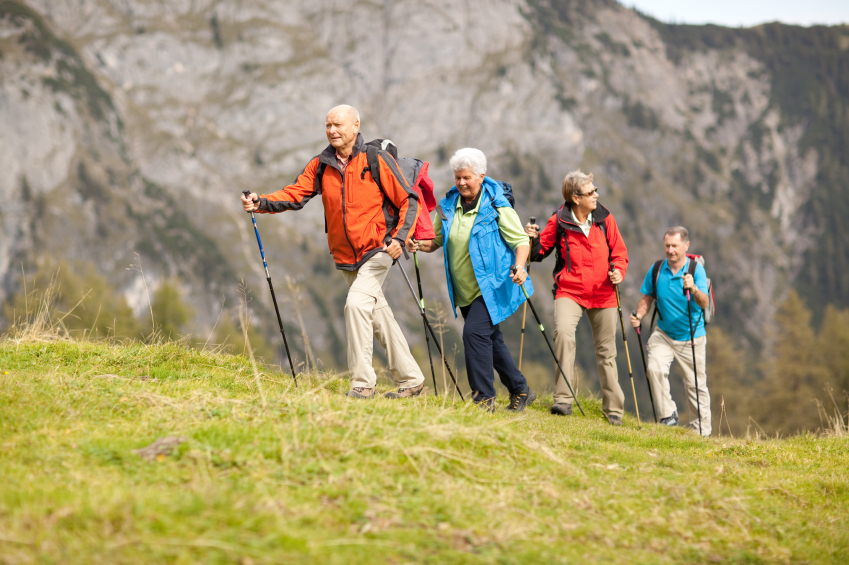
Across the US, groups like the Sierra Club Seniors organize hikes for people over 60. Members often share how hiking keeps them feeling young and connected.
Real-life Example
John, 72, started hiking after retirement. He began with short walks, gradually moved to mountain trails, and now leads a local hiking group. He says, “I feel stronger and happier than I did in my 50s. ”
Non-obvious Insight
- Peer encouragement: Older hikers often motivate each other more than younger hikers. Shared experience builds trust and friendship.
Credit: www.chaimitzvah.org
Best Hiking Destinations For Older Adults
Some places are especially welcoming for seniors. Here are a few top choices:
National Parks
- Yellowstone: Many flat, paved paths and scenic views.
- Grand Canyon Rim Trail: Offers easy walks with benches and shade.
- Yosemite Valley: Accessible trails with stunning scenery.
Local Parks And Trails
Most cities have parks with gentle walking paths. Check for accessible trails designed for wheelchairs and walkers.
Nature Preserves
Nature preserves often offer shorter, educational hikes. These can be ideal for older adults who want to learn while walking.
Non-obvious Insight
- Botanical gardens: Many botanical gardens have walking paths that are perfect for easy hikes. They are often less crowded and offer shade.
How Hiking Changes As You Age
Hiking in your 60s, 70s, and beyond is not the same as hiking at 30. Here’s how it evolves:
Pace And Distance
Older hikers often walk slower and choose shorter trails. That’s not a weakness—it’s a smart adaptation.
Recovery Time
It may take longer to recover after a hike. Stretching, hydration, and rest become more important.
Focus On Enjoyment
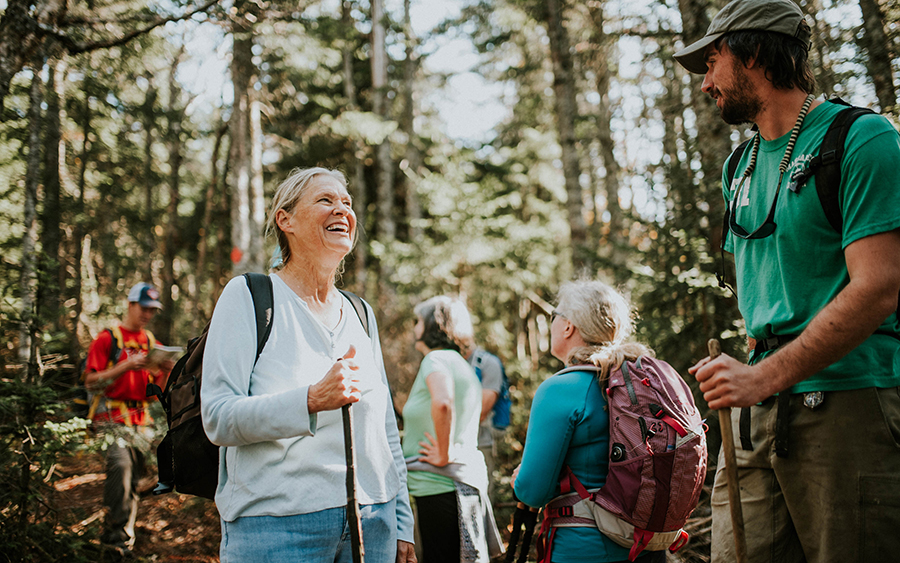
Many seniors say they focus more on enjoying nature and less on “conquering” trails. Hiking becomes a time for mindfulness and relaxation.
Non-obvious Insight
- Trail memory: Older hikers often remember and revisit favorite trails, building a sense of tradition.
Credit: www.outdoors.org
How To Find Hiking Groups And Support
Hiking is safer and more fun with others. Here’s how to find groups:
Local Clubs
Many cities have senior hiking clubs. Try searching online or asking at community centers.
Online Forums
Websites like Meetup and Facebook Groups connect hikers of all ages. Look for groups with “senior” or “easy” hikes.
Parks And Recreation
Contact your local parks department. They often run guided hikes for older adults.
Non-obvious Insight
- Intergenerational hikes: Some clubs mix older and younger hikers, which can be motivating and help share knowledge.
For more ideas on joining hiking groups, the American Hiking Society provides resources and tips: American Hiking Society.
Frequently Asked Questions
What Is The Best Age To Start Hiking As A Senior?
There is no perfect age. Many people start hiking in their 60s, 70s, or even 80s. The key is to start slow, listen to your body, and enjoy the journey.
How Can Older Hikers Stay Safe On The Trail?
Plan ahead, choose easy trails, hike with a partner or group, and carry essential gear. Always check the weather and bring a phone or emergency contact device.
Are There Hiking Shoes Made Specifically For Seniors?
Yes. Many brands offer hiking shoes with extra support, wider toe boxes, and lightweight materials. Check for shoes labeled “senior” or “orthopedic” for best comfort.
Can Seniors Hike With Arthritis Or Limited Mobility?
Absolutely. Choose accessible trails, use hiking poles for support, and take frequent breaks. Many parks offer trails designed for people with mobility challenges.
How Often Should Older Adults Go Hiking?
Aim for once a week or more, depending on your health and schedule. Even short walks in nature can offer big benefits. Listen to your body and adjust as needed.
—
Hiking offers older adults a unique path to health, happiness, and adventure. With the right preparation, supportive gear, and a focus on safety, seniors can explore trails and enjoy nature at their own pace. The experience is not just physical—it’s social and emotional too.
Whether you start with a gentle park walk or dream of bigger hikes, remember that every step counts. Age is just a number; the joy of hiking is timeless.
