
Quilt Vs Sleeping Bag: Which Is Better For Outdoor Adventures?
When you go camping or backpacking, your sleep system matters a lot. A good night’s rest keeps you strong for hiking, exploring, and enjoying nature. Two popular options are the quilt and the sleeping bag. Both offer warmth and comfort, but they work differently. Choosing between them can feel confusing, especially for beginners. This guide will help you understand the key differences, pros and cons, and which one is best for your next trip. Whether you are a weekend camper or a thru-hiker, you’ll find clear answers and practical advice.
What Is A Quilt?
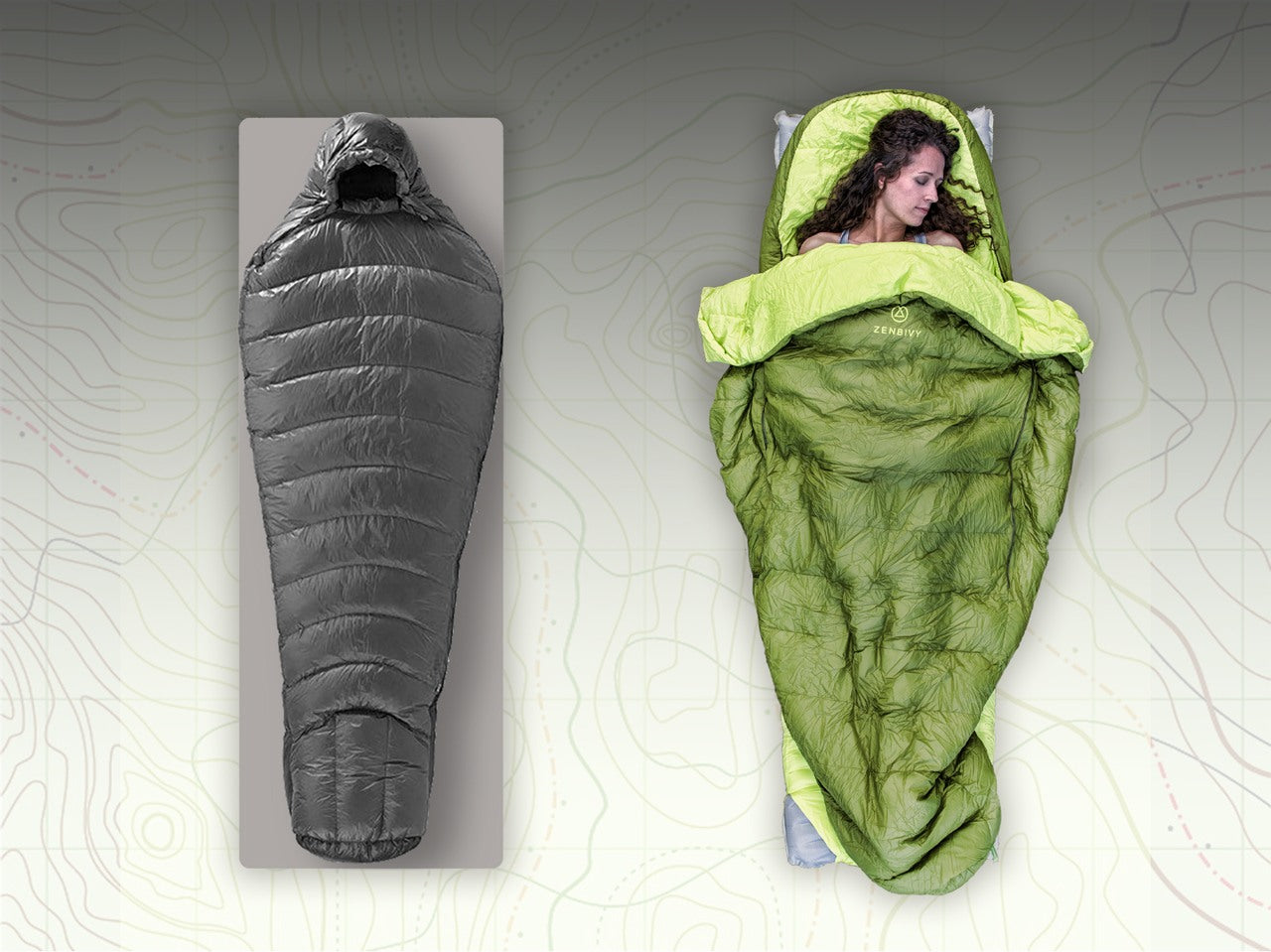
A quilt is a lightweight sleeping cover designed for outdoor use. Unlike a sleeping bag, it does not fully enclose your body. Most quilts look like a blanket with a foot box at the bottom. The sides stay open, but you can tuck them in or attach them to your sleeping pad. Quilts are popular with ultralight backpackers because they are lighter and pack smaller.
Quilts work best when used with a good sleeping pad, which provides insulation under you. The top and sides of the quilt cover your body, while the pad protects you from cold ground. Some quilts have simple clips or straps to keep them in place.
Key Features Of Quilts
- Open sides for ventilation and flexibility
- Foot box to keep feet warm
- Straps to secure quilt to pad
- Lightweight and compact
- Customizable warmth (easy to vent or tuck)
Quilts are designed for people who want to reduce weight and bulk. They are especially popular on long-distance trails like the Appalachian Trail or Pacific Crest Trail.
What Is A Sleeping Bag?
A sleeping bag is a traditional outdoor sleep system. It surrounds your body with insulation and zips closed. Most sleeping bags have a hood to cover your head, a zipper along one side, and a snug fit to keep warmth inside. Sleeping bags are available in many shapes, including mummy and rectangular styles.
Sleeping bags are used by campers, hikers, and mountaineers. They are known for reliable warmth and all-around protection. Sleeping bags are often heavier and bulkier than quilts, but they offer more coverage.
Key Features Of Sleeping Bags
- Full enclosure (body, feet, head)
- Zipper for easy entry and exit
- Hood to protect head and neck
- Draft collar (keeps warm air inside)
- Various shapes (mummy, semi-rectangular, rectangular)
- Consistent warmth even in cold conditions
Sleeping bags are best for cold weather, windy nights, and situations where you need maximum protection.
Quilt Vs Sleeping Bag: Direct Comparison
To help you see the main differences, here is a comparison table:
| Feature | Quilt | Sleeping Bag |
|---|---|---|
| Weight | Lighter | Heavier |
| Packing Size | Smaller | Bigger |
| Warmth | Depends on pad & setup | Consistent, all-around |
| Comfort | More freedom | Snug, limited movement |
| Versatility | Easy to vent, use as blanket | Better for cold/windy |
| Price | Often lower | Varies, often higher |
| Ease of Use | Requires pad setup | Simple, zip and go |
This table shows that quilts and sleeping bags have unique strengths. Your choice depends on your needs and the conditions you expect.
Warmth And Insulation
How Warm Are Quilts?
Quilts rely on your sleeping pad for insulation underneath. The open sides can let cold air in if not tucked properly. Most quilts use down or synthetic fill for warmth. The fill power (like 800 or 900) tells you how well the down traps heat. With a good pad and careful setup, quilts can be warm even in cold weather.
However, if you toss and turn or sleep cold, you might feel drafts. Some quilts have extra straps or clips to reduce this problem.
How Warm Are Sleeping Bags?
Sleeping bags offer full coverage. They trap heat around your entire body, including your head. Mummy bags are especially warm because they fit closely and have a hood. The insulation stays close, and the draft collar stops warm air from escaping.
Sleeping bags perform better in windy, cold, and wet conditions. They are often rated for lower temperatures. If you camp in winter, high mountains, or unpredictable weather, a sleeping bag is usually safer.
Real-world Example
A 20°F quilt will usually feel colder than a 20°F sleeping bag, unless you use a thick pad and tuck the quilt tightly. Experienced hikers often use quilts down to freezing, but beginners can struggle with warmth.
Credit: zenbivy.com
Weight And Packing Size
Quilts: The Ultralight Choice
Most quilts weigh 1–2 pounds (450–900 grams). They pack down small, often the size of a water bottle. Quilts save space in your backpack, which matters for long-distance hiking.
Some ultralight quilts weigh less than 1 pound, but may have less insulation. You need a good pad to avoid cold spots.
Sleeping Bags: Heavier But Reliable
Sleeping bags usually weigh 2–4 pounds (900–1800 grams) depending on the warmth rating. They take up more space, especially thicker bags for winter.
Mummy bags are lighter than rectangular ones. Down-filled bags compress better than synthetic, but both are bulkier than quilts.
Data Comparison
| Temperature Rating | Quilt Avg. Weight | Sleeping Bag Avg. Weight |
|---|---|---|
| 40°F (4°C) | 1 lb (450g) | 2 lbs (900g) |
| 20°F (-7°C) | 1.5 lbs (680g) | 3 lbs (1360g) |
| 0°F (-18°C) | 2 lbs (900g) | 4 lbs (1800g) |
This data shows quilts are lighter for the same warmth rating.
Comfort And Sleeping Styles
Quilts: Freedom And Flexibility
Quilts give you room to move. You can sleep on your side, back, or stomach without feeling trapped. If you get too warm, you can open the quilt for ventilation.
Many campers find quilts more comfortable in mild weather. You can use a quilt like a blanket, or wrap it tightly on cold nights. Some quilts have a foot box that keeps your feet warm but lets your legs move.
Sleeping Bags: Snug And Secure
Sleeping bags are snug. They fit closely around your body, which can feel restrictive. If you toss and turn, you might find the bag uncomfortable.
However, sleeping bags protect you from drafts and bugs. The hood covers your head and neck, making you feel secure. Some bags are wider for comfort, but they lose warmth.
Practical Insight
If you are a restless sleeper, a quilt might suit you better. If you sleep cold or want to feel fully covered, a sleeping bag is safer.
Weather Protection
Quilts: Limited Protection
Quilts work best in mild or dry weather. If it is windy or rainy, quilts offer less protection because the sides are open. You need a good pad and careful setup to stay warm.
Some quilts have waterproof shells or extra features, but they are still not as protective as sleeping bags.
Sleeping Bags: All-weather Safety
Sleeping bags are better in bad weather. The full enclosure keeps wind, rain, and bugs away. If you camp in unpredictable conditions, a sleeping bag is more reliable.
Winter bags have extra features like draft tubes and waterproof shells. They keep you safe even in snow and ice.
Non-obvious Insight
Most beginners do not realize that sleeping bags perform better in emergencies. If your tent leaks or your pad fails, you are less likely to get hypothermia in a sleeping bag.
Price And Value
Quilts: Affordable Options
Quilts often cost $150–$300 for good models. Custom quilts can be more expensive, but most are cheaper than sleeping bags with the same warmth.
Quilts save money because they use less material and fewer zippers. If you already have a good pad, a quilt is a smart investment.
Sleeping Bags: Wider Price Range
Sleeping bags range from $100 to $500. High-end down bags for cold weather can cost even more. Synthetic bags are cheaper but heavier.
Some sleeping bags last longer because they are more durable. If you camp often, the higher price can pay off.
Example Brands
- Quilts: Enlightened Equipment, Hammock Gear, Katabatic Gear
- Sleeping Bags: REI, Marmot, Western Mountaineering, The North Face
Ease Of Use And Setup
Quilts: Learning Curve
Quilts require practice. You must attach the quilt to your pad, tuck the sides, and avoid drafts. If you forget to secure the straps, you can get cold.
Beginners may find quilts tricky at first. With experience, setup becomes fast and easy.
Sleeping Bags: Simple And Reliable
Sleeping bags are easy to use. Just unzip, climb in, and zip up. The hood and draft collar adjust quickly. There is little risk of cold spots.
If you camp with kids or beginners, sleeping bags are safer.
Common Mistake
Many new campers buy a quilt but do not invest in a good pad. This leads to cold nights and discomfort. Always match your quilt with a pad rated for the expected temperature.
Durability And Care
Quilts: Fewer Parts, Less Wear
Quilts have fewer zippers and parts, so there is less chance of breakage. Down quilts require gentle cleaning and storage.
If you use your quilt often, check the straps and foot box for wear. Store quilts loosely to keep the insulation fluffy.
Sleeping Bags: Stronger Materials
Sleeping bags use tough fabrics and zippers. They can survive rough use, but zippers can break or snag. Down bags need careful washing, while synthetic bags are easier to clean.
Sleeping bags last longer if you avoid compressing them for months. Always air out after trips.
Practical Tip
If you want gear that lasts, consider a sleeping bag with strong zippers and reinforced seams.
Adaptability And Use Cases
Quilts: Best For Ultralight Hiking
Quilts are ideal for:
- Backpacking
- Long-distance hiking
- Warm-weather camping
- Minimalist setups
If you hike many miles each day and want to cut weight, a quilt is the top choice.
Sleeping Bags: Best For All Conditions
Sleeping bags work well for:
- Car camping
- Cold-weather trips
- High-altitude adventures
- Family outings
If you camp in winter or unpredictable weather, choose a sleeping bag.
Data Table: Recommended Sleep System By Activity
| Activity | Recommended | Reason |
|---|---|---|
| Ultralight Backpacking | Quilt | Light weight, small size |
| Winter Camping | Sleeping Bag | Full warmth, wind protection |
| Car Camping | Sleeping Bag | Comfort, easy setup |
| Thru-Hiking | Quilt | Weight savings |
| Family Camping | Sleeping Bag | Simple for kids, safe |
Choosing The Right Option: Key Factors
When picking between a quilt and a sleeping bag, think about these points:
- Temperature: If you camp below freezing, a sleeping bag is safer.
- Weight: If you hike far, a quilt saves weight.
- Comfort: Side sleepers and restless campers prefer quilts.
- Weather: For rain, wind, or snow, sleeping bags are better.
- Price: Quilts are often cheaper, but sleeping bags can last longer.
- Experience Level: Beginners find sleeping bags easier to use.
Example Scenario
If you plan to hike the John Muir Trail in summer, a quilt is perfect. For a winter trip to the Rocky Mountains, choose a sleeping bag.

Credit: thetrek.co
Common Mistakes When Choosing
- Ignoring Pad Quality: Quilts need a warm pad. Do not use a thin foam pad below 40°F.
- Overestimating Quilt Warmth: Ratings can be optimistic. Always add a buffer for cold nights.
- Buying the Cheapest Option: Cheap bags and quilts may fail in tough conditions.
- Not Testing Setup: Try your sleep system at home before heading out.
- Compressing Gear Too Much: Both quilts and sleeping bags lose warmth if stored tightly.
Non-obvious Insights Most Beginners Miss
- Quilt straps matter: Using straps or clips correctly can improve warmth by 10–15%.
- Sleeping bags are safer for unexpected conditions: If you get caught in a storm, full coverage prevents rapid heat loss.
- Down quality affects both quilts and bags: Higher fill power (like 900) means better warmth and lower weight.
- Synthetic insulation dries faster: If you camp in wet areas, synthetic bags or quilts are safer.

Credit: www.youtube.com
Environmental Impact
Quilts: Less Material, Lower Footprint
Quilts use less fabric and fewer parts. If made from recycled materials, they are eco-friendly. Down quilts use natural goose or duck down, which is biodegradable.
Sleeping Bags: More Material, Higher Impact
Sleeping bags use more fabric and zippers. Synthetic bags rely on petroleum-based materials, but many brands now offer recycled fills.
Tip For Eco-conscious Campers
Look for gear with bluesign® certification or recycled materials. Brands like REI and Therm-a-Rest offer sustainable options.
Popular Brands And Models
Top Quilt Brands
- Enlightened Equipment Revelation: Customizable, ultralight, popular among thru-hikers.
- Katabatic Gear Flex: High-quality down, good for cold weather.
- Hammock Gear Burrow: Affordable, good for hammock campers.
Top Sleeping Bag Brands
- Western Mountaineering UltraLite: Premium down, very warm, light.
- REI Magma: Good balance of weight and price.
- Marmot Trestles: Synthetic fill, budget-friendly.
Real User Experiences
Many hikers switch from sleeping bags to quilts after their first long trip. They find quilts more comfortable and lighter. However, some return to sleeping bags in winter or harsh conditions.
A backpacker on the Pacific Crest Trail used a quilt for 2,650 miles and loved the freedom. On a cold night in Washington, he regretted not having a sleeping bag.
A family camping in Yellowstone found sleeping bags easier for kids and safer during unexpected rain.
Final Guidance: Which Should You Choose?
If you:
- Camp in mild weather
- Hike long distances
- Want to save weight
- Prefer freedom of movement
Go with a quilt.
If you:
- Camp in cold, windy, or wet conditions
- Are new to outdoor sleeping
- Want all-around warmth and protection
- Sleep cold or still
Choose a sleeping bag.
Remember, the best sleep system is the one that fits your needs, your style, and your conditions. Try both if possible, and learn from your own experience.
For more scientific information about outdoor sleep systems, see the Wikipedia article on sleeping bags.
Frequently Asked Questions
What Is The Main Difference Between A Quilt And A Sleeping Bag?
The main difference is that a quilt has open sides and relies on a sleeping pad for insulation, while a sleeping bag fully encloses your body, including your head and feet, offering consistent warmth.
Can I Use A Quilt In Cold Weather?
Yes, but you need a high-quality sleeping pad and proper setup. Quilts can be warm in cold weather if you block drafts and use extra straps. However, sleeping bags are better for extreme cold.
Which Is Lighter For Backpacking: Quilt Or Sleeping Bag?
Quilts are usually lighter and smaller. For example, a 20°F quilt weighs about 1.5 pounds, while a sleeping bag for the same rating is around 3 pounds. Quilts are best for ultralight hiking.
Are Sleeping Bags Safer For Beginners?
Yes, sleeping bags are easier to use and offer full protection. Beginners avoid common mistakes with sleeping bags because setup is simple and warmth is reliable.
How Do I Choose The Right Sleep System For Me?
Think about your camping conditions, personal comfort, and experience. If you camp in mild weather and want less weight, try a quilt. For cold, wet, or unpredictable trips, a sleeping bag is safer.
Choosing between a quilt and sleeping bag is a personal decision. Both offer good sleep outdoors, but the right choice depends on your trip, style, and needs. Explore, test, and enjoy your adventures—nature rewards those who sleep well.
