
Packing for the outdoors demands more than just tossing gear into a backpack. Every ounce, every inch of space, and every item’s accessibility can affect your experience on the trail, at the campsite, or during a long expedition. Two essentials for organizing and managing gear are stuff sacks and compression sacks. Both sound similar, but their differences can impact your comfort, packing strategy, and even the longevity of your equipment. Understanding when and why to use each will help you travel smarter, lighter, and with less hassle.
This guide explores the real-world differences, advantages, and best uses for stuff sacks and compression sacks. We’ll look at their construction, practicality, and even some hidden pros and cons that many beginners miss. Whether you’re a weekend camper or a long-distance trekker, mastering these tools will keep your gear protected, organized, and easy to manage.
What Is A Stuff Sack?
A stuff sack is a simple, lightweight bag designed to organize gear inside a backpack. Usually cylindrical, it has a drawstring closure at one end and is made of flexible fabric like nylon or polyester. The main purpose is to keep gear grouped together, protected from dirt, and easy to find.
The simplicity of a stuff sack is its greatest strength. With no complex features, they are quick to use and add almost no weight. Some come with water-resistant or waterproof coatings, helping to keep items like clothing or food dry even in damp conditions.
Outdoor companies often color-code stuff sacks, making it easier to identify gear at a glance—blue for clothes, red for food, green for first aid, and so on. This small detail can save precious minutes when searching for something.
Common Uses For Stuff Sacks
- Clothing organization: Separate clean from dirty clothes or keep socks and underwear together.
- Food storage: Isolate food from other gear to avoid smells or spills.
- Sleeping gear: Store sleeping bags or liners that don’t require tight compression.
- Toiletries: Keep hygiene items together and away from clothing.
Practical Example
Imagine a hiker packing for a 3-day trip. She brings three stuff sacks: one for spare clothes, one for food, and one for electronics. Each sack is a different color. When she reaches camp and it starts to rain, she quickly grabs her red sack (food) without digging around, keeping everything else dry and organized.
What Is A Compression Sack?
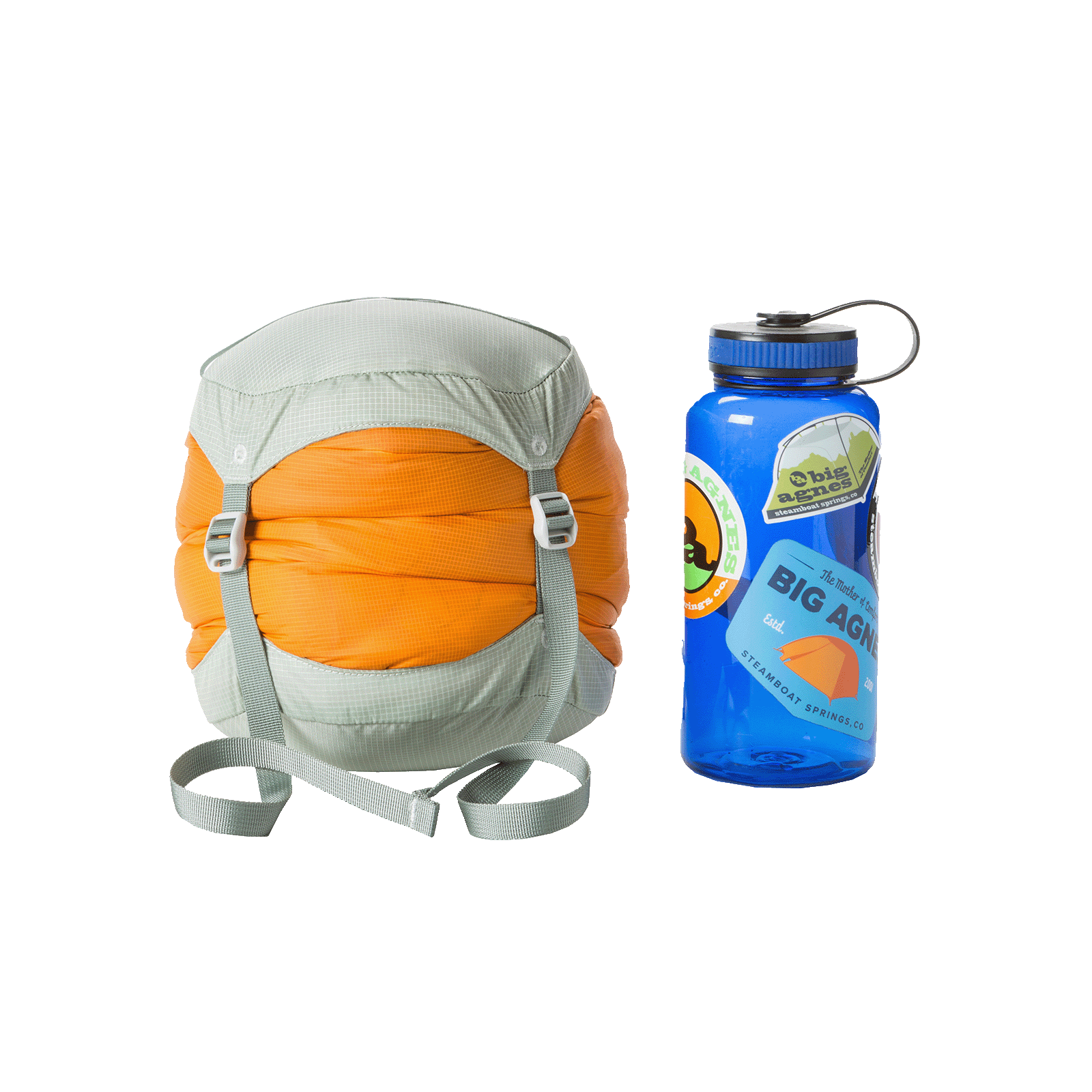
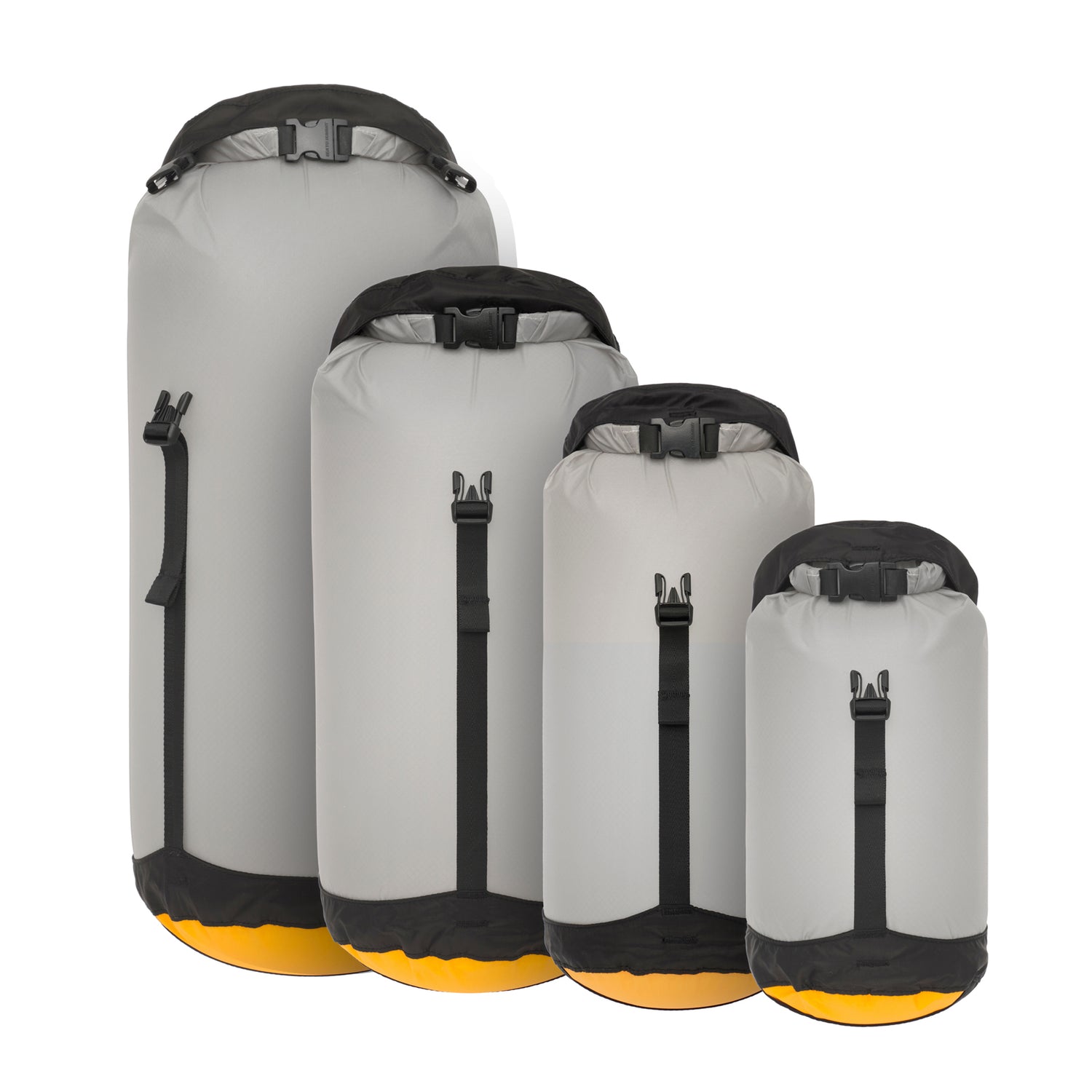
A compression sack is a specialized bag designed to reduce the volume of bulky gear. It looks similar to a stuff sack but has extra straps around the outside. After filling the sack (often with a sleeping bag or puffy jacket), you pull the straps, squeezing the contents and making the sack smaller.
Compression sacks are usually made from tougher, water-resistant materials because they hold high-value items like sleeping bags. The mechanical compression means you can fit more gear in your backpack, but it comes with some trade-offs.
When To Use A Compression Sack
- Sleeping bags: Especially down or synthetic sleeping bags that can handle being compressed.
- Puffy jackets or insulated clothing: Items that are bulky but not fragile.
- Pack space management: When you need to maximize space for a long trip or small pack.
Practical Example
A backpacker with a 65-liter pack wants to add a thick winter sleeping bag. It takes up half his pack when loose. He uses a compression sack, tightening the straps until the sleeping bag is half its original size. Now he has room for food, clothing, and other essentials.
Key Differences: Stuff Sack Vs Compression Sack
At first glance, stuff sacks and compression sacks seem interchangeable. Both are cylindrical, both use flexible fabrics, and both organize gear. However, their differences are important for anyone trying to optimize their packing strategy.
Construction And Design
Stuff sacks are simple—just a bag and a drawstring. They focus on organization, not space-saving. Compression sacks add extra features: reinforced fabric, four or more tightening straps, and a lid that presses down as you pull the straps.
| Feature | Stuff Sack | Compression Sack |
|---|---|---|
| Closure | Drawstring | Lid with compression straps |
| Main Purpose | Organization | Volume reduction |
| Weight | Very light (20-60g avg) | Heavier (60-150g avg) |
| Durability | Good for most uses | Extra tough for heavy loads |
| Cost | $5–$20 | $15–$40 |
Volume Management
A stuff sack keeps items together but does not reduce their size. This is fine for clothing or food, but not efficient for sleeping bags. Compression sacks can shrink a sleeping bag’s volume by up to 50%, turning a bulky item into a compact bundle.
Protection
Most stuff sacks offer basic water resistance but little padding. Compression sacks, due to their thicker materials and tighter closure, often provide better water and dust protection—some even have waterproof seams.
Ease Of Use
Stuff sacks are faster and easier to pack. Just stuff and pull the cord. Compression sacks take longer, requiring you to evenly fill the bag and tighten each strap, sometimes needing to repack if it’s not balanced.
Weight And Space
Stuff sacks add almost no weight, making them ideal for ultralight backpacking. Compression sacks are heavier due to extra hardware, but the saved space can be worth it if pack room is limited.
Pros And Cons: Stuff Sacks
Stuff sacks are the backbone of any organized backpack, but they are not perfect for every situation.
Advantages
- Simplicity: No straps or complex parts to break.
- Lightweight: Adds almost no weight to your pack.
- Versatile: Use for clothes, food, first aid, or electronics.
- Cost-effective: Low price, easy to replace.
- Quick access: No need to undo tight straps.
Disadvantages
- No volume reduction: Bulky gear stays bulky.
- Limited protection: Not fully waterproof or padded.
- Can be hard to compress in a full pack: Without compression, items can get squished by other gear.
Hidden Downsides
Beginners often overpack stuff sacks, thinking they’re saving space. In reality, overfilled stuff sacks can create awkward shapes that waste pack space. Also, thin stuff sacks can wear out faster if used for sharp or heavy items.
Pros And Cons: Compression Sacks
Compression sacks are ideal for reducing bulk, but they come with their own challenges.
Advantages
- Maximize space: Compress large items by 30–50%.
- Protects contents: Thicker material and tighter closure keep out moisture and dirt.
- Ideal for sleeping bags: Essential for down or synthetic bags.
- Organizes bulky gear: Perfect for jackets, insulated pants, and spare layers.
Disadvantages
- Heavier: Adds more weight than a stuff sack.
- Takes time to pack: Straps need adjusting for even compression.
- Potential for damage: Over-compressing can damage down insulation or delicate gear.
- More expensive: Costs more due to materials and design.
Overlooked Issues
Many new hikers think compressing everything is better. But stuffing all soft gear into compression sacks can make a backpack lumpy and uncomfortable to carry. Also, constant over-compression of down sleeping bags can reduce their lifespan by breaking down the loft.
How To Choose: Stuff Sack Or Compression Sack?
Selecting the right bag depends on your gear, trip type, and priorities. Here’s how to decide.
Consider The Item
- Sleeping bags: Use a compression sack, especially for bulky down or winter bags.
- Clothing: Stuff sacks are better—compression can wrinkle or damage some fabrics.
- Food: Stuff sacks are easier for accessing snacks or meals quickly.
- Puffy jackets: Compression sacks can save space, but don’t over-tighten.
- Electronics: Use padded stuff sacks for light protection and organization.
Trip Length And Backpack Size
Long trips or small packs benefit more from compression sacks. If you have a large pack or are only out for a night, stuff sacks may be enough.
Weight Vs. Space
If you’re an ultralight backpacker, every gram counts. Stuff sacks are lighter and can be left behind if not needed. If you need to carry a lot in a small space, compression sacks are worth the extra weight.
Weather Concerns
For wet environments, look for waterproof stuff sacks or compression sacks with waterproof seams. Some models even float if dropped in water.
Budget
If you’re building a kit, start with a few stuff sacks and add compression sacks for specific needs. Don’t buy more than you need—one good compression sack can serve for sleeping bags and jackets.
Real-world Packing Strategies
Knowing what to use is only half the battle. Here are proven strategies for making the most of both stuff sacks and compression sacks.
Layering For Comfort And Balance
Experienced backpackers know that how you pack affects how a backpack carries. Using a combination of stuff sacks and compression sacks can keep your pack balanced and comfortable.
- Bottom of the pack: Place the compressed sleeping bag in a compression sack at the bottom.
- Middle section: Use stuff sacks for clothes, filling gaps around the sleeping bag.
- Top of the pack: Place food and items you’ll access during the day in stuff sacks at the top.
This system keeps weight centered and prevents hard lumps that can dig into your back.
Color Coding And Labeling
Assign each sack a color or label. For example, blue for clothing, red for food, yellow for first aid. In poor light or when tired, you’ll find what you need faster.
Double-bagging For Protection
If you expect heavy rain, double-bag important gear. Place a stuff sack with clothes inside a larger waterproof sack, or use a compression sack with a roll-top closure. This adds redundancy and peace of mind.
Smart Compression
Don’t compress everything. Leave some soft items in stuff sacks to fill empty spaces in your pack. This prevents a lumpy, uneven load and cushions fragile items.
Materials And Durability
The longevity of a stuff sack or compression sack depends heavily on its material and construction quality.
Common Materials
- Nylon: Lightweight and strong, common in both sack types.
- Ripstop nylon: Adds tear-resistance, ideal for rough use.
- Silnylon: Silicone-coated, waterproof, and ultralight, but more expensive.
- Polyester: Slightly heavier but resists UV degradation.
- Cuben Fiber (Dyneema): Ultra-light and waterproof, mostly for premium ultralight gear.
Stitching And Seams
Look for double-stitched or reinforced seams, especially in compression sacks. Weak seams can split under tension, ruining your gear’s protection.
Closures
- Drawstring: Fast and simple, common on stuff sacks.
- Roll-top: Offers better waterproofing, used on high-end sacks.
- Zipper: Rare, but handy for side-access sacks.
Waterproofing
Not all sacks are waterproof. If you expect heavy rain or river crossings, use sacks with waterproof coatings and taped seams. Some models are even rated with a hydrostatic head for true waterproof performance.
Credit: www.bigagnes.com
Cost Comparison
Stuff sacks are usually much cheaper than compression sacks, but prices vary widely based on material and features.
| Sack Type | Basic Model Cost | Premium Model Cost | Average Weight |
|---|---|---|---|
| Stuff Sack | $5–$10 | $15–$20 | 20–60g |
| Compression Sack | $15–$25 | $30–$50 | 60–150g |
| Waterproof Sack | $10–$20 | $25–$60 | 40–120g |
A beginner can outfit an entire pack with basic stuff sacks for under $30. One or two compression sacks for sleeping bags or jackets may cost $20–$40 each but can make a big difference on longer trips.
When Not To Use Each Sack
It’s easy to think every item needs a sack, but sometimes less is more.
When To Avoid Stuff Sacks
- Already waterproof bags: No need for extra sacks.
- Super tight packs: Stuff sacks can waste space if not shaped well.
- Delicate electronics: Need more padding than a basic stuff sack offers.
When To Avoid Compression Sacks
- Down sleeping bags for long-term storage: Compression can damage loft.
- Rain gear or snacks: Quick access is more important than compression.
- Fragile gear: Compression can crush or bend sensitive items.
Hidden Tips Most Beginners Miss
- Test pack before your trip: Lay out your gear and test different sack combinations. Sometimes a mix of compression and stuff sacks makes a huge difference in comfort and space.
- Leave air inside some sacks: A little air in a stuff sack helps cushion delicate gear or fill odd-shaped gaps in your pack.
- Don’t over-compress: It’s tempting to make everything as small as possible, but over-compression can cause damage and make your pack uncomfortable. Leave some items in looser sacks to help balance the load.
Environmental Impact And Sustainability
Gear choices have an environmental impact. Outdoor companies are increasingly using recycled materials, bluesign®-approved fabrics, and eco-friendly dyes in stuff sacks and compression sacks.
- Buy once, use for years: Durable sacks reduce waste.
- Repair, don’t replace: Small holes can be patched with gear tape.
- Choose recycled fabrics: Some brands now offer sacks made from recycled bottles or fishing nets.
The most sustainable choice is to buy quality gear that lasts and to use sacks only where they add real value.
How To Care For Your Sacks
Proper care extends the life of your stuff sacks and compression sacks.
- Clean regularly: Shake out dirt after each trip. Hand wash with mild soap if needed.
- Dry completely: Store only when dry to prevent mold and mildew.
- Store items loosely at home: Let sleeping bags and jackets fluff up between trips.
- Check for damage: Inspect seams and closures before packing for a trip.
A well-cared-for sack can last for years, saving money and reducing waste.
Alternatives To Stuff And Compression Sacks
While these sacks are the standard, some alternatives might work in special situations.
- Ziplock bags: Cheap, waterproof, and see-through for small items, but not durable.
- Dry bags: Roll-top waterproof bags for electronics or river crossings.
- Mesh bags: Great for wet gear that needs to dry, like swimsuits or rain jackets.
- Built-in pack compartments: Some modern backpacks have built-in gear dividers and bottom zippers, reducing the need for extra sacks.
Each alternative has trade-offs in weight, durability, and protection.
Credit: www.reddit.com
Latest Trends: Innovations In Packing Sacks
The outdoor gear industry is always evolving. Some new trends include:
- Ultralight sacks: Dyneema and silnylon sacks weigh almost nothing but cost more.
- Hybrid sacks: Some sacks combine features—like a compression sack with a roll-top waterproof closure.
- Integrated valves: A few high-end sacks have air valves for easier compression and better waterproofing.
- Eco-friendly materials: More brands use recycled or plant-based materials.
Stay updated on innovations—sometimes a new sack can transform your packing system.
Case Studies: Real-world Packing Success
Case 1: Thru-hiker On The Pacific Crest Trail
A hiker used a mix of three stuff sacks (clothes, food, first aid) and one compression sack for her sleeping bag. She saved space, kept her pack balanced, and could find items quickly—even after 1,000 miles.
Case 2: Family Camping Trip
A family of four packed their sleeping bags in compression sacks and all clothing in color-coded stuff sacks. Kids could easily grab their own clothes, and the adults had more room for cooking gear and games.
Case 3: Ultralight Bikepacker
The cyclist skipped compression sacks to save weight and used only silnylon stuff sacks. The flexible sacks filled odd-shaped bike bags, keeping the load light and manageable.
These examples show there is no “one size fits all” solution—adapt your system to your needs.
Credit: seatosummit.com
Frequently Asked Questions
What Is The Main Difference Between A Stuff Sack And A Compression Sack?
A stuff sack is designed mainly for organizing and protecting gear inside your backpack. It has a simple drawstring closure and does not reduce the size of what you pack. A compression sack includes extra straps and a lid to squeeze bulky gear—like sleeping bags—into a smaller size, maximizing space in your pack.
Can I Use A Compression Sack For All My Gear?
It’s not a good idea to use compression sacks for everything. Some items, like rain gear, snacks, or fragile electronics, need quick access or extra padding. Over-compressing clothing or down items long-term can also cause damage. Use compression sacks for large, soft items (sleeping bags, jackets) and stuff sacks for everything else.
Will Compression Sacks Damage My Sleeping Bag?
Occasional use of compression sacks on the trail is fine, but storing a sleeping bag compressed for long periods can damage the insulation, especially with down. Always let sleeping bags fluff up at home. For more on gear care, check resources like the Sleeping Bag Wikipedia page.
Are Stuff Sacks Or Compression Sacks Waterproof?
Not all are waterproof. Basic stuff sacks are usually water-resistant, but not fully waterproof. Some compression sacks are made with waterproof materials and taped seams. For true waterproof protection, look for sacks with roll-top closures and check the manufacturer’s specs.
How Do I Choose The Right Sack Size?
Choose a sack slightly bigger than the gear you want to pack. For sleeping bags, check the manufacturer’s suggested sack size. For clothing or food, consider how much you’ll bring and whether you want to separate items. Too large a sack wastes space, and too small makes packing difficult.
Packing smart with the right combination of stuff sacks and compression sacks can transform your outdoor experience. You’ll carry less, find gear faster, and protect your essentials from the elements. With the tips and insights above, you’ll avoid common mistakes and make confident choices for every adventure.
