
Vegetarian Hiking Meals: The Complete Guide For Outdoor Adventurers
Hiking offers freedom, fresh air, and the beauty of nature. But when it comes to food, many hikers struggle—especially vegetarians. How do you get enough protein? What meals are easy to pack and cook? How do you avoid bland, repetitive snacks?
If you’ve ever faced these questions, you’re not alone.
A well-planned vegetarian hiking meal can fuel your adventure, taste great, and keep your pack light. This guide explores every aspect of vegetarian eating on the trail. You’ll find practical advice, common mistakes to avoid, and specific meal ideas for day hikes, multi-day trips, and even ultralight adventures. Let’s help you hike farther, feel stronger, and enjoy every bite.
Why Vegetarian Meals Are Ideal For Hiking
Many hikers, even non-vegetarians, choose plant-based meals for outdoor trips. There are good reasons:
- Lightweight ingredients: Most vegetarian staples, like lentils, grains, and dried fruits, are lighter than canned meats.
- Long shelf life: Beans, nuts, and dehydrated foods don’t spoil quickly.
- Easy digestion: Plant foods often digest faster, reducing bloating and discomfort during activity.
- Better for the environment: Plant-based meals create less waste and use fewer resources.
But the biggest advantage? You can get all the nutrients you need, with less fuss. The myth that vegetarians can’t get enough protein or calories is outdated. With smart planning, vegetarian hiking meals are satisfying, energy-rich, and simple to prepare.
Key Nutrition For Vegetarian Hikers
The Importance Of Protein
Protein is essential for muscle repair and energy. Many beginners worry about getting enough without animal products. But plenty of vegetarian options provide complete protein.
| Food | Protein (per 100g) | Notes |
|---|---|---|
| Lentils | 9g | Fast-cooking, easy to pack |
| Quinoa | 4g | Contains all essential amino acids |
| Peanut Butter | 25g | High calorie and protein |
| Tofu (dried) | 14g | Needs rehydration |
| Nuts (mixed) | 20g | Snack or meal addition |
Pairing foods, like rice and beans, or whole grains and lentils, helps cover all amino acids. Nut butters and seeds are excellent for boosting protein and calories.
Carbs, Fats, And Micronutrients
Carbohydrates are your main energy source during hiking. Choose whole grains, dried fruits, and starchy vegetables for sustained energy. Fats are crucial for longer trips—they provide dense calories and help you feel full.
Don’t forget micronutrients:
- Iron: Found in lentils, nuts, spinach. Vitamin C helps absorb iron.
- Calcium: Leafy greens, tahini, fortified plant milks.
- B12: Not found naturally in plants—consider supplements or fortified foods.
Hydration is also key. Many plant foods are high in fiber, so drink extra water to avoid digestive issues.
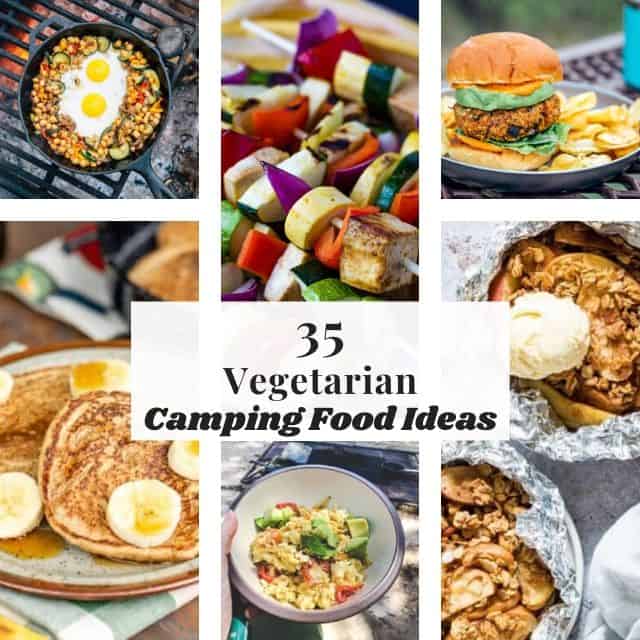
Credit: moonandspoonandyum.com
Planning Vegetarian Hiking Meals
Step-by-step Meal Planning
- Estimate calorie needs: Most hikers need 2500–4000 calories per day, depending on intensity, age, and weight.
- Choose meal types: Decide if you’ll cook, use ready-to-eat foods, or both.
- Balance nutrients: Aim for a mix of protein, carbs, fats, and vitamins.
- Pack smart: Use lightweight, durable containers. Avoid glass and bulky packages.
- Consider preparation time: Some meals need boiling water, others are ready-to-eat.
- Plan portions: Pre-pack daily meal bags to avoid running short.
Example Day: Vegetarian Hiking Meal Plan
- Breakfast: Instant oatmeal, peanut butter, dried cranberries
- Morning snack: Trail mix (almonds, cashews, raisins, pumpkin seeds)
- Lunch: Whole grain wraps with hummus, spinach, and roasted peppers
- Afternoon snack: Energy bar (homemade or store-bought)
- Dinner: Lentil stew with instant rice, dehydrated veggies, spices
- Dessert: Dark chocolate square
This plan gives about 2700 calories, plenty of protein (over 80g), and a variety of flavors.
Packing Tips For Vegetarian Meals
- Use zip-top bags for portion control and less weight.
- Remove extra packaging before leaving home.
- Label each meal bag with the day and meal type.
- Carry a small spice kit for flavor variety—curry powder, chili flakes, salt, and dried herbs.
- Use reusable utensils and a lightweight bowl.
Best Vegetarian Foods For Hiking
Ready-to-eat Options
These foods need little or no preparation:
- Nut butters: Peanut, almond, sunflower
- Energy bars: Many brands offer plant-based options
- Dried fruit: Apricots, mango, figs, raisins
- Crackers: Whole grain, rice, or lentil-based
- Roasted chickpeas: Crunchy, protein-rich snacks
- Dehydrated meals: Ready in minutes with hot water
Foods For Cooking
If you plan to cook, bring:
- Instant rice/quinoa: Cooks in 10–15 minutes
- Dehydrated beans/lentils: Fast and filling
- Pasta: Look for whole wheat or legume-based options
- Vegetable bouillon: Adds flavor to soups
- Freeze-dried vegetables: Lightweight and nutritious
Trail Mixes And Snacks
Trail mix is a hiker’s classic for good reason. Here are some creative combinations:
- Sweet & Savory Mix: Walnuts, dried pineapple, pretzels, pumpkin seeds
- Mediterranean Mix: Almonds, sun-dried tomatoes, olive crackers, dried figs
- Spicy Mix: Cashews, roasted chickpeas, chili-dusted peanuts, dried mango
Trail mixes can be customized for protein, taste, and energy.
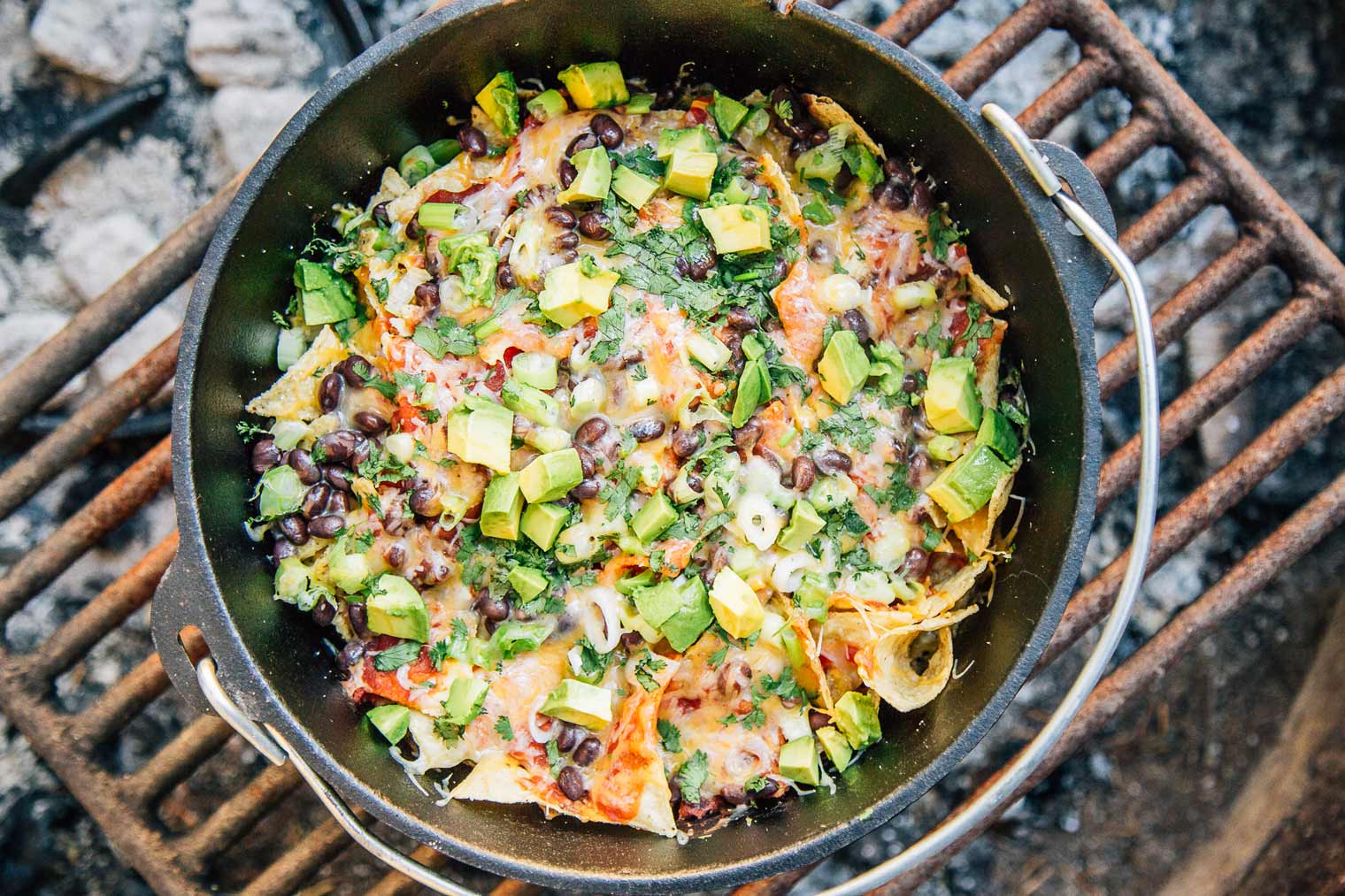
Credit: www.freshoffthegrid.com
Vegetarian Hiking Recipes
Quick Meals For Day Hikes
Hummus Wraps
- Ingredients: Whole grain wraps, hummus, cucumber slices, spinach, red bell pepper
- Instructions: Spread hummus, layer veggies, roll up. Ready to eat, no cooking.
Overnight Oats
- Ingredients: Instant oats, almond milk powder, dried cranberries, chia seeds
- Instructions: Mix all in a jar, add water, soak overnight. Eat cold or heat if possible.
Hot Meals For Multi-day Treks
Lentil Curry
- Ingredients: Instant lentils (1 cup), curry powder (1 tsp), dehydrated carrots (1/4 cup), instant rice (1 cup), salt (1/2 tsp)
- Instructions: Boil water, add lentils, veggies, spices. Simmer 10 minutes, add rice, cook until soft. Serves 2.
Pasta Primavera
- Ingredients: Pasta (1 cup), freeze-dried mixed vegetables (1/2 cup), olive oil (1 tbsp), garlic powder (1/2 tsp), salt (1/2 tsp)
- Instructions: Cook pasta, add veggies and seasoning, drizzle olive oil. Serves 2.
Chili Beans
- Ingredients: Dehydrated beans (1 cup), tomato powder (2 tbsp), chili powder (1 tsp), salt (1/2 tsp), instant rice (1 cup)
- Instructions: Cook beans in boiling water, stir in spices and tomato, add rice. Serves 2.
No-cook Vegetarian Meals
Sometimes, you can’t cook—rain, fire bans, or tiredness. Here are easy no-cook ideas:
- Nut butter sandwiches: Use whole grain bread or crackers
- Cold-soaked couscous: Mix couscous, dried veggies, olive oil, soak in water for 30 minutes
- Bean salad: Canned beans, corn, diced tomatoes, spices
- Cheese and crackers: Choose hard cheeses for longer shelf life
No-cook meals save time and fuel, and are perfect for lunch or emergencies.
Ultralight Meal Strategies
For longer hikes or thru-hiking, every ounce matters. Ultralight vegetarian meals focus on high calorie, low weight, and quick prep.
| Food | Calories (per 100g) | Weight Efficiency |
|---|---|---|
| Peanut Butter | 588 | Very high |
| Olive Oil | 884 | Extremely high |
| Granola | 450 | High |
| Dehydrated Lentils | 340 | Medium |
| Dried Fruit | 300 | Medium |
Carry olive oil to add calories to meals. Powdered plant milks and instant cereals are also lightweight and filling.
Cooking Methods And Gear
Simple Cooking Gear
You don’t need a kitchen to eat well outdoors. The basics:
- Compact stove: Backpacking stoves use gas or alcohol.
- Lightweight pot: Titanium or aluminum.
- Spork or spoon: Multi-use utensils save space.
- Wind shield: For cooking in breezy areas.
- Fuel: Estimate needs—most gas canisters last 2–4 days for simple meals.
Some hikers prefer cold-soak methods—mix food with cold water and let it sit. This works for oats, couscous, and some beans.
Cooking Tips For Vegetarian Meals
- Use boil-in-bag options for easy cleanup.
- Pre-mix spices at home to save time.
- Cut and dehydrate vegetables before your trip for lighter, faster cooking.
- Practice recipes at home before your hike to avoid surprises.
- Bring a small cutting board and knife for fresh items.
One insight many beginners miss: Always test your stove and meal prep in advance. Some foods take longer to cook at high altitude, and water boils at lower temperatures.
Storage And Food Safety
Keeping Food Fresh
Vegetarian foods are generally less risky than meats, but spoilage can still happen.
- Store nuts and dried fruits in airtight bags.
- Hard cheeses last longer than soft ones—choose aged cheddar or gouda.
- Keep perishable foods for the first day, then rely on shelf-stable items.
- Use a food bag and hang it at night to protect from animals.
Avoiding Contamination
- Wash hands before eating, even outdoors.
- Clean utensils and pots after each use.
- Avoid sharing food with wildlife—never feed animals.
Many hikers forget that even plant foods can cause illness if left open or dirty. A small bottle of hand sanitizer can prevent problems.
Common Mistakes With Vegetarian Hiking Meals
Not Enough Calories
Plant foods can be bulky but sometimes lower in calories than expected. Always check calorie counts and pack extra snacks. Many new hikers underestimate how much energy they’ll burn.
Lack Of Variety
Eating the same meal every day can get boring and reduce motivation. Mix up flavors, textures, and snacks. Use spices, different nut butters, and various dried fruits.
Poor Preparation
Some vegetarian foods take longer to cook, especially beans and lentils. Always check cooking times and test meals at home. Pre-soaking beans or choosing instant varieties makes meal prep easier.
Ignoring Protein
It’s easy to rely on carbs, but protein is crucial for recovery. Include lentils, quinoa, nuts, and seeds in every meal plan.
Packing Too Much
Beginners often bring more food than needed, making packs heavy. Plan daily meals and stick to your list. Extra snacks are helpful, but avoid unnecessary bulk.
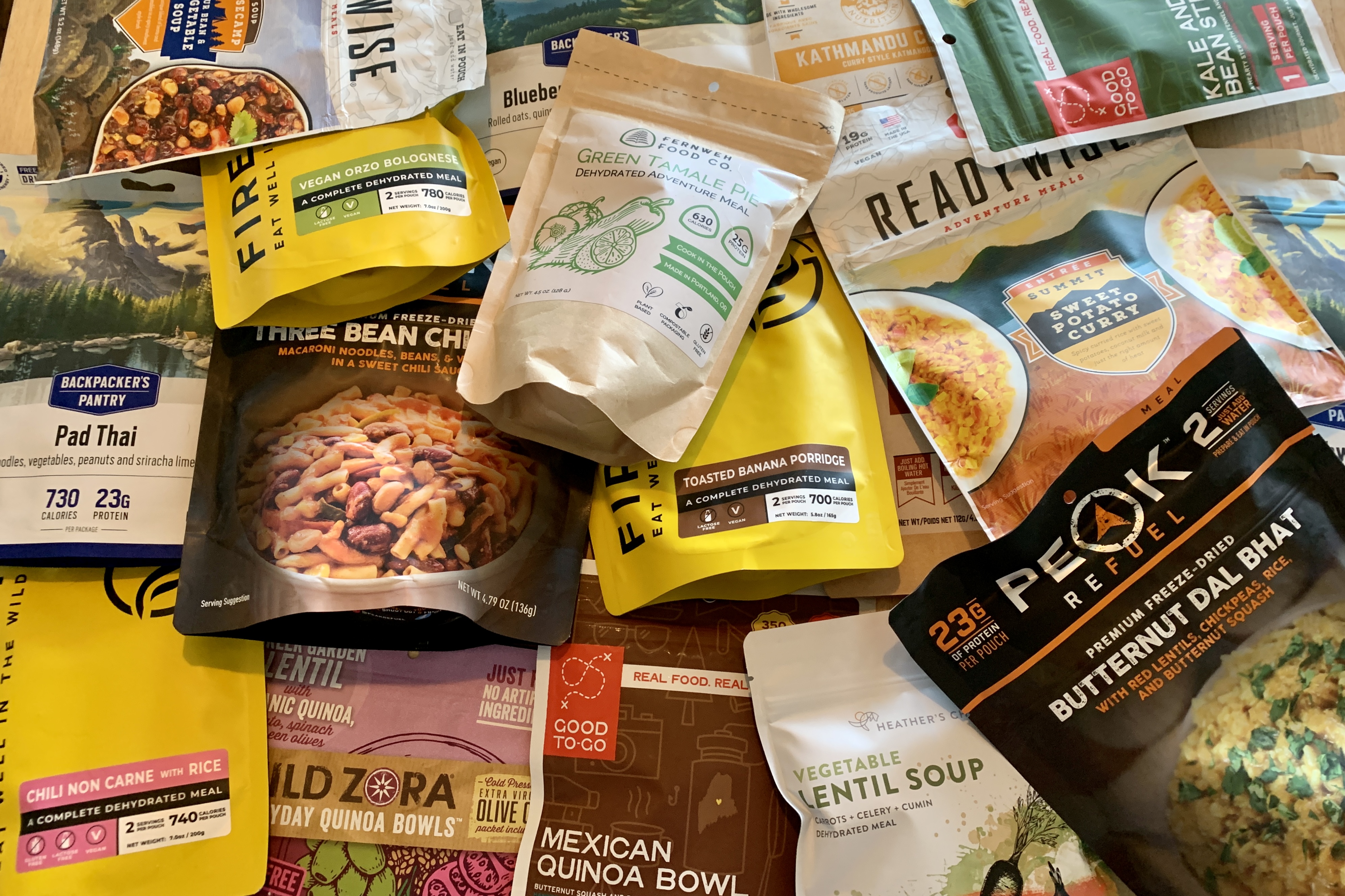
Credit: gearjunkie.com
Sample Vegetarian Hiking Meal Plans
Here are three meal plans for different types of hikes:
Day Hike Meal Plan
- Breakfast: Granola with almond milk powder
- Snack: Trail mix (cashews, raisins, coconut chips)
- Lunch: Hummus wrap with spinach, roasted bell peppers
- Snack: Apple, energy bar
- Dinner: Not needed for day hikes
Overnight Hiking Meal Plan
- Day 1 Lunch: Cheese and crackers, dried apricots
- Day 1 Dinner: Pasta with freeze-dried broccoli, olive oil, garlic powder
- Day 2 Breakfast: Instant oatmeal with peanut butter, dried blueberries
- Day 2 Snack: Mixed nuts and dried mango
Multi-day Backpacking Meal Plan
- Breakfast: Instant oats, chia seeds, dried fruit
- Morning Snack: Trail mix
- Lunch: Cold-soaked couscous with beans, veggies
- Afternoon Snack: Energy bar
- Dinner: Lentil stew with instant rice, spices
- Dessert: Dark chocolate, roasted chickpeas
These plans are flexible—adjust portions and ingredients based on your trip length and calorie needs.
Budget-friendly Vegetarian Hiking Meals
Vegetarian meals can be inexpensive, especially compared to packaged meat options. Here are ways to save money:
- Buy nuts, seeds, and dried fruit in bulk.
- Make your own energy bars and trail mixes.
- Use instant rice, pasta, and lentils from grocery stores.
- Dehydrate vegetables at home—cheaper than buying freeze-dried packs.
- Reuse containers and utensils.
Some hikers overlook homemade options. DIY energy bars, oat mixes, and wraps are easy and much less costly than store-bought meals.
Meal Prep And Packing For Groups
If hiking with friends or family, vegetarian meals are easy to share. Plan for group cooking:
- Bring larger pots for multiple servings.
- Prepare communal meals—chili, pasta, stew.
- Divide meal duties and snack bags.
- Choose foods that everyone enjoys—nut allergies are common, so check ahead.
Group meals save fuel, weight, and time. Some hikers miss that vegetarian meals often have fewer allergens, but always check for sensitivities.
Sustainability And Leave No Trace Eating
Vegetarian hiking meals support Leave No Trace principles. Plant foods create less trash, require less energy to produce, and are safer for wildlife.
Tips for eco-friendly eating:
- Minimize packaging—use reusable bags and containers.
- Pack out all waste, including peels and food scraps.
- Avoid single-use plastics.
- Choose local and organic foods when possible.
Hikers sometimes forget that even biodegradable items can harm wildlife or pollute water. Always carry out all waste.
Where To Buy Vegetarian Hiking Foods
You can find vegetarian hiking foods in many places:
- Outdoor stores: Offer dehydrated meals and energy bars.
- Grocery stores: Bulk nuts, dried fruit, instant grains.
- Online: Specialty foods, freeze-dried meals, vegan jerky.
- Farmer’s markets: Fresh vegetables for short trips.
Check reviews and nutrition labels. One tip: Look for foods with simple ingredients and high protein. For more information on vegetarian nutrition, visit Nutrition.gov.
Frequently Asked Questions
What Is The Best Protein Source For Vegetarian Hikers?
Lentils, quinoa, nuts, and seeds are top choices. They’re lightweight, easy to cook, and provide all essential amino acids when paired correctly. Peanut butter and soy products (like tofu or dried edamame) offer high protein and calories.
Can I Get Enough Calories From Vegetarian Hiking Meals?
Yes. Focus on calorie-dense foods like nut butters, olive oil, granola, and dried fruit. Plan for 2500–4000 calories per day, depending on your hike. Don’t rely only on vegetables—combine grains, beans, and fats for sustained energy.
How Do I Keep Vegetarian Food Safe On The Trail?
Use airtight containers, keep perishable foods for early days, and store everything away from animals. Hard cheeses, nuts, and dried fruits last longer. Wash hands and utensils often to prevent contamination.
Are There Vegetarian Dehydrated Meal Options?
Many brands now offer vegetarian and vegan dehydrated meals. Look for lentil stew, pasta primavera, curry, and chili. You can also make your own by dehydrating cooked meals at home.
What Are Good No-cook Vegetarian Hiking Meals?
Nut butter sandwiches, trail mix, cold-soaked oats or couscous, bean salads, and cheese with crackers are excellent. These save time and don’t require fuel. Pack a variety for taste and nutrition.
Enjoying vegetarian hiking meals is easy with a little planning. The right foods can make your adventure healthier, tastier, and more sustainable. Whether you’re hiking for a day or a week, plant-based meals will keep you energized and ready for every trail.
