
Are you worried about termites silently damaging your home? If you’ve heard about tenting for termites but aren’t sure what it really means, you’re not alone.
Knowing what happens when you tent for termites can help you prepare and feel confident about protecting your biggest investment—your house. You’ll discover exactly how the tenting process works, what you should expect, and why it’s one of the most effective ways to eliminate termites for good.
Keep reading to get the full picture and take control of your termite problem today.
Credit: homeguide.com
Why Tent For Termites
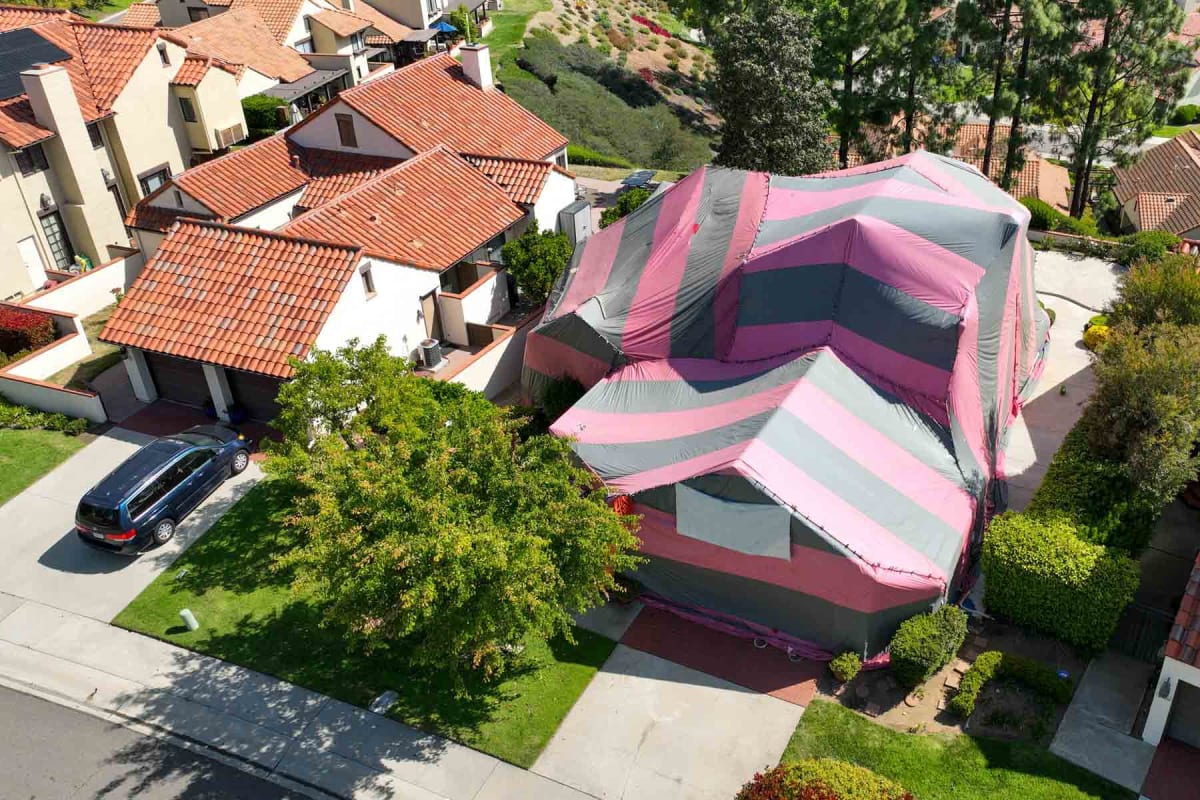
Tenting for termites is a powerful way to protect your home. It involves covering your house with a large tarp and filling it with gas to kill termites. This method reaches deep into wood and other hard-to-reach places. It helps stop termite damage fast and effectively. Understanding why to tent helps you act quickly and save your home.
Signs Of Termite Infestation
Look for mud tubes on walls or foundation. These tubes are used by termites to move safely. Notice any hollow wood or wood that sounds empty when tapped. Tiny holes in wood or blistered paint can also be signs. You might see small wings shed near windows or doors. Termites cause wood to crumble easily. Early signs mean quicker treatment and less damage.
Benefits Of Tent Fumigation
Tent fumigation kills all termites inside your home. The gas reaches every crack and crevice. It removes termites in walls, floors, and furniture. This method works faster than many others. It protects your home from further damage. You get peace of mind knowing termites are gone. After fumigation, your home is safe and clean. It is a thorough way to handle serious infestations.
Preparing Your Home
Preparing your home is a key step before tenting for termites. It helps ensure the treatment works well and keeps everyone safe. There are a few important tasks to complete. These tasks protect your belongings and make the process smoother.
Removing Food And Plants
Take all food items out of the house. Store them in the fridge or sealed containers outside. Remove any plants near or inside your home. Chemicals used in tenting can harm plants. Clearing food and plants prevents contamination and damage.
Securing Pets And People
Pets and people must leave the house during the tenting. The chemicals used are strong and unsafe to breathe. Arrange a safe place for your pets and family to stay. Make sure they do not enter the home until it is safe again.
Arranging Temporary Accommodation
Plan where you will stay while the tenting happens. Treatment can take a few days, so prepare ahead. Book a hotel, stay with friends, or find another safe spot. Having a place ready reduces stress during the process.
The Tent Fumigation Process
The tent fumigation process is a common method to kill termites inside a home. It uses a special gas that seeps into all cracks and wood. This gas kills termites quickly and deeply. The process needs careful steps to keep people safe and make sure termites are gone.
Setting Up The Tent
First, professionals cover the entire house with a large tent. The tent is strong and tight to hold the gas inside. Workers seal doors, windows, and vents to stop gas from escaping. This step is important to make the treatment work well. It also keeps neighbors safe from the fumigant.
Releasing The Fumigant
Next, the team releases the fumigant gas inside the tent. The gas is colorless and smells strong. It moves through wood and walls to reach all termites. The gas stays in the tent for several hours. It kills termites in every hidden place.
Duration Of Treatment
The fumigation usually lasts between 24 and 72 hours. The exact time depends on the house size and weather. After the treatment, the gas must clear out completely. Professionals use special tools to check gas levels. Only when it is safe, people return to their home.
Safety Measures During Fumigation
Safety is the top priority during termite tent fumigation. The process uses strong chemicals to kill termites inside your home. These chemicals can be harmful to humans and pets if safety rules are not followed. Professionals take many steps to protect everyone involved. Understanding these measures helps you feel calm and ready for the treatment.
Protective Gear For Technicians
Technicians wear special gear to stay safe during fumigation. This includes masks that filter out harmful gases. They wear gloves to protect their skin from chemicals. Full-body suits prevent any contact with toxic fumes. Safety boots keep their feet safe from spills. This gear helps workers handle chemicals without risk.
Ventilation After Treatment
After fumigation, the home needs proper airing out. Experts open windows and vents to clear the gas. Fans may be used to speed up ventilation. This step is crucial to remove all harmful chemicals. No one can enter until the air is safe. Proper ventilation protects your family and pets from danger.
After The Tent Is Removed
After the termite tent is removed, the treatment process is not quite over. The home needs careful attention to ensure safety and comfort. The chemicals used are strong and require proper steps before you can live inside again. Understanding what happens next helps you prepare your home and family.
Air Quality Testing
Air quality testing checks for leftover chemicals in your home. Specialists use special tools to measure air purity. This testing ensures the air is safe to breathe. It prevents health problems caused by chemical residue. Waiting for clear results is important before moving back in.
Cleaning Guidelines
After tenting, cleaning your home is vital. Wiping down surfaces removes chemical traces. Ventilate rooms by opening windows and doors. Wash linens, curtains, and upholstery thoroughly. Follow any instructions from your pest control company. This keeps your home fresh and healthy.
Reentering The Home
Reenter your home only after the air is safe. Professionals give the okay based on test results. Avoid rushing back too soon to protect your health. Clear your home of any leftover treatment materials. Take small steps to settle back comfortably and safely.

Credit: californiatermiteandpestcontrol.com
Effectiveness And Limitations
Tenting for termites is a common way to kill these pests inside a home. It works well but has some limits. Understanding both helps homeowners make better decisions. This section explains how tent fumigation kills termites and why follow-up treatments might be needed.
How Tent Fumigation Kills Termites
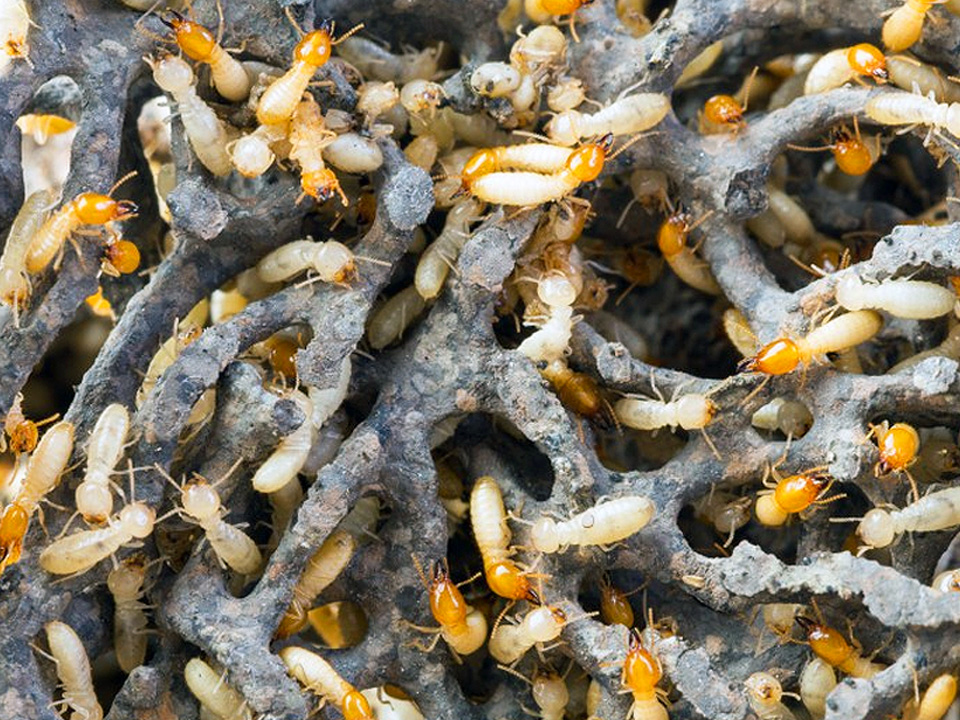
Tent fumigation uses gas to reach every part of the house. The gas enters wood and cracks where termites hide. It kills termites at all life stages, including eggs and workers. The gas stays inside the tent for several hours to ensure full exposure. This method can eliminate large termite colonies quickly and effectively.
Potential Need For Follow-up Treatments
Tent fumigation does not prevent new termite colonies from forming. Termites outside the home can return later if no barriers exist. Wood that is replaced or added after fumigation may get infested. Follow-up treatments like soil treatments or baits help protect the home long-term. Regular inspections are important to catch new termite activity early.
Costs And Alternatives
Termite tenting can be a big expense for many homeowners. It is important to know the costs and other options. This helps you make a smart choice for your home and budget.
The cost depends on the size of your house and the damage level. Tenting requires special equipment and chemicals. These add to the price. There are also other termite treatments that might fit your needs better.
Typical Pricing For Tent Fumigation
Tent fumigation usually costs between $1,000 and $3,000. Bigger homes cost more due to extra materials and labor. Some places charge by square foot, around 50 to 100 cents per square foot.
Additional costs may include preparation work and follow-up inspections. You might need to stay out of your home for a few days. This can cause extra expenses, like staying in a hotel.
Other Termite Control Methods
Termite baiting systems use small stations placed around your home. These attract termites and kill the colony over time. Baiting is less expensive but slower than tenting.
Liquid termiticides create a barrier in the soil to keep termites away. This method costs less and is less disruptive. It requires regular checks to stay effective.
Heat treatment heats your home to a temperature that kills termites. It is chemical-free and quick. Cost varies but usually less than tenting.
Credit: www.chemfreeexterminating.com
Frequently Asked Questions
What Does Tenting For Termites Involve?
Tenting for termites involves covering your home with a large tarp. Professionals then apply a fumigant gas to eliminate termites throughout the structure. This method targets termites in all wood areas, ensuring complete extermination.
How Long Does Termite Tenting Take?
Termite tenting typically takes 2 to 4 days. The fumigation process lasts about 24 to 48 hours. Afterward, the house must ventilate to clear out chemicals before re-entry is safe.
Is It Safe To Stay During Termite Tenting?
No, staying inside during termite tenting is unsafe. Toxic fumigants are used, requiring all occupants and pets to leave. Safety protocols must be followed to avoid health risks.
What Preparations Are Needed Before Termite Tenting?
Before tenting, remove food, plants, and pets from your home. Seal all containers and open cabinets for effective fumigation. Follow professional guidelines to ensure thorough termite treatment.
Conclusion
Tenting for termites protects your home from serious damage. The process clears pests quickly and thoroughly. You must leave your house during treatment for safety. After tenting, ventilation helps remove harmful gases. Regular checks prevent future termite problems. Taking these steps keeps your home strong and safe.
Trust the process to restore peace and comfort. Simple actions make a big difference in pest control. Stay alert and act fast if termites return. Your home deserves proper care and protection always.
