
Thinking about buying a campground? It’s an exciting idea, but there’s more to it than just owning land and welcoming guests.
You want to make sure your investment is smart and your new venture runs smoothly. Before you take the leap, there are key things you need to know—details that could save you time, money, and headaches. Keep reading to discover what to look for, what questions to ask, and how to avoid common pitfalls.
This guide will help you feel confident and prepared every step of the way.
Choosing The Location
Choosing the right location is key before buying a campground. The location shapes your guests’ experience and your business success. Think about many factors that affect how easy and fun it is for people to visit and enjoy the site.
Access And Transportation
Easy access is very important for any campground. Roads should be safe and well maintained. Check if the location is near highways or main roads. Public transport options can bring more visitors. Also, think about parking space for cars and larger vehicles like RVs. Hard-to-reach places might scare away campers.
Nearby Attractions
Campers often want to explore the area around the site. Look for parks, lakes, or hiking trails nearby. Attractions add value and bring more visitors. Restaurants, shops, and local events can also interest guests. A campground near fun activities will likely have steady business all year.
Climate And Weather
Weather impacts camping comfort and safety. Study the local climate for all seasons. Check rainfall, temperature, and wind patterns. Extreme weather can cause damage or reduce visits. Mild weather encourages longer stays and happy campers. Choose a place with weather that suits your target guests.

Credit: shiftgearsdaily.com
Legal And Zoning Requirements
Buying a campground needs more than just money. Legal and zoning rules play a big role. These rules keep the land safe and used the right way. Knowing these rules helps you avoid fines and problems. It also helps you run the campground smoothly and legally.
Permits And Licenses
Running a campground requires permits and licenses from local authorities. These allow you to offer services like camping, selling food, or running events. Each permit has rules to follow. Not having the right permits can lead to fines or closure. Check with your local government before buying the campground.
Zoning Restrictions
Zoning laws control how land can be used. Some areas allow campgrounds, others do not. Zoning rules affect the size and type of campground you can have. They may limit building cabins or adding extra facilities. Check zoning maps and rules to ensure your campground fits.
Environmental Regulations
Campgrounds must follow environmental rules to protect nature. These rules cover water use, waste disposal, and wildlife protection. Ignoring these rules can harm the environment and cause legal trouble. Learn about local environmental laws and plan your campground accordingly. This keeps the land healthy and safe for visitors.
Campground Infrastructure
Campground infrastructure is the backbone of a successful camping business. It affects guest experience, safety, and operations. Good infrastructure helps attract visitors and keeps them coming back.
Before buying a campground, check its infrastructure carefully. Look at utilities, roads, and how sites are arranged. These elements matter for both daily use and future growth.
Utilities And Services
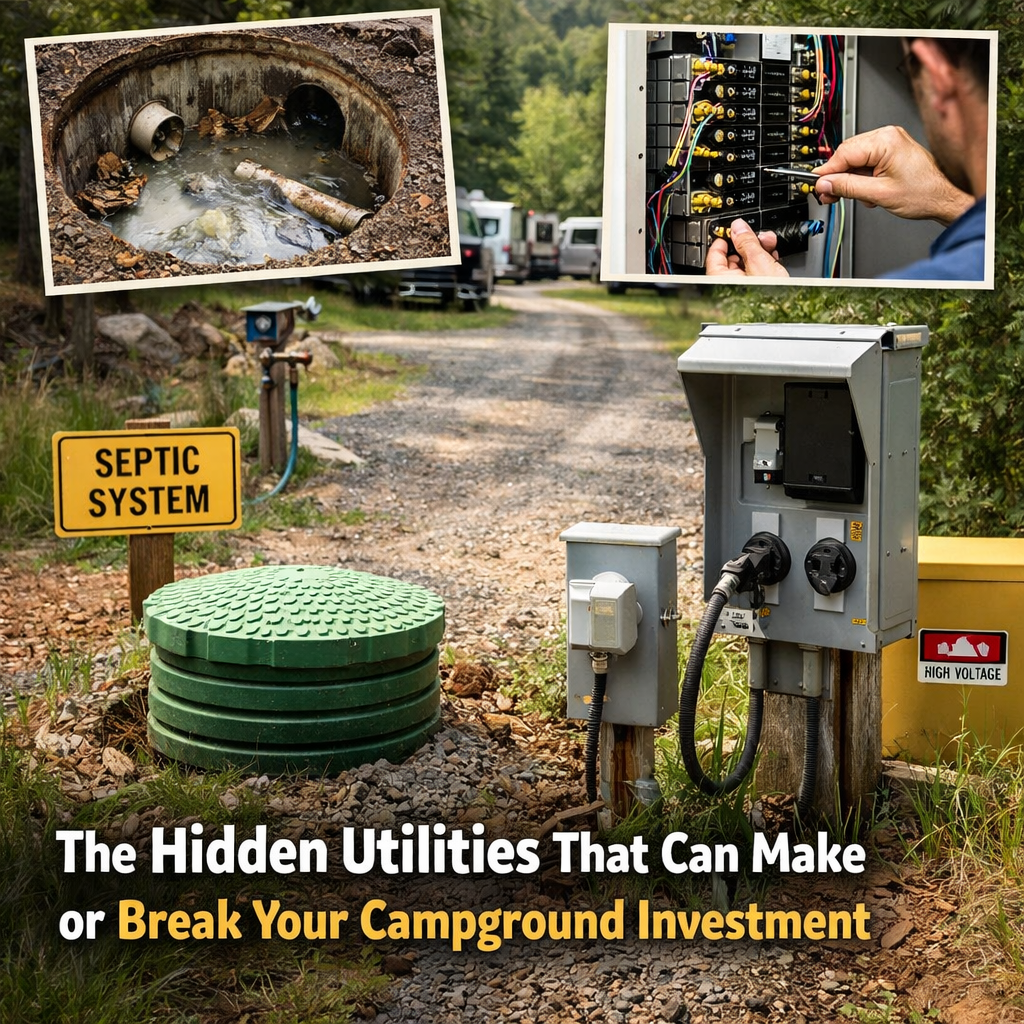
Reliable utilities are essential for a comfortable stay. Water, electricity, and sewage systems must work properly. Check if the campground has hookups for RVs and tents.
Services like waste disposal and internet access also matter. Poor utility setup can lead to costly repairs and unhappy guests.
Roads And Accessibility
Good roads make the campground easy to reach. They should be wide, well-maintained, and safe for all vehicles. Check if roads handle heavy traffic during peak seasons.
Accessibility includes entrance signs and clear directions inside the campground. Proper lighting and signage improve safety at night.
Site Layout And Capacity
Site layout affects guest privacy and comfort. Spaces should be large enough for tents or RVs. Trees and natural features add appeal and shade.
Capacity means how many guests the campground can host. Too many sites can cause crowding. Balance site numbers with available amenities and land size.
Target Market And Customer Base
Understanding the target market and customer base is key before buying a campground. This knowledge helps match the campground’s features to visitor needs. It also guides smart decisions about services and promotions.
Knowing who your campers are leads to better satisfaction and steady bookings. Campers have different preferences, budgets, and expectations. Identifying these groups helps focus your efforts effectively.
Types Of Campers
Campers vary widely in their interests and needs. Families often seek safe, kid-friendly spaces with playgrounds. Solo travelers or couples may prefer quiet spots and nature trails. Adventure seekers look for hiking, fishing, or water activities. RV owners need full hookups and large parking spaces. Understanding these types guides campground layout and amenities.
Seasonal Trends
Campground attendance changes with seasons. Summer usually brings the highest number of visitors. Fall can attract those who enjoy cooler weather and colorful leaves. Winter camping appeals to a smaller, niche group. Spring often sees families and nature lovers returning. Recognizing these trends helps plan staffing and maintenance schedules.
Marketing Strategies
Marketing efforts must target the right camper groups. Social media offers great ways to reach young travelers and families. Local tourism boards can help attract regional visitors. Online reviews and booking sites boost credibility and visibility. Simple, clear messages work best to show what makes your campground special.
Financial Considerations
Buying a campground needs careful money planning. Knowing the costs helps avoid surprises. It also shows if the investment fits your budget. Understanding money details ensures better decisions.
Initial Investment Costs
Buying land or property is the first big cost. Check the price of the campground itself. Think about any needed repairs or upgrades. Equipment like trailers, cabins, or restrooms may need buying. Legal fees, permits, and inspections add to the bill. Budget for unexpected expenses during setup.
Operating Expenses
Running a campground needs steady spending. Utilities like water, electricity, and waste management cost money. Staff wages and maintenance must be paid regularly. Marketing and booking systems also use funds. Insurance to protect against risks is necessary. Keep track of all monthly and yearly costs.
Potential Revenue Streams
Campgrounds earn money in many ways. Renting campsites and cabins brings steady income. Selling firewood, snacks, or camping gear adds extra cash. Offering activities like fishing or tours can attract more visitors. Special events or group bookings boost profits. Explore all options to increase income.
Credit: thecampgroundconnection.com
Safety And Security Measures
Safety and security are top priorities before buying a campground. Campgrounds have unique risks that require special attention. Understanding these risks helps protect visitors and property. Proper safety measures create a secure and welcoming environment for campers.
Emergency Preparedness
Plan for emergencies like fires, floods, or medical issues. Have clear evacuation routes and emergency plans. Train staff to handle different emergency situations quickly. Keep first aid kits and emergency supplies easy to find. Regularly check and update emergency equipment and procedures.
Wildlife And Environmental Hazards
Know the local wildlife and how to avoid dangerous encounters. Inform campers about animals they may see and how to stay safe. Watch for environmental hazards like poisonous plants or unstable terrain. Maintain the land to reduce risks like falling branches or floods. Safety signs help campers stay aware of natural dangers.
Security Systems
Install security cameras to monitor entrances and key areas. Use good lighting to deter theft and vandalism. Secure gates and fences limit unauthorized access. Hire security staff if needed for larger campgrounds. Regular checks ensure all security devices work properly.
Maintenance And Management
Owning a campground requires careful attention to maintenance and management. These two areas keep the site safe and enjoyable. They also affect how well the business runs daily.
Understanding what it takes to manage staff, maintain facilities, and serve customers is key. Each part plays a role in the campground’s success.
Staffing Needs
Campgrounds need reliable staff. They handle cleaning, repairs, and guest services. Hiring the right people saves time and money. Staff should be trained for safety and customer care. Plan for enough workers during busy seasons.
Upkeep And Repairs
Regular upkeep prevents bigger problems. Fix things like roads, restrooms, and cabins quickly. Check electrical and plumbing systems often. Proper maintenance keeps guests happy and safe. Budget for ongoing repairs and unexpected fixes.
Customer Service
Good customer service builds repeat business. Friendly staff make guests feel welcome. Clear communication helps avoid misunderstandings. Solve problems quickly and politely. Positive experiences create great reviews and referrals.

Credit: www.campgroundviews.com
Frequently Asked Questions
What Legal Permits Are Needed To Buy A Campground?
Buying a campground requires zoning permits, health inspections, and business licenses. Check local regulations and environmental laws before purchase.
How To Evaluate Campground Location And Accessibility?
Assess proximity to highways, natural attractions, and urban centers. Easy access increases visitor numbers and boosts campground profitability.
What Infrastructure Is Essential In A Campground?
Look for water, electricity, sewage systems, and road quality. Proper infrastructure ensures safety and enhances guest experience.
How To Estimate Campground Operational Costs?
Include maintenance, staffing, utilities, insurance, and marketing. Accurate cost estimation helps in budgeting and financial planning.
Conclusion
Buying a campground needs careful thought and good research. Know the location, rules, and costs before deciding. Think about the land, water, and electricity available. Check the market demand and competition nearby. Plan how you will manage and grow the place.
Take time to visit different campgrounds to learn more. Making smart choices helps avoid problems later. This guide helps you feel ready and confident. Your dream campground can become real with clear steps.
