
Camping in a thunderstorm can be scary, especially when you’re sleeping in a tent. You might wonder what to do to stay safe and calm during the loud thunder and flashing lightning.
Knowing the right steps can protect you and your gear while turning a stressful situation into a manageable one. Keep reading to discover simple, effective actions you can take when a storm hits your campsite. Your safety and peace of mind are closer than you think.

Credit: www.youtube.com
Preparing For Storms
Preparing for storms is key to a safe tent camping trip. Storms can come fast and bring strong winds, heavy rain, and lightning. Being ready helps protect you and your gear. Follow simple steps to stay safe and comfortable during bad weather.
Choosing A Safe Campsite
Pick a spot that stays dry and safe during storms. Avoid low areas where water can collect. Steer clear of tall, isolated trees that attract lightning. Look for natural windbreaks like hills or thick bushes. Set your tent on flat, firm ground to prevent sliding or flooding.
Checking Weather Forecasts
Check the weather forecast before and during your trip. Use a weather app or radio to get updates. Watch for alerts about thunderstorms or heavy rain. Plan your activities around the weather to avoid danger. Knowing the forecast helps you prepare and stay calm.
Packing Essential Gear
Bring gear that keeps you safe and dry in storms. Pack a waterproof tent with a rainfly and sturdy stakes. Carry a rain jacket, waterproof boots, and extra dry clothes. Include a flashlight or headlamp with extra batteries. Don’t forget a first aid kit and emergency whistle.
Recognizing Thunderstorm Signs
Recognizing the signs of an approaching thunderstorm is crucial when tent camping. Early detection helps you stay safe and protect your gear. Nature gives clear hints before a storm hits. Paying attention to these changes can make a big difference.
Darkening Skies And Wind Changes
Clouds grow thick and dark, blocking sunlight. The sky can turn gray or even greenish. Winds often pick up and shift direction quickly. These changes mean a storm is near. Watch the sky closely for sudden darkening and gusts.
Distant Thunder And Lightning
Thunder rumbles far away at first. Lightning flashes may appear on the horizon. The sounds and sights become more frequent and louder. This shows the storm is moving closer. Count seconds between lightning and thunder to estimate distance.
Sudden Temperature Drops
The air feels cooler without warning. Temperature can drop several degrees in minutes. This chill signals cold storm fronts arriving. Feeling a quick cold snap means you should prepare fast. Cooler air often comes before heavy rain and wind.
Staying Safe During The Storm
Thunderstorms can hit fast while tent camping. Staying safe during the storm is the top priority. Knowing where to stay and what to avoid helps protect you and your gear. Stay calm and follow simple safety steps. They reduce risks and keep you secure until the storm passes.
Seeking Shelter Away From Trees
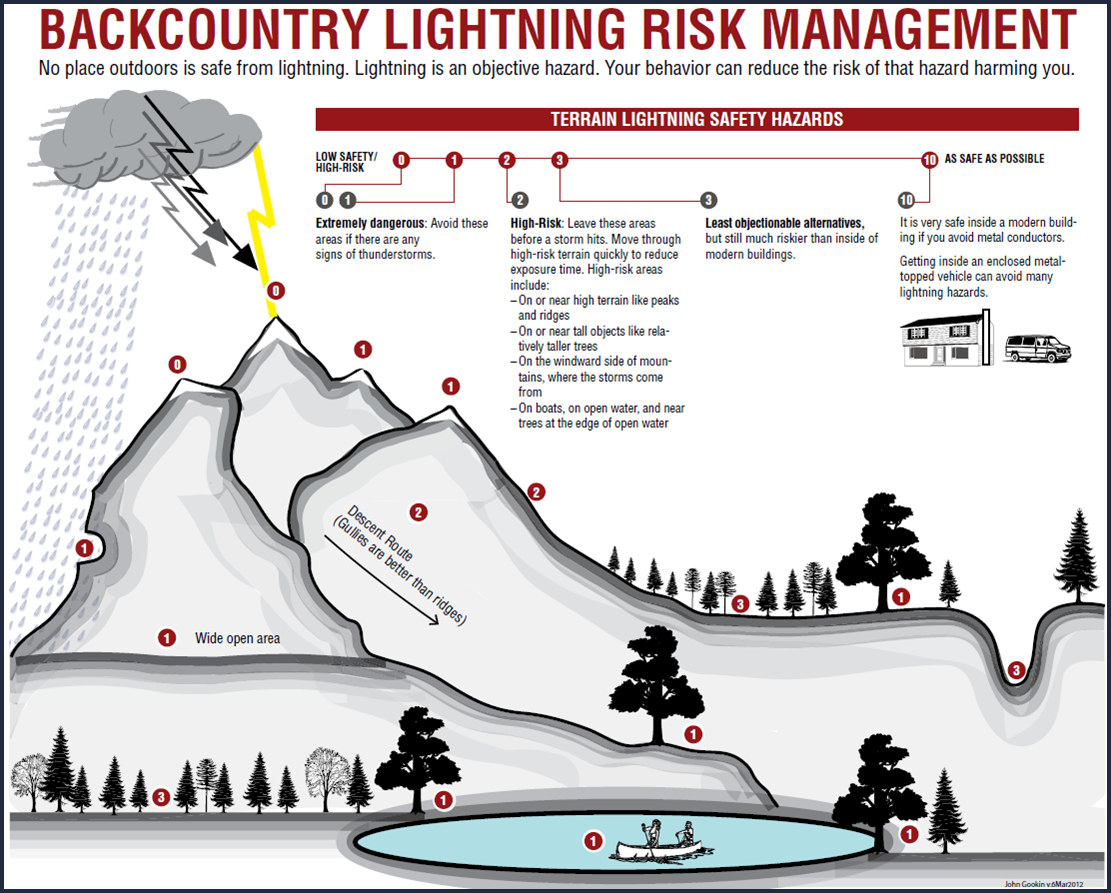
Trees attract lightning. Standing or camping near tall trees is dangerous. Find a low spot without tall objects around. Look for a small hill or a ditch. Avoid open areas with single tall trees. Stay at least 20 feet away from any tree. This lowers the chance of a lightning strike near you.
Avoiding Water And Open Fields
Water conducts electricity well. Rivers, lakes, and puddles are risky during storms. Stay away from all water bodies. Open fields leave you exposed. Lightning can strike flat, open ground easily. Find a place with some cover but no water nearby. This keeps you safer during heavy rain and lightning.
Keeping Electronics Protected
Electronics can get damaged by moisture and lightning. Store phones, cameras, and batteries inside waterproof bags. Keep them inside your tent or a dry backpack. Avoid using devices during the storm. Lightning can cause power surges. Protect your gear to avoid losing important data or tools.
Credit: www.nps.gov
Handling Tent And Equipment
Handling your tent and equipment during a thunderstorm is very important. A strong storm can damage your tent and soak your gear. Taking quick and smart actions can keep you safe and dry. Focus on securing your tent, managing water flow, and protecting your sleeping gear.
Securing The Tent
Start by checking all tent stakes. Push them deeper into the ground for better hold. Use extra guy lines to add stability. Tie them to nearby trees or heavy rocks. Make sure the tent fabric is tight. Loose fabric can flap and tear in the wind. Close all zippers to keep rain out.
Managing Water Drainage
Look around your tent for water paths. Dig small trenches if water pools near the tent. These will guide water away from your shelter. Avoid setting up your tent in low spots or ditches. Place rocks or logs near the tent edges to block water flow. Keep your tent floor dry by using a waterproof groundsheet.
Protecting Sleeping Gear
Keep sleeping bags inside waterproof stuff sacks. Store extra blankets in dry bags or plastic bags. Raise your gear off the ground if possible. Use a dry towel to wipe off any moisture inside the tent. Avoid opening the tent door too often. This keeps cold, wet air out and warmth in.
After The Storm
After a thunderstorm, the camping site needs careful attention. Safety and comfort depend on how you handle the aftermath. Check your surroundings and gear before moving or packing up. Taking the right steps helps you stay safe and enjoy the rest of your trip.
Inspecting For Damage
Look around your tent for any holes or tears. Check poles and stakes to see if they are bent or broken. Make sure the tent fabric is not soaked or weakened. Inspect nearby trees and branches for damage. Fallen limbs can be dangerous and should be avoided.
Drying And Ventilating Gear
Open your tent flaps to let air inside. Hang wet clothes and sleeping bags on a line or tree. Spread out your gear to dry faster. Keep your equipment in a sunny spot if possible. Dry gear prevents mold and keeps you warm at night.
Planning Safe Movement
Look carefully before walking outside your tent. Avoid areas with standing water or mud. Watch out for slippery rocks and roots. Choose clear paths away from damaged trees. Move slowly and stay alert for hazards around you.
Credit: www.columbia.com
Frequently Asked Questions
How Can I Stay Safe During A Thunderstorm While Tent Camping?
Seek shelter immediately, avoid tall trees, and stay low. Keep away from metal objects and water. Use a weather radio for updates.
What Should I Avoid When Camping In A Thunderstorm?
Avoid open fields, hilltops, and isolated trees. Do not touch metal poles or use electronic devices. Stay inside the tent away from the entrance.
Can I Use My Tent As Shelter In A Thunderstorm?
A tent offers minimal protection against lightning. Use it only as temporary shelter. Find a safer location like a car or sturdy building if possible.
How Do I Prepare My Campsite For A Thunderstorm?
Secure loose items, check drainage to prevent flooding, and set up away from water bodies. Keep emergency gear and a flashlight handy.
Conclusion
Staying safe during a thunderstorm is the top priority. Find a low spot away from tall trees and metal objects. Keep your tent zipped and avoid touching wet surfaces. Stay calm and wait for the storm to pass. Always check the weather forecast before camping.
Being prepared helps you enjoy your trip safely. Remember, nature can be unpredictable, so respect its power. Your safety comes first. Stay alert, stay dry, and stay safe.
