
Have you ever wondered if your tent could do more than just keep you dry on a camping trip? What if that simple shelter could help you grow plants and protect your garden?
Using a tent as a greenhouse might sound unusual, but it could be a clever way to extend your growing season and save money. You’ll discover how a tent can transform into a cozy home for your plants, what you need to consider, and the best tips to make it work.
Keep reading to find out if your tent has what it takes to become your garden’s new best friend!

Credit: www.youtube.com
Tent As A Greenhouse
Tents can serve as simple greenhouses. They create a warm, protected space for plants. This helps plants grow better in cold or windy weather. Using a tent as a greenhouse is an affordable and easy option for many gardeners.
Basic Concept
A tent traps heat and keeps plants safe. Sunlight passes through the tent material, warming the air inside. This warmth helps plants grow faster and stay healthy. The tent also blocks wind and pests. Proper ventilation is needed to avoid mold and overheating.
Types Of Tents Suitable
Clear or translucent tents work best as greenhouses. Pop-up tents with mesh windows allow air flow. Camping tents made of nylon or polyester can work if light passes through. Larger garden tents offer more space for plants. Avoid tents with thick, dark fabric that blocks sunlight.

Credit: www.amazon.com
Benefits Of Using A Tent
A tent can serve as a simple and effective greenhouse. It offers many advantages for growing plants. Using a tent helps create a controlled environment for your plants. It keeps the temperature stable and protects plants from harsh weather.
This approach works well for small gardens or beginner gardeners. It is easy to set up and manage. Here are some key benefits of using a tent as a greenhouse.
Cost-effectiveness
Tents are usually cheaper than traditional greenhouses. You do not need expensive materials or construction. Many tents are reusable and durable. This saves money over time. It allows gardeners to start growing plants without a big budget.
Portability And Flexibility
Tents are lightweight and easy to move. You can change their location as needed. This flexibility helps find the best sunlight or shelter spots. You can also store the tent when not in use. It fits well in small spaces and different garden sizes.
Protection From Elements
A tent shields plants from wind, rain, and pests. It creates a barrier against cold or hot weather. This protection helps plants grow healthy and strong. The tent’s cover keeps moisture in and harsh weather out. It reduces the risk of plant damage or disease.
Challenges And Limitations
Using a tent as a greenhouse seems simple. Yet, it has clear challenges and limits. These issues affect plant growth and overall success. Understanding them helps decide if a tent fits your needs.
Temperature Control
Tents do not keep temperature steady. They can get too hot in the sun. At night, they might become very cold. Plants need stable warmth to grow well. Without good control, plants may suffer or stop growing.
Ventilation Issues
Tents often lack proper airflow. Poor ventilation causes humidity to build up inside. High moisture can lead to mold and plant diseases. Fresh air is vital to keep plants healthy. A tent must have openings for air to move freely.
Durability Concerns
Tents are not made for long-term use outdoors. Wind, rain, and sun weaken tent material quickly. Tears or holes let pests and weather damage plants. A greenhouse needs strong, lasting materials to protect plants year-round.
Modifications For Greenhouse Use
Using a tent as a greenhouse needs some changes. These changes help plants grow better inside the tent. Simple steps can turn a tent into a good space for plants.
Adding Transparent Covers
Clear plastic sheets are the best choice for covering the tent. They let sunlight in while keeping warmth inside. Attach the plastic tightly to stop cold air from coming in. Use clips or tape to hold the cover in place. This helps plants get enough light and stay warm.
Improving Ventilation
Air must move inside the tent to stop heat from building up. Open windows or vents help fresh air come in. You can cut small holes and cover them with mesh to keep bugs out. Use a small fan to help air flow on hot days. Good air stops mold and keeps plants healthy.
Reinforcing Structure
Tents are not very strong for long use as greenhouses. Add extra poles or sticks inside to make the frame stronger. Use ropes or straps to hold the tent steady in wind. Make sure the tent stays firm when it rains or snows. A strong tent protects plants better.
Comparing Tents To Traditional Greenhouses
Using a tent as a greenhouse is an interesting idea. Both tents and greenhouses create controlled spaces for plants. Yet, they differ in many ways. Comparing tents to traditional greenhouses helps you decide which suits your needs best.
Cost Comparison
Tents usually cost less than traditional greenhouses. You can buy a tent for a fraction of the price. Greenhouses require materials like glass or polycarbonate, which are costly. Tents use fabric or plastic, making them cheaper. Setting up a tent is faster and often needs fewer tools. Greenhouses may need a professional for installation, adding to the cost.
Efficiency And Growth Outcomes
Greenhouses provide better control of temperature and humidity. They trap heat effectively, creating ideal plant conditions. Tents offer some protection but lose heat faster. Light transmission is clearer in greenhouses, helping plants grow well. Tents can work but may not support all plant types. For serious gardeners, greenhouses often yield better results.
Maintenance Requirements
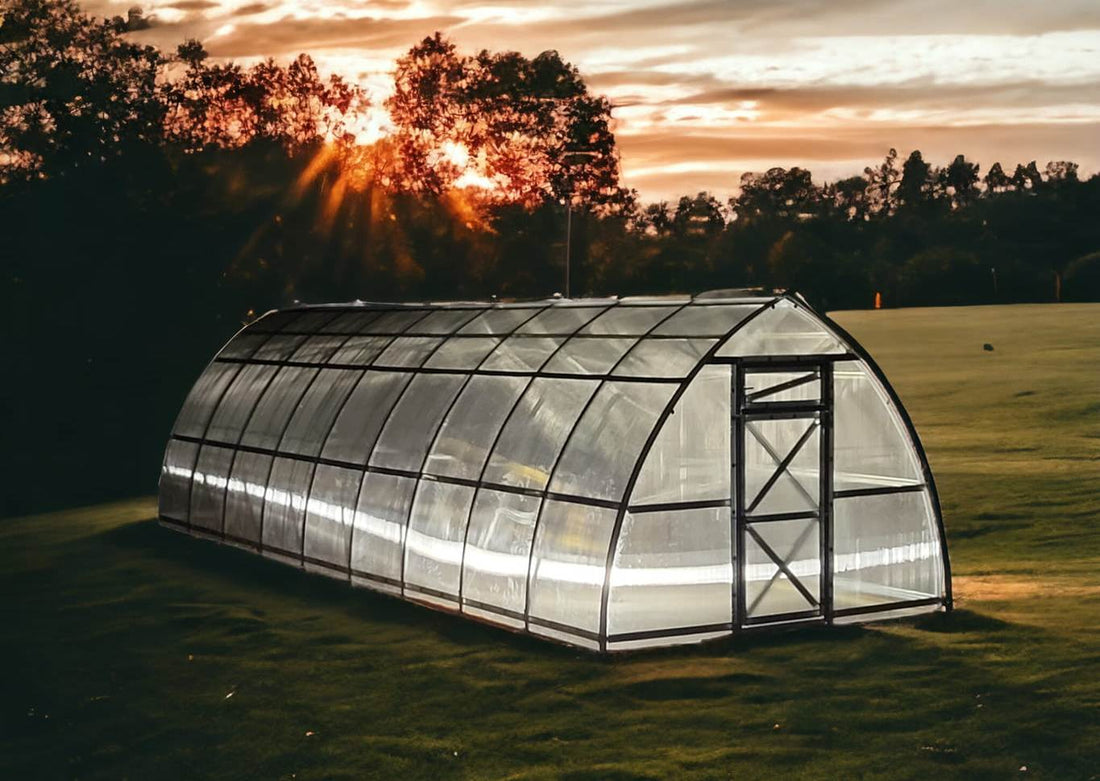
Tents require less maintenance due to simple materials. You can easily clean and fold a tent. Greenhouses need regular cleaning to avoid mold and algae. Repairs in greenhouses can be costly and time-consuming. Tents might wear out quicker but are easy to replace. Both need attention to keep plants healthy.
Credit: novagreenhouses.com
Practical Tips For Gardeners
Using a tent as a greenhouse can help protect plants and extend growing seasons. It is important to know how to choose and set up the tent properly. Monitoring the environment inside the tent keeps plants healthy. Follow these practical tips to get the best results.
Choosing The Right Tent
Select a tent made of clear or translucent material. This lets sunlight enter for photosynthesis. The tent should be large enough for your plants and allow air circulation. Look for tents with sturdy frames to hold up in wind or rain. Avoid tents with dark or opaque fabric that block light.
Placement And Setup
Place the tent in a sunny spot with at least six hours of light daily. Avoid shaded or windy areas. Set up the tent on level ground to keep water from pooling. Make sure the tent doors can open fully for easy access. Use weights or stakes to secure the tent firmly to the ground.
Monitoring And Adjusting Conditions
Check temperature and humidity inside the tent daily. Plants grow best between 65°F and 75°F. Use a small fan to improve air circulation and reduce mold risk. Open tent flaps during hot days to prevent overheating. Water plants carefully to avoid excess moisture inside the tent.
Frequently Asked Questions
Can A Tent Function Effectively As A Greenhouse?
Yes, a tent can work as a greenhouse by trapping heat and humidity. Proper ventilation and light access are essential for plant growth inside the tent.
What Materials Make A Tent Suitable For Greenhouse Use?
Clear plastic or polyethylene tents are best. They allow sunlight in and help maintain warmth and moisture for plants.
How Do I Control Temperature Inside A Tent Greenhouse?
Use ventilation openings and shade cloths to regulate temperature. Monitor the tent regularly to prevent overheating or excessive humidity.
Can I Grow Vegetables In A Tent Greenhouse?
Absolutely, tents can support vegetable growth if plants get enough light, water, and warmth. Choose compact or small vegetable varieties for best results.
Conclusion
A tent can work as a simple greenhouse for small plants. It helps keep warmth and protects plants from wind and rain. Ventilation is important to stop too much moisture inside. Use clear plastic or a tarp for better sunlight.
This setup suits short-term or beginner gardening. For bigger gardens, a real greenhouse is better. Trying a tent greenhouse can be a fun, low-cost way to grow plants. It offers a chance to learn and see what works best. Give it a try and watch your plants grow.
