
Have you ever wondered what a tent really means in the Bible? It’s more than just a simple shelter or a place to rest.
A tent carries deep, powerful meanings that can touch your faith and your life in surprising ways. Understanding what a tent represents can open your eyes to new lessons and insights hidden in the Scriptures. Keep reading, and you’ll discover how this humble object connects to God’s presence, protection, and your spiritual journey.

Credit: biblestudentsdaily.com
Symbol Of God’s Presence
The tent in the Bible often shows God’s presence with His people. It is not just a shelter. It is a sign that God lives among them. The tent symbolizes closeness and protection from God. It reminds people that God is near and cares for them.
This idea appears many times in the Bible. God uses a tent to show His home on earth. This helps people feel safe and loved. The tent is a visible proof of God’s promise to be with His people.
The Tabernacle As A Dwelling
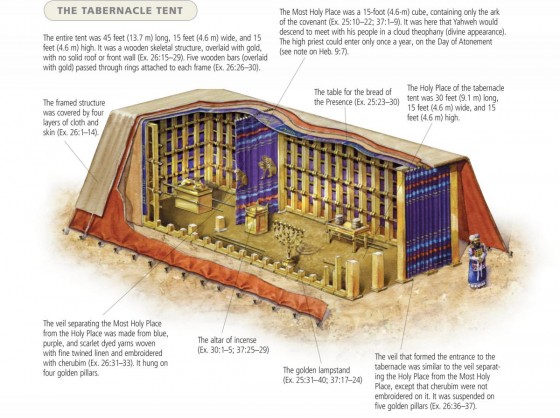
The tabernacle was a special tent made for God’s presence. It was the center of worship for the Israelites. God told Moses to build it carefully. This tent was where God met His people.
The tabernacle had holy places inside. Only priests could enter some parts. This showed God’s holiness and the need for respect. The tent made God’s presence real and clear.
God’s Covenant With His People
The tent also reminds us of God’s covenant with Israel. It shows God’s promise to stay with His people. God said He would guide and protect them.
The tent was a sign of this agreement. It stood as a constant reminder of God’s faithfulness. People saw that God kept His word by living among them.
Sign Of Temporary Shelter
The tent in the Bible often shows something temporary. It is not a permanent home. Instead, it represents a shelter used for a short time.
This idea helps us understand life and faith. It reminds us that life on earth is brief and always changing. The tent stands for a place where people stay while they travel or wait.
Life As A Pilgrimage
The Bible describes life as a journey. People are like travelers moving through this world. The tent is a resting spot, not a final stop.
It shows that believers are on a path toward a better place. The tent reminds them to keep moving forward. It points to a future home beyond this life.
Human Frailty And Transience
The tent also teaches about human weakness. It is easy to damage or lose a tent. This shows how fragile life can be.
Our time here is short and not fully safe. The tent encourages humility. It reminds people to trust God, who is strong and eternal.
Representation Of Worship
The tent in the Bible often symbolizes worship. It shows how people connect with God. Worship is more than words. It is a place and an act. The tent stands as a symbol of this sacred connection.
Sacred Spaces And Rituals
The tent represents a holy place. It is where God’s presence dwells among people. People perform rituals inside the tent. These acts show respect and devotion. The tent marks a special area set apart from daily life. It is where prayers, offerings, and sacrifices happen. This sacred space helps believers focus on God.
Community Gatherings
The tent serves as a meeting place for the faithful. It gathers people for worship and celebration. This place builds unity and shared faith. Worship in the tent strengthens community bonds. It reminds everyone they belong to God’s family. The tent is a symbol of shared belief and support.
Credit: www.thegospelcoalition.org
Metaphor For The Body And Spirit
In the Bible, a tent often symbolizes the human body. It shows how our physical life is temporary and fragile.
Just like a tent, our body shelters our inner self or spirit. The spirit is the true, lasting part of a person.
This metaphor helps us understand the difference between the body and the soul. The body is like a home we live in for a while. The spirit is what lives on beyond this life.
Paul’s Letters On The Tent
Paul uses the tent image in his letters to explain the body and spirit. He calls the body a “tent” that will be replaced.
Paul says our earthly body is weak and temporary. He promises a new, stronger body after death.
In 2 Corinthians 5:1, Paul writes about a “house not made with hands.” This means a new, eternal body given by God.
Mortality And Eternal Hope
The tent shows human life’s temporary nature. It reminds us that our body will fade away.
At the same time, it points to hope beyond this life. The spirit lives on, never destroyed.
This metaphor encourages believers to focus on eternal life. The body may die, but the spirit will live forever with God.
Connection To Promise And Hope
The tent in the Bible often stands for more than a simple shelter. It shows a deep connection to promise and hope. Tents remind us of a journey, a temporary home on the way to something better. They symbolize trust in God’s plan and the future He promises.
In Bible stories, tents represent faith in what is to come. They are a sign of patience and belief that God will fulfill His promises. This idea gives people strength and comfort during hard times.
Journey To The Promised Land
Tents were homes for the Israelites as they traveled. Their journey to the Promised Land was long and difficult. Tents showed they were not yet settled but moving forward. Each tent was a sign of hope and trust in God’s promise. It reminded them that better days were ahead. The temporary nature of tents reflected their life in the wilderness. They looked forward to the land God had prepared for them.
Future Heavenly Dwelling
The Bible also uses tents to describe our future home with God. Earthly tents show our body’s temporary nature. Our true home is a permanent place in heaven. This hope comforts believers facing life’s challenges. The tent points to a future without pain or death. It reminds us that God’s promise is sure. Our final dwelling will be safe and eternal.

Credit: bible.art
Frequently Asked Questions
What Does A Tent Symbolize In The Bible?
In the Bible, a tent symbolizes God’s presence and protection. It often represents a temporary dwelling for His people during their journey. Tents highlight human life’s transient nature and reliance on divine guidance.
Why Were Tents Important In Biblical Times?
Tents were vital as portable homes for nomadic tribes. They allowed Israelites to travel and worship God during their desert wanderings. Tents also signified community and covenant relationships with God.
How Is The Tabernacle Related To Biblical Tents?
The tabernacle was a sacred tent where God dwelled among Israelites. It served as a mobile sanctuary for worship and sacrifices. The tabernacle symbolizes God’s constant presence and guidance.
What Does A Tent Teach About Faith In The Bible?
A tent teaches believers about trust in God’s provision and protection. It reminds us that life is temporary and dependent on God. Tents encourage spiritual reliance and hope in God’s promises.
Conclusion
A tent in the Bible shows God’s presence and protection. It reminds us of a safe place during hard times. Tents also mean faith and trust in God’s plan. People lived in tents while traveling, symbolizing life’s journey. This simple shelter teaches us about hope and connection with God.
Understanding this helps us see deeper meaning in biblical stories. The tent stands for God’s care and our spiritual journey. It invites us to trust and find peace in Him. A small tent, but a big symbol.
