
Are you planning a camping trip in bear country but worried about your safety? You’re not alone.
Tent camping near wild bears can feel risky, and that fear might stop you from enjoying the great outdoors. But what if you knew the simple steps to protect yourself and your gear? What if camping in bear territory could be safe—and even fun?
Keep reading to discover how you can stay safe, avoid dangerous encounters, and make the most of your camping adventure without constant worry. Your peace of mind starts here.
Credit: wgfd.wyo.gov
Bear Country Basics
Tent camping in bear country needs care and knowledge. Bears are powerful animals. They live in many forest and mountain areas. Knowing where bears live helps you stay safe. Understanding bear types also guides your camping habits.
Respect and caution make your camping trip safe and fun. Learn the basics of bear country before you pack your tent and gear. This knowledge protects you and the bears.
Where Bears Live
Bears live mainly in forests, mountains, and near rivers. They like places with plenty of food and water. Many bears roam in national parks and wilderness areas. They often come near campsites if food smells attract them. Camping far from bear habitats lowers risk. Still, always be ready and alert.
Types Of Bears To Know
There are two main bears to know: black bears and grizzly bears. Black bears are smaller and more common. They eat plants, insects, and small animals. Grizzly bears are bigger and more aggressive. They live mostly in western North America. Each bear type acts differently around humans. Knowing their habits helps you avoid danger.
Credit: wgfd.wyo.gov
Risks Of Tent Camping
Tent camping in bear country involves certain risks that every camper should know. Bears are wild animals with strong instincts. They can be curious or defensive around humans. Understanding these risks helps campers stay safe and enjoy nature.
Camping in a tent means you share close space with wildlife. This increases the chance of encounters with bears. Knowing what to expect can reduce fear and prepare you better for your trip.
Common Bear Encounters
Bears often come near campsites searching for food. They may sniff around tents or try to open coolers. Sometimes, bears visit at night when campers are asleep. Campers might see bears from a distance during hikes too.
Bears usually avoid humans but may approach if food smells are strong. They can be curious about smells from cooking or garbage. Bears also mark territory, which can lead to sudden close encounters.
Potential Dangers
Bears can cause injuries if they feel threatened or cornered. A surprised bear may charge or attack to defend itself. Food left inside tents can attract bears and increase danger. Bears can also damage tents or camping gear while searching for food.
Sleeping in a tent gives little protection against a bear. Bears have strong claws and teeth that can tear through fabric. Loud noises or sudden movements might provoke a bear to react aggressively. Understanding these dangers helps campers take proper safety steps.
Choosing A Safe Campsite
Choosing a safe campsite is key for tent camping in bear country. A good spot reduces risks and keeps you safer. Think about where bears live and move.
Pick a place that is quiet and away from bear food sources. Study the area for signs of bears before setting your tent. Safety starts with the right location.
Ideal Locations
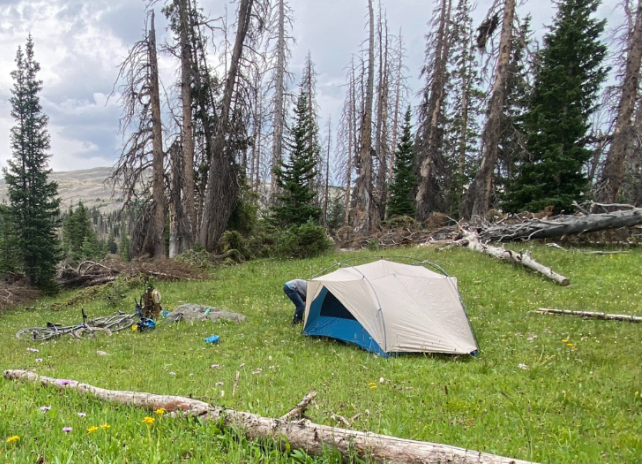
Find flat, open ground for your tent. Avoid dense bushes or thick trees nearby. These spots hide bears well and limit your view.
Near water is good, but not too close. Bears visit water to drink. Keep some distance to avoid surprise encounters.
Choose places with clear sightlines. You want to see animals or people coming. This gives you time to react.
Avoiding Bear Paths
Bears follow trails to find food or water. These paths are often worn and easy to spot.
Do not camp near animal tracks or scat. These signs show bear activity. Stay far from berry patches or carcasses too.
Check for fallen logs or broken branches. Bears use these to mark territory. Set your campsite away from these areas.
Food Storage Tips
Food storage is very important when camping in bear country. Bears have a strong sense of smell and can be attracted by food easily. Storing food properly helps keep bears away from your tent. It also keeps you safe and reduces the chance of a bear encounter. Follow these tips to store your food correctly.
Using Bear-resistant Containers
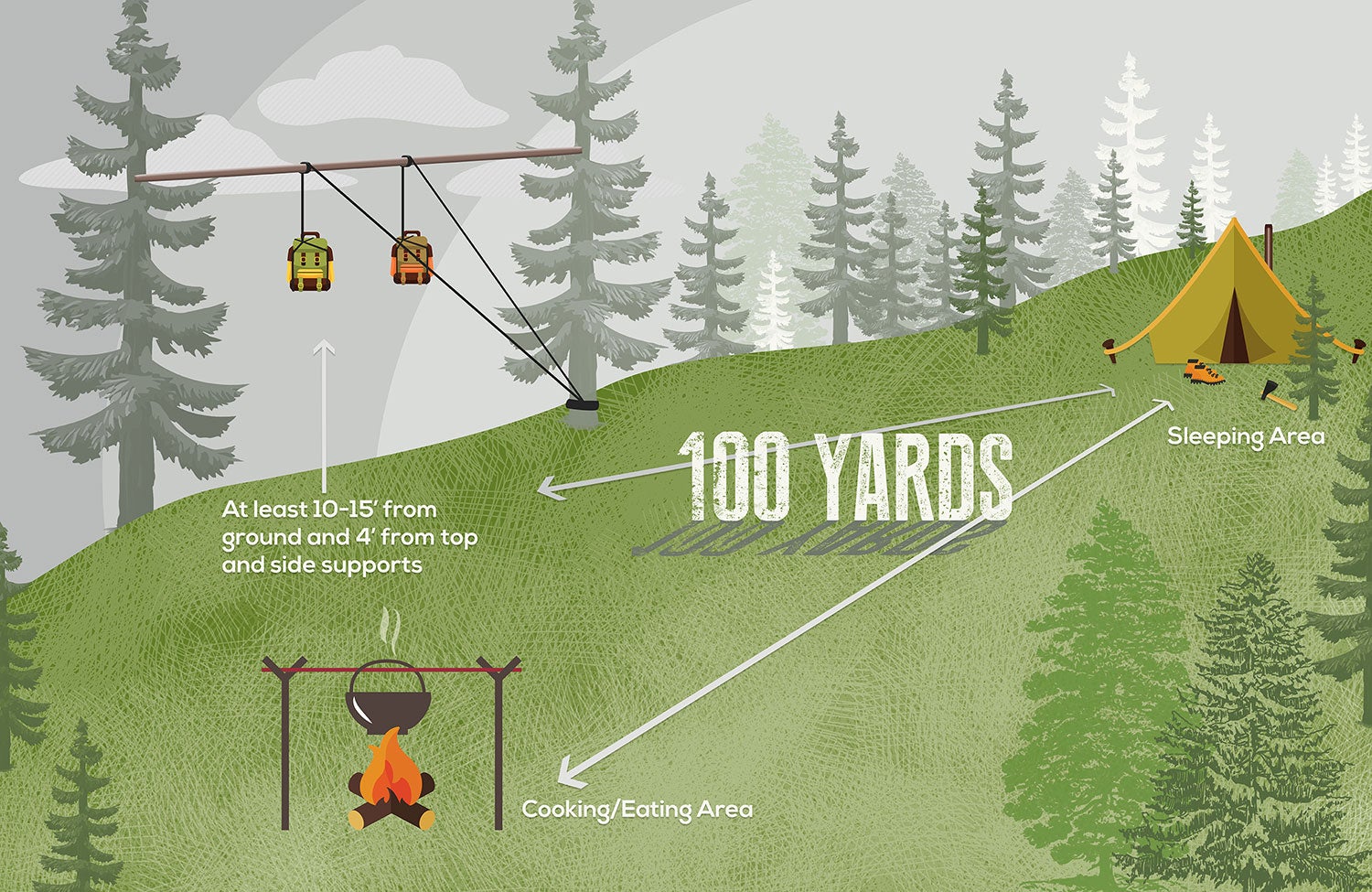
Bear-resistant containers are made to keep bears from getting your food. They are hard and strong. Bears cannot open them. Use these containers to store all your food and snacks. Keep the container closed tightly at all times. Place the container away from your tent, at least 100 feet if possible. This keeps the smell far from where you sleep.
Keeping Campsite Clean
Cleanliness is key in bear country. Throw away food scraps and trash immediately. Use sealed bags or containers for garbage. Do not leave food or cooking gear out overnight. Wash dishes and cooking tools right after use. Keep all scented items, like toothpaste and soap, inside bear-proof containers or hung away. A clean campsite does not attract bears.
Bear Deterrents And Safety Gear
Camping in bear country requires extra care. Carrying the right bear deterrents and safety gear can protect you. These tools help keep bears away and give you time to react. Understanding how to use them is key for safety.
Bear Spray Usage
Bear spray is a must-have for camping in bear areas. It can stop a bear from coming too close. Hold the spray ready in your hand, not in your pack. Aim for the bear’s face if it approaches. Spray in a strong wind only if you have no other choice. Practice using the spray before your trip. Know how to unlock and spray quickly. Remember, bear spray is a defense, not a toy.
Noise Makers And Other Tools
Bears dislike loud noises. Noise makers scare bears away before they get close. Use bells, air horns, or talking loudly while hiking. Carry a whistle for emergencies. Flashlights and headlamps can also help at night. Keep food sealed and away from your tent. Use bear-proof containers to avoid attracting bears. These tools reduce surprise encounters and increase your safety.
Credit: www.xoverland.com
Behavior Around Bears
Tent camping in bear country requires careful behavior to stay safe. Bears usually avoid people but can act if surprised or threatened. Knowing how to behave around bears helps prevent problems. Staying calm and respecting their space is key.
What To Do If You See A Bear
Stop and stay calm. Do not run or make sudden moves. Speak softly to let the bear know you are human. Slowly back away without turning your back. Keep your eyes on the bear but avoid direct staring. Give the bear plenty of room to leave.
How To React During An Encounter
Do not scream or wave your arms wildly. Stand your ground and make yourself look bigger. Raise your arms or hold your jacket over your head. Use a firm, calm voice to talk to the bear. If the bear approaches, slowly move away sideways. Carry bear spray and use it only if the bear gets very close.
Camping Regulations In Bear Areas
Camping in bear country requires careful attention to safety rules. Authorities set camping regulations to protect both campers and bears. These rules help prevent dangerous encounters and keep wildlife safe. Following them is key for a safe outdoor experience. Understanding local regulations and permits helps campers prepare properly.
Local Rules And Guidelines
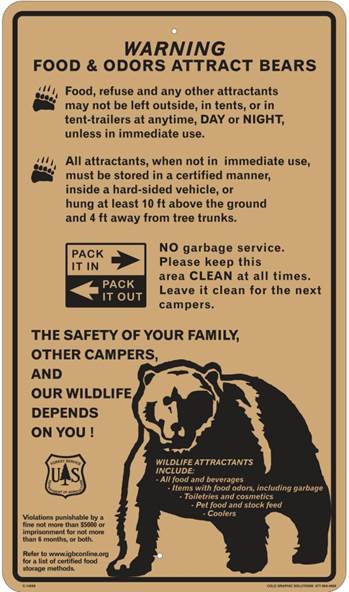
Each park or forest area has its own rules for camping in bear country. Campers must store food in bear-proof containers. Leaving food out can attract bears to campsites. Many areas require cooking and eating away from tents. Noise and lights may also be restricted at night. Respecting these guidelines reduces risks and helps keep bears wild.
Permits And Restrictions
Some bear areas need special permits to camp overnight. Permits limit the number of campers and protect sensitive habitats. Certain zones may be off-limits during bear mating or feeding seasons. Campers must check permit requirements before arrival. Following restrictions ensures safety and preserves nature for future visitors.
Frequently Asked Questions
Is Tent Camping Safe In Bear Habitats?
Tent camping in bear habitats is safe if proper precautions are taken. Store food securely and use bear-proof containers. Avoid cooking near your tent. Stay alert and follow local wildlife guidelines to minimize encounters. Respect bears’ space and never feed them.
How To Store Food Safely While Tent Camping?
Store food in bear-resistant containers or hang it 10 feet off the ground. Keep food away from your tent. Clean up cooking areas thoroughly. This prevents attracting bears to your campsite and reduces the risk of dangerous encounters during your trip.
What Should I Do If I See A Bear Near My Tent?
Stay calm and do not run. Speak softly and slowly back away. Make yourself look bigger by raising your arms. Carry bear spray and know how to use it. Report the sighting to park authorities immediately for safety.
Can Noise Prevent Bear Encounters While Camping?
Yes, making noise while hiking or around your campsite alerts bears of your presence. Talk loudly or use bells to avoid surprising bears. Bears usually avoid humans if they hear them coming, reducing the risk of close encounters.
Conclusion
Tent camping in bear country can be safe with the right steps. Keep food away from your tent and use bear-proof containers. Always make noise to avoid surprising bears. Stay alert and respect their space. Remember, bears usually avoid people if given a chance.
Follow local rules and park guidelines closely. Camping here offers a great adventure but needs care. Safety depends on how prepared and aware you stay. Enjoy nature, but never forget the risks. Stay smart, stay safe, and enjoy your trip.
