
Hiking in the wilderness can be an amazing experience, but what if you suddenly come face-to-face with a mountain lion? It’s a situation that can make your heart race and your mind go blank.
Knowing exactly what to do in that moment can keep you safe and calm. You’ll learn clear, simple steps to protect yourself if you ever encounter a mountain lion while hiking. Keep reading—your safety might depend on it.
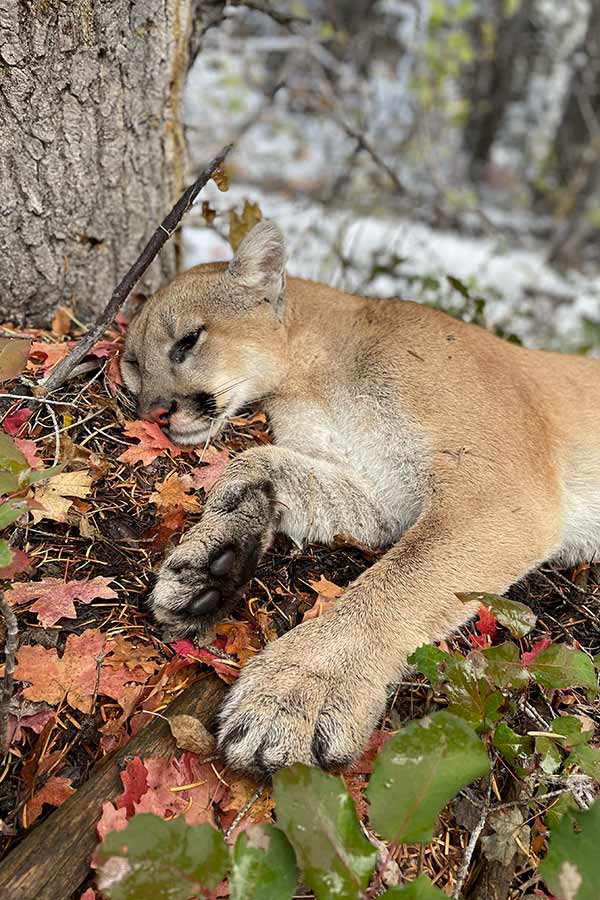
Credit: wildlife.utah.gov
Recognize Mountain Lion Behavior
Recognizing mountain lion behavior helps keep hikers safe. Understanding their signs and actions gives you a better chance to respond well. Mountain lions are shy but can be dangerous if surprised or threatened.
Learn how to spot signs of their presence. Watch their typical actions. This knowledge helps you stay calm and act wisely.
Signs Of Mountain Lion Presence
Look for large paw prints with four toes. You might see scratch marks on trees. These marks show where mountain lions sharpen their claws.
Scat or droppings can also reveal their presence. It usually contains hair or bones from prey. Listen for unusual animal sounds or silence; animals often stop moving if a predator is near.
Typical Mountain Lion Actions
Mountain lions usually avoid people. They move quietly and try to stay hidden. If spotted, they may freeze and watch you carefully.
A mountain lion may follow from a distance. It might make low growls or hisses if it feels threatened. They rarely attack without provocation but stand their ground if cornered.

Credit: www.latimes.com
Immediate Steps If You Spot A Mountain Lion
Spotting a mountain lion while hiking can be scary. Knowing the right steps helps keep you safe. Stay calm and act carefully. Quick, clear actions reduce danger and give you a better chance to stay safe.
Stay Calm And Avoid Running
Do not run or turn your back. Running might trigger the mountain lion’s chase instinct. Take slow, deep breaths. Keep your eyes on the animal without staring aggressively. Staying calm shows you are not prey.
Make Yourself Appear Larger
Raise your arms or open your jacket wide. Stand tall and look as big as possible. Speak loudly and firmly to show confidence. Use a stick or backpack to add size. Bigger size can scare the mountain lion away.
Slowly Back Away
Move backward slowly without sudden moves. Keep facing the mountain lion while you retreat. Do not turn your back or run. Find a safe place like a tree or rock to put between you and the animal. Slow steps help avoid provoking an attack.
Handling Aggressive Mountain Lion Encounters
Handling aggressive mountain lion encounters requires calm and quick action. These animals rarely attack, but knowing how to react is vital. Staying safe depends on making the lion see you as a threat, not prey. Act strong and confident to keep control of the situation.
Do not run or turn your back. Running might trigger the mountain lion’s chase instinct. Instead, stand tall and prepare to defend yourself if needed. Your goal is to scare the animal away without getting hurt.
Use Loud Noises And Eye Contact
Make loud noises to scare the mountain lion. Shout, clap your hands, or bang objects together. Noise shows you are not easy prey. Keep eye contact with the lion at all times. Do not look away or blink too much. Eye contact signals you are alert and ready to defend yourself.
Raise your arms or open your jacket to look bigger. This can intimidate the mountain lion. Stay firm and do not crouch or turn sideways. These actions can make you look weak or scared.
Defend Yourself If Attacked
Use anything you have to protect yourself. A hiking stick, rocks, or backpack can help. Aim for the mountain lion’s face and eyes. Hit hard and keep fighting. Do not give up or show fear.
Try to stay standing. Do not lie down or curl into a ball. Fight back with all your strength. Mountain lions often stop attacks if the prey fights back strongly. Your goal is to survive and escape safely.
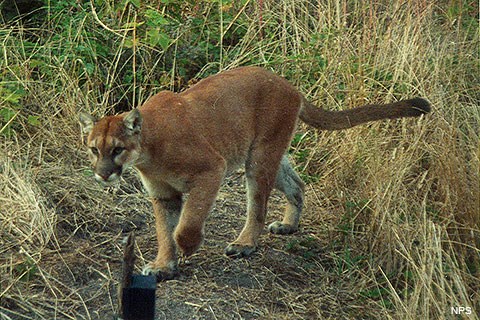
Credit: www.nps.gov
Precautions Before Hiking In Mountain Lion Territory
Hiking in areas where mountain lions live requires careful planning. Taking safety steps before the hike helps reduce risks. Understanding how to act can keep everyone safe during the adventure.
Travel In Groups
Mountain lions usually avoid groups of people. Hiking with others makes you look bigger and louder. Groups also help spot danger early. Stay close and keep your group together at all times.
Keep Children Close
Children can attract mountain lions because they are smaller. Always hold their hands or keep them near. Teach children to stay calm and not run. Running can trigger a mountain lion’s chase instinct.
Avoid Hiking At Dawn Or Dusk
Mountain lions are most active early morning and late evening. Plan your hike during daylight hours only. Avoid trails during low light times. This reduces the chance of surprise encounters.
Essential Gear For Mountain Lion Safety
Mountain lion safety starts with carrying the right gear. Proper tools increase your chances of staying safe during an encounter. Prepare yourself with items designed to deter mountain lions and alert others to danger.
Carry Bear Spray Or Deterrents
Bear spray works well against mountain lions. It can stop a lion by irritating its eyes and nose. Keep the spray easy to reach. Practice using it before your hike. Other deterrents, like pepper spray, also help. They create a strong smell and sting that drive the animal away.
Use Whistles Or Air Horns
Whistles and air horns make loud noises. These sounds can scare mountain lions off quickly. Carry a whistle or small air horn on your pack. Blow it loud if you see a lion nearby. Loud sounds confuse or frighten the animal. This can give you time to move away safely.
Reporting And Following Up After An Encounter
Reporting and following up after a mountain lion encounter helps keep hikers safe. It alerts park officials and local authorities about the animal’s presence. Sharing details can prevent future incidents. It also helps experts study mountain lion behavior near hiking trails.
Who To Contact
Contact the park ranger station or local wildlife agency first. They track animal sightings and update safety warnings. Call emergency services if the encounter involved danger or injury. Provide your location and details about the mountain lion. Reporting quickly helps officials act fast to protect hikers.
Sharing Your Experience
Describe what happened clearly and calmly. Include the time, place, and animal behavior. Mention your actions during the encounter. Your story guides others to stay cautious. It also aids wildlife experts in understanding mountain lion patterns. Sharing helps build safer hiking environments for everyone.
Frequently Asked Questions
What Should I Do If I See A Mountain Lion Hiking?
Stay calm, face the lion, and make yourself look bigger. Slowly back away without turning your back or running.
How Can I Protect Myself From Mountain Lion Attacks?
Carry bear spray, hike in groups, and avoid dusk or dawn hiking. Make noise to alert wildlife of your presence.
Is It Safe To Run From A Mountain Lion?
No, running may trigger a mountain lion’s chase instinct. Instead, maintain eye contact and back away slowly to avoid provoking it.
What Noises Deter A Mountain Lion During An Encounter?
Loud shouting, clapping, or using a whistle can scare a mountain lion. Use any noise-making device to appear threatening and protect yourself.
Conclusion
Mountain lion encounters can feel scary and confusing. Stay calm and keep your eyes on the animal. Slowly back away without turning your back or running. Make yourself look bigger by raising your arms or jacket. Speak loudly and firmly to show you are not prey.
Carrying noise makers or bear spray helps in wild areas. Respect their space and avoid hiking alone at dawn or dusk. Being prepared and aware keeps you safer on mountain trails. Stay alert and enjoy nature with confidence.
