
Are you confused about the difference between hiking and backpacking? You’re not alone.
Both involve walking through nature, but they are quite different experiences. Knowing what sets them apart can help you choose the right adventure for your next trip. You’ll discover the key differences that make hiking and backpacking unique. By the end, you’ll feel confident about which activity fits your style and what to expect.
Ready to find out more? Keep reading!
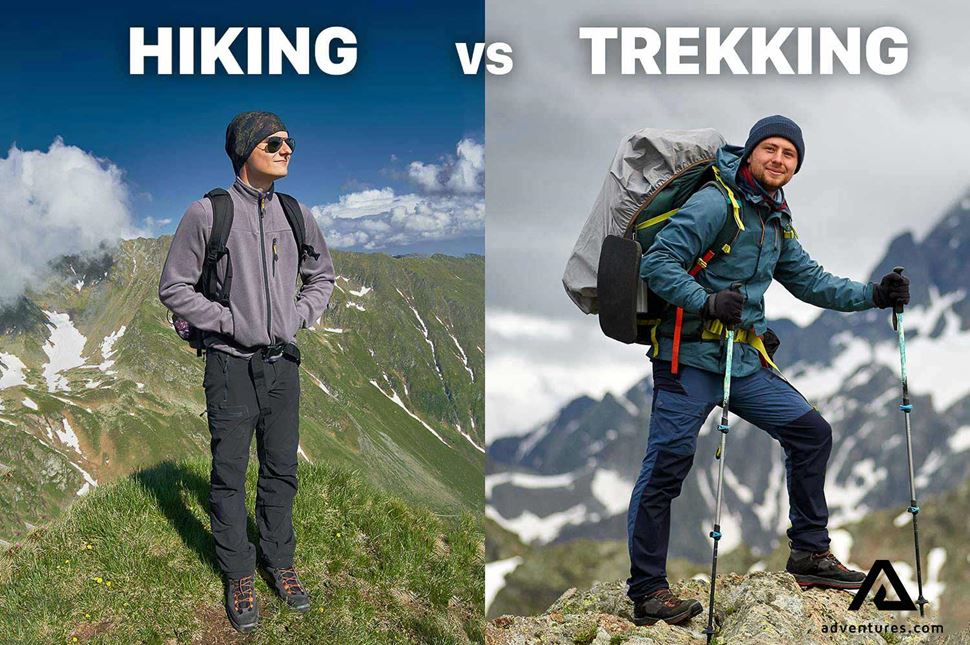
Credit: adventures.com
Hiking Basics
Hiking is a popular outdoor activity that many enjoy for exercise and nature. It involves walking on trails or paths, usually for a few hours. Hiking helps improve fitness and offers a chance to see beautiful landscapes. Understanding the basics of hiking can help beginners get started safely and enjoy the experience.
Day Trips And Trails
Hiking usually means short trips that last a few hours or a whole day. Trails vary from easy, flat paths to steep, rocky climbs. Most trails have clear signs and are well-maintained. Day trips let hikers return home the same day without carrying heavy gear.
Essential Gear
Hiking requires simple gear. Comfortable shoes or boots protect your feet. A small backpack holds water, snacks, and a map. Dress in layers to adjust to weather changes. A hat and sunscreen help prevent sunburn. Carry a first aid kit for minor injuries.
Physical Demands
Hiking needs moderate fitness. Walking on trails uses leg muscles and improves endurance. Some hikes may be easy, while others are more challenging. Walking uphill or on uneven ground requires more strength. Hikers should start with easy trails and increase difficulty slowly.
Backpacking Essentials
Backpacking requires careful planning and the right gear. It differs from hiking because you carry all your supplies. Knowing what to bring helps you stay safe and comfortable. Here are the key backpacking essentials that make multi-day trips possible.
Multi-day Journeys
Backpacking trips last several days or more. You sleep outside, often in a tent or shelter. Carry food, water, and clothes for each day. Plan your route and campsites ahead. Prepare for changing weather and rough terrain.
Packing Strategies
Pack light but smart. Use a backpack that fits well and holds all gear. Organize items by use and weight. Keep heavy things close to your back. Carry essentials like a first aid kit, map, and flashlight.
Camp Setup
Setting up camp is part of backpacking. Find a flat, safe spot to pitch your tent. Use a sleeping bag suited for the weather. Keep food away from animals. Set up a small cooking area if needed.
Gear Comparison
Gear plays a big role in both hiking and backpacking. Choosing the right equipment makes the trip safer and more fun. Both activities need different gear because they have different goals and lengths.
Backpacking gear focuses on carrying all essentials for several days. Hiking gear usually supports shorter trips with less weight. Understanding these differences helps you pack smart and enjoy your adventure.
Backpacks And Load
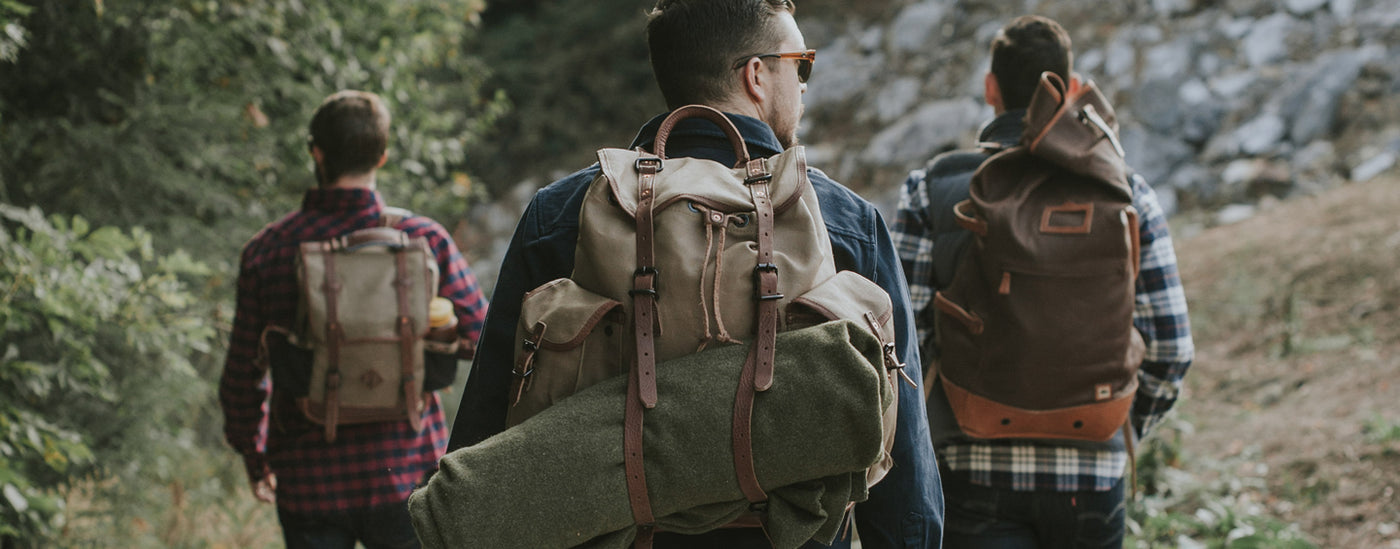
Backpacking requires a large backpack. It must hold a tent, sleeping bag, food, and clothes. These packs often have strong frames and many pockets. Hiking uses smaller daypacks. They carry water, snacks, and a few extras. Hiking packs weigh less and are easier to move with.
Clothing Choices
Backpackers wear layers for changing weather on long trips. Clothes must dry quickly and keep warmth. Durable and versatile clothes are best. Hikers focus on comfort and breathability. They choose lighter clothes for short time outdoors. Both need good shoes to protect feet on rough paths.
Navigation Tools
Backpackers carry detailed maps and GPS devices. They plan routes carefully for multi-day travel. Backup tools like compasses are common. Hikers often use simple maps or smartphone apps. They rely on marked trails and signs. Safety gear depends on trip length and remoteness.
Credit: buffalojackson.com
Skill Requirements
Hiking and backpacking need different skills. Both require some basic knowledge. But backpacking asks for more skills. You carry your gear and camp for days. Hiking usually means a shorter trip. You return to your car or home the same day. Skills help keep you safe and enjoy your trip.
Navigation Skills
Hiking needs simple navigation. Trails are often marked well. You follow signs or maps. Backpacking requires strong navigation skills. You travel far from marked paths. Reading a compass and map is important. GPS devices help but don’t rely only on them.
Survival Techniques
Hiking needs basic survival knowledge. Know how to stay safe and find help. Backpacking requires more skills. You carry food, water, and shelter. Learn how to build a fire and find water. Knowing first aid is very important.
Physical Fitness
Hiking needs moderate fitness. You walk on trails, sometimes uphill. Backpacking requires higher fitness. Carrying a heavy backpack can be hard. You walk many miles with gear. Training your body helps avoid injuries and enjoy the trip.
Environmental Impact
Hiking and backpacking affect nature differently. Both activities leave footprints on the environment. Understanding these impacts helps protect our trails and wild places. Careful actions keep nature safe for everyone.
Trail Preservation
Hiking usually means short trips on marked paths. These trails get heavy use and can wear down quickly. Backpacking involves longer trips, often off the beaten path. This can cause soil erosion and damage plants.
Sticking to trails reduces harm. Walking on wet or soft ground causes more damage. Trail preservation means using paths wisely. It protects soil, plants, and animal homes from harm.
Leave No Trace Principles
Leave No Trace means leaving nature as you found it. It guides both hikers and backpackers to minimize their impact. Carry out all trash. Avoid picking plants or disturbing animals.
Camp at least 200 feet from water sources. Use a stove instead of open fires. This keeps the area clean and safe. Following these principles helps nature stay healthy.
Choosing Between Hiking And Backpacking
Choosing between hiking and backpacking depends on several key factors. Both offer unique experiences in nature. Understanding these factors helps you pick the best activity for your needs.
Personal Goals
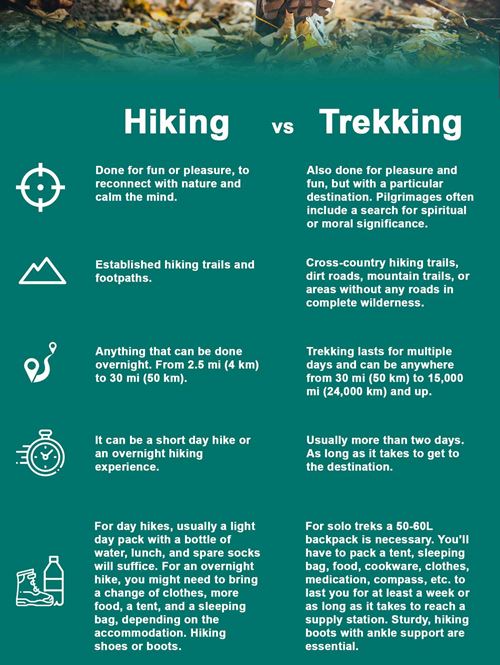
Think about what you want from your outdoor trip. Hiking usually means shorter walks with light gear. Backpacking involves carrying everything you need for overnight stays. Choose hiking for a quick nature break. Pick backpacking to explore more and camp out.
Time Commitment
Hiking often fits into a few hours or a day. Backpacking needs more time, often several days or weeks. Consider how much time you can spend outside. Short time? Hiking works best. More free days? Backpacking offers a deeper adventure.
Budget Considerations
Hiking costs less since you need minimal gear. Backpacking requires more equipment like tents and food supplies. Think about your budget before planning. Hiking is good for saving money. Backpacking needs more investment but offers longer trips.
Credit: adventures.com
Frequently Asked Questions
What Is The Main Difference Between Hiking And Backpacking?
Hiking is a day activity focused on walking trails. Backpacking involves overnight camping with gear carried on your back. Hiking requires less equipment and planning, while backpacking demands more preparation and endurance for multi-day trips.
How Do Hiking And Backpacking Gear Differ?
Hiking gear is lightweight and minimal, like water and snacks. Backpacking gear includes tents, sleeping bags, and cooking supplies. Backpackers carry heavier loads to support overnight stays, unlike hikers who carry only essentials for day use.
Which Activity Is Better For Beginners: Hiking Or Backpacking?
Hiking is better for beginners due to its simplicity and short duration. Backpacking requires more skills, fitness, and planning. Beginners should start hiking to build experience before attempting backpacking trips.
Can You Do Hiking And Backpacking On The Same Trail?
Yes, many trails accommodate both activities. Hikers enjoy shorter sections, while backpackers complete multi-day journeys. Trail regulations may vary, so check rules about camping and permits before planning your trip.
Conclusion
Hiking and backpacking both let you explore nature’s beauty. Hiking usually means short trips with light gear. Backpacking involves carrying all your supplies for longer trips. Each has its own style and challenges. Choose what fits your time and energy.
Both offer great ways to enjoy fresh air and peaceful trails. Try both to see which you like best. Adventure waits for those who step outside. Enjoy every moment on the path you choose.
