
Are you someone who loves exploring the outdoors but often gets confused between hiking and trekking? You’re not alone.
Many people use these words interchangeably, but they actually mean different things. Knowing the difference can help you prepare better, choose the right gear, and enjoy your adventure more. You’ll discover exactly how hiking and trekking differ, so you can make the most of your next outdoor trip.
Keep reading—you might be surprised by what sets these two activities apart!
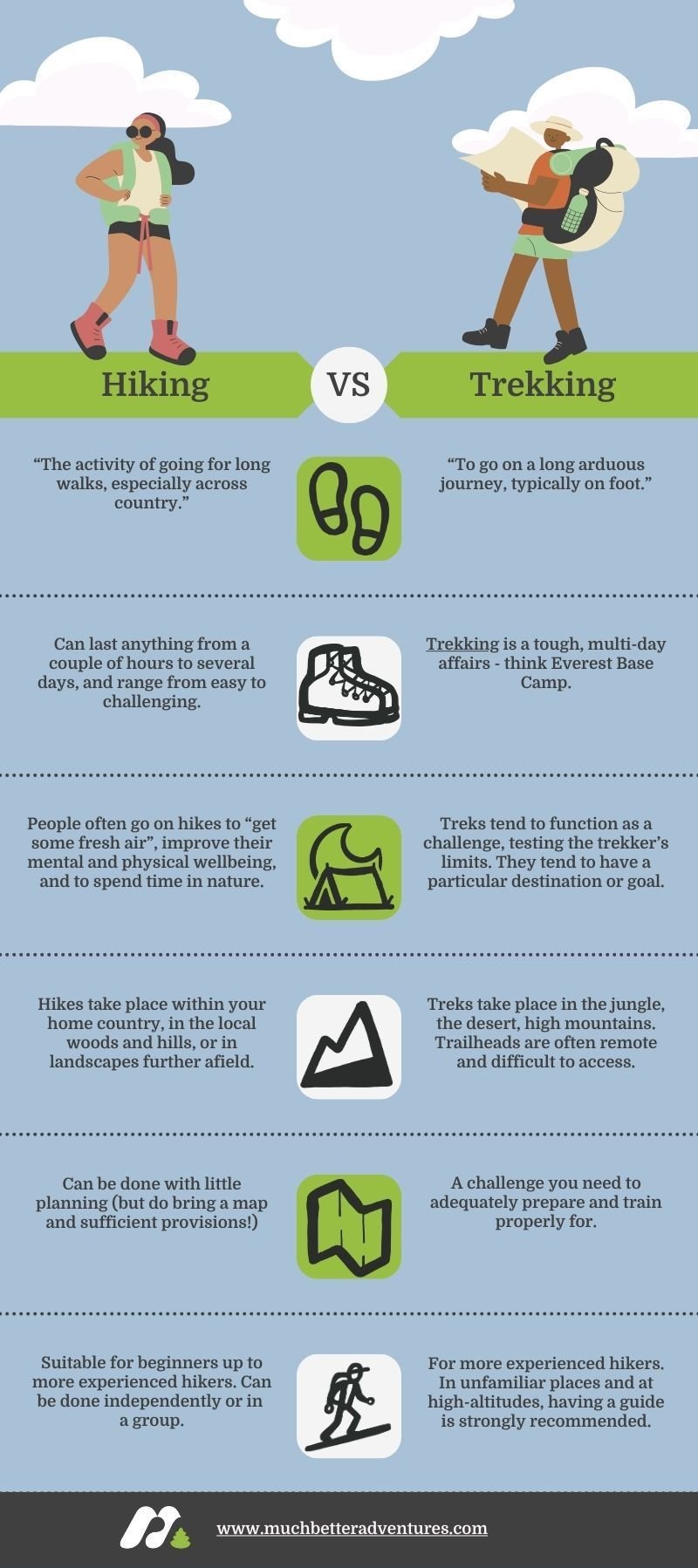
Credit: www.muchbetteradventures.com
Hiking Basics
Hiking is a popular outdoor activity enjoyed by many people worldwide. It involves walking through natural environments for fun and exercise. Understanding the basics of hiking helps you know what to expect and how it differs from tracking.
Hiking is simple and accessible. It does not require special skills or equipment. Let’s explore the key points that define hiking.
Purpose And Goals
The main goal of hiking is to enjoy nature and get physical exercise. People hike to relax, see beautiful views, and spend time outside. It is often a leisure activity for families and friends.
Typical Terrain
Hiking trails usually have clear paths. These paths can be in forests, hills, or mountains. The terrain is mostly easy to moderate, but some trails can be challenging. Hikers do not need special skills to follow the trail.
Duration And Distance
Hiking trips can last from a few minutes to several hours. Most hikes cover short to medium distances, generally under 10 miles. People choose hikes that fit their time and fitness level.
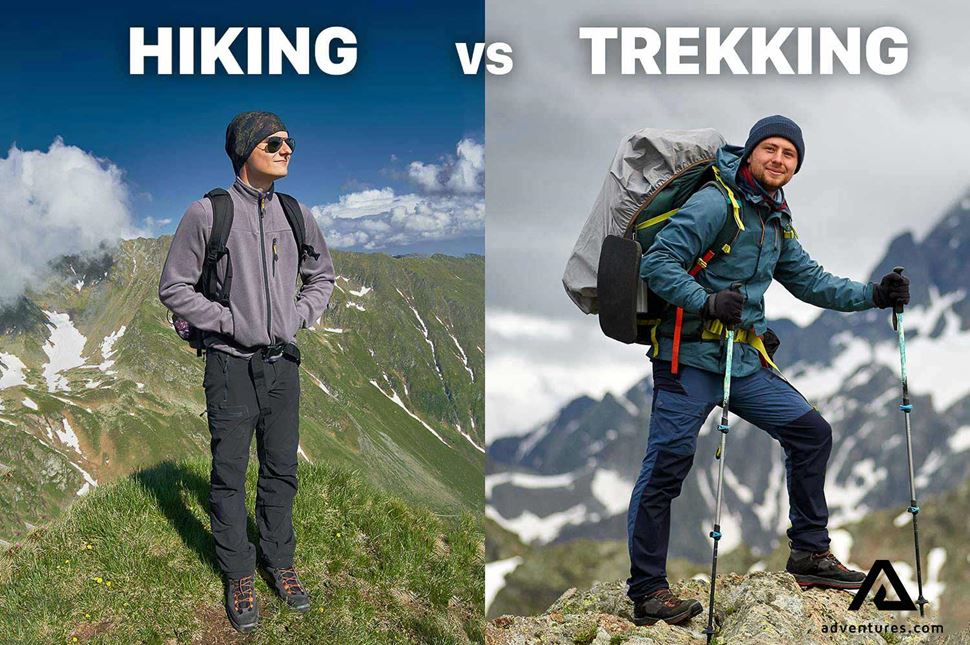
Credit: adventures.com
Tracking Essentials
Tracking has unique needs. It requires special skills and equipment. Understanding these essentials helps you prepare well. This section explains what you need to know.
Purpose And Goals
Tracking aims to follow animal trails or find signs in nature. It is more focused than hiking. The goal is to observe wildlife or study the environment closely. It involves patience and attention to small details.
Terrain And Environment
Tracking usually takes place in wild, dense areas. Forests, jungles, and open plains are common spots. The terrain can be rough and uneven. You often move slowly to avoid disturbing the surroundings.
Duration And Distance
Tracking trips can last several hours or even days. Distances may not be long, but progress is slow. The focus is on careful observation, not speed. Tracking requires stamina and steady pace.
Gear And Equipment
Gear and equipment play a key role in hiking and tracking. Choosing the right items can make your trip safe and enjoyable. Both activities need special tools, but they differ in some ways.
Hiking usually involves well-marked paths. Tracking can mean going off the beaten track. This affects the gear you carry. Knowing what to bring helps you stay prepared.
Footwear And Clothing
Hiking shoes focus on comfort and breathability. They offer good grip on clear trails. Tracking boots are tougher and waterproof. They protect feet from rough terrain and water.
Clothing for hiking is lightweight and layered. It keeps you cool or warm depending on weather. Tracking clothing is more durable and protective. It guards against thorns, insects, and dirt.
Navigation Tools
Hikers often use simple maps or trail signs. A GPS watch or phone app can help too. Trackers need advanced tools like compasses and topographic maps. They rely on skills to find direction without clear paths.
Trackers may carry extra batteries and backup devices. Hiking gear is lighter since the route is easier to follow.
Safety Gear
Hiking safety gear includes a first aid kit and whistle. Sunscreen and insect repellent are common. Trackers carry more items like emergency blankets and signaling mirrors.
Trackers prepare for unexpected situations in remote areas. Hiking gear focuses on minor injuries and weather changes.
Physical And Skill Requirements
Physical and skill requirements differ between hiking and trekking. Both activities involve walking outdoors, but they demand different levels of fitness and skills. Understanding these needs helps you prepare better and enjoy your adventure safely.
Fitness Levels
Hiking usually needs moderate fitness. Trails are shorter and less steep. Most people can manage with basic endurance. Trekking requires higher fitness. Trails are longer and often tougher. You must handle steep climbs and rough paths. Good stamina and strength are essential for trekking trips.
Technical Skills
Hiking needs simple skills. Basic map reading and using a compass may help. Trekking demands advanced skills. You may need to navigate difficult terrains. Using GPS devices and survival skills become important. Trekking also requires knowing how to handle emergencies outdoors.
Preparation And Training
Preparation for hiking is easier. Light training and packing are enough. Trekking needs more planning. Physical training improves endurance and strength. Learning first aid and survival tips is useful. Planning routes and checking weather are crucial. Training ensures safety and makes the trip enjoyable.
Environmental Impact
The environment suffers differently from hiking and trekking. Both activities put pressure on natural spaces. Understanding their impact helps protect nature for the future.
Trail Usage
Hiking usually follows marked trails. These paths help reduce damage to plants and soil. Trekking often crosses rough, less-used areas. It can cause more soil erosion and plant loss. Staying on trails keeps nature safe.
Wildlife Interaction
Hikers tend to see animals from a distance. Trekking can lead to closer encounters with wildlife. This may stress animals or disrupt their homes. Quiet movement and respect reduce harm to animals.
Leave No Trace Principles
Both hikers and trekkers must follow Leave No Trace rules. Carry out all trash. Avoid picking plants or disturbing animals. Camp only in designated spots. These actions protect nature for everyone.
Popular Destinations
Hiking and tracking take adventurers to different types of places. Both activities offer unique experiences in nature. Many travelers choose spots based on the kind of journey they want. Popular destinations often highlight the main differences between hiking and tracking. Some places are perfect for hiking, with marked paths and scenic views. Others suit tracking, where following trails and wildlife signs is key.
Top Hiking Trails
Hiking trails are usually well-marked and easy to follow. The Appalachian Trail in the United States stretches over 2,000 miles. It offers forests, mountains, and peaceful campsites. The Inca Trail in Peru leads to the ancient city of Machu Picchu. It combines history with stunning mountain views. The Lake District in England features gentle hills and lakes. These trails attract hikers of all ages and skills.
Notable Tracking Routes
Tracking routes need more skill and patience. The Serengeti National Park in Tanzania is famous for wildlife tracking. Visitors follow animal tracks to spot lions, elephants, and more. The Australian Outback offers tracking of unique animals and plants. In New Zealand, the Tongariro Alpine Crossing involves tracking volcanic terrain. These routes focus on exploring nature closely and quietly.
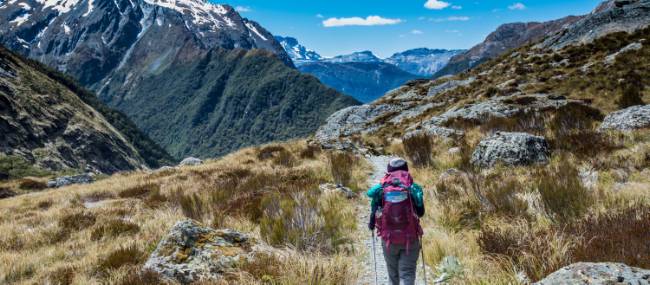
Credit: worldexpeditions.com
Frequently Asked Questions
What Is The Main Difference Between Hiking And Trekking?
Hiking is a short, easy walk on well-marked trails. Trekking involves longer, challenging routes often in remote areas. Hiking suits beginners, while trekking requires more preparation and endurance. Both offer outdoor adventure but differ in difficulty and duration.
Which Activity Is More Physically Demanding: Hiking Or Trekking?
Trekking is generally more physically demanding than hiking. It involves tougher terrains, longer distances, and harsher conditions. Hiking is usually easier and suitable for casual outdoor enthusiasts. Trekking requires better fitness and stamina for multi-day journeys.
What Gear Is Essential For Hiking Versus Trekking?
Hiking needs basic gear like comfortable shoes, water, and a backpack. Trekking requires specialized equipment like sturdy boots, trekking poles, and camping supplies. Proper gear ensures safety and comfort depending on the activity’s intensity and environment.
Can Beginners Start With Trekking Or Should They Hike First?
Beginners should start with hiking to build stamina and skills. Trekking demands more physical fitness and experience due to its difficulty. Gradually progressing from hiking to trekking reduces injury risk and improves enjoyment.
Conclusion
Hiking and trekking both offer great outdoor fun and exercise. Hiking usually means shorter walks on easy paths. Trekking involves longer, harder journeys through rough places. Each has its own challenges and rewards. Choose what fits your fitness and time.
Enjoy nature, fresh air, and new sights. Both help you feel calm and happy. Try both to see which you like best. Adventure waits just outside your door.
