
Choosing the right size hiking backpack can make or break your outdoor adventure. If your pack is too big, you’ll carry extra weight and feel tired faster.
If it’s too small, you won’t fit everything you need, leaving you unprepared. You want a backpack that fits your body and your trip perfectly. You’ll discover simple tips to find the ideal backpack size for your next hike—so you can stay comfortable, organized, and ready for anything.
Keep reading to make sure you pick the right pack every time.
Backpack Capacity Basics
Choosing the right backpack size is key for a good hiking trip. The backpack must fit your trip length and the gear you carry. Too small means missing space. Too big adds weight and bulk. Understanding backpack capacity helps you pick the perfect bag. Capacity is measured in liters. This shows the space inside the backpack. Different hikes need different capacities. Let’s explore the basics.
Daypacks Vs Multi-day Packs
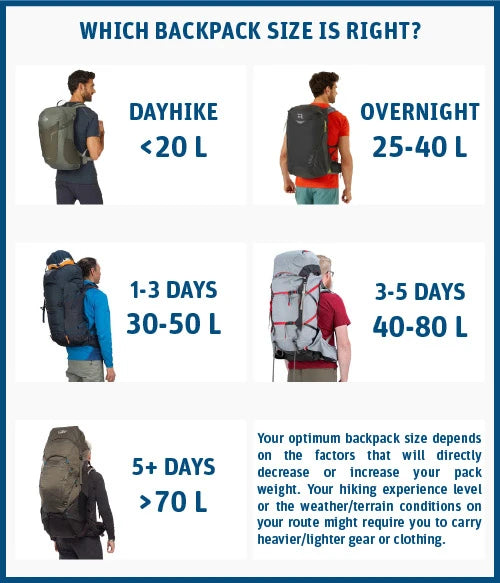
Daypacks hold enough for short trips. Usually 15 to 30 liters. Perfect for snacks, water, and a jacket. Light and easy to carry. Multi-day packs are bigger. From 40 to 70 liters or more. Made for overnight gear like tents and sleeping bags. Heavier but needed for longer trips. Choose based on your trip length and gear.
Liters And Load Expectations
Liters tell you how much stuff fits inside. Small packs carry light loads. Large packs fit bulky gear. A 20-liter pack fits daily essentials. A 50-liter pack holds camping gear and clothes. Think about what you carry daily. Add extra space for comfort and extras. Avoid overpacking to stay light on trails. The right liters match your load needs.
Trip Length And Backpack Size
Choosing the right backpack size depends a lot on how long your trip will be. The length of your hiking trip affects how much gear you need to carry. The more days you spend outdoors, the bigger your backpack should be. This helps you pack all essentials without feeling overloaded. Let’s explore backpack sizes based on trip length.
Short Hikes And Small Packs
Short hikes usually last a few hours or just one day. Small backpacks between 10 and 20 liters work best here. These packs fit snacks, water, a first aid kit, and a light jacket. You won’t carry bulky gear or heavy food supplies. Small packs keep your load light and your pace fast.
Overnight Trips And Mid-sized Packs
For overnight trips, choose backpacks between 20 and 40 liters. These mid-sized packs hold a sleeping bag, extra clothes, and cooking gear. You can pack more food and water for about one or two nights. Mid-sized packs balance capacity with comfort. You get enough space without feeling weighed down.
Extended Adventures And Large Packs
Extended hikes last several days or more. Large backpacks from 40 to 70 liters fit all your needs. You can carry a tent, multiple meals, and extra gear. These packs help you stay prepared for changing weather and terrain. Large packs are heavier but needed for long trips.
Body Fit And Comfort
Choosing a hiking backpack that fits your body well is key to comfort on the trail. A backpack that fits poorly can cause pain and fatigue. Focus on how the pack fits your torso and hips. Comfort comes from the right size and good support. Adjustments also help you carry weight better. Here are important points to check.
Torso Length Measurement
Measure your torso length to find a suitable backpack size. Stand straight and find the base of your neck. Then find the top of your hip bone. Measure the distance between these two points. This number tells you the backpack’s torso size to pick. A proper torso fit keeps the pack balanced. It stops the bag from pulling too much on your shoulders.
Hip Belt Positioning
The hip belt carries most of the pack’s weight. It should sit on your hips, not your waist. Place the belt over your hip bones, just above the pelvis. This position helps transfer weight to your legs. It reduces strain on your back and shoulders. A well-positioned hip belt makes hiking easier and less tiring.
Adjustable Suspension Systems
Many backpacks have adjustable suspension systems. These let you change the height of the shoulder straps and hip belt. Adjust to fit your body shape and size perfectly. Suspension adjustments improve comfort and stability. They keep the pack close to your body. This reduces bouncing and helps keep your balance on rough trails.
Credit: www.rei.com
Load Type And Weight Distribution
Choosing the right hiking backpack depends a lot on the type of load you carry. Load type means the kind of gear and items you pack. Weight distribution means how the weight spreads in your backpack. Both affect comfort and balance while hiking.
Heavy loads need careful packing. Placing weight wrong can cause pain or injury. Light loads allow more freedom but still need good balance. Understanding these ideas helps pick the right backpack size and design.
Heavy Gear Strategies
Heavy gear should sit close to your back. This keeps your center of gravity stable. Put the heaviest items near your shoulders and spine. Avoid placing heavy stuff at the bottom or far away.
Use backpacks with strong frames and padded straps. These support heavy weights better. Adjust hip belts to take weight off your shoulders. This reduces fatigue on long hikes.
Distribute weight evenly side to side. Uneven loads cause strain and imbalance. Pack gear in compartments or use stuff sacks to organize.
Lightweight Packing Tips
Lightweight packs allow more movement and speed. Still, keep weight close to your back. Use smaller backpacks designed for light loads.
Choose multi-use gear to reduce weight. Pack only essential items. Organize items so weight spreads evenly.
Adjust straps to keep pack snug but not tight. This prevents bouncing and discomfort. Light loads feel easier with good balance.
Special Features Influencing Size
Special features can change the size of a hiking backpack. These features add space or need room to work well. Knowing about them helps you pick the right backpack size. Some backpacks have parts outside the main bag. Others can grow bigger or hold water inside. Each feature affects how much gear the pack can hold. Understanding these details leads to better hiking comfort and convenience.
External Attachment Points
External attachment points let you carry extra gear outside the bag. Tools like trekking poles or sleeping pads fit here. These points add bulk to the pack’s size. You need space for items hanging on straps or loops. They help keep your main compartment free and organized. But they make the pack wider or taller. Choose a pack with enough attachment points for your gear.
Expandable Compartments
Expandable compartments let the backpack grow when needed. Zippers or buckles open extra pockets or sections. This feature changes the pack’s size quickly. It adds room for extra clothes or food. When not expanded, the pack stays compact and light. This flexibility suits trips with varying gear needs. Check how much the bag can expand before buying.
Hydration Reservoir Compatibility
Many backpacks hold a hydration reservoir inside. This water bladder fits in a special pocket. It needs space and a tube exit for easy drinking. The reservoir adds weight and volume to the pack. Some bags have built-in compartments for this feature. Others require extra room or adjustments. Choose a backpack that fits your hydration system well.
Credit: jumpusapark.com
Gender-specific Backpack Designs
Backpacks come in many shapes and sizes. Choosing one that fits your body well is key for comfort. Gender-specific backpack designs consider the differences in body shapes. These backpacks help carry weight evenly and reduce strain. Both men and women benefit from backpacks made to fit their bodies better.
Women’s Fit Considerations
Women’s backpacks usually have shorter torso lengths. The shoulder straps are narrower and curved. This helps the backpack sit closer to the body. Hip belts are shaped to fit wider hips. The design reduces pressure on the lower back. This fit helps keep the load balanced while hiking. Some backpacks also offer smaller volumes. This suits shorter trips or lighter packing needs.
Men’s Fit Considerations
Men’s backpacks often have longer torso lengths. Shoulder straps tend to be wider and straighter. This allows for broader shoulders and larger frames. Hip belts are designed to fit narrower hips. This supports carrying heavier loads comfortably. Many men’s backpacks offer larger volume options. They work well for long trips or heavy gear. The design keeps weight stable on the hips.
Testing And Trying Before Buying
Testing and trying a hiking backpack before buying is important. It helps you find a pack that fits well and feels comfortable. Trying different sizes and styles can save you from pain and frustration on the trail. A good fit means better support and easier carrying of your gear.
Load Trial Walks
Put some weight in the backpack before testing it. Use items like water bottles or clothes to add real load. Walk around the store or outside with the pack on. Notice how it feels on your shoulders and back. Check if the weight spreads evenly. Watch for any pressure points or discomfort. This simple test shows if the pack suits your body.
Store Fit Assessments
Ask staff to help adjust the backpack to your size. Try on different sizes to compare comfort and fit. Adjust straps, hip belts, and shoulder pads for the best fit. Move, bend, and twist while wearing the pack. Make sure it stays secure and does not shift. A proper fit keeps the pack stable during hikes. Take your time to find the right size before buying.
Credit: nailthetrail.com
Budget And Brand Choices
Choosing the right hiking backpack means balancing budget and brand. Your budget sets limits on what you can spend. The brand often signals quality and durability. Both affect your satisfaction and backpack performance on the trail.
Price Vs Features
Backpacks come in many prices. Low-cost bags may lack key features like strong zippers or padded straps. Higher prices often bring better materials and extra pockets. Think about how long your hike will be. For short trips, basic features might be enough. For longer hikes, invest more for comfort and support. Don’t pay for features you won’t use. Focus on what matters most for your hiking needs.
Reputable Brands To Consider
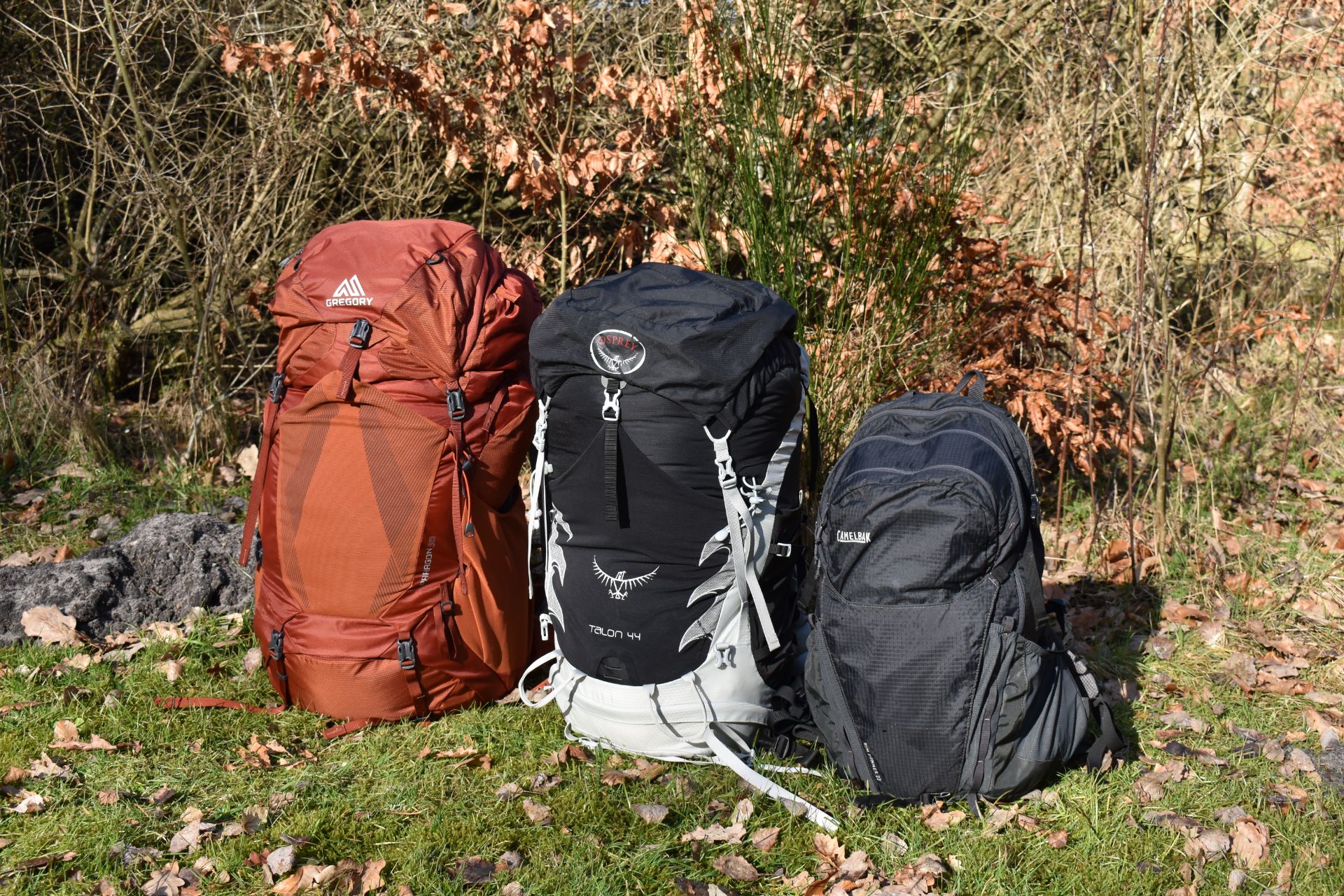
Choose brands known for quality and good reviews. Brands like Osprey, Deuter, and Gregory have solid reputations. These brands offer backpacks with good design and durability. You can find options for different budgets. Newer brands may offer budget-friendly bags but check reviews first. Buying from a trusted brand reduces risks of early wear or failure. Your backpack should last many trips.
Frequently Asked Questions
How Do I Measure My Torso For A Hiking Backpack?
Measure from the base of your neck to the top of your hip bones. Use a flexible tape to get an accurate torso length. This helps select a backpack with the right frame size for better comfort and support on hikes.
What Backpack Capacity Is Best For Day Hikes?
A 15 to 30-liter backpack is ideal for day hikes. It provides enough space for essentials like water, snacks, and extra clothing. Avoid larger packs that add unnecessary weight and bulk for short trips.
How Much Weight Should My Hiking Backpack Carry?
Your backpack should carry no more than 20-25% of your body weight. Overloading causes discomfort and strain. Distribute weight evenly and pack only essentials to maintain balance and reduce fatigue during hikes.
Can Adjustable Straps Improve Backpack Fit?
Yes, adjustable straps customize the fit to your body shape. They help distribute weight evenly and prevent the pack from shifting. Properly adjusted straps increase comfort and reduce the risk of injury on trails.
Conclusion
Choosing the right hiking backpack size makes your trip more comfortable. A well-fitting pack helps carry your gear without pain or strain. Think about how long your hike will be and what you need to bring. Try different sizes to find what feels best on your back.
Remember, a good fit means better balance and less tiredness. Take your time picking the right backpack size for your adventure. Happy hiking!
