
Finding the right hiking shoes can make all the difference in how much you enjoy your time on the trail. If you have wide feet, you know the struggle of squeezing into shoes that just don’t fit right.
Pain, blisters, and discomfort can quickly turn an exciting hike into a frustrating experience. But what if you could find hiking shoes that feel like they were made just for your feet? Shoes that give you the support and comfort you need without the tight squeeze?
You’ll discover the best hiking shoes designed specifically for wide feet. Keep reading to find out how to choose the perfect pair that will keep you moving comfortably mile after mile.
Challenges Of Wide Feet
Wide feet bring unique challenges for hikers. Standard hiking shoes often feel tight and uncomfortable. This can cause pain and blisters. Many people with wide feet struggle to find shoes that fit well. A poor fit can ruin a hike and cause foot problems. Understanding these challenges helps in choosing the right hiking shoes.
Common Fit Issues
Wide feet often feel cramped in narrow shoes. Toes may press against the shoe sides. This leads to numbness or soreness. Tight shoes can cause blisters and calluses. Arch and heel areas may also feel tight. Shoes that are too narrow reduce balance and control. Many hiking shoes lack enough width for comfort.
Importance Of Proper Support
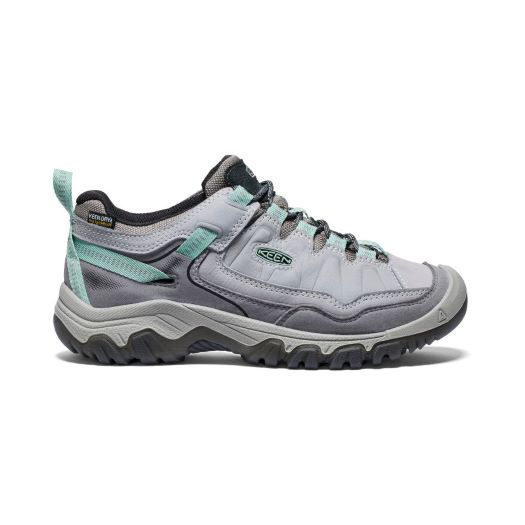
Good support prevents foot pain and fatigue. Wide feet need shoes with a roomy toe box. Strong arch support helps keep feet stable. Cushioning absorbs shock on rough trails. Proper support reduces the risk of injury. Shoes that fit well improve walking comfort. Supportive shoes protect feet during long hikes.
Credit: hikingfeet.com
Key Features For Wide Feet Hiking Shoes
Wide feet need special hiking shoes. Normal shoes can feel tight and cause pain. Shoes designed for wide feet offer comfort and support. Key features help your feet stay happy on the trail. These features protect your feet and improve your hiking experience.
Roomy Toe Box
A roomy toe box gives your toes space to spread out. It prevents pinching and blisters. Wide feet need extra room at the front. This space helps with balance on uneven ground. A tight toe box can cause numbness and discomfort.
Adjustable Lacing Systems
Adjustable lacing lets you change tightness easily. It helps fit different foot shapes better. Wide feet can feel squeezed without proper lacing. These systems keep your foot secure but not too tight. You can loosen or tighten laces during your hike.
Supportive Soles
Supportive soles protect your feet from rough terrain. They provide stability and reduce foot fatigue. Wide feet need strong soles to support their shape. Good soles absorb shock and prevent slipping. They make walking on rocks and dirt safer.
Top Hiking Shoes For Wide Feet
Finding hiking shoes that fit wide feet well can be tough. Many shoes feel tight and cause discomfort. Wide feet need shoes that offer extra room without losing support. Good hiking shoes help keep your feet safe and comfortable on rough trails.
Here are some top hiking shoes made for wide feet. They come in different price ranges. Each option balances comfort, support, and durability. Choose what fits your needs and budget.
Budget-friendly Options
Affordable hiking shoes for wide feet provide decent comfort and fit. Look for brands that offer wide sizes or stretchable materials. These shoes often have solid soles and breathable uppers. They work well for casual hikers or short day trips. Expect basic features but reliable protection for your feet.
Mid-range Comfort Picks
Mid-range hiking shoes offer better cushioning and support for wide feet. They use advanced materials to improve fit and durability. Many have padded collars and wider toe boxes. These shoes suit frequent hikers who need more comfort on long walks. You get a mix of style, function, and comfort without overspending.
High-end Performance Shoes
High-end hiking shoes for wide feet provide top performance and protection. They use premium materials and cutting-edge technology. Features include waterproof membranes, strong grip soles, and enhanced foot stability. These shoes are perfect for serious hikers and tough trails. Expect long-lasting comfort and excellent support every step.

Credit: www.outdoorlife.com
Materials And Durability
Choosing hiking shoes for wide feet means paying close attention to materials and durability. The right materials keep your feet comfortable on long walks. Durability ensures the shoes last through rough trails and weather. Shoes made with good materials protect your feet and provide support. Durable shoes save money by lasting many hikes.
Breathable Fabrics
Breathable fabrics let air flow inside the shoes. This stops your feet from getting too hot. Dry feet reduce blisters and discomfort. Mesh panels or special woven fabrics often provide breathability. Wide feet need extra room, so breathable shoes help avoid tight, sweaty spots. Good airflow keeps feet fresh during long hikes.
Waterproofing Features
Waterproof shoes keep your feet dry in wet conditions. Wet feet cause blisters and cold toes. Materials like Gore-Tex or treated leather block water but allow sweat to escape. Waterproof shoes for wide feet should not be tight. A proper fit with waterproofing means comfort and dryness on trails. Look for shoes with sealed seams to stop water entry.
Long-lasting Construction
Strong construction means shoes handle rough trails without breaking. Thick soles and reinforced stitching add toughness. Wide feet need shoes with extra space but also strong support. Durable shoes protect your feet from rocks and roots. Look for shoes with solid outsoles and good grip. Long-lasting shoes give you confidence to hike further.
Tips For Choosing The Right Fit
Choosing hiking shoes that fit wide feet well is key to a comfortable hike. Shoes that are too tight cause blisters and pain. Shoes too loose make your feet slip and hurt. Follow these tips to find the right fit for wide feet. Proper fit helps you enjoy every step on the trail.
Measuring Your Foot Width
Use a ruler or tape to measure the widest part of your foot. Stand on a piece of paper and mark the edges. Measure the distance between the marks. Compare your measurement to shoe size charts. This helps find shoes made for wide feet. Measure both feet since one may be wider.
Trying Shoes With Hiking Socks
Wear the socks you will hike in when trying shoes. Hiking socks add thickness and cushioning. They change how the shoe fits your foot. Put on shoes and walk around the store. Check for tight spots or slipping heels. This shows how shoes feel during real hikes.
Breaking In New Shoes
Wear new hiking shoes for short walks at home first. This softens the material and molds the shoes to your feet. Avoid long hikes until shoes feel comfortable. Use gentle stretches if shoes feel tight. Breaking in shoes prevents blisters and foot pain on trails.
Credit: runrepeat.com
Care And Maintenance For Hiking Shoes
Taking care of hiking shoes for wide feet helps them last longer. Proper maintenance keeps shoes comfortable and safe on trails. Clean shoes perform better and avoid damage from dirt and moisture.
Simple steps can keep your hiking shoes in good shape. Regular cleaning removes mud and sweat. Proper storage stops shape loss and material wear. Knowing when to replace shoes protects your feet on tough hikes.
Cleaning Techniques
Remove loose dirt with a soft brush after each hike. Use warm water and mild soap to clean the surface. Avoid harsh chemicals that can weaken shoe material. Let shoes air dry at room temperature. Do not place shoes near heaters or direct sunlight.
Storage Recommendations
Store shoes in a cool, dry place with good airflow. Avoid storing shoes in damp areas to prevent mold. Keep shoes away from heavy objects that can deform them. Use shoe trees or stuff shoes with paper to keep shape. Never store wet shoes inside bags for long periods.
When To Replace Your Shoes
Replace shoes if soles wear out or lose grip. Change shoes when the material tears or breaks. Notice discomfort or pain during hikes as a sign. If shoes lose waterproof ability, consider new ones. Fresh shoes protect feet and improve hiking experience.
Frequently Asked Questions
What Hiking Shoes Fit Best For Wide Feet?
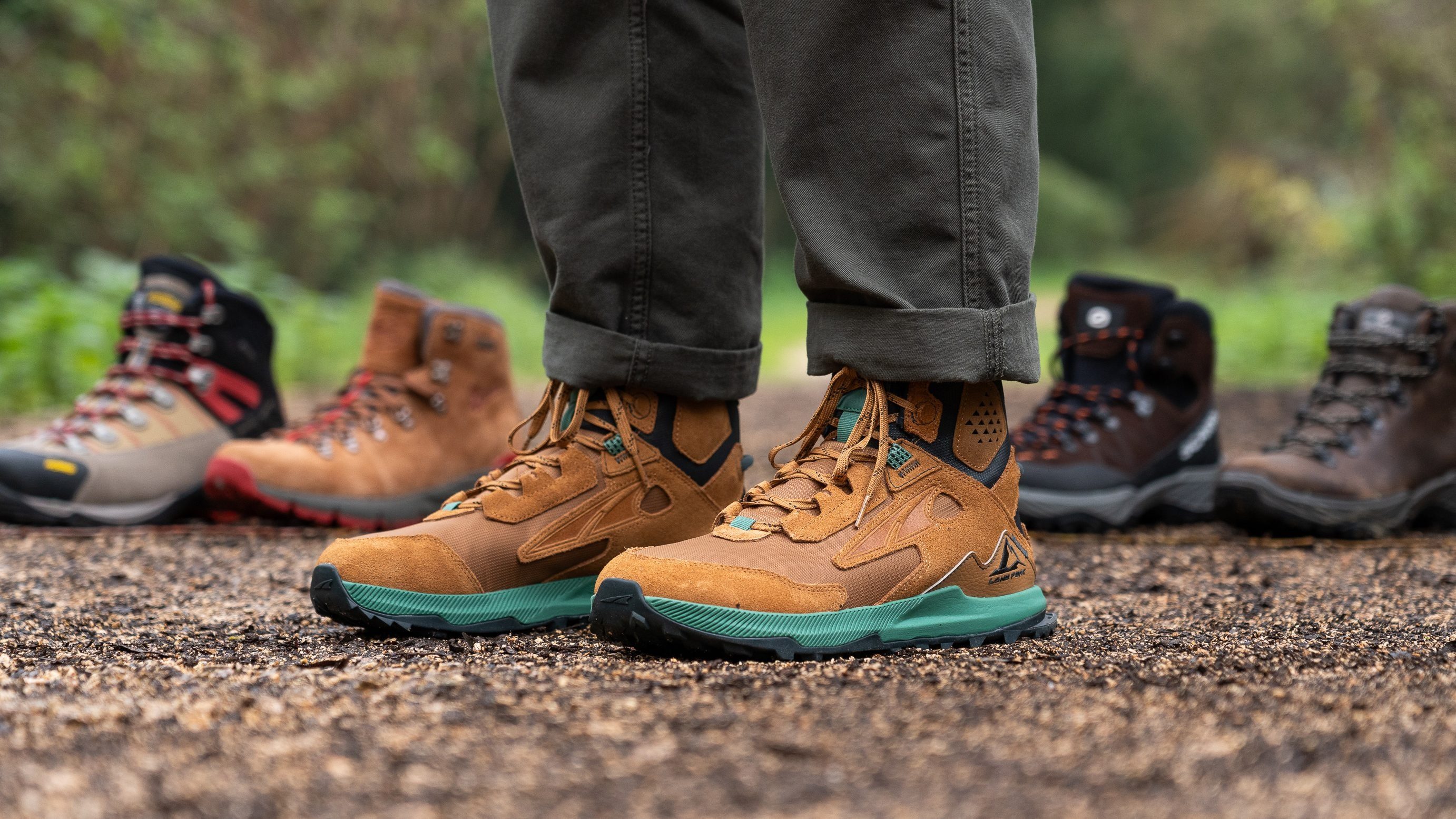
Wide hiking shoes have extra room in the toe box and midfoot. Brands like Altra, Merrell, and New Balance offer wide options. Look for shoes labeled “wide” or “2E” to ensure a comfortable fit without pinching or pressure points.
Are Wide Hiking Shoes Less Durable Than Regular Ones?
No, wide hiking shoes use similar durable materials as regular sizes. They are designed to handle rough terrain and offer stability. Always check for reinforced toe caps and rugged soles for extra protection and long-lasting performance.
Can I Convert Narrow Hiking Shoes To Fit Wide Feet?
It’s difficult to convert narrow shoes to wide. Stretching may help slightly but won’t create enough space for comfort. It’s better to buy hiking shoes specifically designed for wide feet to avoid discomfort and blisters.
Which Features Matter Most In Wide Hiking Shoes?
Look for a roomy toe box, firm heel support, and cushioned midsoles. Breathable materials and waterproofing enhance comfort and protection. Proper arch support also ensures stability during long hikes.
Conclusion
Finding hiking shoes for wide feet does not have to be hard. Choose shoes with extra width and good support. Look for soft materials that stretch and fit well. Remember to try shoes on with hiking socks. Comfort matters most on long trails.
The right shoes protect your feet and keep you steady. Happy hiking starts with shoes that fit your feet properly. Take your time and pick the best wide hiking shoes for you. Your feet will thank you on every step.
