
Can A Yoga Mat Be Used For Camping?
Many people enjoy both yoga and camping, but when packing light, it’s natural to wonder if one item can serve two purposes. If you already own a yoga mat, you might think about using it as a sleeping pad on your next camping trip. Is this a good idea? Or will you regret it after a cold, uncomfortable night outdoors? This article explores whether a yoga mat can be used for camping, how it compares to specialized camping mats, and what you should consider before making your choice.
What Makes A Good Camping Sleeping Pad?
Before deciding if a yoga mat can handle the job, it’s important to know what a camping sleeping pad is supposed to do. A good sleeping pad for camping must:
- Provide insulation from the cold ground
- Offer cushioning for a comfortable sleep
- Be durable enough for rough outdoor use
- Pack small and light for easy carrying
Camping pads are designed with these needs in mind. Some use closed-cell foam, others use inflatable air chambers, and a few combine both. They are made to balance comfort, warmth, and portability for outdoor conditions.
How Does A Yoga Mat Compare?
Yoga mats are not designed for sleeping outdoors. They are mostly made for indoor use on smooth floors. Still, let’s compare yoga mats vs. camping mats side by side.
| Feature | Yoga Mat | Camping Sleeping Pad |
|---|---|---|
| Thickness | 3–6 mm (0.1–0.25 in) | 10–38 mm (0.4–1.5 in) |
| Material | PVC, TPE, rubber | Foam, air cells, or both |
| Insulation (R-Value) | Low (<1) | 1.5–5+ |
| Weight | 1–2 lbs | 0.5–2 lbs |
| Packing Size | Rolls up, not very compact | Many fold or roll smaller |
| Durability Outside | Low | High |
Key takeaway: Yoga mats offer some padding but lack insulation and outdoor durability.
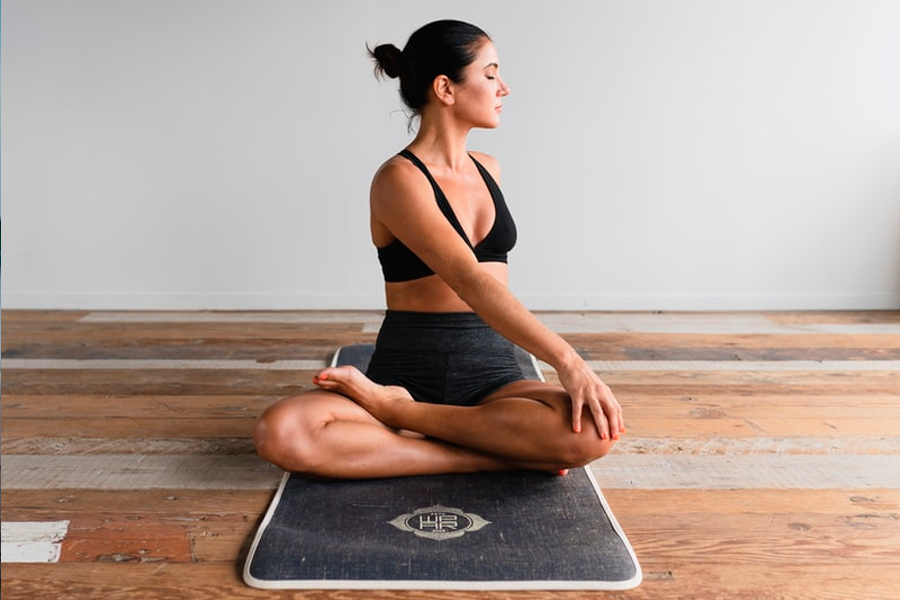
Can You Use A Yoga Mat For Camping?
The simple answer: yes, you can use a yoga mat for camping—but it’s not ideal for most situations. Here’s when it might work, and when it won’t.
When It Might Work
- Warm Weather Camping: If you’re camping in summer, and the ground is not cold, a yoga mat can provide a little cushion.
- Short Trips: For one-night or emergency use, it’s better than nothing.
- On Soft Ground: If you camp on grass or sand, the ground does some of the work.
When It Won’t Work Well
- Cold Weather: Yoga mats offer almost no insulation, so you’ll lose body heat to the ground.
- Rocky or Hard Surfaces: The thin padding won’t keep you comfortable.
- Long Trips: Night after night, poor sleep adds up.
Experienced campers often say that poor sleep is a top reason for a bad camping trip. A thin, uninsulated yoga mat can make the difference between a fun adventure and a miserable night.
The Importance Of Insulation (r-value)
One area where yoga mats fall short is insulation. Sleeping pads often list an R-value, which measures how well they resist heat flow.
| R-Value | What It Means | Typical Use |
|---|---|---|
| <1 | Very little insulation | Yoga mats, foam pads |
| 1.5–3 | Basic insulation | Summer camping |
| 3–5 | Good insulation | 3-season camping |
| 5+ | High insulation | Winter, snow camping |
A typical yoga mat has an R-value under 1. For most camping, especially in spring, fall, or at high altitude, you’ll want at least 2 or more. Otherwise, you may wake up cold and tired.
Comfort: Thickness And Cushioning
Yoga mats are usually 3–6 mm thick. Even the thickest yoga mats are much thinner than most camping pads, which can be 10–38 mm. This difference matters more than you might think.
- Thin mat = More pressure points
- Thicker pad = Less sore hips and shoulders
Some people try to double up yoga mats for more comfort, but this adds weight and bulk, and still doesn’t match a real sleeping pad.
Weight And Packability
Many campers want to keep their pack light. Yoga mats are sometimes heavier and bulkier than modern sleeping pads. While a basic foam pad or inflatable mat packs down small, a yoga mat usually rolls up into a big tube.
This makes it hard to fit inside or even outside your backpack.
Durability And Outdoor Use
Yoga mats are made for indoor floors, not dirt, rocks, or sticks. The material can rip or tear more easily. If it gets wet, it might get slippery or take a long time to dry. Camping pads are tougher, and often have a textured bottom to stop sliding around in a tent.
Price: Is A Yoga Mat A Good Budget Option?
Many people ask, “Can I save money by using my yoga mat instead? ” The answer depends on your comfort needs.
- Yoga mat: $15–$40
- Cheap foam camping pad: $20–$40
- Inflatable camping pad: $30–$150
If you already own a yoga mat, it costs nothing extra. But budget camping pads offer much better insulation and comfort for the price. For example, the closed-cell foam pads from brands like Therm-a-Rest are affordable, light, and made for outdoor use.
Real-world Examples: When People Used Yoga Mats
- Backyard camping: Many people use a yoga mat for sleeping in the backyard with kids. It works fine for one night in warm weather.
- Emergency shelter: Yoga mats are sometimes used by hikers who didn’t expect to camp out. They report a sore back and cold, but it’s better than nothing.
- Festival camping: For music festivals where comfort is not a priority, some people use yoga mats.
- Ultralight hikers: Some ultralight backpackers use thin foam mats, which are similar to yoga mats but often lighter and with a higher R-value.
Non-obvious Insights Most Beginners Miss
- Condensation risk: Yoga mats can trap moisture between the mat and tent floor, especially if it rains. This can leave you and your gear damp.
- Noise factor: Some yoga mats make squeaking or sticking noises when you move at night, which can be annoying in a quiet tent.
Alternatives To Yoga Mats For Camping
If you want something better for camping, consider these options:
- Closed-cell foam sleeping pads: Light, cheap, and durable. Not as comfortable as inflatable pads but much better than yoga mats.
- Self-inflating pads: Offer better comfort and insulation. Slightly heavier and more expensive.
- Inflatable air pads: Very comfortable and compact, but can be punctured.
- Blanket or folded clothes: In a pinch, you can use extra clothing or a blanket under your yoga mat to add insulation.
How To Make A Yoga Mat Work For Camping
If you only have a yoga mat, you can improve your sleep by:
- Doubling up: Place a folded blanket or spare clothes under your mat.
- Choosing your campsite: Find the softest, flattest ground possible.
- Using a sleeping bag with a higher temperature rating: This helps make up for lost insulation.
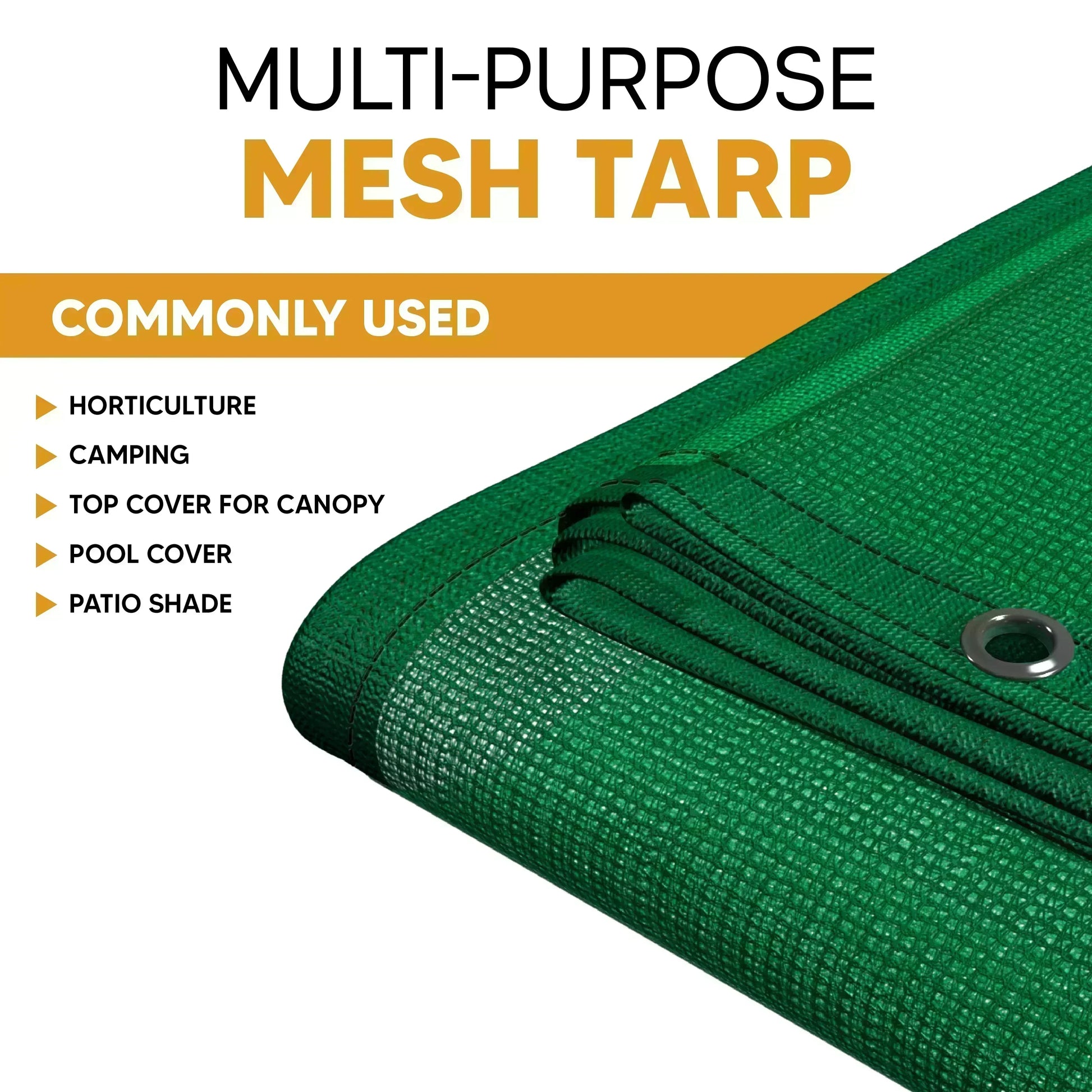
- Keeping the mat dry: Place a groundsheet or tarp under your tent.

Pros And Cons: Yoga Mat Vs. Camping Sleeping Pad
Here’s a quick summary.
| Yoga Mat | Camping Sleeping Pad | |
|---|---|---|
| Comfort | Low | Medium–High |
| Insulation | Very Low | Good–Excellent |
| Price | Low | Varies |
| Weight | Medium | Light–Medium |
| Durability Outside | Poor | Good |
| Packability | Poor | Good |
Final Advice: Should You Use A Yoga Mat For Camping?
If you plan to camp just once, in warm, mild weather, and you already have a yoga mat, you can try it. But for most camping—especially if you value a good night’s sleep, or camp in cooler weather—a real camping sleeping pad is a much better choice. Poor sleep affects your mood, your energy, and even your safety in the outdoors.
One confident tip: If you’re not sure, try sleeping on your yoga mat at home on a hard floor for a full night. If you wake up sore, it will be even worse outside.
For more about camping gear and tips, check this REI Expert Advice page.
Frequently Asked Questions
Can A Yoga Mat Replace A Sleeping Pad In All Camping Situations?
No, a yoga mat does not provide enough insulation or comfort for most camping trips, especially in cold or rough conditions. It’s only suitable for short, warm-weather trips or emergency use.
Is It Safe To Use A Yoga Mat For Camping On Rocky Or Uneven Ground?
It is not recommended. Yoga mats are too thin and soft to protect your body from hard or sharp surfaces, which can lead to discomfort or even injury overnight.
How Can I Make My Yoga Mat More Comfortable For Camping?
You can improve comfort by adding a folded blanket, extra clothes, or another layer underneath. Choose the flattest, softest ground possible and use a warm sleeping bag.
Will A Yoga Mat Keep Me Warm While Camping?
A yoga mat provides very little insulation. On cold ground, you will lose body heat quickly. For warmth, use a pad with a higher R-value or add extra layers beneath the mat.
Are There Any Types Of Yoga Mats Better For Camping?
Extra-thick yoga mats (over 1 cm) offer more padding but still lack good insulation and durability for outdoor use. They are not a real replacement for a camping sleeping pad.
