
Camping is a beautiful way to enjoy nature. You can relax, hike, and spend time with friends or family. But sometimes, tiny insects called midges can ruin your trip. These small bugs bite, swarm, and make the outdoor experience uncomfortable. You might wonder, “How can I avoid midges while camping?” In this guide, you will learn everything you need to know to keep midges away, so you can focus on having fun outdoors.
You will discover practical solutions, smart tricks, and science-backed advice. This article covers how midges behave, when and where they are most active, and how to protect yourself with the right gear, repellents, campsite choices, and routines. We will also compare different methods, share real examples, and answer common questions.
Whether you are a beginner or a seasoned camper, you will leave with clear steps to enjoy camping without worrying about midges.
What Are Midges And Why Are They A Problem?
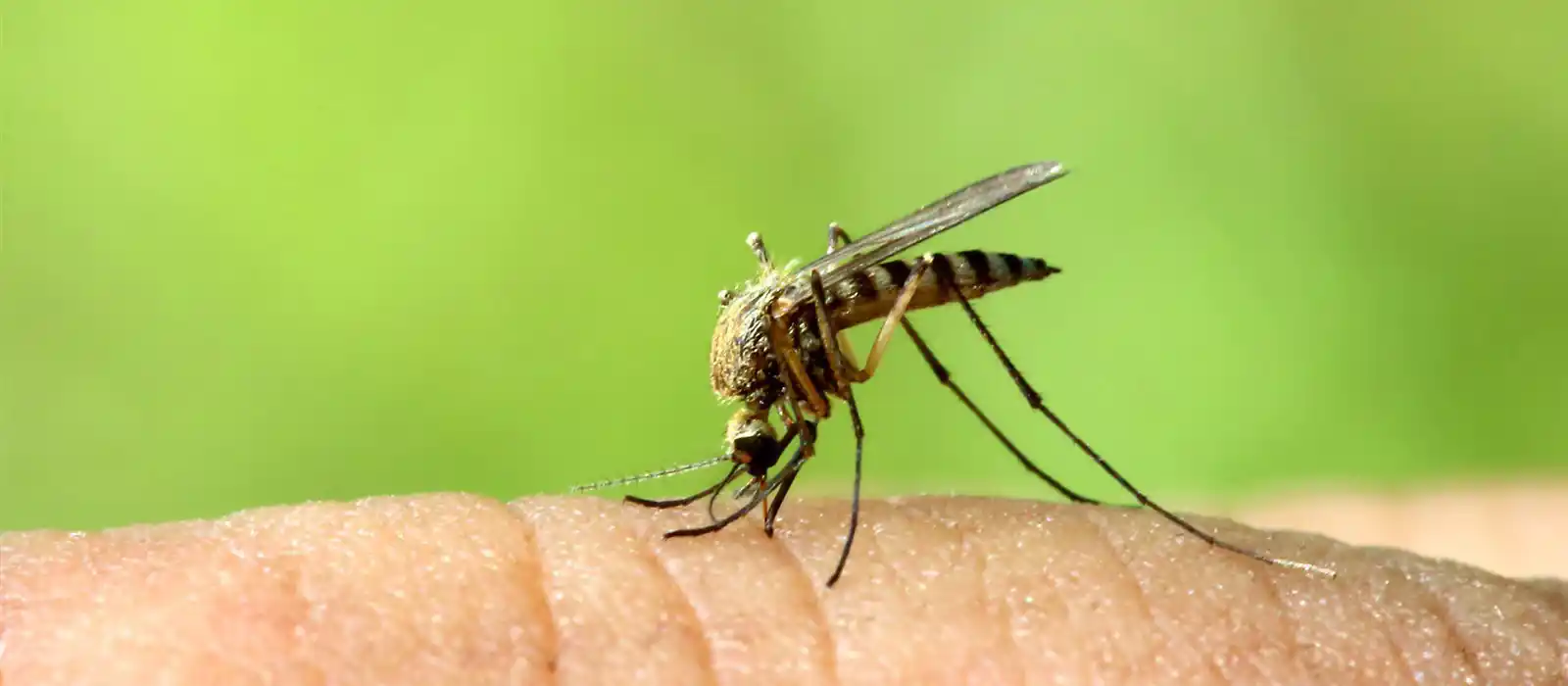
Midges are tiny flying insects, often just 1-3 millimeters long. There are many types, but the most annoying for campers are biting midges (sometimes called “no-see-ums” or “sandflies”). These bugs feed on blood. Their bites cause red, itchy spots, which can last for days.
Midges are different from mosquitoes. They are smaller, almost invisible, and can pass through normal mosquito nets. Midges usually live near water, such as lakes, rivers, and marshes. They swarm in huge numbers, especially during warm, humid months.
Why Are Midges A Big Problem For Campers?
- Swarming: Midges come in groups, not alone. You might face hundreds at once.
- Bitten skin: Their bites are itchy, painful, and can make you scratch for days.
- Invisible threat: They are so small, you may not see them until you feel the bite.
Some campers give up outdoor trips because midges make it miserable. But with the right knowledge and tools, you can avoid most bites and enjoy your adventure.
When And Where Are Midges Most Active?
Knowing when and where midges are active helps you plan your trip and choose your campsite wisely. Midges are not everywhere all the time.
Peak Activity Times
Midges prefer certain conditions:
- Early morning: Just after sunrise, when air is cool and humid.
- Late evening: Around sunset, as temperatures drop.
- Cloudy days: When sunlight is weak, midges swarm more.
- Humid weather: Moist air boosts their activity.
During dry, sunny afternoons, midges are less active. If you plan your camping routines around these times, you can reduce exposure.
Locations With High Midge Risk
Midges love:
- Standing water: Lakes, ponds, marshes, bogs, and slow rivers.
- Wet grasslands: Meadows with tall grass and moisture.
- Woodlands near water: Forests beside lakes or streams.
- Coastal areas: Beaches, estuaries, and mangroves.
Some famous camping areas, like Scotland’s Highlands, are known for heavy midge swarms in summer. If you avoid these locations or choose dryer spots, you will face fewer midges.
Comparing Midge Activity By Location
Here’s a quick comparison of typical midge activity in different habitats:
| Location Type | Midge Activity | Best Time to Camp |
|---|---|---|
| Wet marshland | Very High | Late morning to afternoon |
| Dry hillside | Low | Any time |
| Wooded riverside | Medium | Midday |
| Coastal beach | Medium-High | Sunny days |
| Urban park | Low | Any time |
Non-obvious tip: Midges dislike wind. Camping on breezy ridges or open fields can greatly reduce swarming.
How Midges Find You: Understanding Their Behavior
Midges don’t randomly fly around. They use special senses to find campers. Knowing how they hunt helps you avoid them.
- Carbon dioxide (CO₂): Midges detect CO₂ from your breath. It guides them to you.
- Body heat: Warm skin attracts midges.
- Moisture and sweat: Damp skin is easier for midges to bite.
- Dark colors: Midges prefer people wearing dark clothing.
If you limit these signals or use tricks to confuse midges, you will get fewer bites.
Choosing The Right Campsite To Avoid Midges
The campsite location is your first line of defense. Many campers make the mistake of pitching tents near water or tall grass. Here’s how to choose a spot wisely:
- Stay away from water: Set up camp at least 200 yards from lakes, ponds, or marshes.
- Pick open, breezy sites: Midges dislike wind. Choose hilltops, clearings, or fields with good airflow.
- Avoid dense vegetation: Tall grass and bushes shelter midges.
- Look for dry ground: Damp soil attracts midges.
- Check sun exposure: Midges avoid direct sunlight. Sunny spots are better.
You can also ask local park rangers about midge activity before choosing your site. Many national parks publish midge forecasts, especially in places like Scotland.
Campsite Comparison For Midge Risk
Here’s a comparison of campsite features:
| Campsite Feature | Midge Risk | Why? |
|---|---|---|
| Close to water | High | Midges breed near water |
| Open windy field | Low | Wind disperses midges |
| Dense forest | Medium | Shade, humidity |
| Sunny hillside | Low | Sunlight deters midges |
Practical insight: If you arrive at your campsite and see swarming bugs, move somewhere higher and drier.

Protective Clothing: Your Physical Barrier
Midges are tiny, but they cannot bite through thick or tightly woven clothing. Wearing the right clothes is one of the easiest ways to avoid bites.
What To Wear
- Long sleeves and pants: Cover as much skin as possible.
- Light colors: White, khaki, or pastel shades attract fewer midges.
- Tightly woven fabrics: Look for shirts and pants with small weave (not mesh).
- Hats with nets: Use a head net if midges are thick.
- High collars and cuffs: Seal openings at wrists and necks.
Some companies sell special midge-proof clothing, made from fabrics midges cannot penetrate.
Clothing Comparison: Effectiveness Against Midges
| Clothing Type | Effectiveness | Comfort |
|---|---|---|
| Light cotton long sleeves | Medium | High |
| Midge-proof synthetic | High | Medium |
| Head net | Very High | Medium-Low |
| Short sleeves | Low | Very High |
Non-obvious tip: Tuck pants into socks and shirts into pants to block midges from crawling inside.
Using Repellents: What Works And What Doesn’t
Repellents are a popular way to keep midges away. But not all products work equally well. Some chemicals or natural oils are more effective.
Best Repellents For Midges
- DEET (N,N-Diethyl-meta-toluamide): Strong, proven, and widely used. 20-50% concentration gives best protection.
- Picaridin: Almost as effective as DEET, but less harsh on skin. Good for sensitive users.
- IR3535: Safe for children, but less effective than DEET.
- Lemon eucalyptus oil: Natural, works for 2-3 hours.
- Permethrin-treated clothing: Kills midges on contact.
Apply repellent to exposed skin and clothing. Avoid eyes and mouth. Reapply after sweating or swimming.
Products That Don’t Work Well
- Citronella: Weak for midges, better for mosquitoes.
- Home-made herbal sprays: Usually less effective.
- Wristbands: Do not protect well.
Practical tip: Midges often bite ankles and wrists. Don’t forget these spots.
Comparing Repellent Effectiveness
Here is how common repellents perform:
| Repellent | Protection Duration | Effectiveness |
|---|---|---|
| DEET (25%) | 5-6 hours | Very High |
| Picaridin (20%) | 4-5 hours | High |
| Lemon eucalyptus | 2-3 hours | Medium |
| Citronella | 1 hour | Low |
For the latest safety information, check the CDC’s guidance on insect repellents at CDC.gov.
Tent And Shelter Strategies: Keeping Midges Out
Sleeping and relaxing inside your tent should be peaceful. But midges can slip through normal mesh. Here’s how to protect your shelter:
Tips For Midge-proof Tents
- Fine mesh nets: Use “midge mesh” with holes less than 1mm wide.
- Seal all openings: Zip doors and windows fully closed.
- Check for gaps: Midges enter through small holes. Patch tears before camping.
- Double doors: Create an airlock using two layers of doors.
- Avoid lights inside: Midges are attracted to light. Use red or dim lights.
Some tents are sold as “midge-proof,” but always check the mesh specification.
Smart Shelter Practices
- Set up tent away from water: As explained earlier.
- Create barriers: Hang extra mesh or netting over picnic areas.
- Burn citronella candles: These can help inside shelters, but not outside.
Non-obvious insight: Midges are weak fliers. Use battery fans inside tents to blow air and keep bugs from landing.
Campfire And Smoke: Do They Work Against Midges?
You might have heard that smoke keeps bugs away. For midges, the answer is mixed.
How Smoke Helps
- Campfire smoke: Drives midges away from immediate area.
- Mosquito coils: Can help in small spaces.
- Burning herbs: Some campers use sage or rosemary.
But smoke is not a perfect solution. Midges may return when the wind shifts or fire dies down. Also, smoke can be uncomfortable for campers.
Practical tip: Place campfire upwind from your sitting area. This way, smoke blows over you, not into your face.

Modern Gadgets And Tools: Are They Worth It?
Technology offers new ways to fight midges. Some are effective, others are not.
Useful Gadgets
- Portable fans: Midges cannot fly in strong wind. Place fans in tent or picnic area.
- Bug zappers: Electric traps can reduce numbers, but midges are less attracted to UV than mosquitoes.
- Midge traps: Some traps use CO₂ or attractants to lure and catch midges. Results vary.
- Ultrasonic devices: Most scientific studies show these do not work well.
Experience-based tip: Fans are cheap and very effective. One small USB fan can protect your tent entrance.
Food, Hygiene, And Scent: How They Affect Midge Attraction
Your food, hygiene, and personal scent play a role in attracting midges.
Food And Cooking
- Avoid cooking sweet foods outdoors: Syrups, jams, and fruits attract midges.
- Cover food: Use net covers during meals.
- Clean up spills: Food residue draws bugs.
Hygiene
- Shower or wash before camping: Sweat and body odor attract midges.
- Use unscented soap: Perfumes and scented lotions can make you more attractive to bugs.
Scent And Sweat
- Stay dry: Change sweaty clothes often.
- Use anti-perspirant: Less sweat means fewer midges.
Non-obvious tip: Midges are attracted to lactic acid. Eating spicy food or drinking alcohol increases lactic acid in sweat, so limit these during peak midge hours.
Midge Bite Treatment: What To Do If You Get Bitten
Even with precautions, you may get bitten. Here’s how to treat bites and prevent complications.
- Wash bites with soap and water: Cleans area, reduces infection risk.
- Apply anti-itch cream: Hydrocortisone or calamine lotion helps.
- Do not scratch: Scratching increases swelling and infection risk.
- Use ice packs: Reduces swelling.
- Take antihistamines: For severe itching.
Most midge bites heal in a few days. If bites become very swollen, blistered, or infected, see a doctor.
Non-obvious insight: Some people have severe allergic reactions. If you notice breathing problems, dizziness, or swelling, seek medical help immediately.
Planning Your Camping Trip: Avoiding Midge Season
Some regions have a “midge season. ” Planning your trip outside these months can save you a lot of trouble.
- Scotland: Peak midge season is June to August.
- Northern Europe: May to September.
- Australia: Wet season (November to March).
If possible, camp during dry, windy months. Avoid humid summer weekends.
Practical tip: Some parks publish midge forecasts online. Check before you travel.
Group Camping: How To Protect Everyone
When camping with a group, protection is more challenging. Midges target crowds and will swarm around shared areas.
- Set up group shelters with fine mesh: Protect food and common spaces.
- Give everyone repellent and nets: Don’t rely on a single source.
- Organize activities during midday: Avoid morning and evening when midges are most active.
- Keep kids covered: Children are more sensitive to bites.
Experience-based insight: Midges can swarm around animals too. Keep pets inside tents or under nets.
Myths And Mistakes: What Many Campers Get Wrong
Some popular advice is simply wrong or outdated. Here are myths and mistakes to avoid:
- “Mosquito nets are enough.” (Midges pass through standard mesh.)
- “Citronella candles protect entire campsites.” (They work in small spaces only.)
- “Midges are only near lakes.” (They can be in grasslands, forests, and beaches.)
- “If you don’t see them, they aren’t there.” (Midges are nearly invisible.)
Non-obvious tip: Midges can swarm from the ground up. Sitting on the grass makes you a bigger target.
Real-life Examples: How Campers Beat Midges
Let’s look at how actual campers avoid midges:
- Sarah, backpacker in Scotland: She camps on windy hillsides, wears a head net, and uses 30% DEET. She rarely gets bitten, even in peak midge season.
- Tom, family camper in Australia: He chooses dry campgrounds, sets up tents with midge mesh, and keeps all food covered. His children stay bite-free.
- Anna, solo hiker in Norway: She camps in the forest but stays away from water. She uses permethrin-treated clothes and fans in her tent.
These examples show that smart choices matter more than expensive gear.
Eco-friendly Ways To Avoid Midges
Some campers prefer natural methods to avoid harming the environment.
- Plant-based repellents: Lemon eucalyptus is safe for nature.
- Avoid spraying chemicals near water: Protect local wildlife.
- Use reusable nets and fans: Reduce waste.
Practical tip: Midges are important for local ecosystems. Avoid killing them in large numbers. Focus on personal protection.
Summary Of Key Steps To Avoid Midges Camping
Let’s wrap up with a clear summary of the best ways to avoid midges:
- Choose campsite wisely: Dry, open, windy spots far from water.
- Wear protective clothing: Long sleeves, light colors, head nets.
- Use effective repellents: DEET, Picaridin, or lemon eucalyptus.
- Midge-proof your tent: Fine mesh, seal all openings, use fans.
- Plan activities: Avoid morning/evening, stay indoors during peak hours.
- Clean up food and hygiene: Unscented soap, cover food, wash regularly.
- Treat bites quickly: Wash, use cream, avoid scratching.
Following these steps will help you enjoy camping without worrying about midges.
Frequently Asked Questions
What Makes Midges Different From Mosquitoes?
Midges are much smaller than mosquitoes, usually 1-3 millimeters. They are almost invisible and can slip through normal mosquito nets. Unlike mosquitoes, midges swarm in huge numbers and their bites are often itchier. Mosquitoes are easy to see and hear, while midges sneak up quietly.
Can Midges Carry Diseases?
Most midges do not carry serious diseases. However, in some regions, biting midges can spread parasites or mild viruses. The main problem is itching and skin irritation. Always clean bites and avoid scratching to prevent infection.
Are There Any Natural Ways To Keep Midges Away?
Yes. You can use lemon eucalyptus oil as a natural repellent. Plant-based nets and fans are also eco-friendly. Camping in windy, sunny spots helps. Avoid perfumes, sweet foods, and keep your skin dry.
How Can I Protect My Tent From Midges?
Use a tent with fine mesh (holes less than 1mm). Seal all zippers and openings. Patch holes before camping. Place a battery fan inside to blow air and keep midges from landing. Avoid lights inside at night.
What Should I Do If I Get A Severe Reaction To Midge Bites?
If you notice severe swelling, difficulty breathing, or dizziness, seek medical help immediately. Some people have allergic reactions. For mild bites, wash with soap and water, apply anti-itch cream, and avoid scratching.
Camping should be about adventure, not annoyance. By planning ahead and using the right gear and strategies, you can avoid midges and make your trip enjoyable. Remember, nature is full of surprises, but with smart choices, you can focus on the good ones.
